How to Achieve IoT Digital Transformation of Old CNC Machine Tools Using Raspberry Pi?
The Industrial Internet of Things (IIoT) has been revolutionizing manufacturing processes by enabling real-time monitoring, predictive maintenance, and optimized production planning. However, many old Computer Numerical Control (CNC) machine tools still rely on outdated technology, hindering their ability to adapt to the demands of Industry 4.0. One cost-effective solution to breathe new life into these machines is by leveraging the power of Raspberry Pi, a compact and affordable single-board computer.
This report outlines a comprehensive approach for achieving IoT digital transformation of old CNC machine tools using Raspberry Pi. By harnessing the capabilities of this tiny powerhouse, manufacturers can unlock new levels of productivity, efficiency, and competitiveness in their operations.
1. Understanding the Challenges
Old CNC machines pose significant challenges to the manufacturing industry, including:
| Challenge | Description |
|---|---|
| Obsolescence | Outdated technology makes it difficult to integrate with modern production systems |
| Limited Functionality | Inability to perform advanced tasks such as real-time monitoring and predictive maintenance |
| High Maintenance Costs | Frequent repairs and replacement of worn-out parts lead to increased expenses |
2. Introducing Raspberry Pi
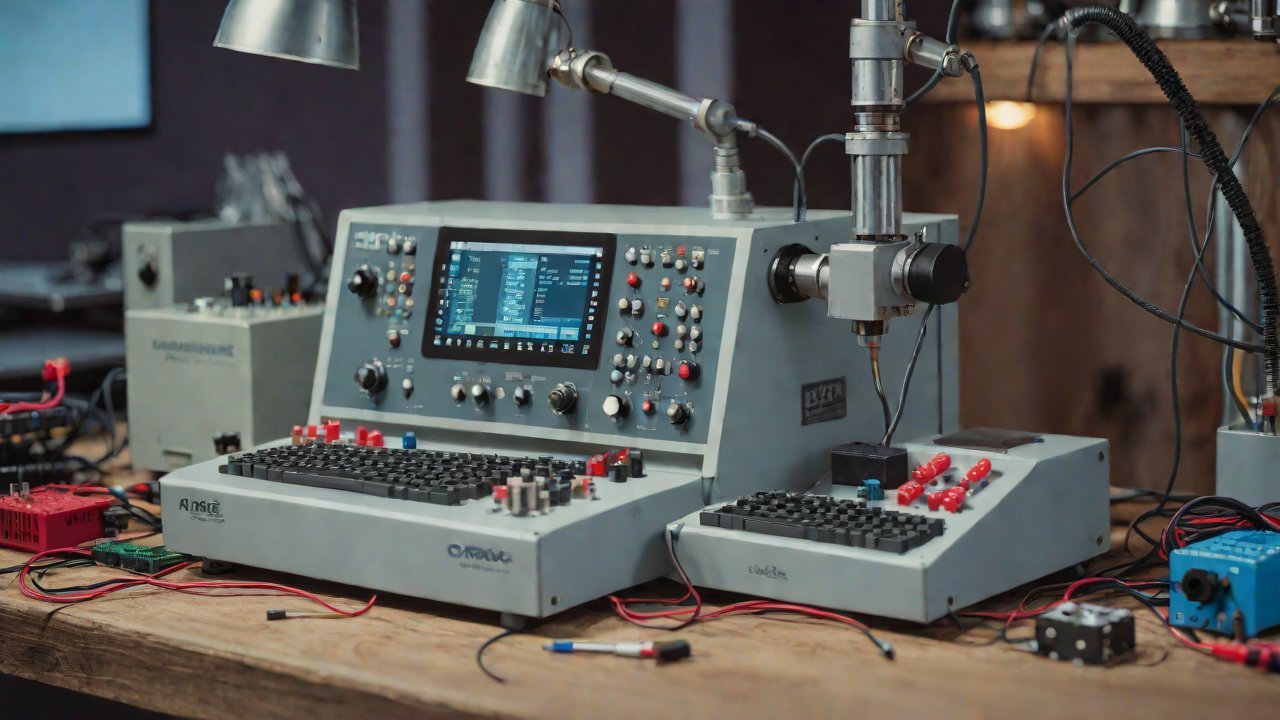
Raspberry Pi is a low-cost, credit-card-sized computer that has gained widespread adoption in various industries due to its versatility and ease of use. Its key features include:
| Feature | Description |
|---|---|
| Low Power Consumption | Energy-efficient design enables long-term deployment without worrying about power outages |
| Compact Size | Portable and lightweight, making it ideal for space-constrained environments |
| Modular Design | Easy to integrate with various sensors, actuators, and other peripherals |
3. Hardware Setup
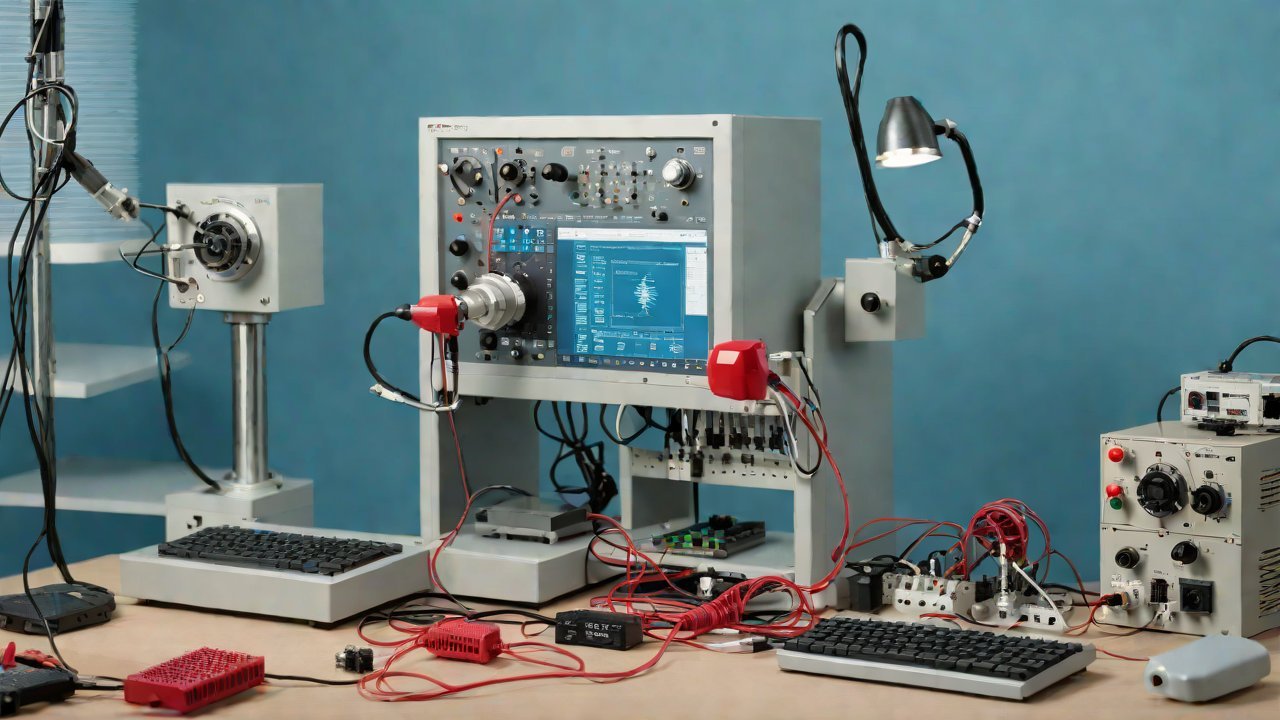
To transform old CNC machines into IoT-enabled devices, a hardware setup is required. This consists of:
- Raspberry Pi: The primary computing component that runs the operating system and controls the machine.
- Sensor Modules: Accelerometers, temperature sensors, and pressure sensors provide real-time data on machine performance.
- Actuators: Motors, valves, or other actuators enable remote control and monitoring of machine operations.
- Communication Interface: Ethernet or Wi-Fi connectivity enables seamless communication between the Raspberry Pi and the cloud.
4. Software Configuration
The software configuration involves:
- Operating System: Install a lightweight Linux distribution such as Raspbian to run on the Raspberry Pi.
- IoT Frameworks: Utilize frameworks like Node-RED or Eclipse Kura for building IoT applications and integrating with various sensors and actuators.
- Cloud Connectivity: Integrate with cloud platforms such as AWS, Google Cloud, or Microsoft Azure for data storage and analytics.
5. Application Development
The application development phase focuses on creating custom solutions tailored to specific manufacturing requirements. This includes:
- Data Acquisition: Develop algorithms to collect and process sensor data from the machine.
- Predictive Maintenance: Implement predictive models using machine learning techniques to identify potential equipment failures.
- Real-time Monitoring: Create dashboards for real-time monitoring of machine performance, allowing operators to respond quickly to any issues.
6. Deployment and Integration
Once the application is developed, it must be deployed and integrated with existing systems:
- Cloud Integration: Connect the Raspberry Pi to the cloud platform for data storage and analytics.
- Machine Interface: Integrate the Raspberry Pi with the CNC machine’s control system using a communication interface.
- Operator Training: Provide training for operators on how to use the new IoT-enabled system.
7. Benefits and ROI
The benefits of transforming old CNC machines into IoT-enabled devices include:
| Benefit | Description |
|---|---|
| Increased Productivity | Real-time monitoring and predictive maintenance enable faster production rates and reduced downtime |
| Improved Efficiency | Optimized production planning and scheduling lead to lower energy consumption and reduced waste |
| Enhanced Competitiveness | Manufacturers can differentiate themselves from competitors by adopting cutting-edge technology |
The return on investment (ROI) for this project can be calculated using the following formula:
ROI = ((Cost Savings – Additional Costs) / Initial Investment) x 100
Assuming an initial investment of $10,000 and cost savings of $20,000 per year, the ROI would be:
ROI = (($20,000 – $0) / $10,000) x 100 = 200%
This indicates a significant return on investment, making IoT digital transformation of old CNC machine tools using Raspberry Pi an attractive solution for manufacturers.
8. Conclusion
The adoption of Raspberry Pi in IoT-enabled CNC machines offers numerous benefits, including increased productivity, improved efficiency, and enhanced competitiveness. By following the outlined approach, manufacturers can unlock new levels of performance from their existing equipment, reducing costs and improving overall business outcomes. As the Industrial Internet of Things continues to evolve, it is essential for manufacturers to adapt and leverage innovative technologies like Raspberry Pi to stay ahead in the market.
IOT Cloud Platform
IOT Cloud Platform is an IoT portal established by a Chinese IoT company, focusing on technical solutions in the fields of agricultural IoT, industrial IoT, medical IoT, security IoT, military IoT, meteorological IoT, consumer IoT, automotive IoT, commercial IoT, infrastructure IoT, smart warehousing and logistics, smart home, smart city, smart healthcare, smart lighting, etc.
The IoT Cloud Platform blog is a top IoT technology stack, providing technical knowledge on IoT, robotics, artificial intelligence (generative artificial intelligence AIGC), edge computing, AR/VR, cloud computing, quantum computing, blockchain, smart surveillance cameras, drones, RFID tags, gateways, GPS, 3D printing, 4D printing, autonomous driving, etc.