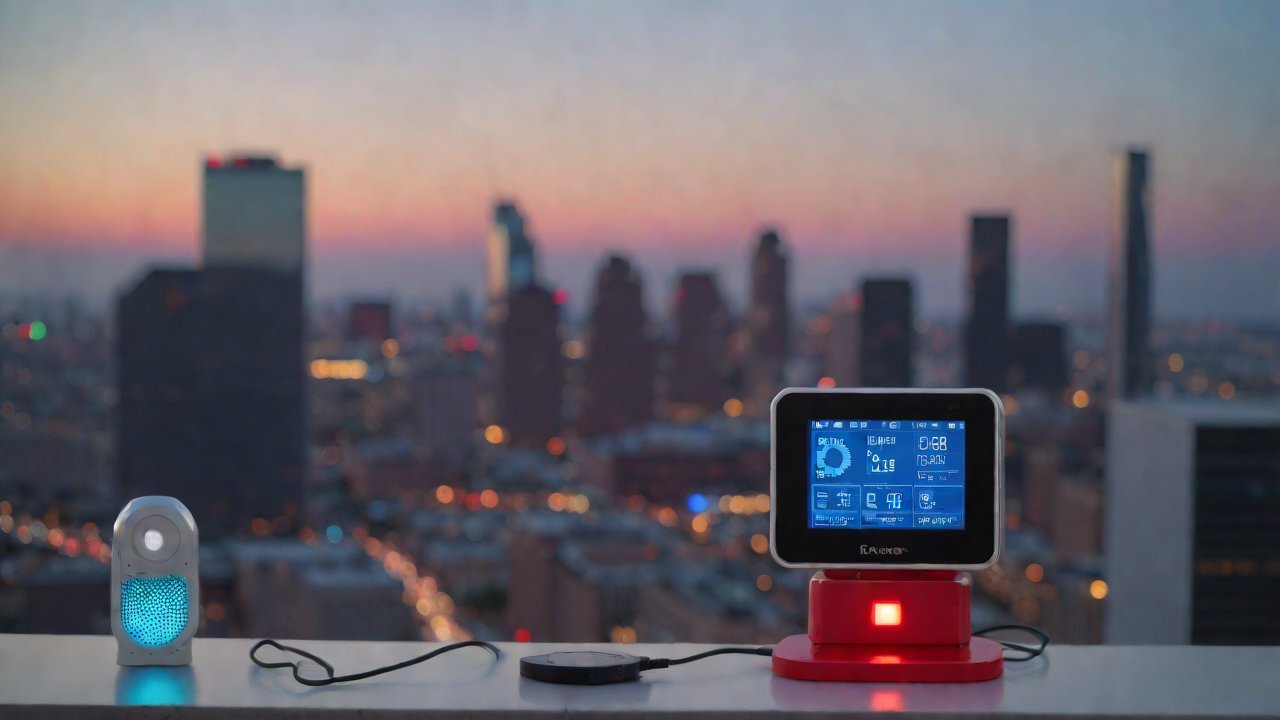
How to achieve differentiated monitoring of indoor and outdoor air quality through IoT?
Indoor and outdoor air quality has become a pressing concern in recent years, with growing awareness about its impact on human health and the environment. The Internet of Things (IoT) has emerged as a key enabler for monitoring and managing air quality, offering a range of innovative solutions that can be tailored to specific needs. However, with the proliferation of IoT devices, it’s increasingly important to differentiate between indoor and outdoor air quality monitoring, ensuring that each environment receives the attention it deserves.
1. Understanding the Challenge
Air pollution is a ubiquitous problem affecting both developed and developing countries. According to the World Health Organization (WHO), 9 out of every 10 people worldwide breathe polluted air, leading to an estimated 7 million premature deaths annually. The WHO also notes that long-term exposure to poor air quality can cause cardiovascular diseases, lung cancer, and other respiratory issues.
Indoor air pollution, often overlooked, is a significant concern in its own right. A study by the US Environmental Protection Agency (EPA) found that indoor air pollutants can be 2-5 times higher than outdoor levels, posing risks to occupants’ health, particularly children, elderly, and people with pre-existing medical conditions.
2. IoT-Based Monitoring Solutions
IoT-based monitoring solutions have transformed the landscape of air quality management by providing real-time data and insights into indoor and outdoor pollution levels. Key features of these systems include:
Table 1: Key Features of IoT-Based Air Quality Monitoring Systems
| Feature | Description |
|---|---|
| Real-time Data | Continuous monitoring and reporting of air quality parameters |
| Remote Sensing | Ability to remotely access and control devices |
| Multi-Sensor Support | Integration with various sensors for comprehensive data collection |
| Cloud Connectivity | Data storage, analysis, and visualization on cloud platforms |
3. Differentiated Monitoring Approaches
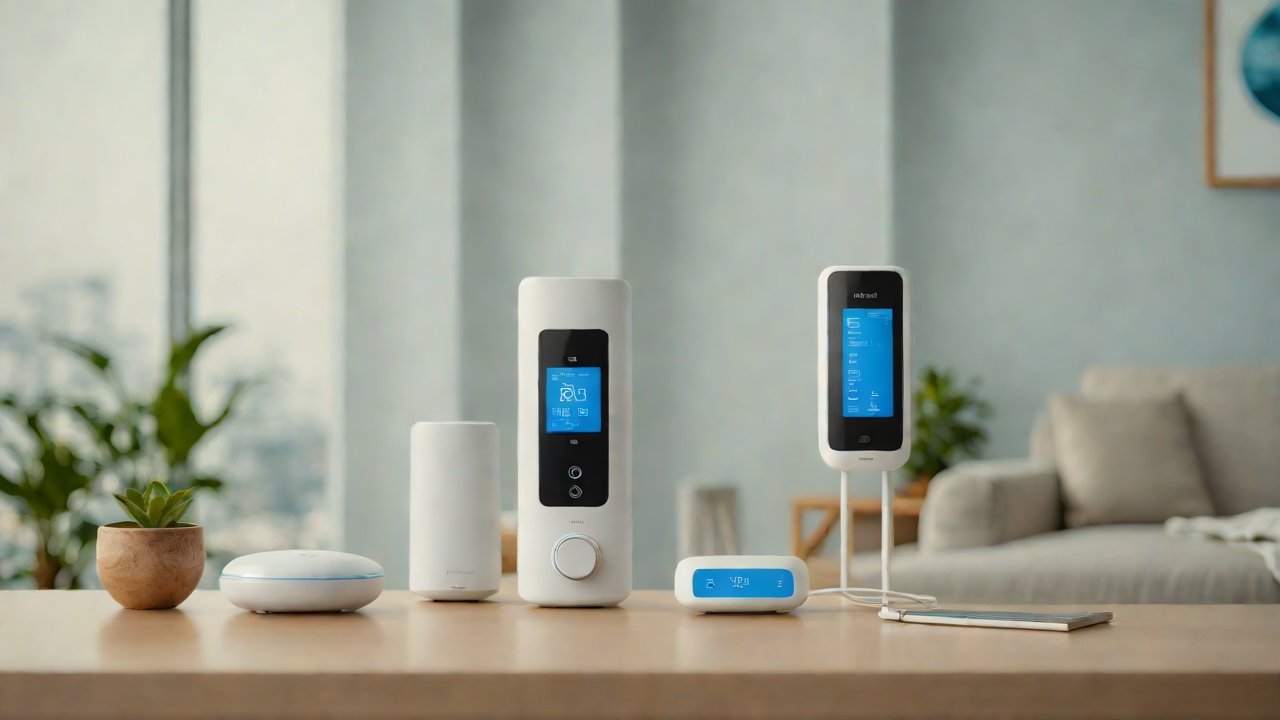
To effectively monitor indoor and outdoor air quality, it’s essential to adopt differentiated approaches tailored to each environment.
Indoor Air Quality Monitoring
Indoor air quality monitoring typically involves:
- Sensor placement: Strategically placing sensors in areas with high occupancy or near potential pollutant sources.
- Data analysis: Utilizing machine learning algorithms to identify trends and anomalies in indoor air quality data.
- Alert systems: Implementing alert systems for rapid response to indoor air pollution incidents.
Outdoor Air Quality Monitoring
Outdoor air quality monitoring requires:
- Urban planning integration: Incorporating air quality sensors into urban infrastructure, such as traffic lights or buildings.
- Weather correlation: Accounting for weather conditions that impact outdoor pollutant dispersion and concentration.
- Real-time data sharing: Sharing real-time data with local authorities and the public to inform policy decisions.
4. IoT-Enabled Air Quality Management Systems
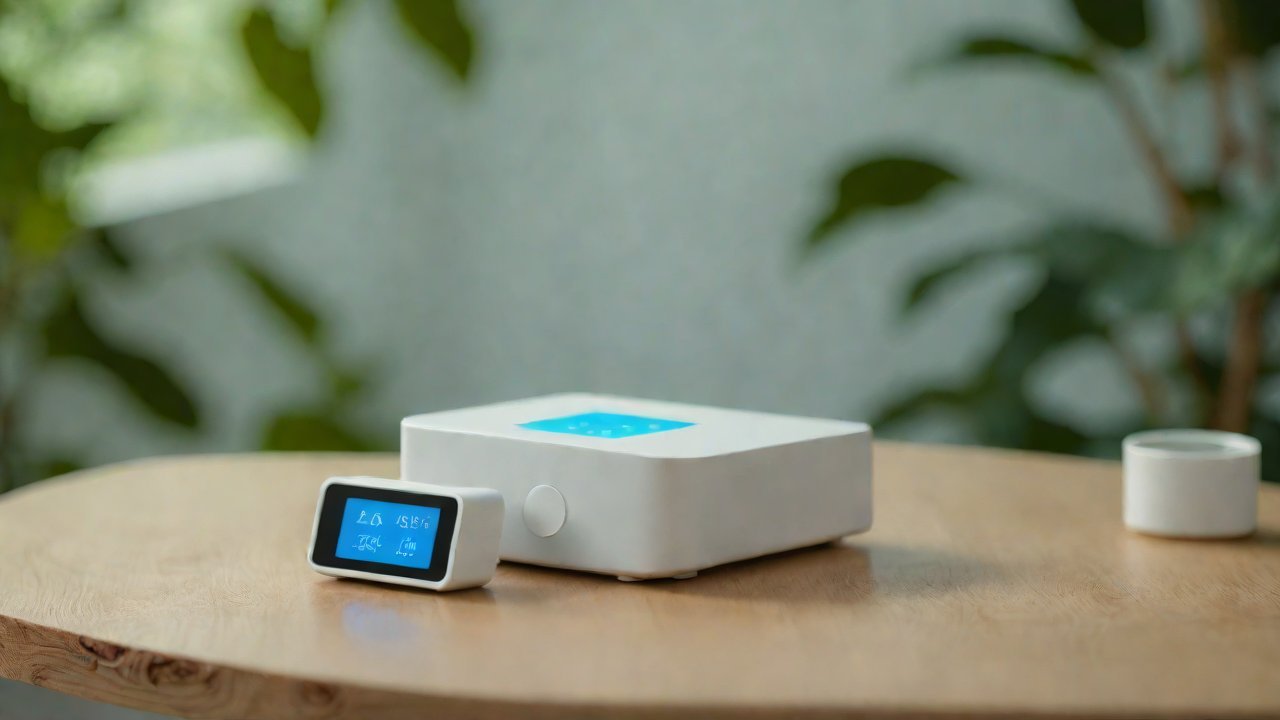
IoT-enabled air quality management systems integrate various components, including sensors, data analytics, and communication networks, to provide a comprehensive view of indoor and outdoor air quality.
Table 2: Key Components of IoT-Enabled Air Quality Management Systems
| Component | Description |
|---|---|
| Sensors | Multi-sensor arrays for measuring pollutants (e.g., PM2.5, NOx, O3) and environmental parameters (e.g., temperature, humidity) |
| Data Analytics | Machine learning algorithms for data analysis, anomaly detection, and predictive modeling |
| Communication Networks | Cellular or Wi-Fi connectivity for real-time data transmission to cloud platforms |
5. Market Trends and Outlook
The market for IoT-enabled air quality monitoring solutions is growing rapidly, driven by increasing awareness about indoor and outdoor air pollution.
Table 3: Market Growth Projections (2020-2025)
| Region | 2020 | 2022 | 2024 | 2025 |
|---|---|---|---|---|
| North America | $1.8B | $3.2B | $6.3B | $9.5B |
| Europe | $2.5B | $4.5B | $7.2B | $10.5B |
| Asia-Pacific | $3.2B | $5.5B | $8.2B | $11.2B |

6. Technical Perspectives and Recommendations
To ensure effective differentiated monitoring of indoor and outdoor air quality through IoT, the following technical perspectives and recommendations should be considered:
- Sensor selection: Carefully choosing sensors that meet specific environmental conditions and pollutant types.
- Data standardization: Standardizing data formats to facilitate seamless integration with other systems.
- Cybersecurity measures: Implementing robust cybersecurity measures to protect sensitive air quality data.
By adopting these differentiated approaches, incorporating IoT-enabled monitoring solutions, and addressing technical challenges, we can effectively manage indoor and outdoor air quality, improving public health and environmental sustainability.
IOT Cloud Platform
IOT Cloud Platform is an IoT portal established by a Chinese IoT company, focusing on technical solutions in the fields of agricultural IoT, industrial IoT, medical IoT, security IoT, military IoT, meteorological IoT, consumer IoT, automotive IoT, commercial IoT, infrastructure IoT, smart warehousing and logistics, smart home, smart city, smart healthcare, smart lighting, etc.
The IoT Cloud Platform blog is a top IoT technology stack, providing technical knowledge on IoT, robotics, artificial intelligence (generative artificial intelligence AIGC), edge computing, AR/VR, cloud computing, quantum computing, blockchain, smart surveillance cameras, drones, RFID tags, gateways, GPS, 3D printing, 4D printing, autonomous driving, etc.
Note: This article was professionally generated with the assistance of AIGC and has been fact-checked and manually corrected by IoT expert editor IoTCloudPlatForm.