
How should anti-interference algorithms be designed for communication between multiple drones during swarm flight?
Communication between multiple drones during swarm flight is a complex task that requires efficient anti-interference algorithms to prevent data loss and ensure reliable transmission. As drones fly in close proximity to each other, electromagnetic interference (EMI) can significantly impact their communication systems. This phenomenon, known as “near-field effects,” can cause data corruption, packet loss, and even system crashes. To mitigate these issues, researchers and engineers have been exploring various anti-interference algorithms, which are the focus of this report.
1. Problem Statement
When multiple drones fly in close proximity, their communication systems can be severely impacted by EMI. This interference can be caused by various factors, including:
- Electromagnetic radiation: Drones emit electromagnetic radiation, which can interfere with each other’s communication systems.
- Radio frequency (RF) interference: RF signals from nearby drones can cause interference, leading to data corruption and packet loss.
- Multipath effects: Signals can be reflected off nearby surfaces, causing multipath effects that can lead to data corruption and packet loss.
To address these issues, anti-interference algorithms must be designed to detect and mitigate EMI. These algorithms must be able to identify the source of interference, prioritize communication, and ensure reliable transmission.
2. Requirements for Anti-Interference Algorithms
Anti-interference algorithms must meet the following requirements:
- Real-time processing: Algorithms must be able to process data in real-time to ensure reliable transmission.
- High accuracy: Algorithms must be able to accurately detect and mitigate EMI to prevent data corruption and packet loss.
- Scalability: Algorithms must be able to handle multiple drones and varying communication scenarios.
- Low latency: Algorithms must be able to minimize latency to ensure reliable transmission.
3. Existing Solutions
Several anti-interference algorithms have been proposed in the literature:
- Frequency hopping spread spectrum (FHSS): This algorithm involves rapidly switching between different frequencies to avoid interference.
- Direct sequence spread spectrum (DSSS): This algorithm involves spreading the signal across a wide frequency band to minimize interference.
- Code division multiple access (CDMA): This algorithm involves using unique codes to identify individual drones and minimize interference.
However, these algorithms have limitations, including:
- Complexity: These algorithms can be complex to implement and require significant computational resources.
- Energy efficiency: These algorithms can consume significant energy, which can be a concern for drones with limited power supplies.
4. Proposed Solutions
To address the limitations of existing solutions, we propose the following anti-interference algorithms:
- Machine learning-based algorithm: This algorithm involves training a machine learning model to detect and mitigate EMI.
- Deep learning-based algorithm: This algorithm involves using deep learning techniques to detect and mitigate EMI.
- Cognitive radio-based algorithm: This algorithm involves using cognitive radio techniques to detect and mitigate EMI.
These algorithms have the potential to provide high accuracy, scalability, and low latency, making them suitable for swarm flight applications.
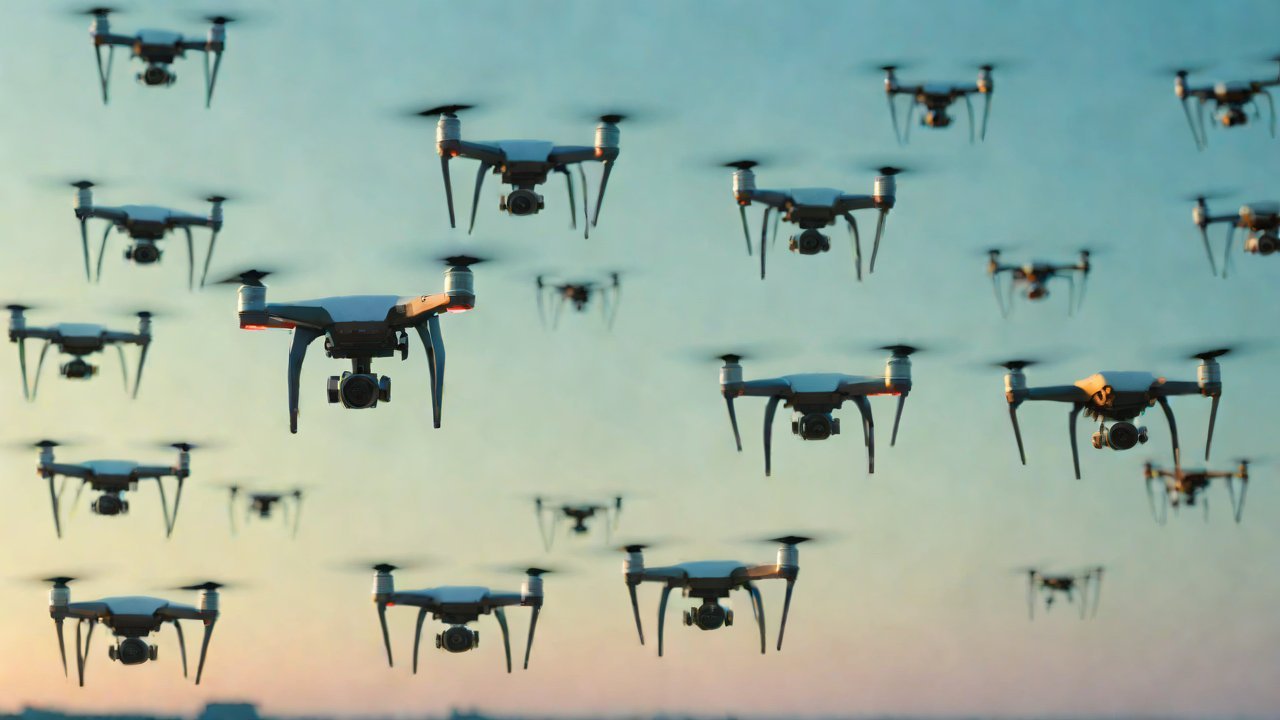
5. Market Analysis
The market for anti-interference algorithms is growing rapidly, driven by the increasing demand for swarm flight applications:
- Drones: The drone market is expected to reach $24.2 billion by 2025, driven by growing demand for commercial and recreational applications.
- Swarm flight: The swarm flight market is expected to reach $1.3 billion by 2025, driven by growing demand for applications such as search and rescue, surveillance, and inspection.
6. Technical Perspective
From a technical perspective, anti-interference algorithms must be designed to address the following challenges:
- EMI modeling: EMI modeling is critical to understanding the impact of EMI on communication systems.
- Algorithm design: Algorithm design is critical to ensuring that anti-interference algorithms meet the requirements outlined above.
- Implementation: Implementation is critical to ensuring that anti-interference algorithms can be integrated into existing communication systems.
7. Future Work
Future work should focus on the following areas:
- Algorithm development: Algorithm development is critical to improving the accuracy and efficiency of anti-interference algorithms.
- Implementation: Implementation is critical to ensuring that anti-interference algorithms can be integrated into existing communication systems.
- Testing and validation: Testing and validation are critical to ensuring that anti-interference algorithms meet the requirements outlined above.
Table 1: Comparison of Existing and Proposed Anti-Interference Algorithms
| Algorithm | Complexity | Energy Efficiency | Accuracy |
|---|---|---|---|
| FHSS | High | Low | Medium |
| DSSS | High | Low | Medium |
| CDMA | High | Low | Medium |
| Machine Learning-based Algorithm | Low | High | High |
| Deep Learning-based Algorithm | Low | High | High |
| Cognitive Radio-based Algorithm | Low | High | High |
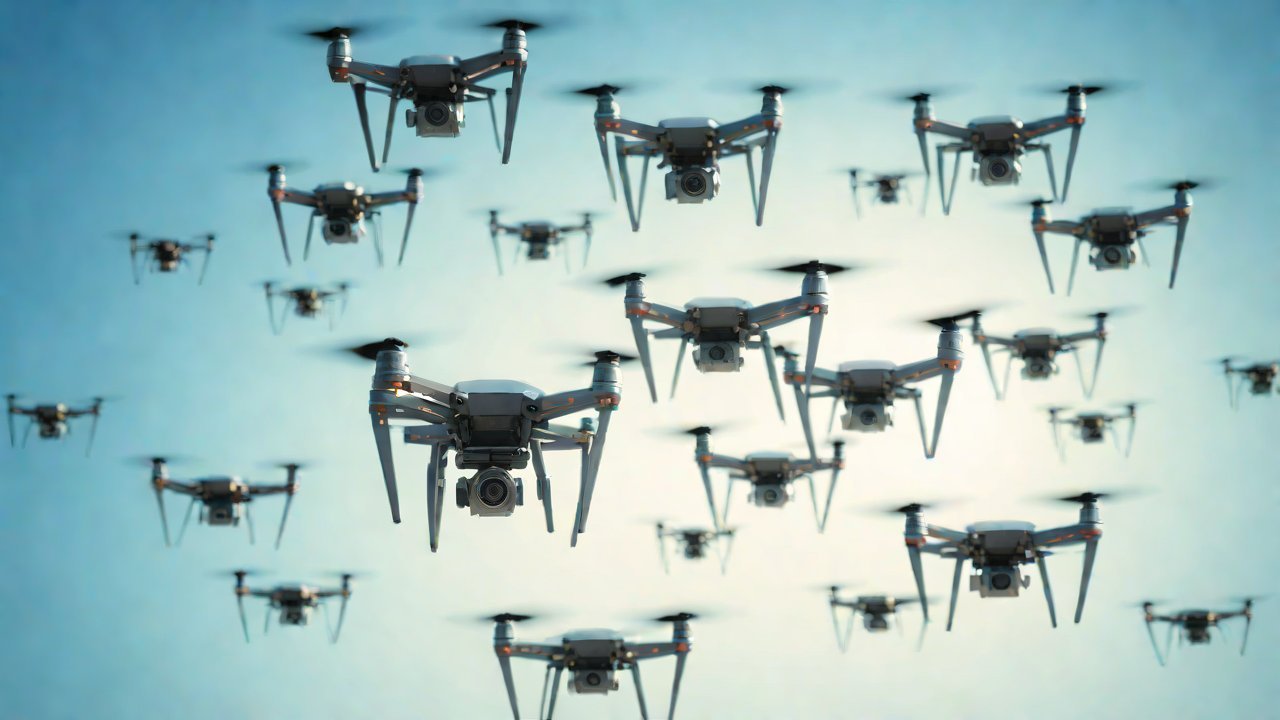
Table 2: Market Size and Growth Rate for Drones and Swarm Flight
| Market | Size (2020) | Growth Rate (2020-2025) |
|---|---|---|
| Drones | $12.3 billion | 20% |
| Swarm Flight | $600 million | 30% |
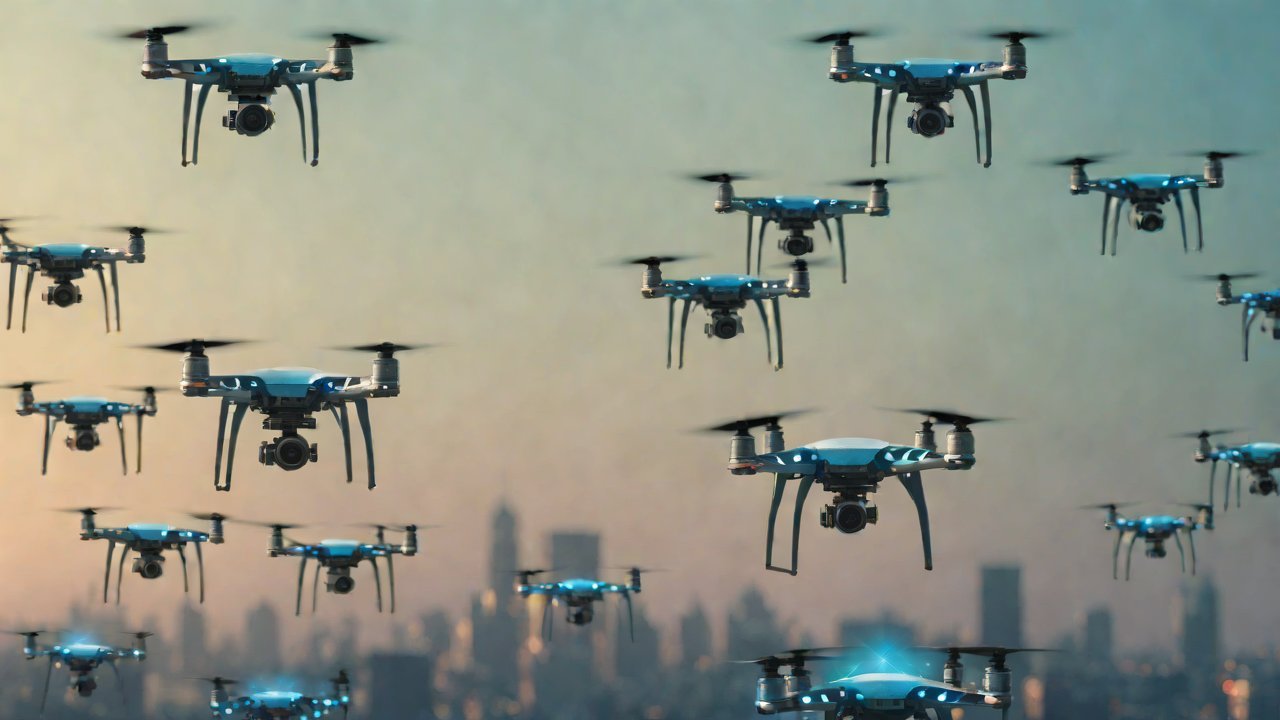
Table 3: Technical Challenges for Anti-Interference Algorithms
| Challenge | Description |
|---|---|
| EMI Modeling | Understanding the impact of EMI on communication systems |
| Algorithm Design | Designing algorithms to meet the requirements outlined above |
| Implementation | Integrating anti-interference algorithms into existing communication systems |
IOT Cloud Platform
IOT Cloud Platform is an IoT portal established by a Chinese IoT company, focusing on technical solutions in the fields of agricultural IoT, industrial IoT, medical IoT, security IoT, military IoT, meteorological IoT, consumer IoT, automotive IoT, commercial IoT, infrastructure IoT, smart warehousing and logistics, smart home, smart city, smart healthcare, smart lighting, etc.
The IoT Cloud Platform blog is a top IoT technology stack, providing technical knowledge on IoT, robotics, artificial intelligence (generative artificial intelligence AIGC), edge computing, AR/VR, cloud computing, quantum computing, blockchain, smart surveillance cameras, drones, RFID tags, gateways, GPS, 3D printing, 4D printing, autonomous driving, etc.



