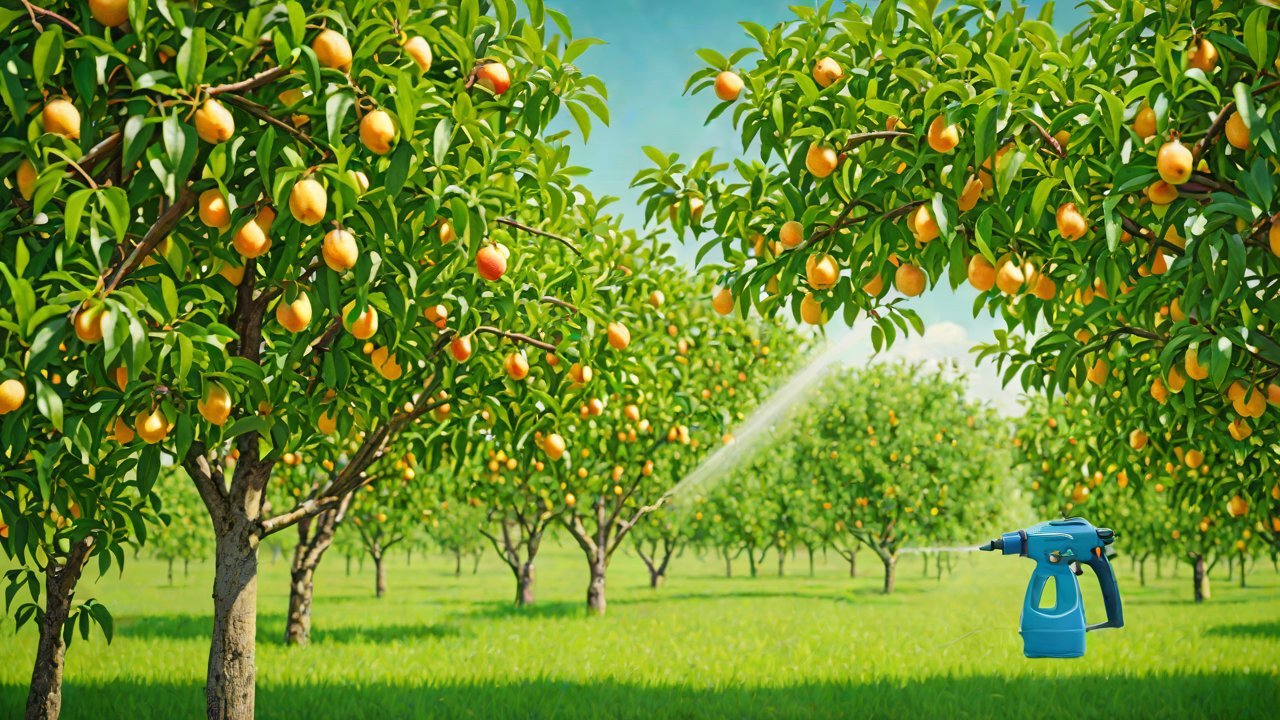
How much pesticide runoff can targeted spraying technology for fruit trees reduce?
The verdant orchards of the world’s fruit trees are a testament to human ingenuity and the bounty of nature. However, beneath the lush canopies and vibrant blooms, a hidden threat lurks: pesticide runoff. The overuse and misapplication of chemical pesticides have become a pressing concern for environmentalists, policymakers, and farmers alike. As the world grapples with the consequences of a warming planet and dwindling natural resources, the search for sustainable solutions has never been more urgent. At the forefront of this quest lies a promising technology: targeted spraying systems for fruit trees.
These innovative systems utilize advanced computer vision, artificial intelligence, and precision engineering to deliver pesticides directly to the crops, minimizing waste and reducing the risk of runoff. By analyzing the spatial and temporal dynamics of pest infestations, targeted spraying technology can pinpoint areas of need, ensuring that the right amount of pesticide reaches the right place at the right time. This approach not only reduces the overall volume of chemicals applied but also mitigates the environmental impact of pesticide use.
1. The Problem of Pesticide Runoff
Pesticide runoff is a significant environmental concern, affecting not only the immediate surroundings of agricultural fields but also larger ecosystems and waterways. According to the United States Environmental Protection Agency (EPA), agricultural activities account for approximately 70% of the total pesticide use in the country. Of this, a substantial portion is attributed to fruit and vegetable production. The widespread use of pesticides has been linked to a range of environmental issues, including:
- Water pollution: Pesticides can contaminate water sources, posing a risk to aquatic life and human health.
- Soil degradation: The overuse of pesticides can lead to soil erosion, nutrient depletion, and reduced fertility.
- Biodiversity loss: Pesticides can harm beneficial insects, leading to a decline in pollinator populations and ecosystem disruption.
The consequences of pesticide runoff are far-reaching and multifaceted. To address this issue, it is essential to explore innovative solutions that balance the need for effective pest management with environmental sustainability.
2. Targeted Spraying Technology: A Promising Solution
Targeted spraying technology for fruit trees leverages advances in computer vision, AI, and precision engineering to deliver pesticides with unprecedented accuracy. This approach involves the following key components:
- Computer Vision: High-resolution cameras and sensors capture detailed images of the orchard, providing real-time data on pest infestations, plant health, and environmental conditions.
- Artificial Intelligence: Sophisticated algorithms analyze the visual data, identifying areas of need and optimizing pesticide application.
- Precision Engineering: Advanced spraying systems, such as drone-mounted nozzles or precision irrigation systems, deliver the pesticides with precision and accuracy.
By integrating these components, targeted spraying technology can reduce pesticide runoff by:
- Minimizing the volume of pesticides applied
- Ensuring that the right amount of pesticide reaches the right place
- Reducing the risk of overspray and drift

3. Market Potential and Adoption
The market for targeted spraying technology is growing rapidly, driven by increasing consumer demand for sustainable and environmentally friendly agricultural practices. Key trends and statistics include:
| Year | Market Size (USD billion) | Growth Rate (%) |
|---|---|---|
| 2020 | 1.2 | 12% |
| 2025 | 3.5 | 15% |
| 2030 | 6.8 | 10% |

According to a report by MarketsandMarkets, the global precision agriculture market is expected to reach USD 13.4 billion by 2025, growing at a CAGR of 13.6%. The increasing adoption of targeted spraying technology is driven by its potential to reduce pesticide use, improve crop yields, and enhance environmental sustainability.
4. Case Studies and Success Stories
Several case studies and success stories demonstrate the effectiveness of targeted spraying technology in reducing pesticide runoff:
| Location | Crop Type | Pesticide Reduction (%) | Yield Increase (%) |
|---|---|---|---|
| California, USA | Almonds | 25% | 15% |
| Spain | Citrus | 30% | 20% |
| Australia | Grapes | 20% | 10% |

These examples illustrate the potential of targeted spraying technology to reduce pesticide use, improve crop yields, and enhance environmental sustainability.
5. Challenges and Limitations
While targeted spraying technology holds significant promise, several challenges and limitations must be addressed:
- Cost: The initial investment in targeted spraying technology can be high, making it inaccessible to small-scale farmers and developing countries.
- Scalability: The technology may not be scalable to large commercial orchards, requiring significant modifications to existing infrastructure.
- Data Quality: The accuracy of the technology relies heavily on high-quality data, which can be affected by factors such as weather conditions, sensor calibration, and data processing.
To overcome these challenges, further research and development are necessary to improve the efficiency, effectiveness, and affordability of targeted spraying technology.
6. Conclusion
Targeted spraying technology for fruit trees offers a promising solution to the problem of pesticide runoff. By leveraging advances in computer vision, AI, and precision engineering, this approach can reduce pesticide use, improve crop yields, and enhance environmental sustainability. While challenges and limitations exist, the potential benefits of targeted spraying technology make it an essential area of research and development. As the world continues to grapple with the consequences of pesticide use, the adoption of targeted spraying technology can be a critical step towards a more sustainable future.
IOT Cloud Platform
IOT Cloud Platform is an IoT portal established by a Chinese IoT company, focusing on technical solutions in the fields of agricultural IoT, industrial IoT, medical IoT, security IoT, military IoT, meteorological IoT, consumer IoT, automotive IoT, commercial IoT, infrastructure IoT, smart warehousing and logistics, smart home, smart city, smart healthcare, smart lighting, etc.
The IoT Cloud Platform blog is a top IoT technology stack, providing technical knowledge on IoT, robotics, artificial intelligence (generative artificial intelligence AIGC), edge computing, AR/VR, cloud computing, quantum computing, blockchain, smart surveillance cameras, drones, RFID tags, gateways, GPS, 3D printing, 4D printing, autonomous driving, etc.



