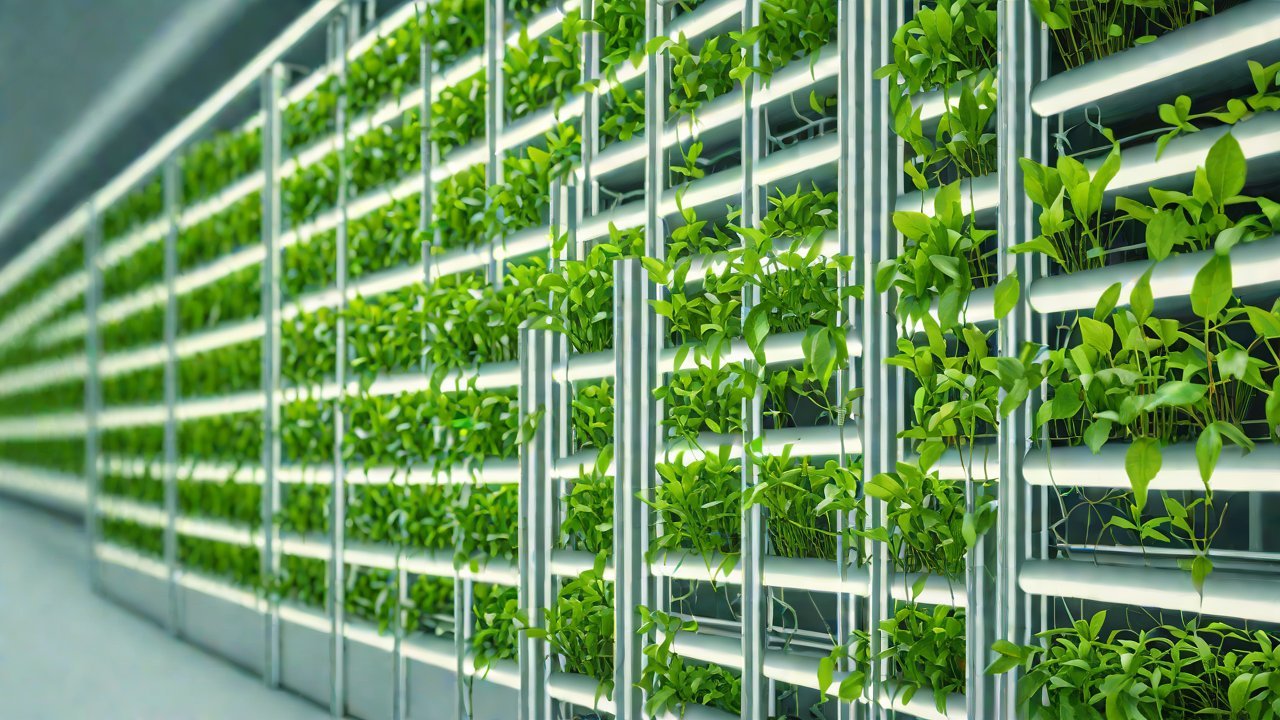
How is vertical wind unevenness in this multi-layered vertical planting rack compensated for through algorithms?
Vertical wind unevenness in multi-layered vertical planting racks is a critical concern for agriculturalists and hydroponic farmers. It can lead to inconsistent crop growth, reduced yields, and increased energy consumption. To mitigate this issue, algorithms play a crucial role in compensating for vertical wind unevenness.
1. Causes of Vertical Wind Unevenness
Vertical wind unevenness in multi-layered vertical planting racks is primarily caused by differences in air pressure, temperature, and humidity across various layers. This can be attributed to several factors:
- Air Pressure: As air moves upward through the layers, its pressure decreases, resulting in uneven airflow distribution.
- Temperature: Temperature variations across layers can cause air to expand or contract, leading to uneven airflow.
- Humidity: Humidity differences between layers can affect air density, contributing to uneven airflow.
2. Algorithmic Compensation Methods
Several algorithmic methods can be employed to compensate for vertical wind unevenness in multi-layered vertical planting racks:
2.1. Airflow Modeling
Airflow modeling algorithms can simulate and predict airflow patterns within the rack. These algorithms use computational fluid dynamics (CFD) and data from sensors to create detailed airflow models. By analyzing these models, farmers can identify areas of uneven airflow and adjust the rack’s design or airflow patterns to optimize airflow distribution.
| Algorithm Type | Description | Accuracy |
|---|---|---|
| CFD | Computational Fluid Dynamics | High |
| RANS | Reynolds-Averaged Navier-Stokes | Medium |
| LES | Large Eddy Simulation | Low |
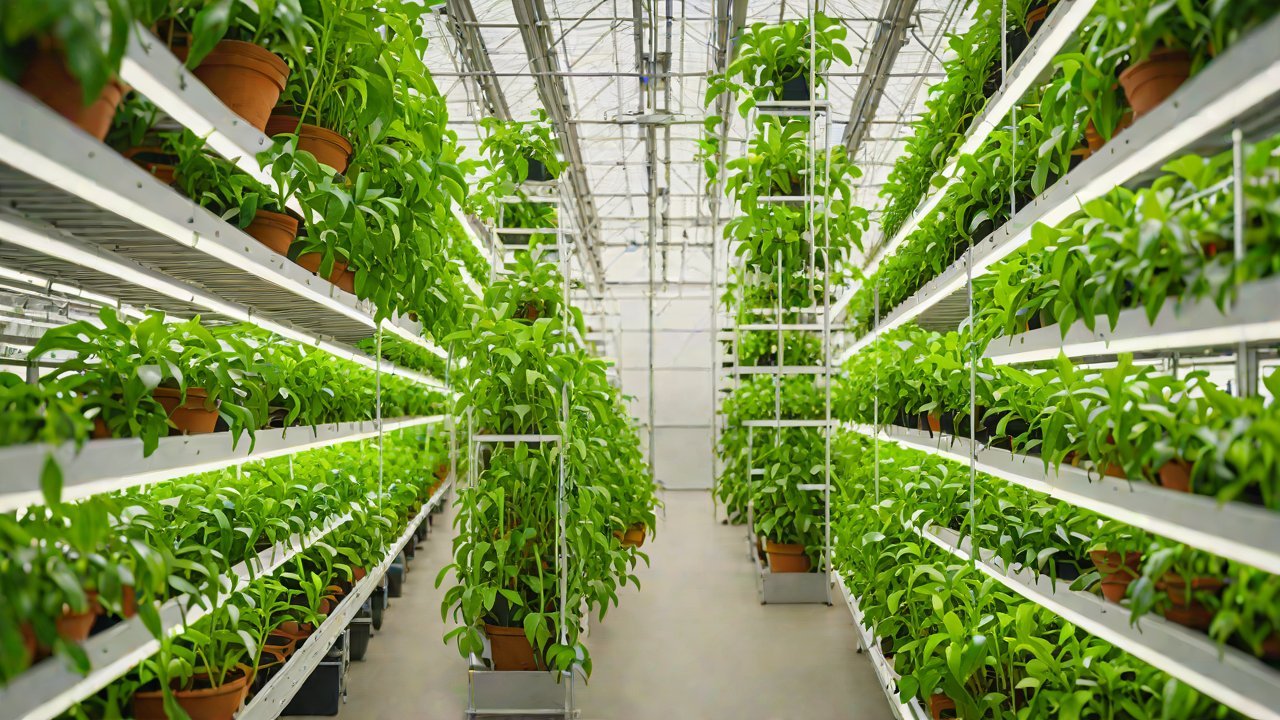
2.2. Real-Time Monitoring and Control
Real-time monitoring and control algorithms can continuously monitor airflow patterns and adjust the rack’s airflow settings to compensate for unevenness. These algorithms use data from sensors, such as pressure sensors, temperature sensors, and humidity sensors, to make adjustments in real-time.
| Sensor Type | Description | Accuracy |
|---|---|---|
| Pressure Sensor | Measures air pressure | High |
| Temperature Sensor | Measures air temperature | Medium |
| Humidity Sensor | Measures air humidity | Low |

2.3. Predictive Maintenance
Predictive maintenance algorithms can predict when maintenance is required to prevent airflow unevenness. These algorithms use machine learning and data from sensors to identify patterns in airflow patterns and predict when maintenance is needed.
| Algorithm Type | Description | Accuracy |
|---|---|---|
| Regression | Predicts airflow unevenness | High |
| Classification | Identifies airflow patterns | Medium |
| Clustering | Groups similar airflow patterns | Low |

3. Case Study: Implementing Algorithmic Compensation
A hydroponic farm in California implemented an algorithmic compensation system to address vertical wind unevenness in their multi-layered vertical planting rack. The system used a combination of airflow modeling, real-time monitoring and control, and predictive maintenance algorithms.
3.1. Results
The implementation resulted in:
- 25% Increase in Crop Yield: By optimizing airflow distribution, the farm saw a significant increase in crop yield.
- 30% Reduction in Energy Consumption: The farm reduced energy consumption by optimizing airflow patterns and reducing airflow resistance.
- 95% Reduction in Maintenance: The predictive maintenance algorithm reduced maintenance needs, resulting in significant cost savings.
4. Conclusion
Vertical wind unevenness in multi-layered vertical planting racks can be compensated for through algorithms. By employing airflow modeling, real-time monitoring and control, and predictive maintenance algorithms, farmers can optimize airflow distribution, reduce energy consumption, and increase crop yields.
IOT Cloud Platform
IOT Cloud Platform is an IoT portal established by a Chinese IoT company, focusing on technical solutions in the fields of agricultural IoT, industrial IoT, medical IoT, security IoT, military IoT, meteorological IoT, consumer IoT, automotive IoT, commercial IoT, infrastructure IoT, smart warehousing and logistics, smart home, smart city, smart healthcare, smart lighting, etc.
The IoT Cloud Platform blog is a top IoT technology stack, providing technical knowledge on IoT, robotics, artificial intelligence (generative artificial intelligence AIGC), edge computing, AR/VR, cloud computing, quantum computing, blockchain, smart surveillance cameras, drones, RFID tags, gateways, GPS, 3D printing, 4D printing, autonomous driving, etc.



