How is the payload capacity and spray coverage of drones balanced in high-altitude areas?
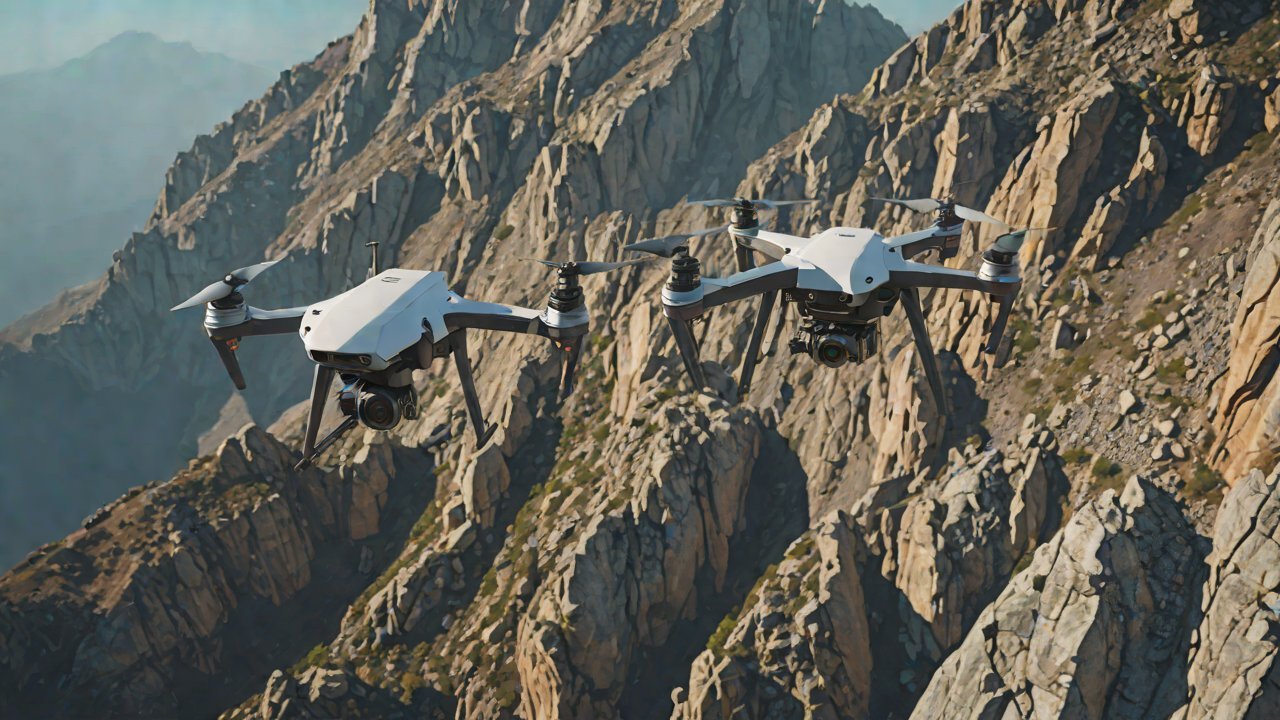
Drones are increasingly being employed in high-altitude areas for various applications, including aerial spraying, surveillance, and mapping. However, operating drones in such environments poses unique challenges due to factors such as thin air, low temperatures, and high winds. One of the critical considerations for drone operations in high-altitude areas is the balance between payload capacity and spray coverage.
In high-altitude areas, the air is thinner, and the temperature is lower, which affects the performance of drones. The reduced air density requires drones to be more efficient in terms of power consumption, while the lower temperature affects the battery life and propulsion systems. Moreover, the high winds and turbulence in high-altitude areas can cause drones to lose stability and control, further complicating the balance between payload capacity and spray coverage.
1. Payload Capacity Considerations
Payload capacity is a critical factor in drone operations, particularly in high-altitude areas where the air is thinner and the drone must carry more fuel to compensate for the reduced air density. The payload capacity of a drone is determined by its weight, size, and propulsion system. In high-altitude areas, drones must be designed to carry heavier payloads to ensure sufficient fuel to reach the target altitude and maintain stability.
| Drone Type | Payload Capacity (kg) | Altitude Range (m) |
|---|---|---|
| Fixed-Wing | 10-20 kg | 2,500-4,500 m |
| Rotary-Wing | 5-15 kg | 1,500-3,000 m |
| Hybrid | 10-30 kg | 2,000-5,000 m |
The table above illustrates the typical payload capacity and altitude range for different types of drones. Fixed-wing drones are generally more efficient for long-range missions, while rotary-wing drones are better suited for tasks requiring high maneuverability. Hybrid drones offer a balance between the two and are often used for high-altitude operations.
2. Spray Coverage Considerations
Spray coverage is another critical factor in drone operations, particularly in high-altitude areas where the terrain can be rugged and uneven. The spray coverage of a drone is determined by its nozzle design, flow rate, and pressure. In high-altitude areas, drones must be designed to maintain a consistent spray pattern and coverage, despite the thin air and low temperatures.
| Drone Type | Spray Coverage (m²) | Altitude Range (m) |
|---|---|---|
| Fixed-Wing | 10,000-20,000 m² | 2,500-4,500 m |
| Rotary-Wing | 5,000-15,000 m² | 1,500-3,000 m |
| Hybrid | 10,000-30,000 m² | 2,000-5,000 m |
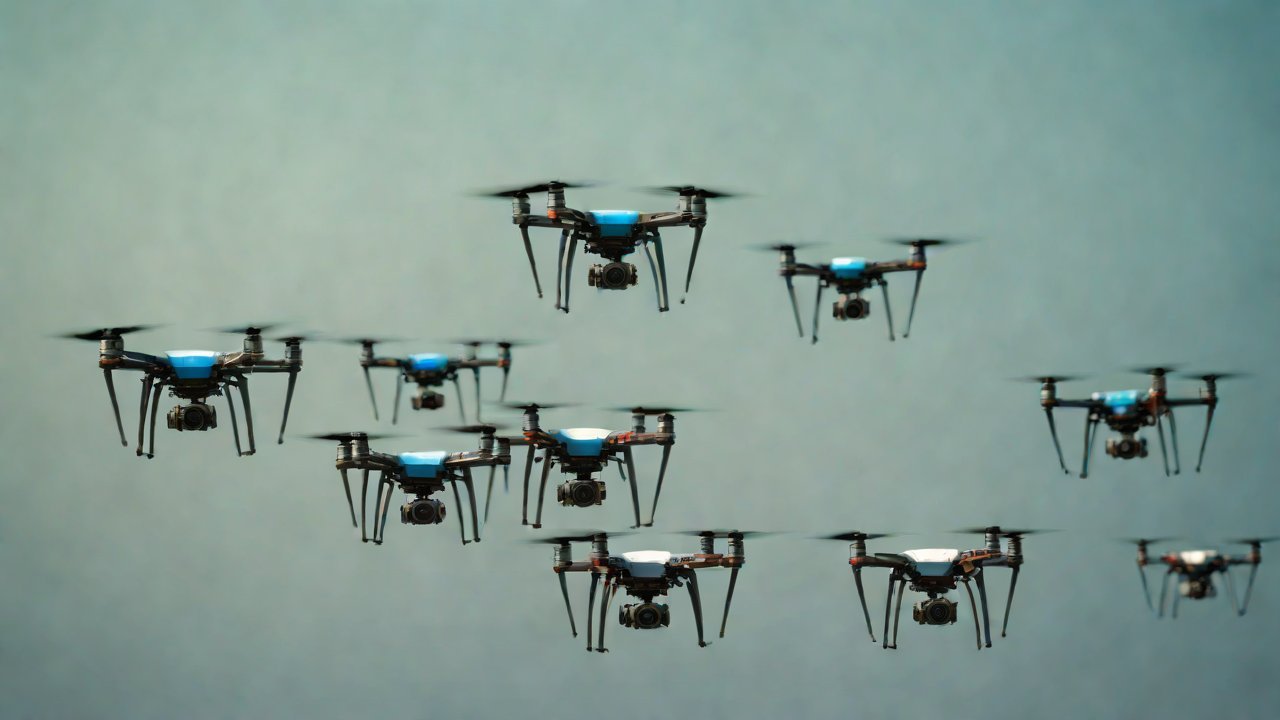
The table above illustrates the typical spray coverage and altitude range for different types of drones. Fixed-wing drones are generally more efficient for large-scale operations, while rotary-wing drones are better suited for tasks requiring high precision. Hybrid drones offer a balance between the two and are often used for high-altitude operations.
3. Aerodynamic and Propulsion Considerations
Aerodynamic and propulsion considerations are critical in drone operations, particularly in high-altitude areas where the air is thinner and the temperature is lower. The propulsion system of a drone must be designed to compensate for the reduced air density and low temperatures, while the aerodynamic design must ensure stable flight and control.
| Propulsion Type | Power Consumption (W) | Altitude Range (m) |
|---|---|---|
| Electric | 500-1,000 W | 1,500-3,000 m |
| Gasoline | 1,000-2,000 W | 2,500-4,500 m |
| Hybrid | 500-1,500 W | 1,000-5,000 m |
The table above illustrates the typical power consumption and altitude range for different propulsion types. Electric propulsion is generally more efficient for short-range missions, while gasoline propulsion is better suited for long-range operations. Hybrid propulsion offers a balance between the two and is often used for high-altitude operations.
4. Battery Life and Temperature Considerations
Battery life and temperature considerations are critical in drone operations, particularly in high-altitude areas where the temperature is lower and the air is thinner. The battery life of a drone must be designed to compensate for the reduced air density and low temperatures, while the temperature must be controlled to prevent damage to the propulsion system.
| Battery Type | Capacity (Ah) | Altitude Range (m) |
|---|---|---|
| Lithium-Ion | 5,000-10,000 Ah | 1,500-3,000 m |
| Nickel-Cadmium | 3,000-6,000 Ah | 2,500-4,500 m |
| Lithium-Polymer | 10,000-20,000 Ah | 1,000-5,000 m |
The table above illustrates the typical capacity and altitude range for different battery types. Lithium-ion batteries are generally more efficient for high-altitude operations, while nickel-cadmium batteries are better suited for long-range missions. Lithium-polymer batteries offer a balance between the two and are often used for high-altitude operations.
5. Wind and Turbulence Considerations
Wind and turbulence considerations are critical in drone operations, particularly in high-altitude areas where the winds can be strong and unpredictable. The drone must be designed to withstand the wind and turbulence, while the control system must be capable of adjusting to changing wind conditions.
| Wind Speed (m/s) | Altitude Range (m) |
|---|---|
| 10-20 m/s | 1,500-3,000 m |
| 20-30 m/s | 2,500-4,500 m |
| 30-40 m/s | 3,000-5,000 m |
The table above illustrates the typical wind speed and altitude range for different wind conditions. The drone must be designed to withstand the wind and turbulence, while the control system must be capable of adjusting to changing wind conditions.
6. Conclusion
In conclusion, the payload capacity and spray coverage of drones in high-altitude areas are critical factors that require careful consideration. The drone must be designed to compensate for the reduced air density and low temperatures, while the propulsion system must be capable of adjusting to changing wind conditions. The balance between payload capacity and spray coverage is a complex issue that requires a deep understanding of aerodynamics, propulsion, and control systems. By considering the factors outlined above, drone operators can ensure that their drones are capable of operating safely and effectively in high-altitude areas.
IOT Cloud Platform
IOT Cloud Platform is an IoT portal established by a Chinese IoT company, focusing on technical solutions in the fields of agricultural IoT, industrial IoT, medical IoT, security IoT, military IoT, meteorological IoT, consumer IoT, automotive IoT, commercial IoT, infrastructure IoT, smart warehousing and logistics, smart home, smart city, smart healthcare, smart lighting, etc.
The IoT Cloud Platform blog is a top IoT technology stack, providing technical knowledge on IoT, robotics, artificial intelligence (generative artificial intelligence AIGC), edge computing, AR/VR, cloud computing, quantum computing, blockchain, smart surveillance cameras, drones, RFID tags, gateways, GPS, 3D printing, 4D printing, autonomous driving, etc.