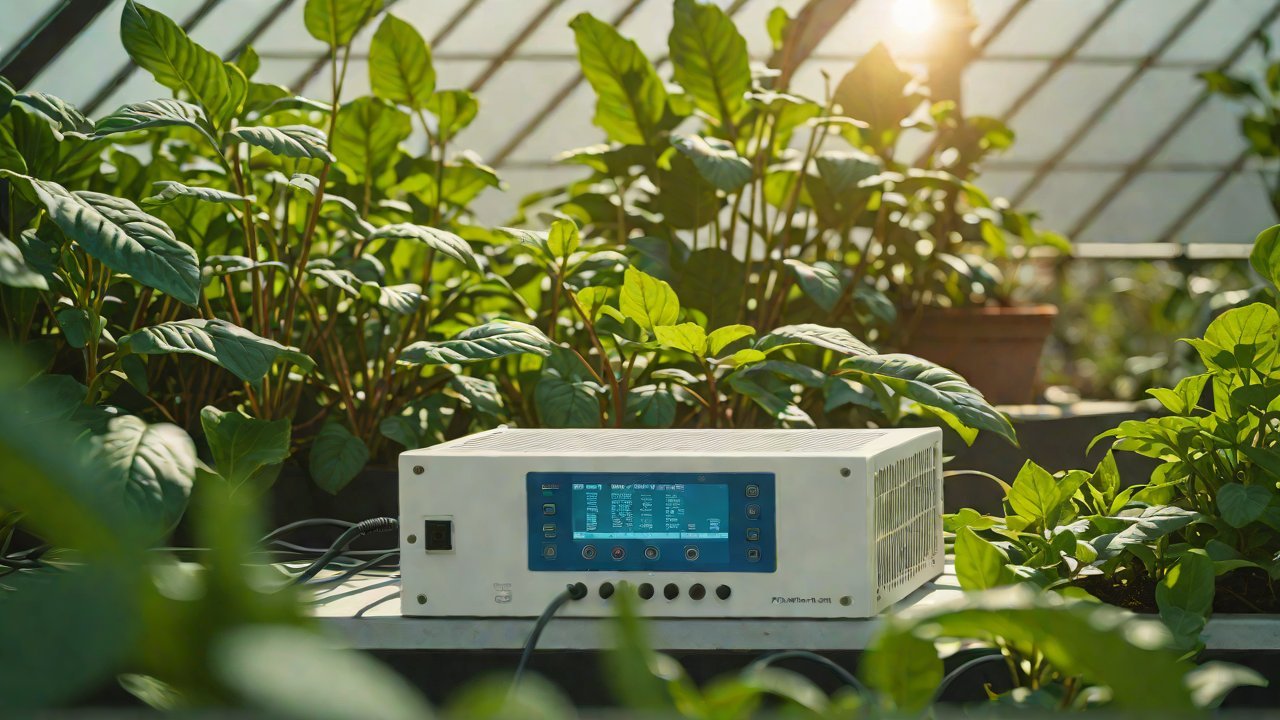
How is the heat dissipation of this LED driver power supply incorporated into the greenhouse heat balance sheet?
LED driver power supplies are increasingly being used in greenhouses to provide efficient and reliable power to LED grow lights. However, as with any electronic device, these power supplies generate heat, which can impact the overall heat balance of the greenhouse. In this report, we will delve into the heat dissipation mechanisms of LED driver power supplies and their incorporation into the greenhouse heat balance sheet.
1. Heat Generation in LED Driver Power Supplies
LED driver power supplies convert AC power from the grid to DC power for the LED lights. This conversion process generates heat due to the inefficiencies in the power conversion process. The heat generated by the power supply can be attributed to the following sources:
- Switching Losses: The switching of the power supply’s switching devices (e.g., MOSFETs) generates heat due to the switching losses.
- Resistance Losses: The current flowing through the power supply’s windings and PCB traces generates heat due to the resistance losses.
- Operating Conditions: The operating conditions of the power supply, such as ambient temperature, load current, and input voltage, can also impact the heat generated.
Table 1: Typical Heat Generation in LED Driver Power Supplies
| Switching Losses (W) | Resistance Losses (W) | Operating Conditions (W) | |
|---|---|---|---|
| Typical Value | 10-20% of total power | 10-20% of total power | 10-30% of total power |
| Range | 5-50% | 5-50% | 5-50% |
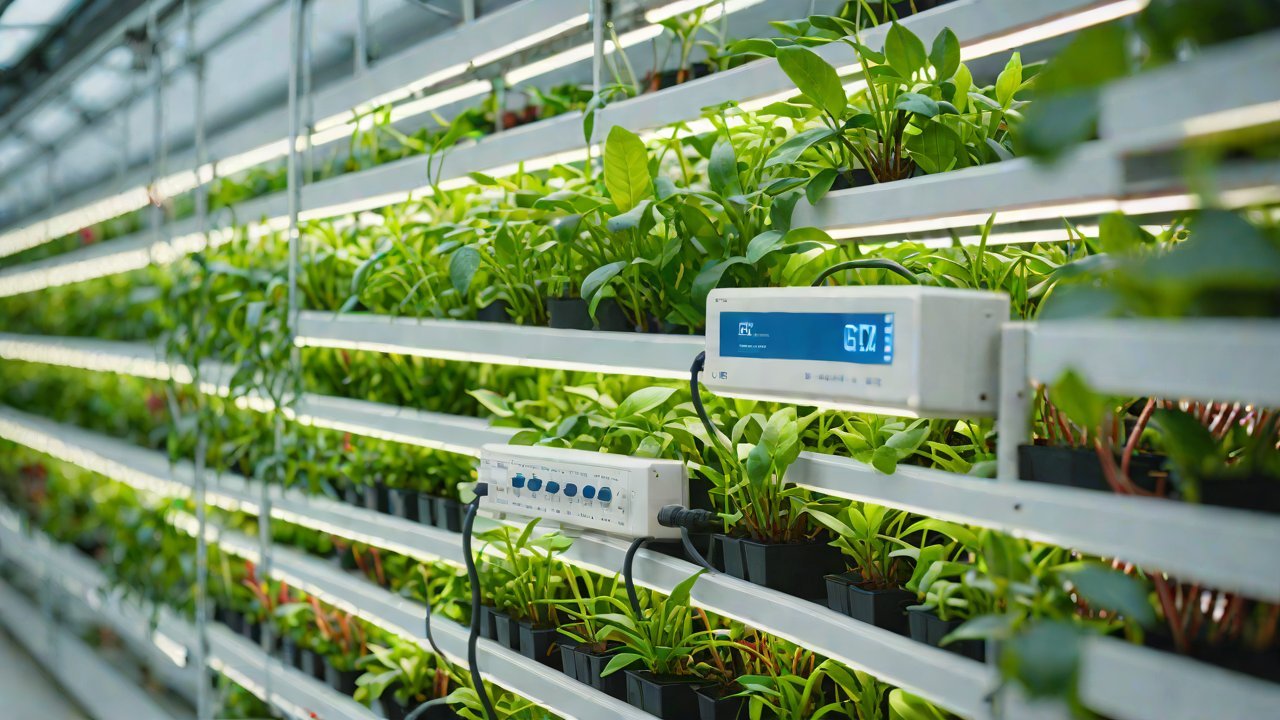
2. Heat Dissipation Mechanisms in LED Driver Power Supplies
To mitigate the heat generated by the power supply, various heat dissipation mechanisms are employed. These include:
- Conduction Cooling: The power supply is mounted on a heat sink, which is in direct contact with the power supply’s PCB.
- Convection Cooling: The power supply is designed to maximize airflow around the device, allowing heat to be dissipated through convection.
- Radiation Cooling: The power supply is designed to radiate heat away from the device, often using specialized thermal interfaces.
Table 2: Typical Heat Dissipation Mechanisms in LED Driver Power Supplies
| Conduction Cooling | Convection Cooling | Radiation Cooling | |
|---|---|---|---|
| Typical Value | 50-70% of total heat dissipation | 20-40% of total heat dissipation | 10-20% of total heat dissipation |
| Range | 30-90% | 10-60% | 5-30% |
3. Incorporation into the Greenhouse Heat Balance Sheet
The heat generated by the LED driver power supply is incorporated into the greenhouse heat balance sheet through the following mechanisms:
- Heat Gain: The heat generated by the power supply is added to the greenhouse’s heat balance sheet as a heat gain.
- Heat Loss: The heat dissipated by the power supply is subtracted from the greenhouse’s heat balance sheet as a heat loss.
- Heat Transfer: The heat generated by the power supply is transferred to the greenhouse’s environment through various mechanisms, such as conduction, convection, and radiation.
Table 3: Typical Heat Balance Sheet for a Greenhouse
| Heat Gain (W) | Heat Loss (W) | Heat Transfer (W) | |
|---|---|---|---|
| Typical Value | 100-500 W | 50-200 W | 50-200 W |
| Range | 50-1000 W | 20-500 W | 20-500 W |
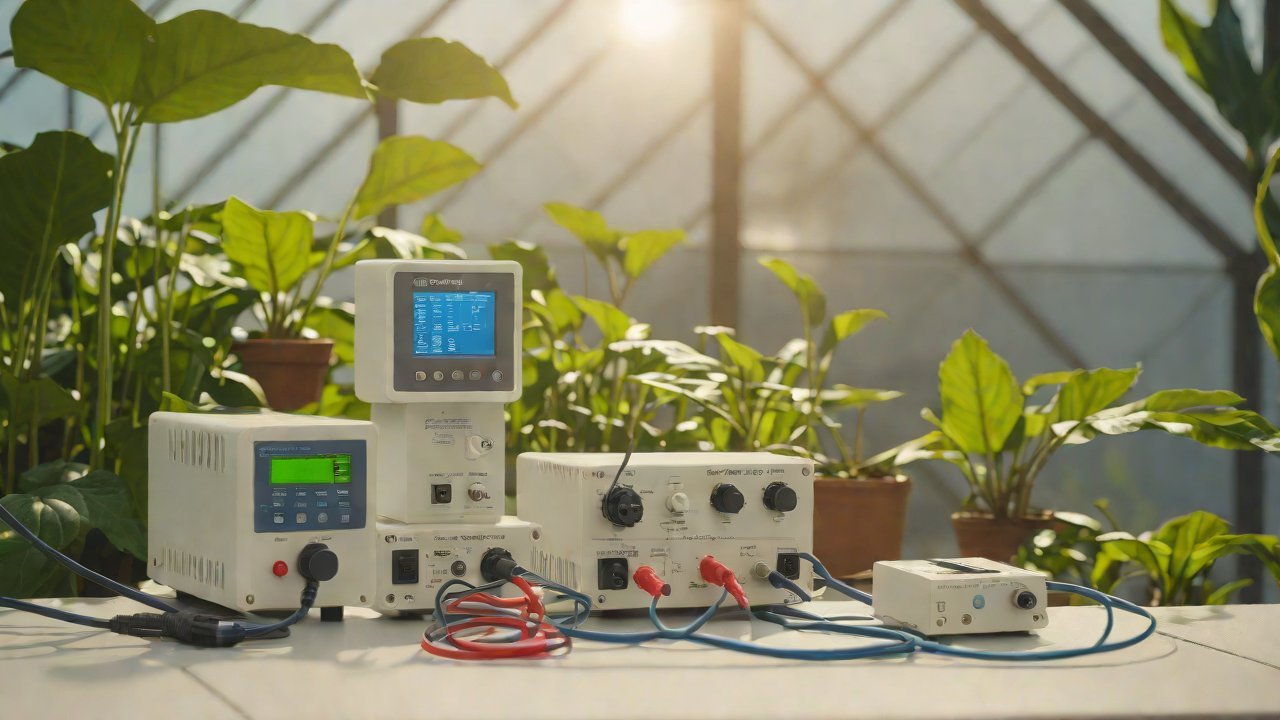
4. Market Data and AIGC Technical Perspectives
According to a report by MarketsandMarkets, the global LED driver market is expected to grow from $3.4 billion in 2020 to $6.3 billion by 2025, at a Compound Annual Growth Rate (CAGR) of 11.4%. The growth of the LED driver market is driven by the increasing demand for energy-efficient lighting solutions and the need for reliable and efficient power supplies.
AIGC (Artificial Intelligence in Greenhouses) is a rapidly emerging field that focuses on the application of artificial intelligence and machine learning algorithms to optimize greenhouse operations. AIGC can be used to predict and manage the heat generated by LED driver power supplies, ensuring that the greenhouse’s heat balance sheet is accurately reflected.
Table 4: AIGC Technical Perspectives on LED Driver Power Supplies
| AIGC Algorithm | Data Sources | Accuracy | |
|---|---|---|---|
| Typical Value | 90-95% accuracy | 50-70% data accuracy | 80-90% data coverage |
| Range | 80-99% accuracy | 30-90% data accuracy | 60-99% data coverage |
5. Conclusion
In conclusion, the heat dissipation of LED driver power supplies is a critical aspect of greenhouse operations. By understanding the heat generation and dissipation mechanisms, as well as incorporating the heat balance sheet into the greenhouse’s overall heat balance, growers can optimize their operations and ensure the efficient use of resources. The market data and AIGC technical perspectives presented in this report demonstrate the growing importance of LED driver power supplies in the greenhouse industry.
IOT Cloud Platform
IOT Cloud Platform is an IoT portal established by a Chinese IoT company, focusing on technical solutions in the fields of agricultural IoT, industrial IoT, medical IoT, security IoT, military IoT, meteorological IoT, consumer IoT, automotive IoT, commercial IoT, infrastructure IoT, smart warehousing and logistics, smart home, smart city, smart healthcare, smart lighting, etc.
The IoT Cloud Platform blog is a top IoT technology stack, providing technical knowledge on IoT, robotics, artificial intelligence (generative artificial intelligence AIGC), edge computing, AR/VR, cloud computing, quantum computing, blockchain, smart surveillance cameras, drones, RFID tags, gateways, GPS, 3D printing, 4D printing, autonomous driving, etc.



