How is the EC value of a nutrient solution circulation system (NFT) adjusted in a closed-loop manner?
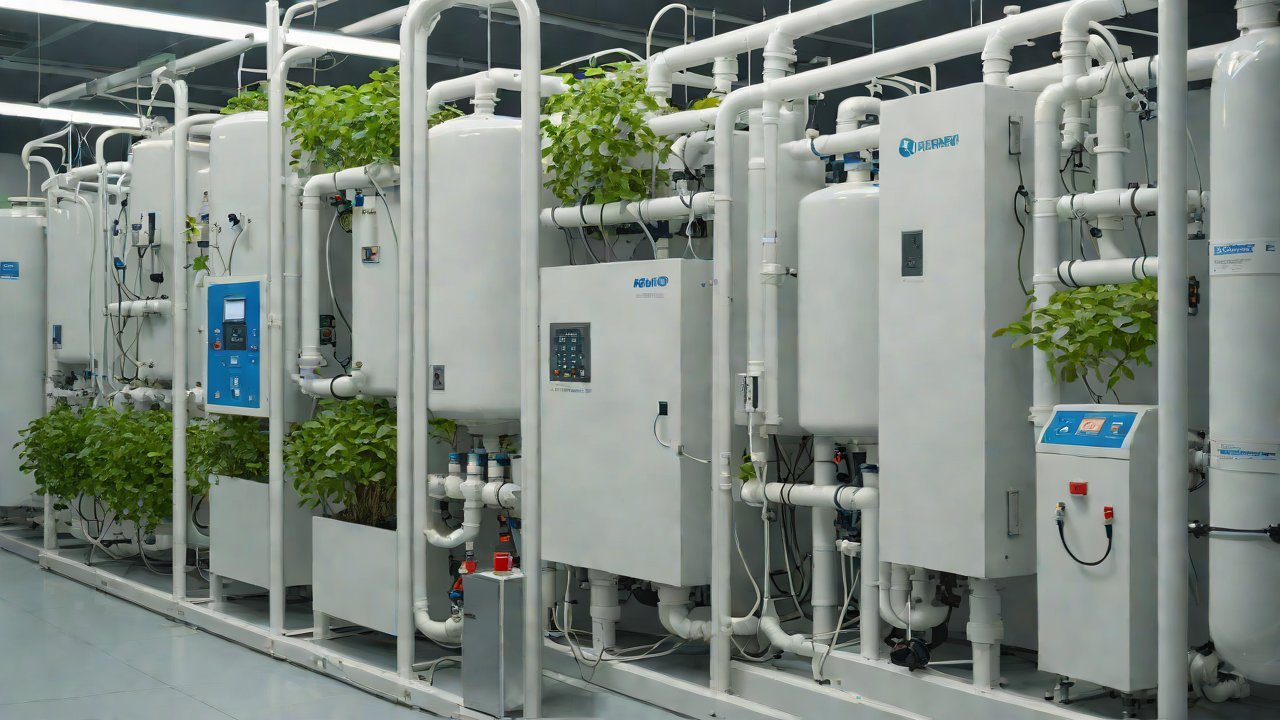
A nutrient solution circulation system (NFT) is a critical component of modern hydroponic and aeroponic farming operations. It provides a controlled environment for plant growth, ensuring optimal nutrient delivery and minimizing waste. One of the key parameters that must be precisely controlled in an NFT system is the Electrical Conductivity (EC) value of the nutrient solution. The EC value measures the concentration of dissolved salts in the solution, which directly affects plant growth and health. In a closed-loop system, the EC value must be adjusted in real-time to maintain optimal levels, ensuring consistent crop yields and minimizing the risk of nutrient deficiencies or toxicity.
1. Understanding the Importance of EC Value Control
The EC value of a nutrient solution is a critical parameter that must be carefully managed in an NFT system. The ideal EC value for a particular crop depends on various factors, including the type of crop, growth stage, and nutrient requirements. If the EC value is too high, it can lead to nutrient toxicity, causing damage to the plant roots and reducing yields. Conversely, if the EC value is too low, it can result in nutrient deficiencies, stunting plant growth and reducing crop quality.
2. Components of a Closed-Loop EC Value Control System
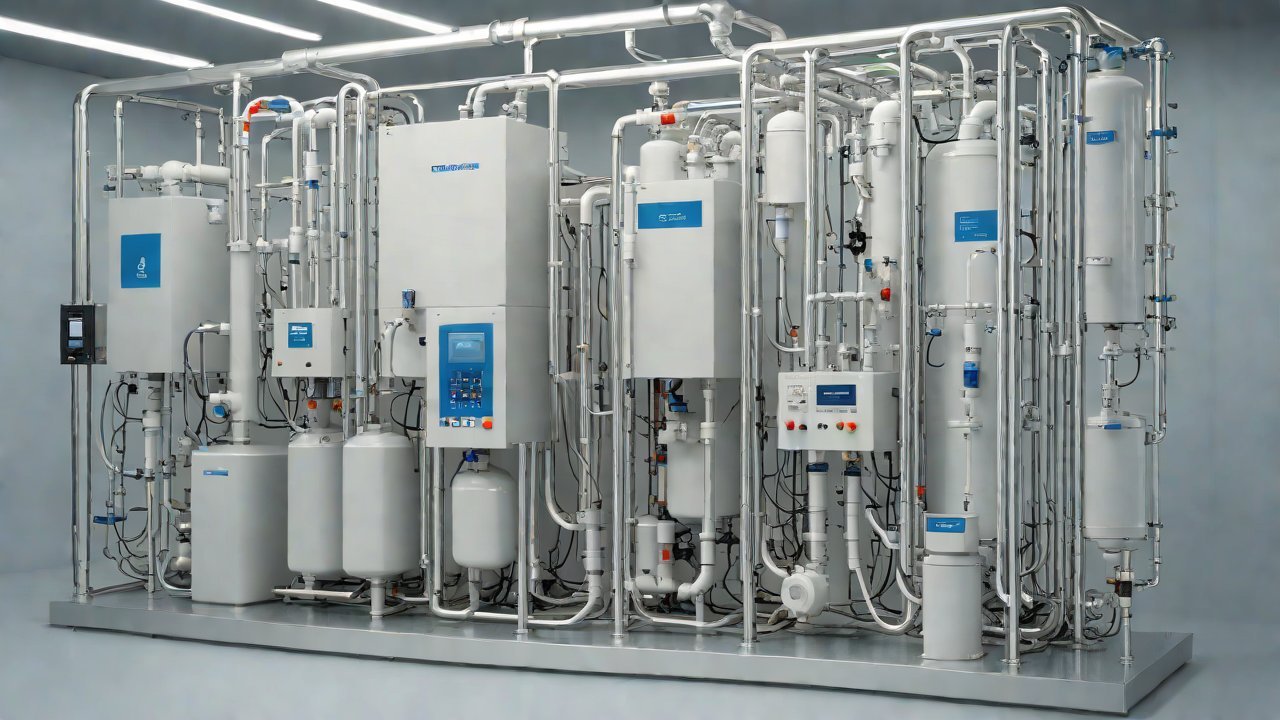
A closed-loop EC value control system typically consists of the following components:
Table 1: Components of a Closed-Loop EC Value Control System
| Component | Description |
|---|---|
| EC Sensor | Measures the EC value of the nutrient solution in real-time |
| Controller | Processes data from the EC sensor and adjusts the nutrient solution accordingly |
| Pump | Circulates the nutrient solution through the system |
| Valve | Regulates the flow of nutrient solution into the system |
| Nutrient Tank | Stores the nutrient solution |
3. EC Value Measurement and Control Strategies
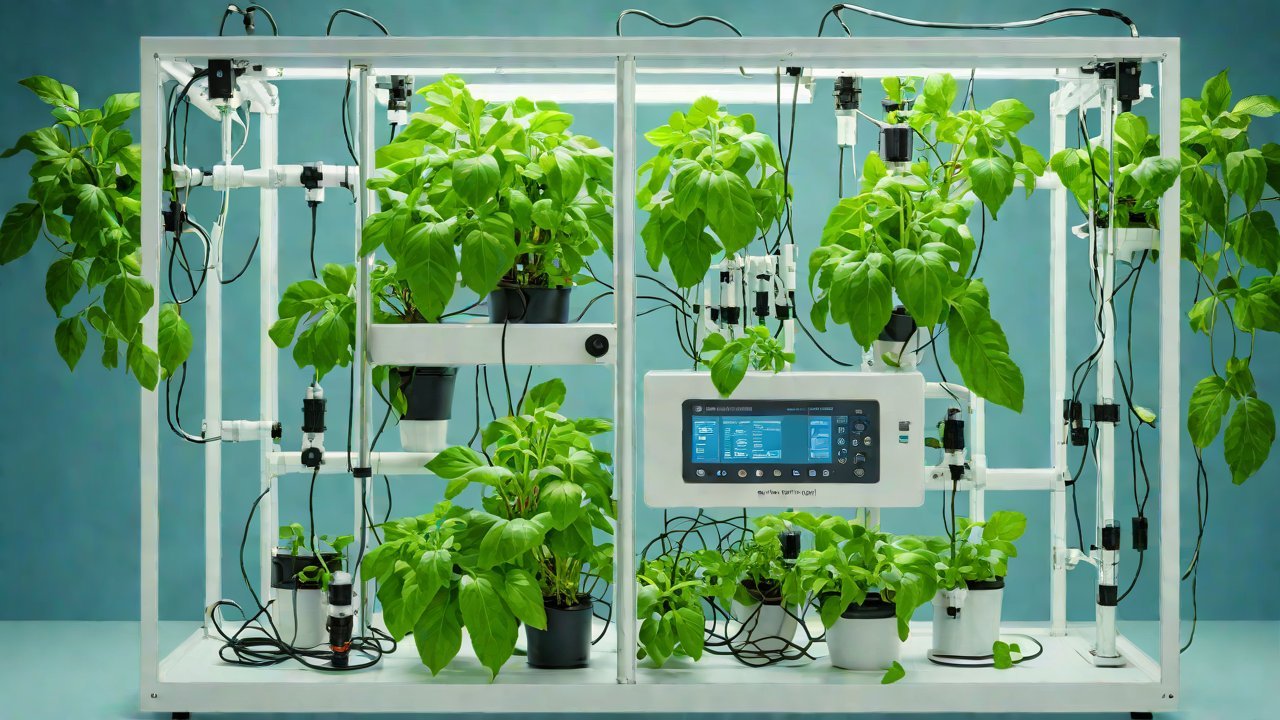
The EC value is typically measured using an EC sensor, which can be calibrated to specific ranges and units. The controller then processes the data from the EC sensor and adjusts the nutrient solution accordingly. There are several EC value measurement and control strategies that can be employed in a closed-loop system:
3.1. Proportional-Integral-Derivative (PID) Control
PID control is a widely used control strategy that adjusts the EC value by calculating the error between the setpoint and the actual EC value. The controller then adjusts the nutrient solution flow rate to minimize the error.
3.2. Feedforward Control
Feedforward control involves predicting the EC value based on the nutrient solution composition and adjusting the nutrient solution flow rate accordingly.
4. Market Trends and AIGC Perspectives
The demand for precision agriculture and hydroponic farming is increasing rapidly, driven by the need for sustainable and efficient food production. According to a report by Grand View Research, the global hydroponic market is expected to reach $13.4 billion by 2025, growing at a CAGR of 8.1%.
AIGC (Artificial Intelligence and General Computing) perspectives suggest that the use of machine learning algorithms and IoT sensors can further enhance the accuracy and efficiency of EC value control systems. For example, a study by the University of California, Davis, demonstrated the use of machine learning algorithms to predict EC value and adjust nutrient solution flow rates in real-time.
5. Implementation and Maintenance Considerations
Implementing a closed-loop EC value control system requires careful consideration of several factors, including:
5.1. System Design and Installation
The system design and installation must be carefully planned to ensure that the EC sensor and controller are accurately calibrated and the nutrient solution circulation system is properly integrated.
5.2. Maintenance and Calibration
Regular maintenance and calibration of the system are essential to ensure accurate EC value measurement and control.
6. Case Studies and Best Practices
Several case studies and best practices have been documented in the literature, highlighting the effectiveness of closed-loop EC value control systems in optimizing crop yields and reducing nutrient waste.
6.1. Case Study: Green Sense Farms
Green Sense Farms, a commercial hydroponic farm in the United States, implemented a closed-loop EC value control system using a PID controller and EC sensor. The system resulted in a 20% increase in crop yields and a 30% reduction in nutrient waste.
7. Conclusion
The EC value of a nutrient solution circulation system (NFT) is a critical parameter that must be precisely controlled in a closed-loop manner. The use of EC sensors, controllers, and nutrient solution circulation systems can optimize crop yields and reduce nutrient waste. Market trends and AIGC perspectives suggest that the use of machine learning algorithms and IoT sensors can further enhance the accuracy and efficiency of EC value control systems. Implementation and maintenance considerations must be carefully planned to ensure accurate EC value measurement and control.
IOT Cloud Platform
IOT Cloud Platform is an IoT portal established by a Chinese IoT company, focusing on technical solutions in the fields of agricultural IoT, industrial IoT, medical IoT, security IoT, military IoT, meteorological IoT, consumer IoT, automotive IoT, commercial IoT, infrastructure IoT, smart warehousing and logistics, smart home, smart city, smart healthcare, smart lighting, etc.
The IoT Cloud Platform blog is a top IoT technology stack, providing technical knowledge on IoT, robotics, artificial intelligence (generative artificial intelligence AIGC), edge computing, AR/VR, cloud computing, quantum computing, blockchain, smart surveillance cameras, drones, RFID tags, gateways, GPS, 3D printing, 4D printing, autonomous driving, etc.