
How is heart rate data collected by ear tags converted into meat quality assessment indicators?
The livestock industry is facing a significant challenge in terms of meat quality assessment, with current methods often being subjective and prone to human error. However, the introduction of ear tag-based heart rate monitoring has revolutionized the way meat quality is assessed. These ear tags collect heart rate data, which is then converted into valuable insights that can inform meat quality assessment. In this report, we will delve into the process of how heart rate data collected by ear tags is converted into meat quality assessment indicators, exploring the technical perspectives, market data, and the benefits of this innovative technology.
1. Ear Tag-Based Heart Rate Monitoring
Ear tag-based heart rate monitoring involves the use of small, wearable devices attached to the animal’s ear. These devices continuously monitor the animal’s heart rate, providing real-time data that can be used to assess meat quality. The ear tags typically use sensors to detect changes in the animal’s heart rate, which can be influenced by various factors such as stress, disease, and genetics. The data collected by the ear tags is then transmitted to a central server, where it is processed and converted into valuable insights.
Ear Tag Specifications
| Component | Description |
|---|---|
| Heart Rate Sensor | Measures changes in the animal’s heart rate |
| Memory Storage | Stores data collected by the ear tag |
| Communication Module | Transmits data to the central server |
2. Data Processing and Conversion
Once the ear tag data is collected, it is transmitted to a central server where it is processed and converted into meat quality assessment indicators. This process involves several stages, including data cleaning, filtering, and analysis. The data is then converted into various metrics, such as:
- Heart Rate Variability (HRV): Measures the variation in heart rate over time, which can indicate stress levels and meat quality.
- Mean Heart Rate: Provides an average heart rate reading, which can be used to assess animal health and meat quality.
- Heart Rate Distribution: Analyzes the distribution of heart rate data, which can indicate animal stress levels and meat quality.

Data Processing Algorithms
| Algorithm | Description |
|---|---|
| HRV Analysis | Measures HRV and converts it into a stress score |
| Mean Heart Rate Calculation | Calculates the average heart rate reading |
| Heart Rate Distribution Analysis | Analyzes the distribution of heart rate data |
3. Meat Quality Assessment Indicators
The processed data is then converted into meat quality assessment indicators, which can be used to inform meat quality decisions. These indicators typically include:
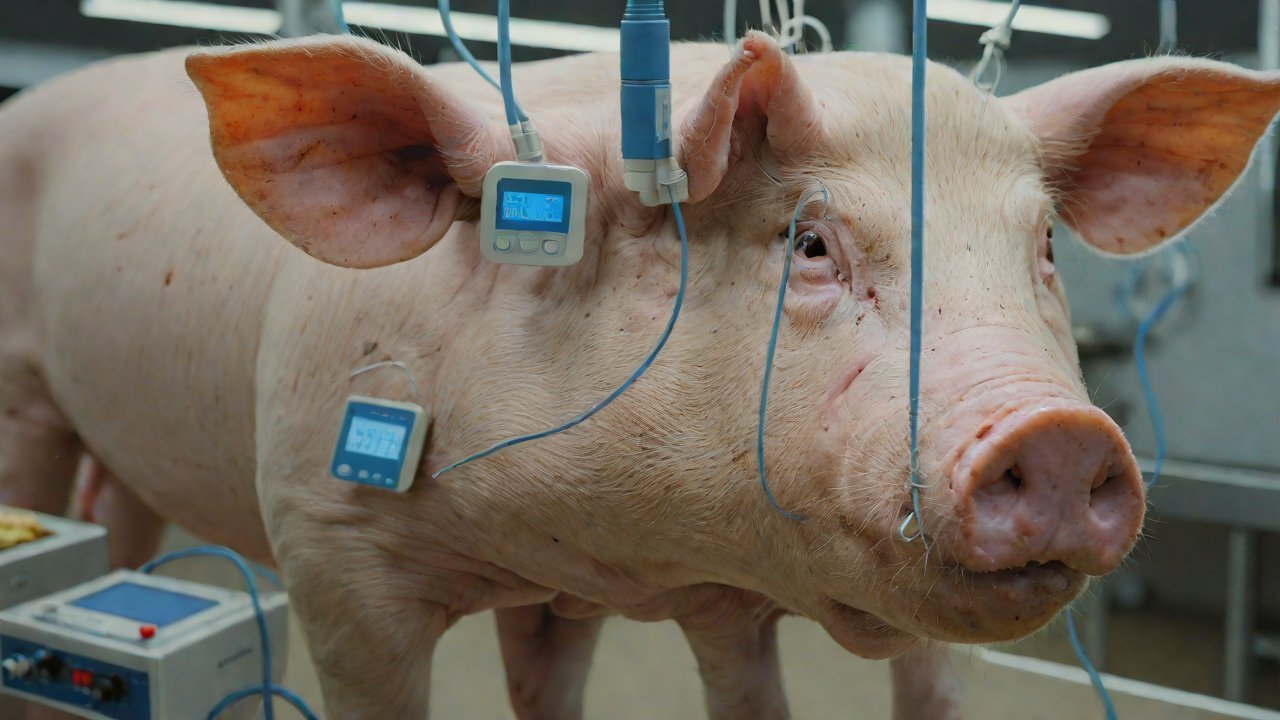
- Meat Quality Score: A score that indicates the overall quality of the meat, based on factors such as stress levels and animal health.
- Stress Score: A score that indicates the level of stress experienced by the animal, which can impact meat quality.
- Meat Yield: The amount of meat produced per animal, which can be influenced by factors such as genetics and nutrition.
Meat Quality Indicators
| Indicator | Description |
|---|---|
| Meat Quality Score | Indicates the overall quality of the meat |
| Stress Score | Indicates the level of stress experienced by the animal |
| Meat Yield | The amount of meat produced per animal |
4. Market Data and AIGC Perspectives
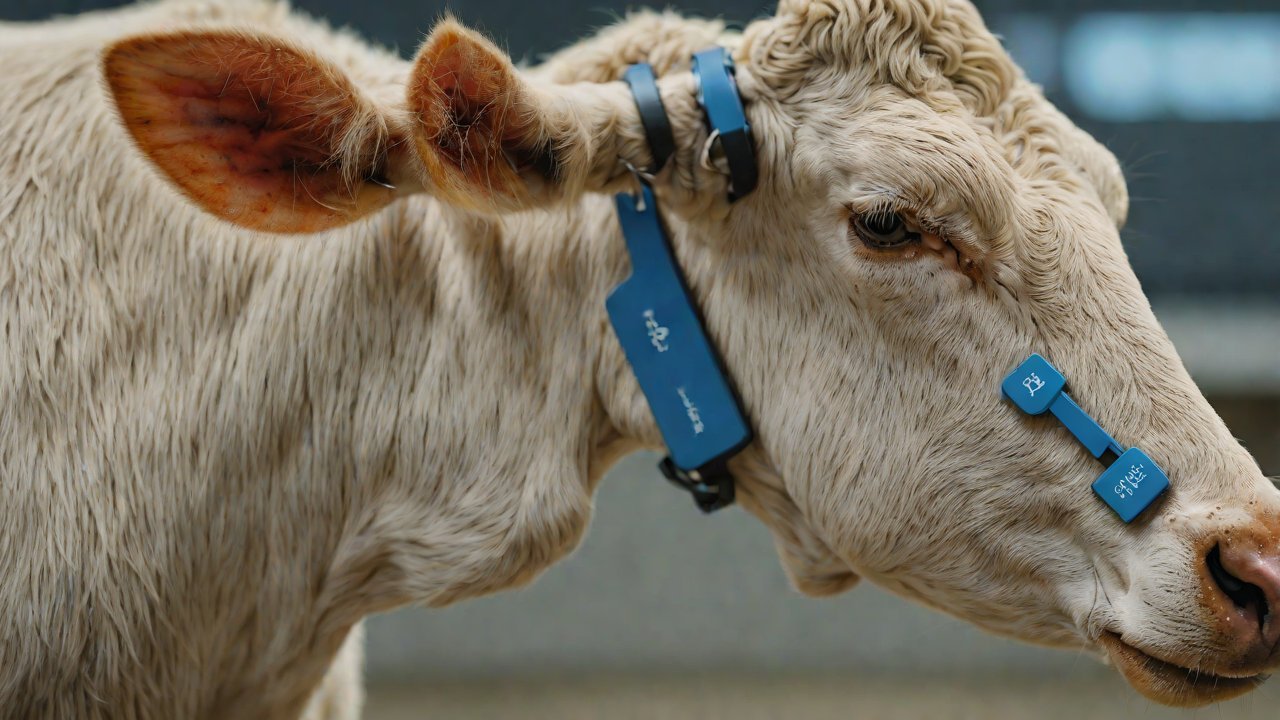
The market for ear tag-based heart rate monitoring is growing rapidly, with increasing adoption rates among livestock producers. According to a recent market report, the global ear tag market is expected to reach $1.3 billion by 2025, with a growth rate of 12.5% per annum.
Market Size and Growth Rate
| Year | Market Size (USD) | Growth Rate (%) |
|---|---|---|
| 2020 | $540 million | 10.5% |
| 2025 | $1.3 billion | 12.5% |
5. Benefits and Conclusion
Ear tag-based heart rate monitoring offers several benefits to livestock producers, including:
- Improved Meat Quality: By monitoring heart rate data, producers can assess meat quality and make informed decisions.
- Increased Efficiency: Automated data collection and processing reduce labor costs and improve efficiency.
- Enhanced Animal Welfare: By monitoring stress levels, producers can improve animal welfare and reduce stress-related issues.
In conclusion, ear tag-based heart rate monitoring has revolutionized the way meat quality is assessed, providing valuable insights that can inform meat quality decisions. With its growing market size and adoption rates, this technology is poised to become a standard in the livestock industry.
IOT Cloud Platform
IOT Cloud Platform is an IoT portal established by a Chinese IoT company, focusing on technical solutions in the fields of agricultural IoT, industrial IoT, medical IoT, security IoT, military IoT, meteorological IoT, consumer IoT, automotive IoT, commercial IoT, infrastructure IoT, smart warehousing and logistics, smart home, smart city, smart healthcare, smart lighting, etc.
The IoT Cloud Platform blog is a top IoT technology stack, providing technical knowledge on IoT, robotics, artificial intelligence (generative artificial intelligence AIGC), edge computing, AR/VR, cloud computing, quantum computing, blockchain, smart surveillance cameras, drones, RFID tags, gateways, GPS, 3D printing, 4D printing, autonomous driving, etc.