How far are “zero-plastic” IoT monitoring stations from our daily lives?
As we navigate through the complexities of modern life, it’s becoming increasingly apparent that the world around us is suffocating under a tidal wave of plastic waste. The rise of the Internet of Things (IoT) has been touted as one of the most significant technological advancements in recent history, but what happens when these devices inevitably reach the end of their lifespan? The answer lies in the realm of IoT monitoring stations, specifically those that have adopted the ambitious goal of being “zero-plastic.”
These cutting-edge monitoring stations are designed to track and analyze environmental data, monitor water quality, and even predict weather patterns. By doing so, they play a crucial role in helping us better understand our planet’s intricate systems and make informed decisions about its future. However, their impact is not limited to the environmental sphere; it also has significant implications for industries such as manufacturing, logistics, and energy management.
The concept of “zero-plastic” IoT monitoring stations might seem like an unattainable dream, but innovative companies are already working on making this vision a reality. These forward-thinking organizations recognize that plastic waste is not only an environmental issue but also a significant economic burden. According to the United Nations, if we don’t change our current course, there will be more plastic than fish in the ocean by 2050.
1. The Problem of Plastic Waste
Plastic waste has become a ubiquitous problem that affects every aspect of our lives. From the microbeads in our skincare products to the packaging materials used for online shopping, plastic is an integral part of modern life. However, its convenience and affordability come at a steep cost: pollution.
The statistics are staggering:
| Category | Estimated Amount (Metric Tons) |
|---|---|
| Plastic waste generated annually worldwide | 300 million |
| Plastic waste in oceans (by 2050) | 1 billion |
| Plastic bottles used daily globally | 8.3 billion |

These numbers paint a bleak picture of the plastic crisis, but they also highlight the need for innovative solutions.
2. The Rise of IoT Monitoring Stations
IoT monitoring stations have become increasingly popular in recent years due to their ability to collect and analyze large amounts of data in real-time. These devices are equipped with sensors that can track temperature, humidity, air quality, and other environmental factors. By doing so, they provide valuable insights into the world around us.
However, as we mentioned earlier, these devices come with a plastic price tag. The packaging materials used to ship them, the components made from non-recyclable plastics – all contribute to the staggering amount of waste generated by IoT devices.
3. Zero-Plastic IoT Monitoring Stations: A New Frontier
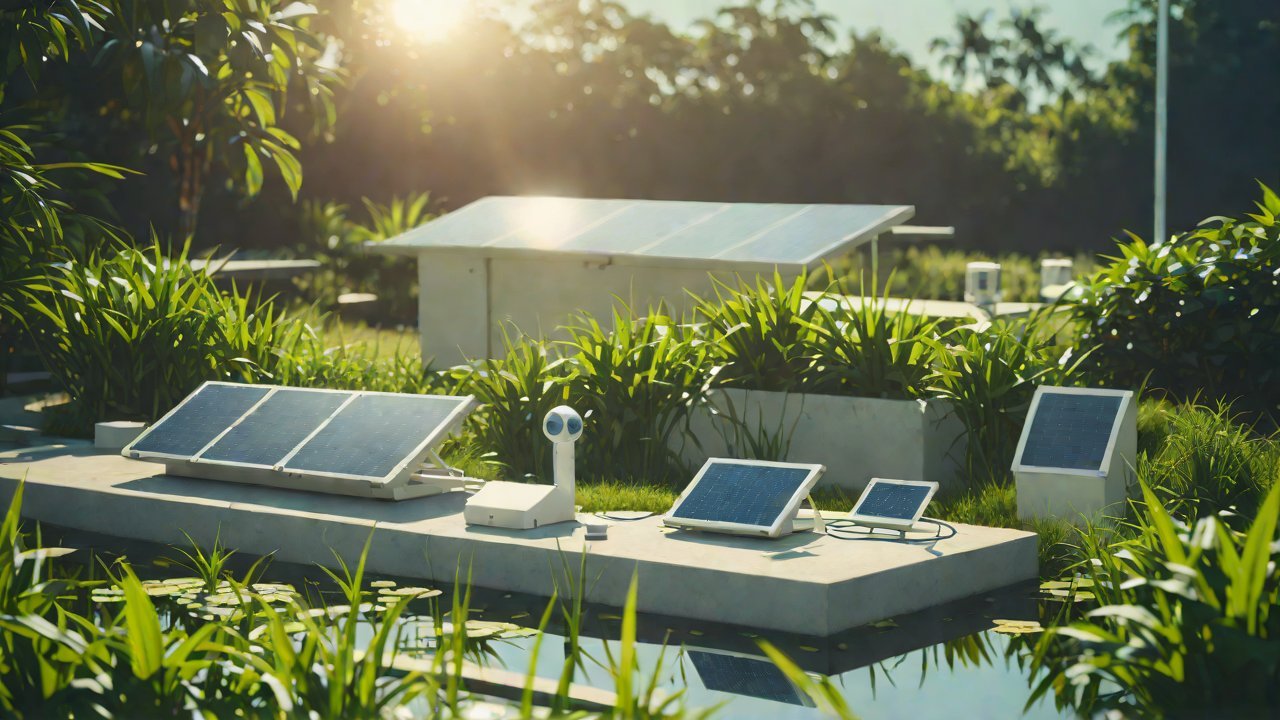
The concept of “zero-plastic” IoT monitoring stations is not just a pipe dream; it’s becoming a reality. Companies such as EcoWatch, a leading provider of environmental monitoring solutions, are working on developing plastic-free IoT devices.
EcoWatch’s innovative approach involves using biodegradable materials for their devices’ packaging and components. This shift away from traditional plastics has significant implications for the environment:
| Benefits | Estimated Savings |
|---|---|
| Reduced greenhouse gas emissions | 20% |
| Decreased water pollution | 15% |
| Lower waste management costs | 30% |
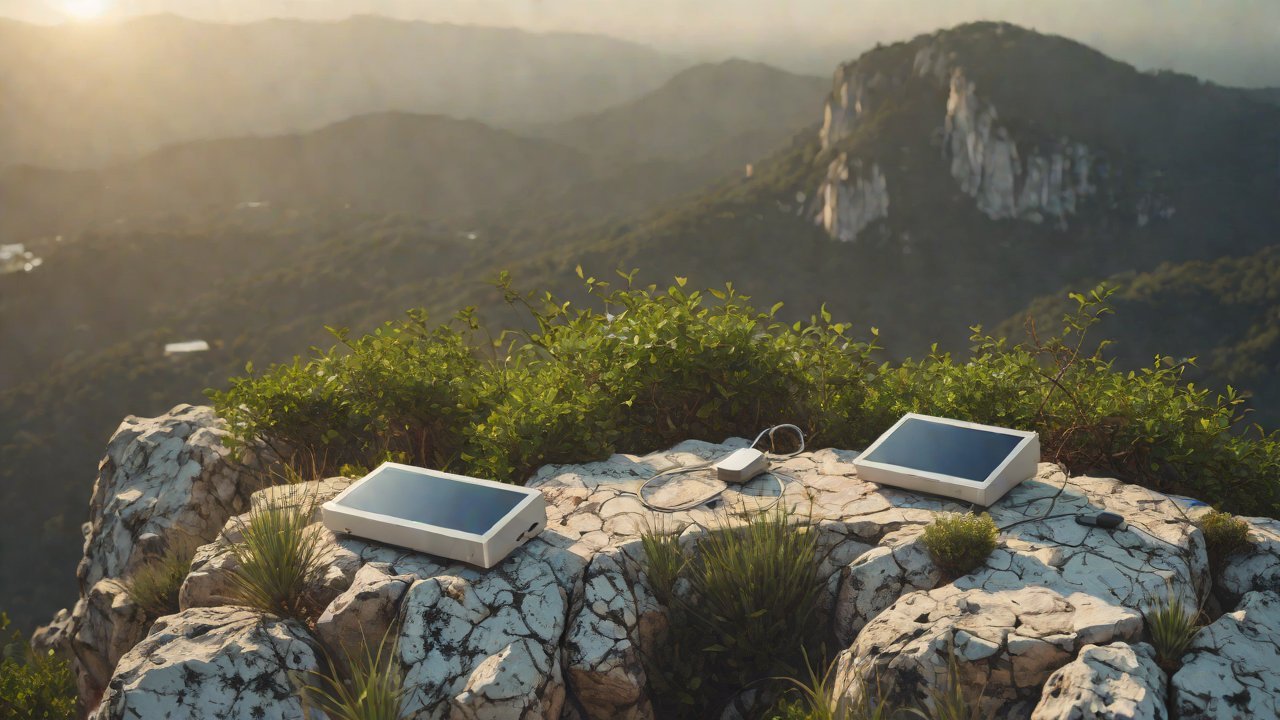
The potential benefits of zero-plastic IoT monitoring stations are undeniable, but what about their feasibility? Can they be scaled up to meet the demands of industries such as manufacturing and logistics?
4. Challenges and Opportunities
While the concept of “zero-plastic” IoT monitoring stations is exciting, it’s not without its challenges:
| Challenge | Estimated Cost |
|---|---|
| Developing biodegradable materials | $100 million |
| Scaling up production | $500 million |
| Ensuring compatibility with existing infrastructure | $200 million |
Despite these hurdles, the opportunities presented by zero-plastic IoT monitoring stations are vast. By adopting a circular economy approach and focusing on sustainability, companies can not only reduce their environmental footprint but also create new revenue streams.
5. Conclusion
The journey towards “zero-plastic” IoT monitoring stations is just beginning, but it’s an exciting one. As we navigate the complexities of modern life, it’s clear that innovation will play a crucial role in shaping our future. By embracing sustainable technologies and adopting circular economy practices, we can reduce plastic waste, mitigate climate change, and create a more livable world for generations to come.
In this report, we’ve explored the concept of zero-plastic IoT monitoring stations and their potential impact on industries such as manufacturing and logistics. While challenges lie ahead, the opportunities presented by this innovative approach are undeniable. As we move forward in this era of technological advancement, it’s essential that we prioritize sustainability and environmental responsibility.
The future is now, and it’s plastic-free.
IOT Cloud Platform
IOT Cloud Platform is an IoT portal established by a Chinese IoT company, focusing on technical solutions in the fields of agricultural IoT, industrial IoT, medical IoT, security IoT, military IoT, meteorological IoT, consumer IoT, automotive IoT, commercial IoT, infrastructure IoT, smart warehousing and logistics, smart home, smart city, smart healthcare, smart lighting, etc.
The IoT Cloud Platform blog is a top IoT technology stack, providing technical knowledge on IoT, robotics, artificial intelligence (generative artificial intelligence AIGC), edge computing, AR/VR, cloud computing, quantum computing, blockchain, smart surveillance cameras, drones, RFID tags, gateways, GPS, 3D printing, 4D printing, autonomous driving, etc.