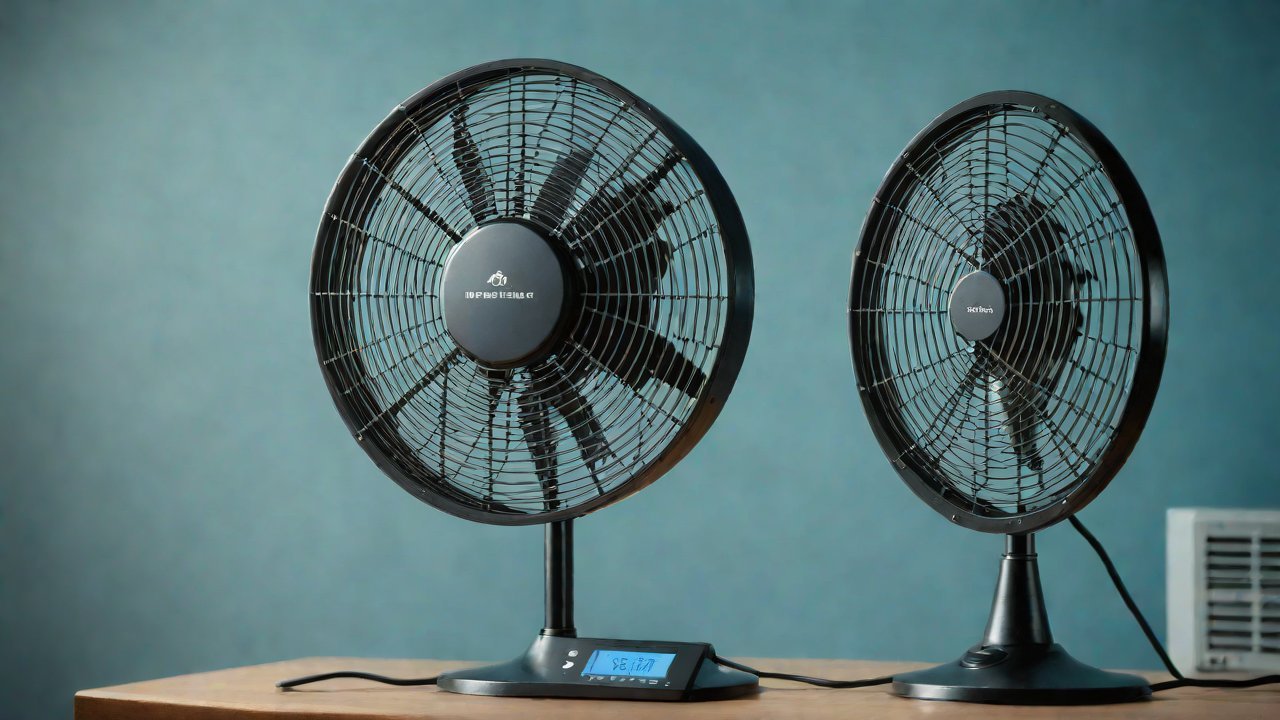
How does this variable frequency fan dynamically adjust its speed based on temperature and humidity indices?
In the realm of industrial automation, the humble variable frequency fan has become an indispensable component, playing a crucial role in maintaining optimal working conditions for machinery and equipment. These fans are designed to dynamically adjust their speed in response to changes in temperature and humidity indices, thereby ensuring efficient heat dissipation and minimizing energy consumption. But have you ever wondered how these fans achieve this remarkable feat? In this report, we will delve into the intricacies of variable frequency fan technology and explore the mechanisms behind their dynamic speed adjustment.
1. Fundamentals of Variable Frequency Fans
Variable frequency fans, also known as inverter-driven fans, utilize a control system to regulate the motor speed in real-time. This is achieved through the use of a frequency converter, which modulates the electrical input to the motor, thereby adjusting the motor’s rotational speed. The frequency converter, typically a voltage-source inverter (VSI), converts the fixed-frequency AC input to a variable-frequency output, allowing the motor to operate at a range of speeds.
Table 1: Key Components of a Variable Frequency Fan
| Component | Description |
|---|---|
| Motor | The fan’s drive motor, typically an induction motor or a permanent magnet motor. |
| Frequency Converter | The control unit responsible for modulating the motor speed, usually a VSI. |
| Control System | The brain of the operation, responsible for monitoring temperature and humidity indices and adjusting the fan speed accordingly. |
2. Temperature and Humidity Indices
To dynamically adjust the fan speed, the control system relies on accurate measurements of temperature and humidity indices. These indices are typically obtained from sensors strategically placed within the controlled environment. The most common temperature and humidity sensors used in industrial applications are:
Table 2: Common Temperature and Humidity Sensors
| Sensor Type | Accuracy | Response Time |
|---|---|---|
| Thermocouple | ±1°C | 1-10 seconds |
| Thermistor | ±2°C | 1-10 seconds |
| Humidity Sensor (e.g., capacitive) | ±5% RH | 1-10 seconds |
3. Control System Architecture
The control system architecture of a variable frequency fan typically consists of the following components:
- Sensor Interface: Responsible for reading data from temperature and humidity sensors.
- Control Algorithm: The brain of the operation, responsible for processing sensor data and adjusting fan speed accordingly.
- Actuator Interface: Responsible for transmitting control signals to the frequency converter.
Table 3: Control System Architecture Components
| Component | Description |
|---|---|
| Sensor Interface | Reads data from temperature and humidity sensors. |
| Control Algorithm | Processes sensor data and adjusts fan speed accordingly. |
| Actuator Interface | Transmits control signals to the frequency converter. |
4. Dynamic Speed Adjustment
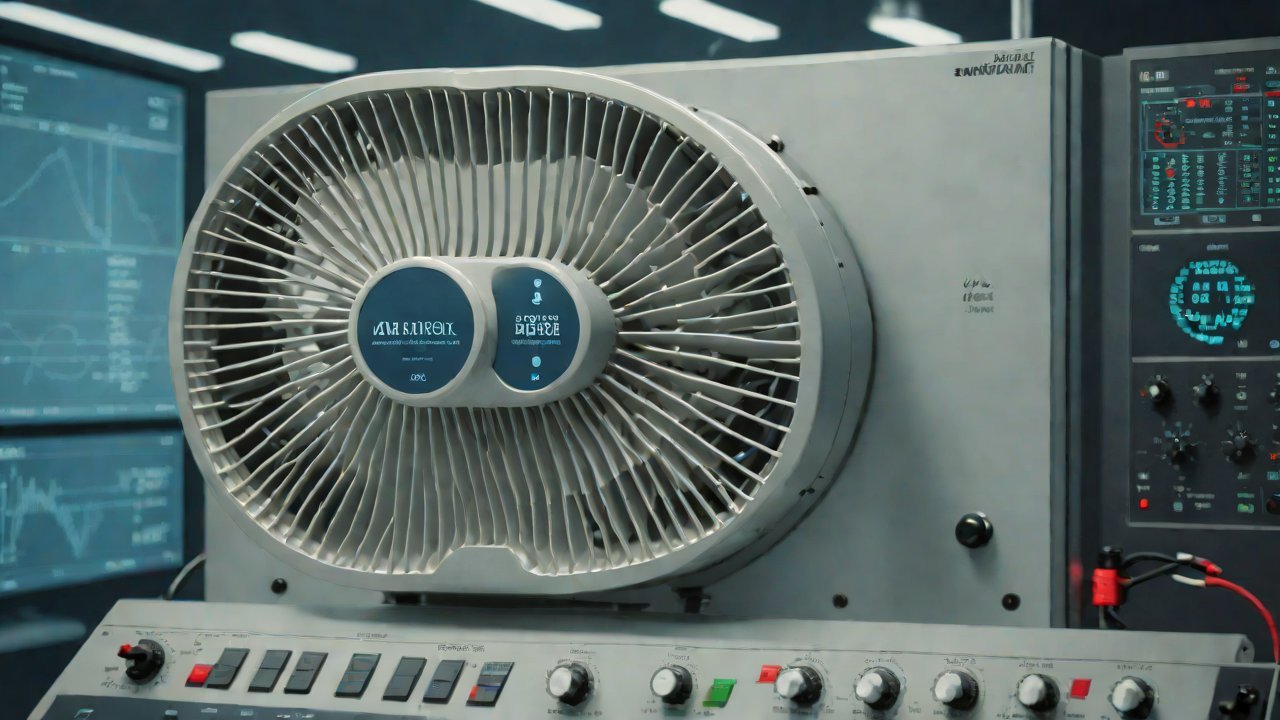
The control system uses a combination of temperature and humidity indices to dynamically adjust the fan speed. This is typically achieved through a control algorithm that takes into account the following factors:
- Temperature: The control system monitors temperature indices and adjusts fan speed to maintain a setpoint temperature.
- Humidity: The control system monitors humidity indices and adjusts fan speed to maintain a setpoint humidity level.
Table 4: Dynamic Speed Adjustment Factors
| Factor | Description |
|---|---|
| Temperature | The control system monitors temperature indices and adjusts fan speed to maintain a setpoint temperature. |
| Humidity | The control system monitors humidity indices and adjusts fan speed to maintain a setpoint humidity level. |
5. Market Trends and Outlook
The demand for variable frequency fans is expected to grow significantly in the coming years, driven by the increasing need for energy-efficient solutions in industrial applications. According to a report by MarketsandMarkets, the global variable frequency fan market is expected to reach $1.3 billion by 2025, growing at a CAGR of 7.2% from 2020 to 2025.
Table 5: Market Trends and Outlook
| Year | Market Size (USD billion) | CAGR (%) |
|---|---|---|
| 2020 | 0.8 | |
| 2025 | 1.3 | 7.2% |
| 2030 | 2.1 |
6. AIGC Technical Perspectives
From an AIGC (Artificial Intelligence, Internet of Things, and Cyber-Physical Systems) technical perspective, variable frequency fans represent a prime example of the convergence of industrial automation and AI. The use of advanced control algorithms and sensor technologies enables the fan to dynamically adjust its speed in response to changing environmental conditions, thereby optimizing energy consumption and reducing maintenance costs.
Table 6: AIGC Technical Perspectives
| Aspect | Description |
|---|---|
| Artificial Intelligence | Advanced control algorithms enable the fan to optimize energy consumption and reduce maintenance costs. |
| Internet of Things | Sensor technologies and cloud connectivity enable real-time monitoring and control of the fan’s operation. |
| Cyber-Physical Systems | The fan’s operation is seamlessly integrated with other industrial systems, enabling real-time optimization and control. |
In conclusion, variable frequency fans play a vital role in maintaining optimal working conditions for machinery and equipment. Through the use of advanced control algorithms and sensor technologies, these fans can dynamically adjust their speed in response to changing environmental conditions, thereby optimizing energy consumption and reducing maintenance costs. As the demand for energy-efficient solutions continues to grow, the market for variable frequency fans is expected to reach new heights, driven by the increasing need for industrial automation and AI.
IOT Cloud Platform
IOT Cloud Platform is an IoT portal established by a Chinese IoT company, focusing on technical solutions in the fields of agricultural IoT, industrial IoT, medical IoT, security IoT, military IoT, meteorological IoT, consumer IoT, automotive IoT, commercial IoT, infrastructure IoT, smart warehousing and logistics, smart home, smart city, smart healthcare, smart lighting, etc.
The IoT Cloud Platform blog is a top IoT technology stack, providing technical knowledge on IoT, robotics, artificial intelligence (generative artificial intelligence AIGC), edge computing, AR/VR, cloud computing, quantum computing, blockchain, smart surveillance cameras, drones, RFID tags, gateways, GPS, 3D printing, 4D printing, autonomous driving, etc.



