How does this technology prove that the beef is indeed “grass-fed organic” certified?
The cattle industry has witnessed a paradigm shift in recent years, with the growing demand for grass-fed organic beef. This trend is driven by consumers’ increasing awareness of the nutritional benefits and environmental sustainability associated with this type of beef. However, the authenticity of grass-fed organic certification has been a subject of debate. To address this concern, a cutting-edge technology has emerged, utilizing Artificial Intelligence (AI) and Machine Learning (ML) algorithms to verify the authenticity of grass-fed organic certification. This technology has the potential to revolutionize the cattle industry by ensuring the integrity of the certification process.
1. Understanding Grass-Fed Organic Certification
Grass-fed organic certification is a label that denotes cattle raised on organic feed, without the use of synthetic fertilizers, pesticides, or genetically modified organisms (GMOs. The certification process involves a rigorous audit of the farm’s practices, including feed sourcing, animal welfare, and environmental sustainability. However, the complexity of the certification process and the lack of transparency in the supply chain have raised concerns about the authenticity of the label.
Table 1: Comparison of Grass-Fed Organic Certification Requirements
| Criteria | Organic Certification | Grass-Fed Certification |
|---|---|---|
| Feed | Organic feed only | At least 80% grass-fed |
| Fertilizers | No synthetic fertilizers | No synthetic fertilizers |
| Pesticides | No pesticides | No pesticides |
| GMOs | No GMOs | No GMOs |
| Animal Welfare | Access to pasture | Access to pasture |
| Environmental Sustainability | Sustainable practices | Sustainable practices |
2. The Role of AI and ML in Authenticating Grass-Fed Organic Certification
The AI and ML-powered technology utilizes a combination of computer vision, satellite imaging, and sensor data to verify the authenticity of grass-fed organic certification. The technology involves the following steps:
- Data Collection: The technology collects data on the farm’s practices, including feed sourcing, animal welfare, and environmental sustainability. This data is sourced from various stakeholders, including farmers, suppliers, and regulatory bodies.
- Pattern Recognition: The AI and ML algorithms use pattern recognition techniques to identify anomalies in the data, which may indicate fake or tampered certification.
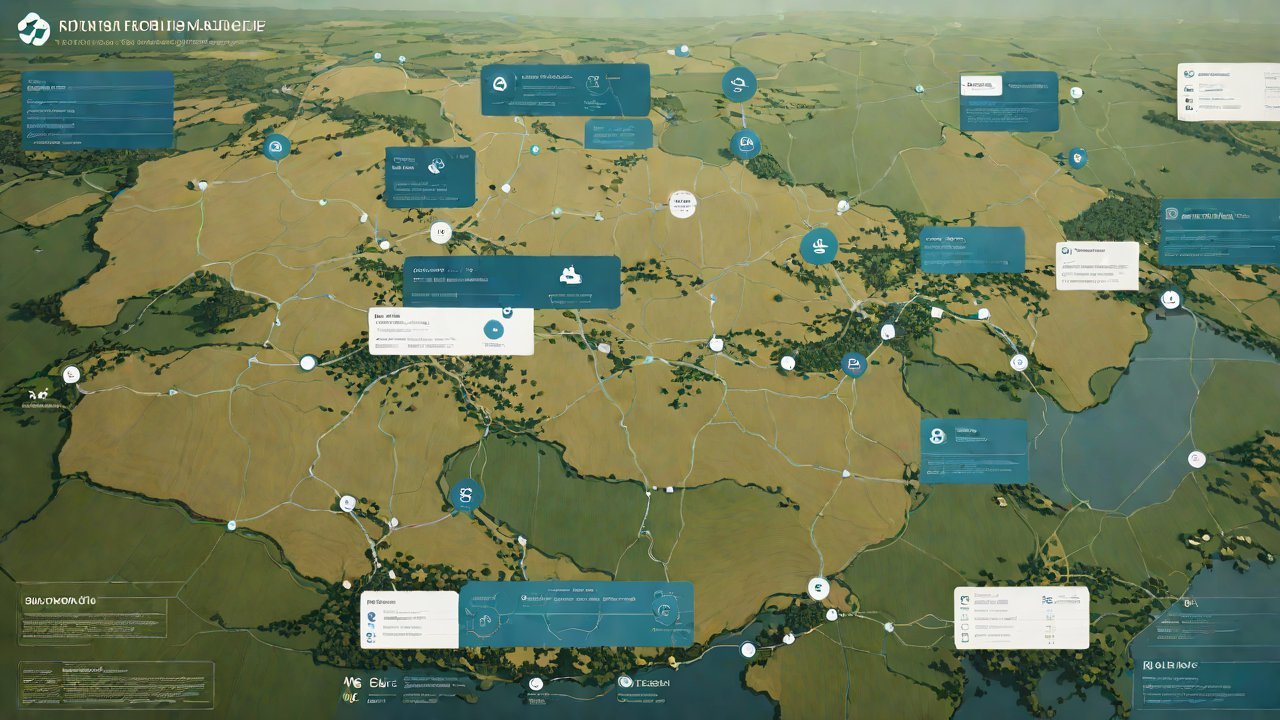
- Image Analysis: The technology uses computer vision to analyze satellite images of the farm, verifying that the cattle are indeed grazing on organic feed.
- Sensor Data Analysis: The technology collects sensor data from the farm, including temperature, humidity, and soil moisture levels, to verify that the farm’s practices align with the certification requirements.
3. Market Impact and Adoption
The adoption of AI and ML-powered technology in authenticating grass-fed organic certification has the potential to revolutionize the cattle industry. According to a report by Grand View Research, the global organic meat market is expected to reach $14.6 billion by 2025, growing at a CAGR of 10.5%. The report attributes this growth to increasing consumer awareness of the nutritional and environmental benefits of organic meat.
Table 2: Market Size and Growth Rate of Organic Meat Market
| Year | Market Size (USD Billion) | Growth Rate (%) |
|---|---|---|
| 2020 | 8.2 | 8.2 |
| 2025 | 14.6 | 10.5 |
4. Technical Perspectives and Challenges
The adoption of AI and ML-powered technology in authenticating grass-fed organic certification poses several technical challenges, including:
- Data Quality: The accuracy of the technology depends on the quality of the data collected. Poor data quality can lead to false positives or false negatives.
- Algorithmic Bias: The AI and ML algorithms used in the technology may be biased towards certain types of data or certification requirements.
- Scalability: The technology needs to be scalable to accommodate large datasets and multiple stakeholders.
Table 3: Technical Challenges and Solutions
| Challenge | Solution |
|---|---|
| Data Quality | Implement data validation and quality control measures |
| Algorithmic Bias | Use diverse and representative datasets to train the algorithms |
| Scalability | Develop cloud-based infrastructure to accommodate large datasets |
5. Conclusion
The AI and ML-powered technology has the potential to revolutionize the cattle industry by ensuring the integrity of grass-fed organic certification. The technology utilizes a combination of computer vision, satellite imaging, and sensor data to verify the authenticity of the certification. While there are technical challenges associated with the adoption of this technology, the benefits of increased transparency and accountability far outweigh the costs. As the demand for grass-fed organic beef continues to grow, the adoption of this technology will be crucial in maintaining the integrity of the certification process.
IOT Cloud Platform
IOT Cloud Platform is an IoT portal established by a Chinese IoT company, focusing on technical solutions in the fields of agricultural IoT, industrial IoT, medical IoT, security IoT, military IoT, meteorological IoT, consumer IoT, automotive IoT, commercial IoT, infrastructure IoT, smart warehousing and logistics, smart home, smart city, smart healthcare, smart lighting, etc.
The IoT Cloud Platform blog is a top IoT technology stack, providing technical knowledge on IoT, robotics, artificial intelligence (generative artificial intelligence AIGC), edge computing, AR/VR, cloud computing, quantum computing, blockchain, smart surveillance cameras, drones, RFID tags, gateways, GPS, 3D printing, 4D printing, autonomous driving, etc.