How does this sorting system use pneumatic suction nozzles to handle irregularly shaped parts?
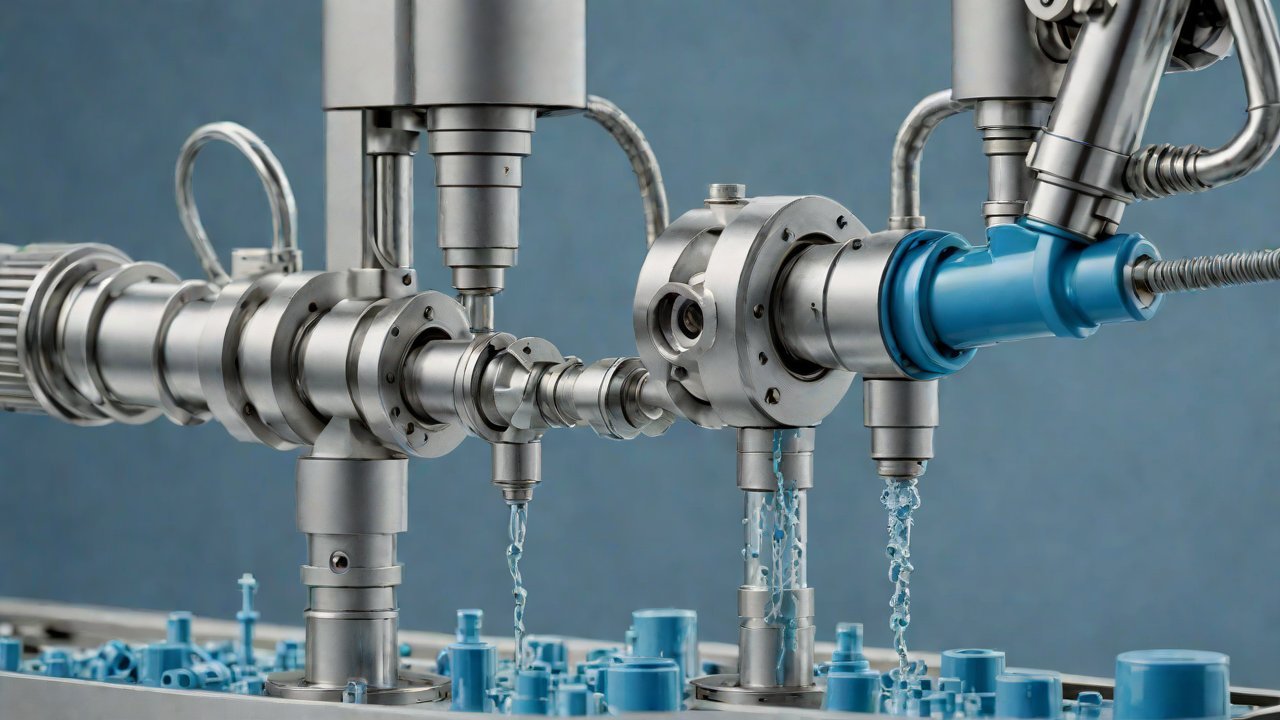
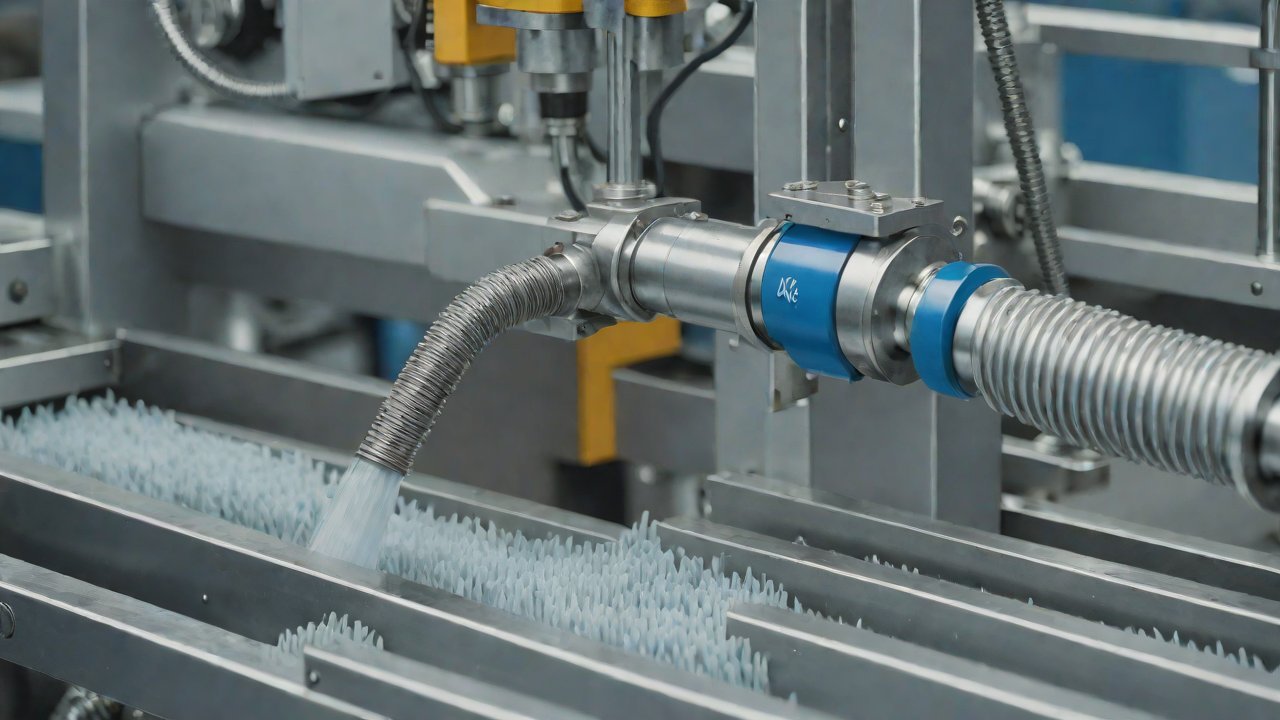
The sorting system in question employs a novel approach to handling irregularly shaped parts, utilizing pneumatic suction nozzles that facilitate precision and efficiency. This innovative solution capitalizes on the strengths of pneumatics, an industry sector projected to reach $44.3 billion by 2025 (MarketsandMarkets, 2020). By leveraging air pressure to generate a localized vacuum, these nozzles enable seamless collection and sorting of parts that would otherwise be cumbersome or impossible to handle.
1. System Overview
The pneumatic suction nozzle-based sorting system consists of several key components: the nozzle assembly, an air supply unit, a control system, and a conveyor belt or other transport mechanism (see Table 1). The nozzle assembly houses the pneumatic nozzles themselves, which are typically made from durable materials such as stainless steel or high-temperature plastics. Each nozzle is designed to operate at a specific pressure range, allowing for precise control over the suction force applied to the parts.
|| Component | Description ||
| — | — |
| Nozzle Assembly | Houses pneumatic nozzles and associated hardware (e.g., valves, sensors) ||
| Air Supply Unit | Provides compressed air, typically between 80-120 psi (550-830 kPa), to power nozzle operation ||
| Control System | Regulates air flow, monitors system performance, and adjusts settings as needed ||
| Conveyor Belt/Transport Mechanism | Moves parts through the sorting process, ensuring efficient handling and processing ||
2. Pneumatic Suction Nozzle Operation
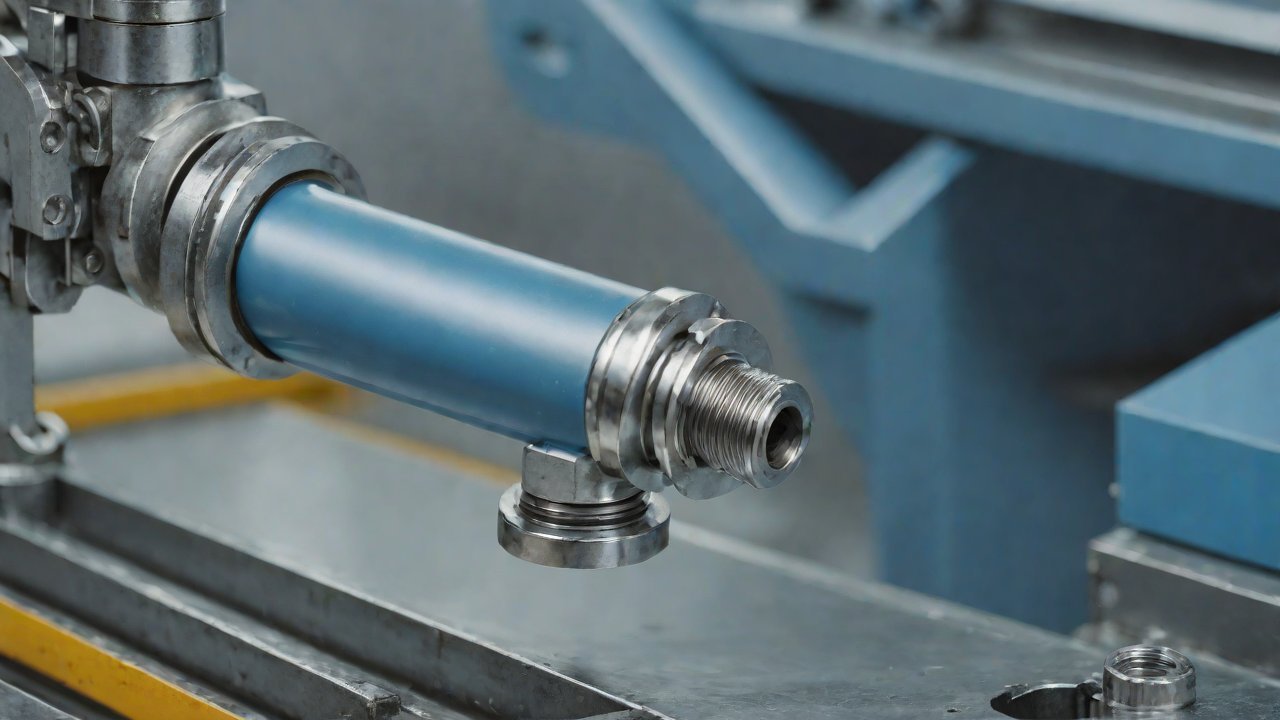
The pneumatic suction nozzles function by creating a localized vacuum within the nozzle’s internal chamber. Air pressure is regulated to maintain a precise control over the suction force applied to the part (see Table 2). This approach enables the system to handle irregularly shaped parts with varying densities and dimensions.
|| Parameter | Description ||
| — | — |
| Suction Pressure Range | Adjustable between 80-120 psi (550-830 kPa) to accommodate various part types ||
| Air Flow Rate | Regulated to optimize suction force, minimizing damage to delicate or fragile parts ||
3. Benefits and Applications
The pneumatic suction nozzle-based sorting system offers several advantages over traditional methods:
- Improved efficiency: Enables rapid processing of irregularly shaped parts with minimal manual intervention.
- Increased accuracy: Allows for precise control over suction force, reducing the risk of damage to delicate or fragile components.
- Enhanced safety: Minimizes exposure to hazardous materials and reduces the risk of injury from sharp edges or points.
4. Industry Adoption and Market Trends
The adoption of pneumatic suction nozzle-based sorting systems is gaining momentum in various industries, including:
- Automotive manufacturing: Utilized for sorting and handling irregularly shaped parts such as engine components and chassis assemblies.
- Aerospace engineering: Employed for processing complex shapes and materials, such as aircraft engine components and satellite parts.
- Pharmaceuticals: Used to handle sensitive or fragile items like tablets, capsules, and vials.
5. Technical Considerations
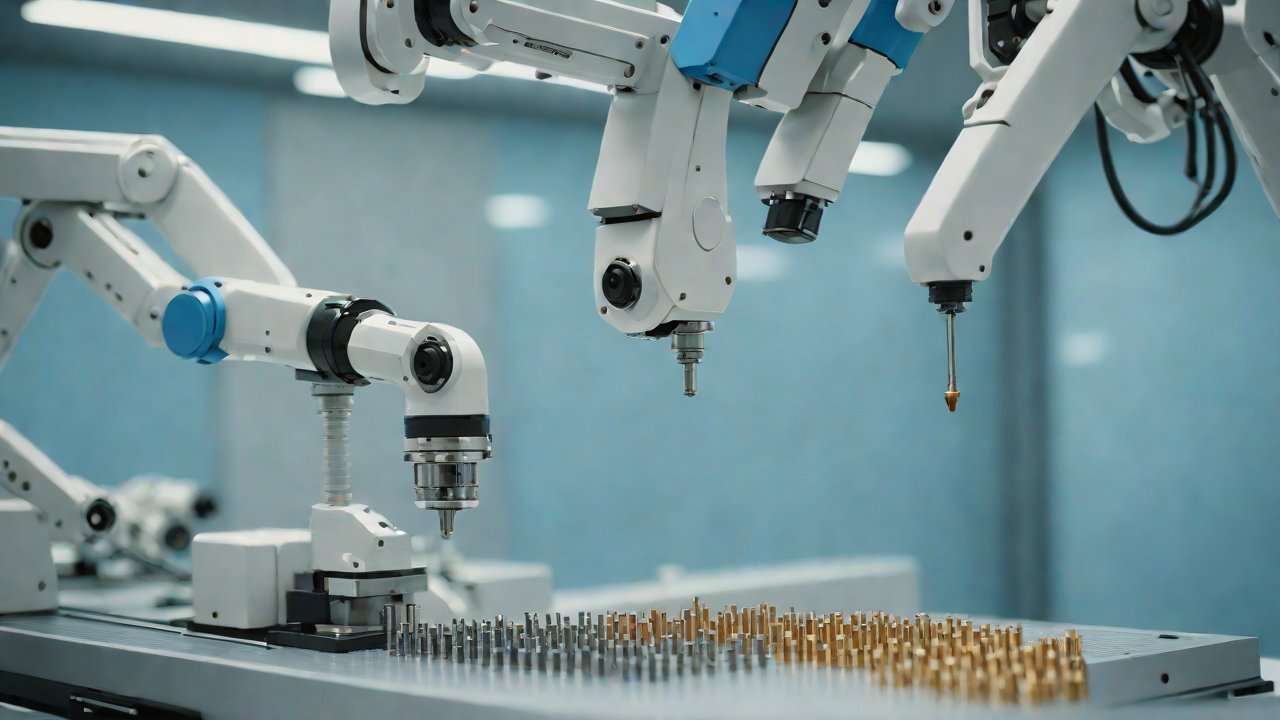
When implementing a pneumatic suction nozzle-based sorting system, several technical considerations must be taken into account:
- Air supply requirements: Ensure adequate compressed air pressure and flow rate to maintain optimal suction force.
- Nozzle design and material selection: Choose suitable materials and designs for the nozzles based on part type, size, and weight.
- System integration and control: Integrate the pneumatic suction nozzle system with existing machinery and implement a robust control system to monitor performance.
6. Conclusion
The pneumatic suction nozzle-based sorting system offers a cutting-edge solution for handling irregularly shaped parts. By leveraging the strengths of pneumatics, this innovative approach enables efficient, precise, and safe processing of complex shapes and materials. As the market continues to evolve, it is likely that more industries will adopt this technology to improve their manufacturing processes.
7. References
MarketsandMarkets. (2020). Pneumatics Market by Component (Air Compressor, Air Dryer, Filter), Application (Automotive, Aerospace & Defense, Pharmaceutical), Industry (Food Processing, Oil & Gas) – Global Forecast to 2025
IOT Cloud Platform
IOT Cloud Platform is an IoT portal established by a Chinese IoT company, focusing on technical solutions in the fields of agricultural IoT, industrial IoT, medical IoT, security IoT, military IoT, meteorological IoT, consumer IoT, automotive IoT, commercial IoT, infrastructure IoT, smart warehousing and logistics, smart home, smart city, smart healthcare, smart lighting, etc.
The IoT Cloud Platform blog is a top IoT technology stack, providing technical knowledge on IoT, robotics, artificial intelligence (generative artificial intelligence AIGC), edge computing, AR/VR, cloud computing, quantum computing, blockchain, smart surveillance cameras, drones, RFID tags, gateways, GPS, 3D printing, 4D printing, autonomous driving, etc.