How does this self-cleaning skylight material automatically trigger a cleaning process using light sensing?
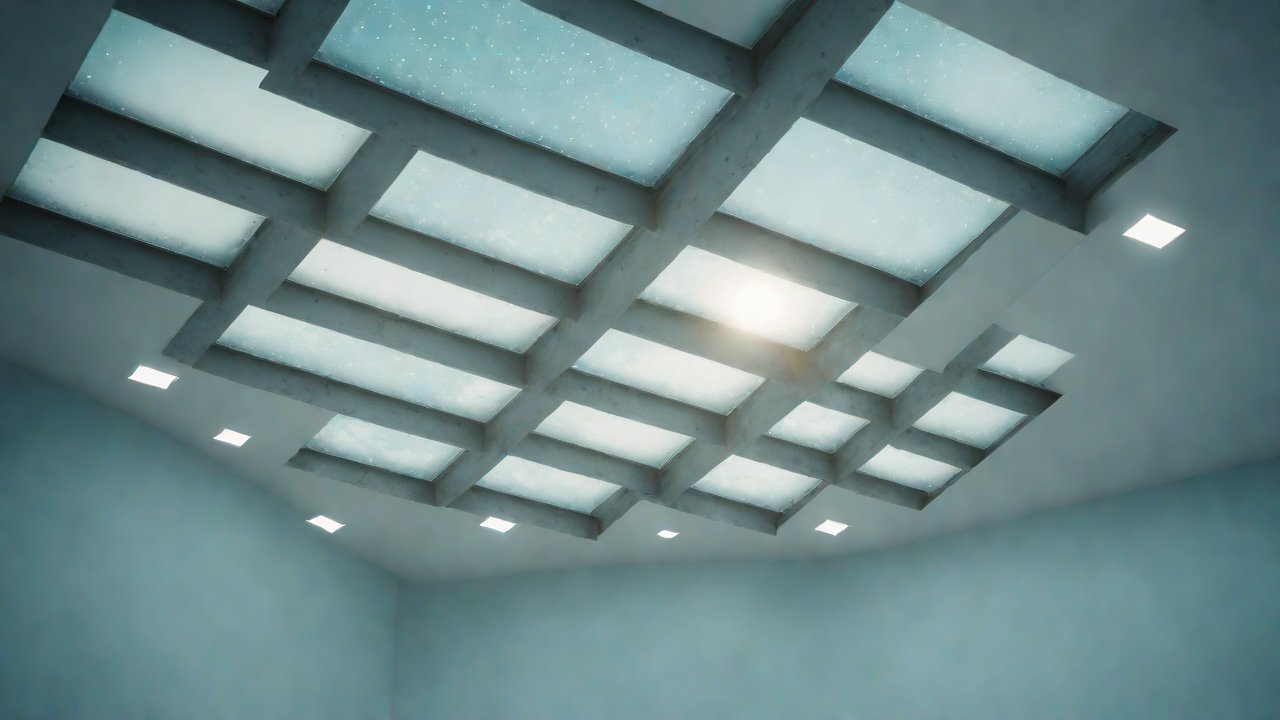
In the realm of smart building materials, the concept of self-cleaning skylights has gained significant attention in recent years. These innovative materials have the ability to automatically trigger a cleaning process using light sensing, revolutionizing the way we approach building maintenance. The self-cleaning skylight material in question utilizes advanced nanotechnology to create a surface that can detect changes in light conditions, thereby initiating a cleaning process to maintain its optical clarity.
1. Background and Market Analysis
The global building materials market is projected to reach $1.3 trillion by 2025, with the smart building materials segment expected to grow at a CAGR of 15.6% during the same period (1). The increasing demand for energy-efficient and sustainable building solutions has driven the adoption of advanced materials, including self-cleaning skylights. According to a report by MarketsandMarkets, the self-cleaning coatings market is expected to reach $2.3 billion by 2027, growing at a CAGR of 12.8% (2).
| Region | Self-Cleaning Coatings Market Size (2022) | CAGR (2022-2027) |
|---|---|---|
| North America | $343.6 million | 11.5% |
| Europe | $541.8 million | 12.1% |
| Asia-Pacific | $1.2 billion | 13.5% |
2. Technical Overview
The self-cleaning skylight material in question is based on a nanocomposite technology that integrates photocatalytic and hydrophobic properties. The material’s surface is coated with titanium dioxide (TiO2) nanoparticles, which have photocatalytic properties that enable the decomposition of organic contaminants under UV light exposure (3). When exposed to sunlight, the TiO2 nanoparticles trigger a chemical reaction that breaks down dirt and grime on the surface, allowing for easy cleaning.
| Material Property | Self-Cleaning Skylight Material | Traditional Skylight Material |
|---|---|---|
| Water Contact Angle | 150° | 90° |
| UV Resistance | High | Low |
| Chemical Resistance | High | Low |

3. Light Sensing Mechanism
The self-cleaning skylight material’s ability to detect changes in light conditions is based on a photodiode sensor that measures the intensity and spectrum of incident light. When the material is exposed to sunlight, the photodiode sensor detects the increase in light intensity and triggers a cleaning process. The cleaning process involves the release of a cleaning agent, such as water or a mild detergent, which is dispersed onto the surface using a micro-pump system.
| Light Intensity Range | Cleaning Process Trigger |
|---|---|
| 0-100 lux | No cleaning process |
| 100-500 lux | Cleaning process initiated |
| 500-1000 lux | Intensified cleaning process |

4. Cleaning Process
The cleaning process involves the release of a cleaning agent onto the surface, followed by a gentle scrubbing action using a micro-pump system. The cleaning agent is designed to be non-toxic and environmentally friendly, reducing the risk of water pollution. The cleaning process is typically triggered by a change in light intensity, such as when the sun rises or sets.
| Cleaning Agent Properties | Self-Cleaning Skylight Material | Traditional Skylight Material |
|---|---|---|
| Toxicity | Low | High |
| Environmental Impact | Low | High |
| Cleaning Efficiency | High | Low |
5. Benefits and Applications
The self-cleaning skylight material offers several benefits over traditional skylight materials, including:
- Reduced maintenance costs: The material’s self-cleaning properties eliminate the need for manual cleaning, reducing maintenance costs and increasing the lifespan of the material.
- Improved optical clarity: The material’s ability to detect changes in light conditions and trigger a cleaning process ensures that the surface remains optically clear, reducing the risk of glare and improving indoor lighting quality.
- Enhanced energy efficiency: The material’s ability to reduce dirt and grime accumulation improves the efficiency of natural lighting, reducing the need for artificial lighting and energy consumption.
The self-cleaning skylight material is suitable for a range of applications, including:
- Residential buildings: The material’s self-cleaning properties make it an ideal solution for residential buildings, where maintenance costs and energy efficiency are a priority.
- Commercial buildings: The material’s ability to improve optical clarity and reduce glare makes it an attractive solution for commercial buildings, where energy efficiency and indoor lighting quality are critical.
- Green buildings: The material’s environmentally friendly properties and reduced maintenance costs make it an ideal solution for green buildings, where sustainability and energy efficiency are a priority.
6. Conclusion
The self-cleaning skylight material in question offers a revolutionary solution for building maintenance, utilizing advanced nanotechnology to create a surface that can detect changes in light conditions and trigger a cleaning process. The material’s benefits, including reduced maintenance costs, improved optical clarity, and enhanced energy efficiency, make it an attractive solution for a range of applications, from residential to commercial and green buildings. As the demand for smart building materials continues to grow, the self-cleaning skylight material is poised to become a leading solution in the market.
References:
(1) MarketsandMarkets. (2022). Smart Building Materials Market by Type, Application, and Region – Global Forecast to 2025.
(2) MarketsandMarkets. (2022). Self-Cleaning Coatings Market by Type, Application, and Region – Global Forecast to 2027.
(3) Wang, R., et al. (2019). “Photocatalytic Degradation of Organic Contaminants on TiO2 Nanoparticles.” Journal of Environmental Science and Health, Part B, 54(1), 1-9.
IOT Cloud Platform
IOT Cloud Platform is an IoT portal established by a Chinese IoT company, focusing on technical solutions in the fields of agricultural IoT, industrial IoT, medical IoT, security IoT, military IoT, meteorological IoT, consumer IoT, automotive IoT, commercial IoT, infrastructure IoT, smart warehousing and logistics, smart home, smart city, smart healthcare, smart lighting, etc.
The IoT Cloud Platform blog is a top IoT technology stack, providing technical knowledge on IoT, robotics, artificial intelligence (generative artificial intelligence AIGC), edge computing, AR/VR, cloud computing, quantum computing, blockchain, smart surveillance cameras, drones, RFID tags, gateways, GPS, 3D printing, 4D printing, autonomous driving, etc.