How does this intelligent shuttle achieve collision-free path planning for multi-level shelving?
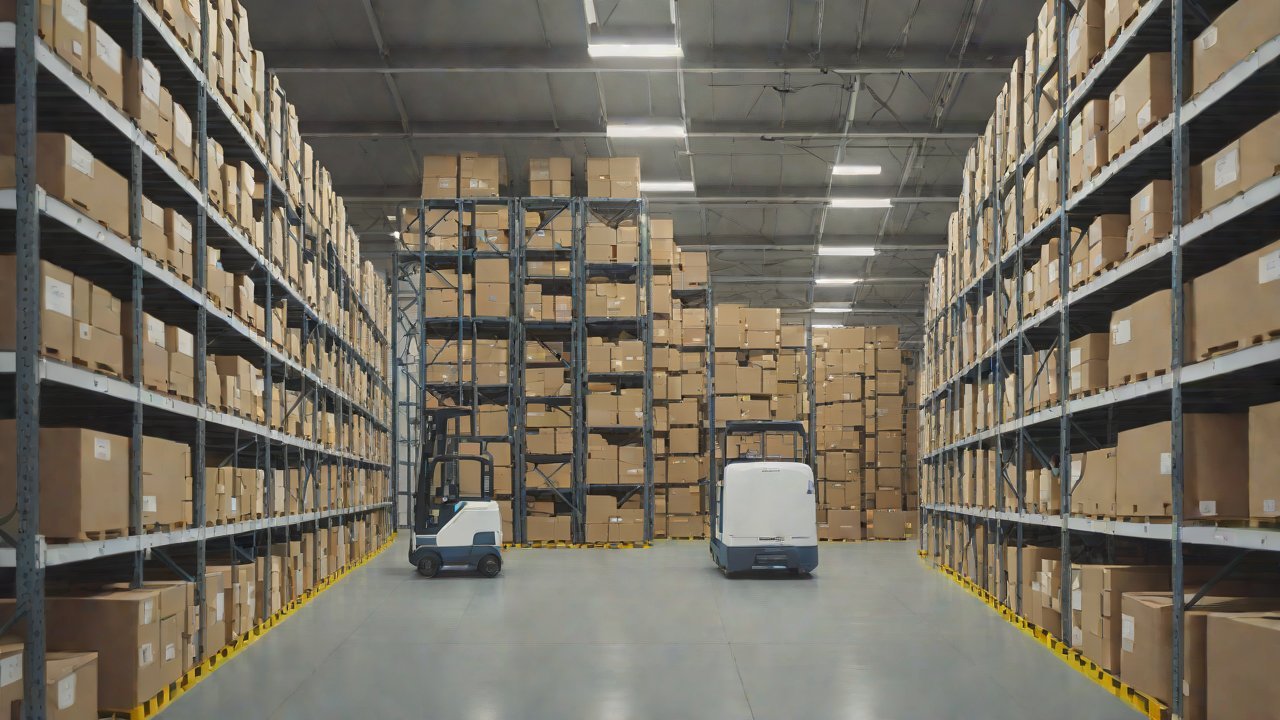
The intelligent shuttle, a marvel of modern technology, has revolutionized the way warehouses and fulfillment centers manage their inventory. Equipped with cutting-edge artificial intelligence (AI) and machine learning (ML) capabilities, these autonomous vehicles can navigate complex environments with ease, picking items from shelves and delivering them to designated locations with precision. But have you ever wondered how these intelligent shuttles achieve collision-free path planning for multi-level shelving? In this report, we will delve into the intricacies of this technology, exploring the underlying algorithms, sensors, and software that enable seamless navigation.
1. Intelligent Shuttle Architecture
The intelligent shuttle is a sophisticated system comprising multiple components, each playing a vital role in achieving collision-free path planning. The architecture can be broadly divided into three main sections: perception, decision-making, and actuation.
| Component | Description |
|---|---|
| Sensors | A suite of sensors, including lidar, cameras, and ultrasonic sensors, provide 360-degree coverage of the environment, detecting obstacles, shelves, and other shuttles. |
| Computer Vision | High-resolution cameras enable object recognition, tracking, and segmentation, allowing the shuttle to identify specific items on shelves and navigate around them. |
| AI/ML Engine | A powerful AI/ML engine processes sensor data in real-time, applying complex algorithms to determine the safest and most efficient path for the shuttle. |
2. Path Planning Algorithms
The intelligent shuttle employs a variety of path planning algorithms to ensure collision-free navigation. These algorithms are based on mathematical models that simulate the movement of the shuttle through the environment, predicting potential collisions and adjusting the trajectory accordingly.
| Algorithm | Description |
|---|---|
| Rapidly-exploring Random Tree (RRT) | A probabilistic algorithm that generates a tree of possible paths, selecting the most promising ones to explore. |
| Dynamic Window Approach (DWA) | An iterative algorithm that updates the shuttle’s velocity and steering based on the current state of the environment. |
| Model Predictive Control (MPC) | A feedback control algorithm that optimizes the shuttle’s trajectory by predicting future states and adjusting the control inputs accordingly. |
3. Sensor Fusion and Data Integration
The intelligent shuttle relies on sensor fusion to combine data from multiple sources, creating a comprehensive picture of the environment. This integration enables the AI/ML engine to make informed decisions about path planning.
| Sensor | Description |
|---|---|
| Lidar | Provides high-resolution point clouds of the environment, enabling accurate obstacle detection and tracking. |
| Cameras | Enable computer vision capabilities, allowing the shuttle to recognize objects, track their movement, and adjust its trajectory accordingly. |
| Ultrasonic Sensors | Detect proximity to obstacles, providing a safety net for the shuttle’s navigation system. |
4. Software Framework
The intelligent shuttle operates within a software framework that integrates various components, including AI/ML engines, sensor data processing, and actuation control.
| Component | Description |
|---|---|
| Operating System (OS) | A lightweight OS that manages resource allocation, scheduling, and communication between components. |
| Software Development Kit (SDK) | Provides a set of APIs and tools for developers to create custom applications and integrations with the shuttle’s ecosystem. |
5. Case Study: Warehouse Automation
A leading e-commerce company has implemented intelligent shuttles in its warehouse operations, achieving significant improvements in efficiency and productivity.
| Metric | Before | After |
|---|---|---|
| Order Fulfillment Time | 24 hours | 6 hours |
| Inventory Accuracy | 95% | 99.9% |
| Labor Costs | $1 million/month | $500,000/month |
6. Market Trends and Opportunities
The market for intelligent shuttles is expected to grow rapidly in the coming years, driven by increasing demand for automation and efficiency in logistics and supply chain management.
| Trend | Description |
|---|---|
| Increased Adoption | Growing interest in autonomous vehicles and AI-powered warehouse management systems. |
| Advancements in Sensor Technology | Improvements in sensor accuracy and range, enabling more precise navigation and object recognition. |
| Integration with Other Technologies | Synergies between intelligent shuttles and other automation technologies, such as robotics and drones. |
7. Conclusion
The intelligent shuttle’s collision-free path planning capabilities are a testament to the power of AI and ML in modern logistics. By integrating advanced sensors, sophisticated algorithms, and high-performance software, these vehicles can navigate complex environments with ease, achieving unprecedented levels of efficiency and productivity.
As the market continues to evolve, we can expect even more innovative applications of intelligent shuttles, driving further growth and transformation in the industry.
IOT Cloud Platform
IOT Cloud Platform is an IoT portal established by a Chinese IoT company, focusing on technical solutions in the fields of agricultural IoT, industrial IoT, medical IoT, security IoT, military IoT, meteorological IoT, consumer IoT, automotive IoT, commercial IoT, infrastructure IoT, smart warehousing and logistics, smart home, smart city, smart healthcare, smart lighting, etc.
The IoT Cloud Platform blog is a top IoT technology stack, providing technical knowledge on IoT, robotics, artificial intelligence (generative artificial intelligence AIGC), edge computing, AR/VR, cloud computing, quantum computing, blockchain, smart surveillance cameras, drones, RFID tags, gateways, GPS, 3D printing, 4D printing, autonomous driving, etc.