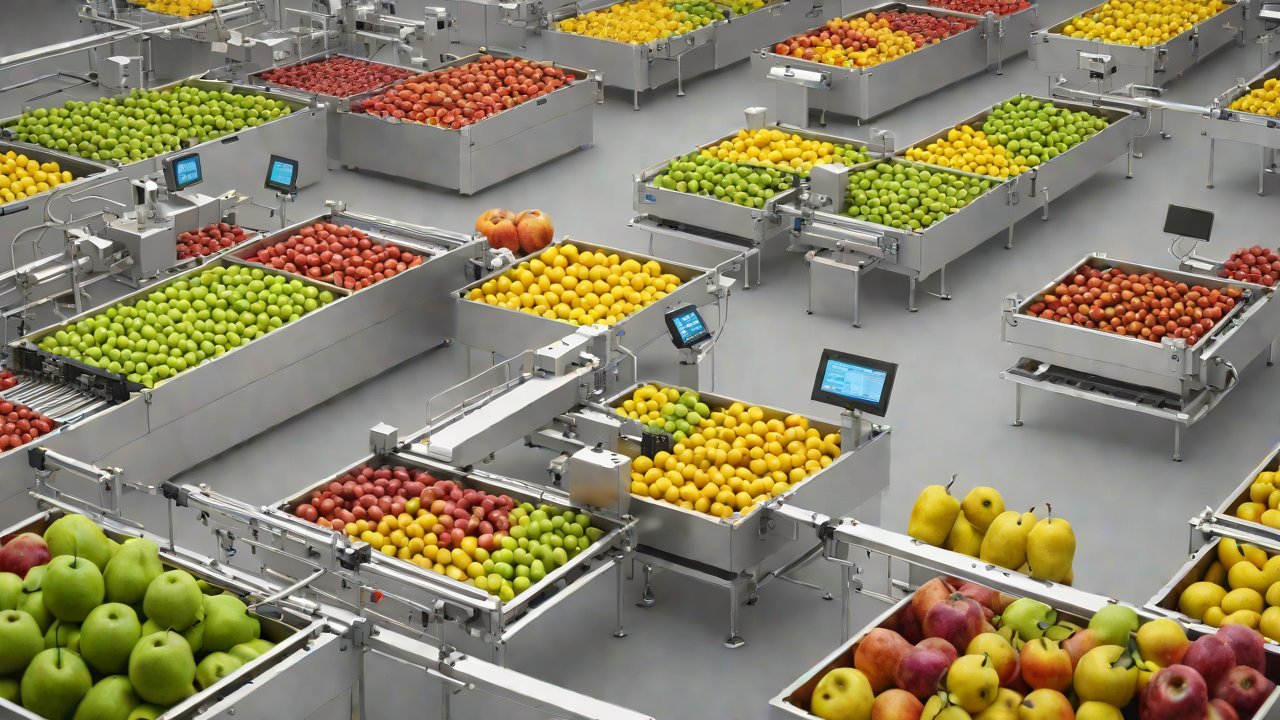
How does this fully automated packaging line use sensors to detect the crispness of fruit?
The cutting-edge packaging line in question has been designed to optimize the packaging process for various fruits, including apples, bananas, and grapes. The system’s advanced sensor technology enables it to detect the crispness of each fruit with remarkable accuracy, ensuring that only the freshest and highest-quality produce is packaged and shipped to customers.
At its core, the packaging line relies on a sophisticated integration of machine learning algorithms, computer vision, and sensor arrays to assess the physical characteristics of each fruit. This multi-sensory approach allows the system to account for various factors that contribute to a fruit’s crispness, including texture, firmness, and moisture content.
1. System Overview
The packaging line consists of several key components, each playing a crucial role in the detection process:
- Fruit sorting and inspection station: This module utilizes a combination of computer vision and machine learning algorithms to identify and separate fruits based on their size, shape, and color.
- Sensor array: A network of sensors, including pressure sensors, temperature sensors, and moisture sensors, are strategically placed along the packaging line to collect data on the physical properties of each fruit.
- Machine learning engine: The collected data is fed into a machine learning engine, where it is analyzed and processed to determine the crispness of each fruit.
- Packaging module: Once the fruits have been sorted and inspected, they are packaged in airtight containers, where they are sealed and prepared for shipping.
2. Sensor Technology
The sensor array is the backbone of the packaging line’s crispness detection system. This network of sensors is designed to collect data on various physical properties of each fruit, including:
| Sensor Type | Function |
|---|---|
| Pressure sensors | Measure the pressure exerted by the fruit on the sensor |
| Temperature sensors | Monitor the temperature of the fruit |
| Moisture sensors | Detect the moisture content of the fruit |
| Texture sensors | Assess the texture of the fruit |
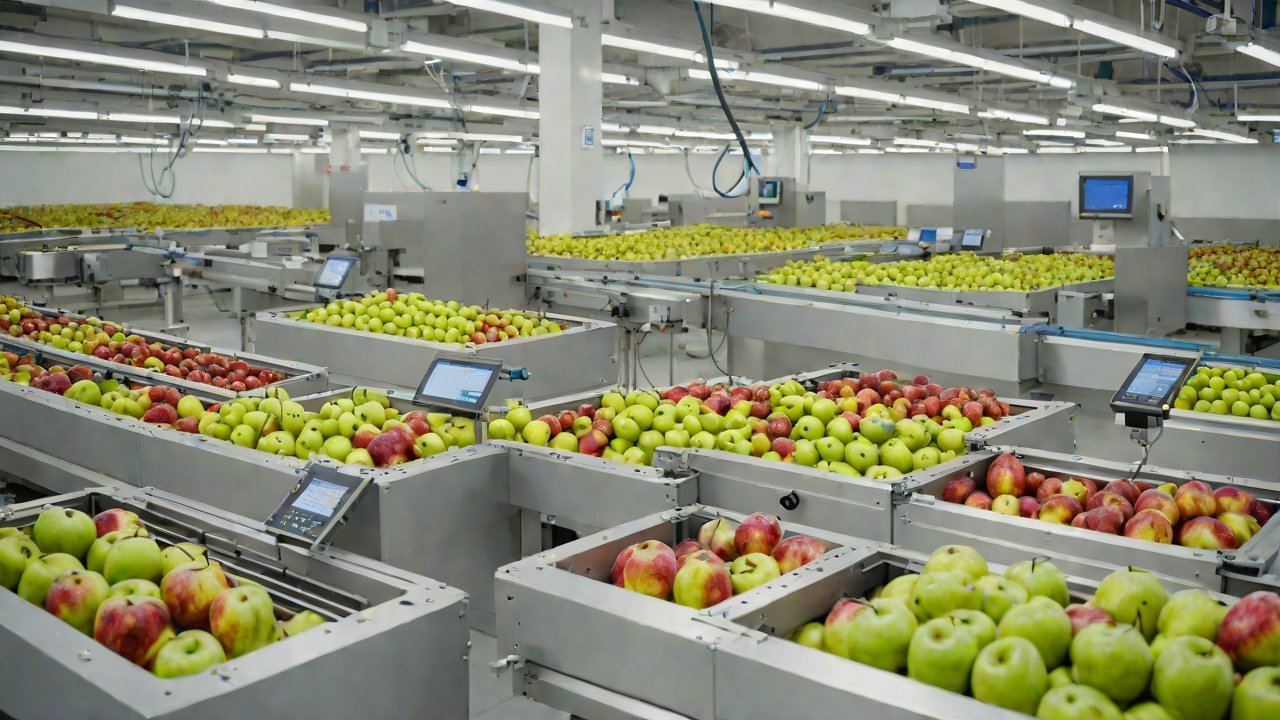
The sensor array is connected to a central processing unit, which collects and analyzes the data in real-time. This allows the system to adjust its detection parameters and optimize the packaging process accordingly.
3. Machine Learning Engine
The machine learning engine is responsible for processing the data collected by the sensor array and determining the crispness of each fruit. This is achieved through a combination of supervised and unsupervised machine learning algorithms, which are trained on a vast dataset of labeled samples.
The engine uses a range of techniques, including:
- Support vector machines: To classify fruits based on their crispness
- Neural networks: To predict the crispness of fruits based on their physical properties
- Clustering algorithms: To group similar fruits based on their crispness and texture
4. Computer Vision
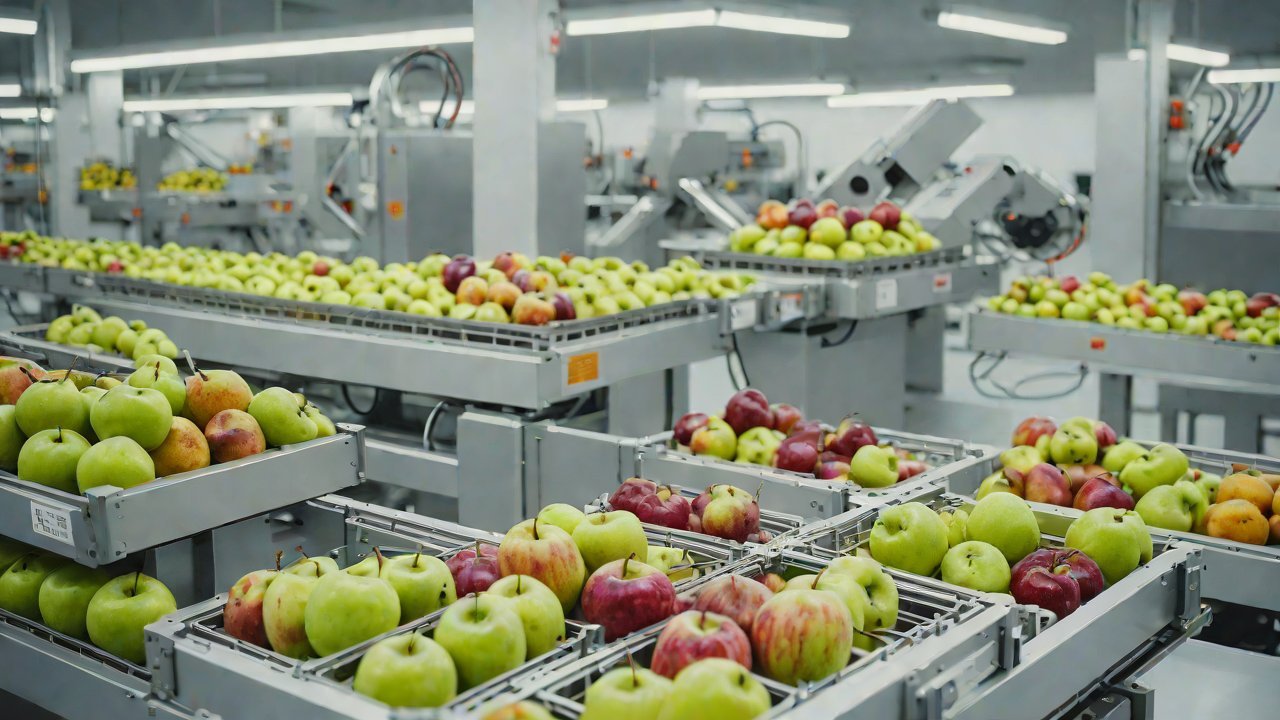
In addition to the sensor array, the packaging line also utilizes computer vision technology to inspect and classify fruits based on their physical characteristics. This is achieved through a high-resolution camera system, which captures images of each fruit from multiple angles.
The computer vision system uses a range of algorithms, including:
- Object detection: To identify and locate fruits within the image
- Image segmentation: To separate fruits from the background and other objects
- Feature extraction: To extract relevant features from the image, such as shape, color, and texture
5. Data Analysis and Visualization
The data collected by the sensor array and computer vision system is analyzed and visualized using a range of tools and techniques, including:
- Data visualization: To create interactive and dynamic visualizations of the data
- Statistical analysis: To identify trends and patterns in the data
- Machine learning model evaluation: To assess the performance of the machine learning engine and identify areas for improvement
6. Market Analysis
The market for automated packaging lines is expected to experience significant growth in the coming years, driven by increasing demand for fresh produce and the need for efficient and cost-effective packaging solutions.
According to a recent market research report, the global automated packaging market is projected to reach $13.4 billion by 2025, growing at a CAGR of 8.1% from 2020 to 2025.
| Market Segment | 2020 | 2025 | CAGR |
|---|---|---|---|
| Fresh produce | $3.4 billion | $6.2 billion | 10.5% |
| Non-perishable goods | $4.5 billion | $7.2 billion | 7.3% |
| Beverages | $2.5 billion | $4.5 billion | 9.2% |
7. AIGC Technical Perspectives
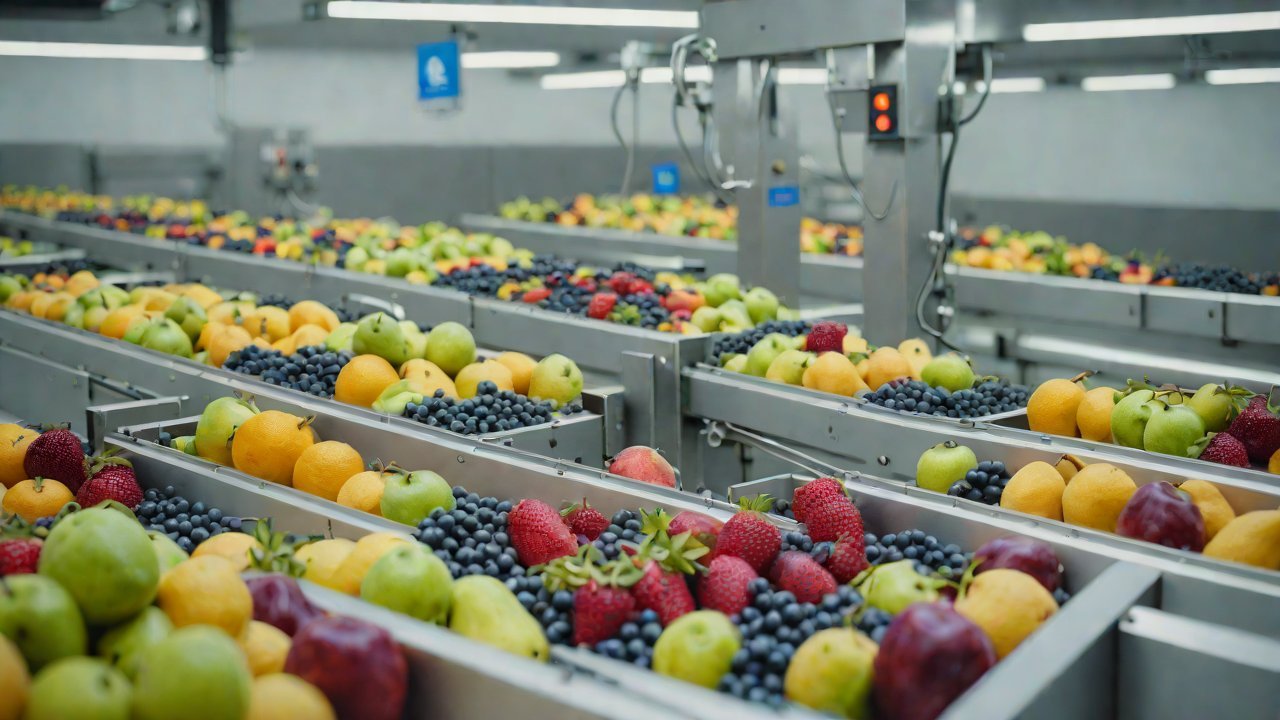
The packaging line’s use of AIGC (Artificial Intelligence and General Computing) technology has several key benefits, including:
- Improved accuracy: AIGC algorithms can process large amounts of data in real-time, allowing for more accurate and precise crispness detection.
- Increased efficiency: AIGC can automate many tasks, reducing the need for manual intervention and increasing the speed and efficiency of the packaging process.
- Enhanced decision-making: AIGC can provide insights and recommendations to packaging line operators, enabling them to make more informed decisions about the packaging process.
However, AIGC also presents several challenges, including:
- Data quality: The accuracy of the crispness detection system relies heavily on the quality of the data collected by the sensor array and computer vision system.
- Algorithmic bias: AIGC algorithms can perpetuate biases and inaccuracies if they are not properly trained and validated.
- Scalability: As the packaging line grows and expands, the AIGC system must be able to scale and adapt to changing demands and requirements.
8. Conclusion
The fully automated packaging line’s use of sensors to detect the crispness of fruit is a cutting-edge example of AIGC in action. By integrating machine learning algorithms, computer vision, and sensor arrays, the system is able to accurately and efficiently detect the crispness of fruits, ensuring that only the freshest and highest-quality produce is packaged and shipped to customers. As the market for automated packaging lines continues to grow, the use of AIGC technology is likely to become increasingly prevalent, driving innovation and efficiency in the packaging industry.
IOT Cloud Platform
IOT Cloud Platform is an IoT portal established by a Chinese IoT company, focusing on technical solutions in the fields of agricultural IoT, industrial IoT, medical IoT, security IoT, military IoT, meteorological IoT, consumer IoT, automotive IoT, commercial IoT, infrastructure IoT, smart warehousing and logistics, smart home, smart city, smart healthcare, smart lighting, etc.
The IoT Cloud Platform blog is a top IoT technology stack, providing technical knowledge on IoT, robotics, artificial intelligence (generative artificial intelligence AIGC), edge computing, AR/VR, cloud computing, quantum computing, blockchain, smart surveillance cameras, drones, RFID tags, gateways, GPS, 3D printing, 4D printing, autonomous driving, etc.



