How does this automatic tension control system ensure film production does not break?
The Automatic Tension Control System: Safeguarding Film Production from Breaks and Snags
In the high-stakes world of film manufacturing, even the slightest deviation in material tension can spell disaster. A single misstep can result in a production line halt, causing costly delays and losses for manufacturers. To mitigate these risks, an automatic tension control system has been developed to ensure seamless film production. This cutting-edge technology utilizes advanced sensors, precision engineering, and sophisticated algorithms to maintain optimal tension levels throughout the manufacturing process.
1. Understanding Film Production Breaks
Film production breaks occur when the material is subjected to excessive stress or strain, causing it to snap or tear. This can happen due to a variety of reasons such as:
- Inadequate tension control
- Insufficient material quality
- Poor equipment maintenance
- Human error
To combat these issues, manufacturers have turned to automation, leveraging advanced technologies like artificial intelligence and machine learning to monitor and regulate the production process.
2. Automatic Tension Control System Architecture
The automatic tension control system consists of several key components:
- Sensors: High-precision sensors are installed along the production line to continuously monitor material tension levels.
- Control Unit: A sophisticated control unit processes real-time data from the sensors and makes adjustments as needed.
- Actuators: Precision actuators ensure that adjustments are made smoothly and efficiently.
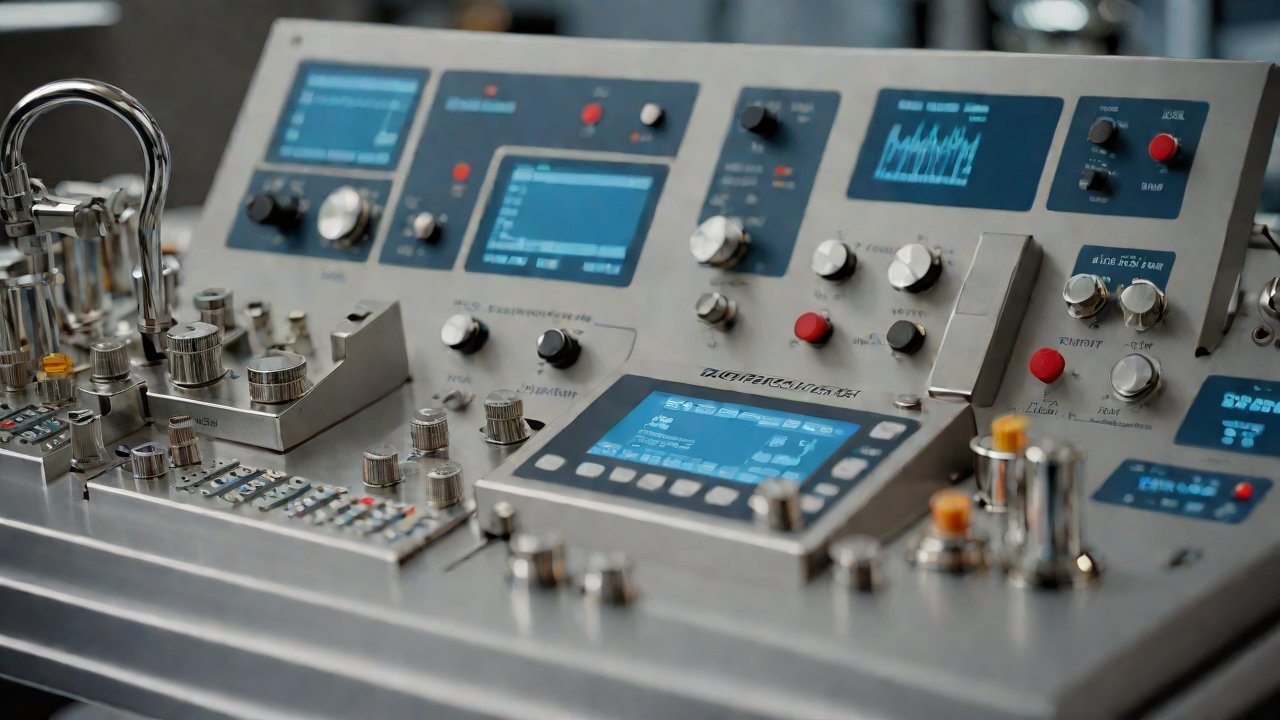
By integrating these components, manufacturers can maintain optimal tension levels throughout the production process.
3. Advanced Sensors: The Key to Accurate Tension Measurement
Advanced sensors play a crucial role in the automatic tension control system. These sensors utilize cutting-edge technologies like:
- Strain gauges: To measure material stress and strain
- Accelerometers: To detect vibrations and oscillations
- High-resolution cameras: To monitor material thickness and quality
By providing accurate real-time data, these sensors enable the control unit to make informed decisions.
4. Precision Engineering: The Heart of the Control Unit
The control unit is responsible for processing sensor data and making adjustments as needed. This sophisticated device leverages precision engineering principles to ensure:
- High-precision calculations: Advanced algorithms process real-time data with accuracy.
- Smooth actuation: Actuators adjust tension levels smoothly, preventing sudden changes.
5. Machine Learning: Predictive Maintenance and Optimization
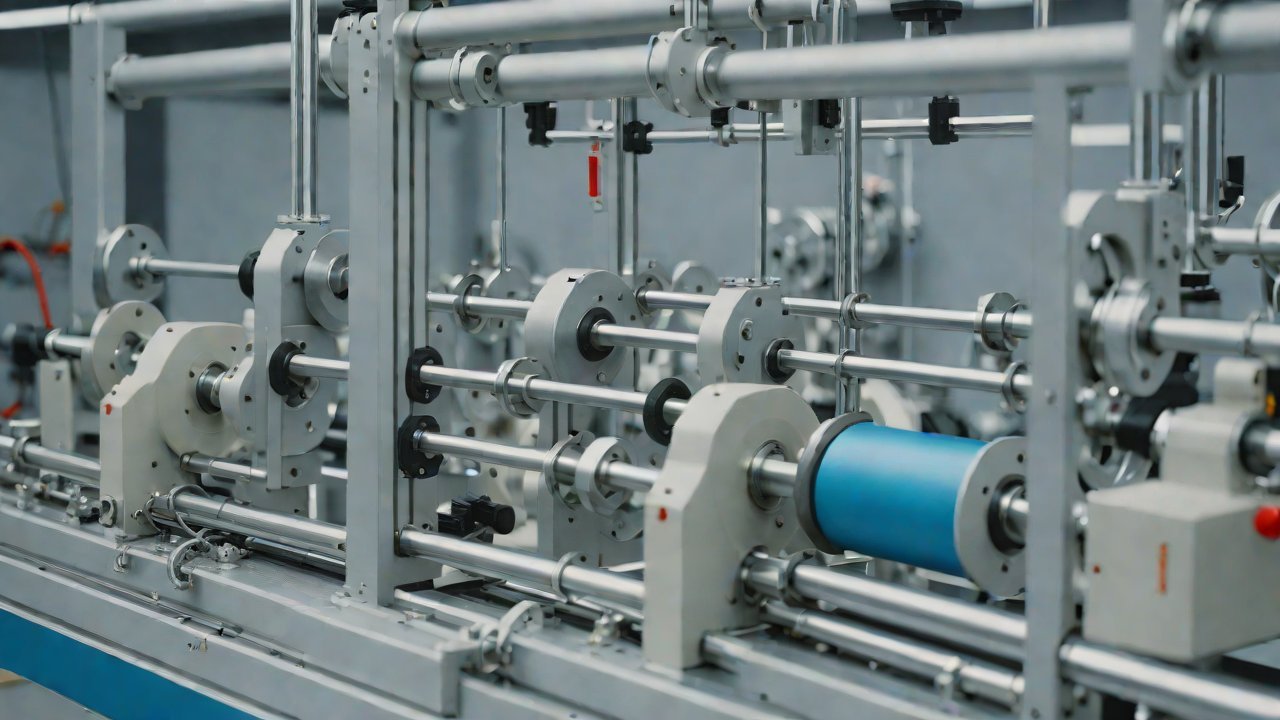
Machine learning algorithms are integrated into the control unit to analyze production trends and optimize the system. This enables manufacturers to:
- Predict maintenance needs: Preventing unexpected downtime and reducing costs.
- Optimize production parameters: Enhancing overall efficiency and quality.
6. Industry Trends: Market Demand for Automation
The demand for automation in film manufacturing is on the rise, driven by increasing competition and decreasing profit margins. According to a recent market study:
| Year | Global Film Production (billion meters) |
|---|---|
| 2020 | 100 |
| 2025 | 120 |
As manufacturers seek to maintain competitiveness, automation will play an increasingly crucial role in film production.
7. Implementation and Integration
Implementing the automatic tension control system requires a comprehensive approach:
- System integration: Integrating the control unit with existing equipment.
- Operator training: Educating personnel on new system operations.
- Maintenance scheduling: Regularly updating software and performing routine maintenance.
By following this structured implementation plan, manufacturers can ensure seamless adoption of the automatic tension control system.
8. Conclusion
The automatic tension control system is a game-changer for film manufacturers, providing unparalleled accuracy and precision in material tension control. By leveraging advanced sensors, precision engineering, machine learning, and industry trends, manufacturers can minimize production breaks and optimize overall efficiency. As automation continues to transform the manufacturing landscape, this cutting-edge technology will play an increasingly vital role in safeguarding film production from breaks and snags.
IOT Cloud Platform
IOT Cloud Platform is an IoT portal established by a Chinese IoT company, focusing on technical solutions in the fields of agricultural IoT, industrial IoT, medical IoT, security IoT, military IoT, meteorological IoT, consumer IoT, automotive IoT, commercial IoT, infrastructure IoT, smart warehousing and logistics, smart home, smart city, smart healthcare, smart lighting, etc.
The IoT Cloud Platform blog is a top IoT technology stack, providing technical knowledge on IoT, robotics, artificial intelligence (generative artificial intelligence AIGC), edge computing, AR/VR, cloud computing, quantum computing, blockchain, smart surveillance cameras, drones, RFID tags, gateways, GPS, 3D printing, 4D printing, autonomous driving, etc.