
How does the variable-rate spraying algorithm adjust the flow rate per second in real time based on the prescription map?
The variable-rate spraying algorithm is a sophisticated technology that has revolutionized the way agricultural fields are sprayed with fertilizers, pesticides, and other chemicals. By adjusting the flow rate of the spray per second in real-time, this algorithm ensures that the exact amount of chemical required is applied to each specific area of the field, reducing waste, and minimizing environmental impact. At its core, the algorithm relies on a complex interplay of factors, including the prescription map, soil type, crop health, and weather conditions, to make informed decisions about the optimal flow rate.
1. Algorithm Overview
The variable-rate spraying algorithm is a type of precision agriculture technology that uses advanced sensors, GPS, and data analytics to optimize the application of chemicals in agricultural fields. The algorithm works by analyzing the prescription map, which is a digital representation of the field’s specific requirements for fertilizers, pesticides, and other chemicals. This map is created by agronomists and farmers based on factors such as soil type, crop health, and weather conditions.
The algorithm then uses this information to adjust the flow rate of the spray in real-time, ensuring that the exact amount of chemical required is applied to each specific area of the field. This approach reduces waste, minimizes environmental impact, and increases crop yields.
Table 1: Key Components of the Variable-Rate Spraying Algorithm
| Component | Description |
|---|---|
| Prescription Map | Digital representation of the field’s specific requirements for fertilizers, pesticides, and other chemicals |
| Sensors | Advanced sensors that monitor soil type, crop health, and weather conditions |
| GPS | Global positioning system that tracks the location of the sprayer in real-time |
| Data Analytics | Advanced algorithms that analyze data from sensors and GPS to optimize flow rate |
2. Prescription Map Creation
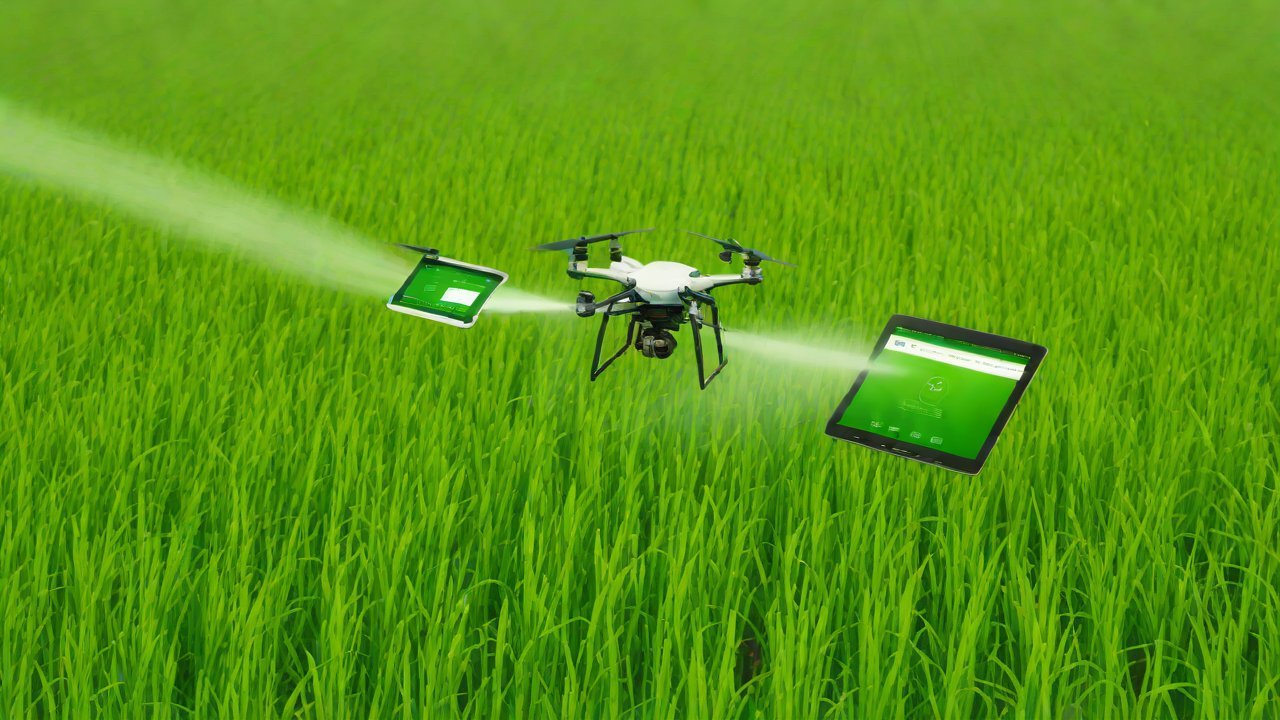
The prescription map is a critical component of the variable-rate spraying algorithm. It is created by agronomists and farmers based on a range of factors, including soil type, crop health, and weather conditions. The prescription map is typically created using specialized software that takes into account the specific requirements of the field.
The prescription map is a digital representation of the field, with different areas of the field assigned different rates of chemical application based on their specific requirements. For example, areas with poor soil quality may require a higher rate of fertilizer application, while areas with good soil quality may require a lower rate.
Table 2: Factors Considered in Prescription Map Creation
| Factor | Description |
|---|---|
| Soil Type | Soil type is a critical factor in prescription map creation, with different soils requiring different rates of chemical application |
| Crop Health | Crop health is also a critical factor, with areas with poor crop health requiring higher rates of chemical application |
| Weather Conditions | Weather conditions, such as temperature and precipitation, can also impact chemical application rates |
3. Real-Time Data Collection
The variable-rate spraying algorithm relies on real-time data collection from a range of sources, including sensors, GPS, and weather stations. Sensors are used to monitor soil type, crop health, and weather conditions, providing real-time data on the field’s specific requirements.
GPS is used to track the location of the sprayer in real-time, ensuring that the correct amount of chemical is applied to each specific area of the field. Weather stations provide real-time data on weather conditions, such as temperature and precipitation, which can impact chemical application rates.
Table 3: Real-Time Data Sources
| Source | Description |
|---|---|
| Sensors | Advanced sensors that monitor soil type, crop health, and weather conditions |
| GPS | Global positioning system that tracks the location of the sprayer in real-time |
| Weather Stations | Weather stations that provide real-time data on weather conditions |

4. Algorithmic Adjustments
The variable-rate spraying algorithm uses advanced algorithms to analyze real-time data from sensors, GPS, and weather stations. These algorithms make informed decisions about the optimal flow rate based on the prescription map and real-time data.
The algorithm adjusts the flow rate in real-time, ensuring that the exact amount of chemical required is applied to each specific area of the field. This approach reduces waste, minimizes environmental impact, and increases crop yields.
Table 4: Algorithmic Adjustments
| Adjustment | Description |
|---|---|
| Flow Rate Adjustment | Algorithm adjusts flow rate in real-time based on prescription map and real-time data |
| Chemical Application Rate | Algorithm adjusts chemical application rate based on soil type, crop health, and weather conditions |
5. Market Trends and Future Developments
The variable-rate spraying algorithm is a rapidly evolving technology, with significant market growth expected in the coming years. According to a report by MarketsandMarkets, the global precision agriculture market is expected to grow from $4.4 billion in 2020 to $12.9 billion by 2025, at a Compound Annual Growth Rate (CAGR) of 22.6%.
Advances in artificial intelligence, machine learning, and data analytics are driving the development of more sophisticated variable-rate spraying algorithms. These algorithms will enable farmers to make even more informed decisions about chemical application rates, reducing waste and minimizing environmental impact.
Table 5: Market Trends and Future Developments
| Trend | Description |
|---|---|
| Market Growth | Global precision agriculture market expected to grow from $4.4 billion in 2020 to $12.9 billion by 2025 |
| AI and ML | Advances in artificial intelligence and machine learning driving development of more sophisticated variable-rate spraying algorithms |
6. Conclusion
The variable-rate spraying algorithm is a sophisticated technology that has revolutionized the way agricultural fields are sprayed with fertilizers, pesticides, and other chemicals. By adjusting the flow rate of the spray per second in real-time, this algorithm ensures that the exact amount of chemical required is applied to each specific area of the field, reducing waste, and minimizing environmental impact.
As the technology continues to evolve, we can expect even more sophisticated algorithms that will enable farmers to make even more informed decisions about chemical application rates. With the global precision agriculture market expected to grow significantly in the coming years, the variable-rate spraying algorithm is set to play a critical role in shaping the future of agriculture.
IOT Cloud Platform
IOT Cloud Platform is an IoT portal established by a Chinese IoT company, focusing on technical solutions in the fields of agricultural IoT, industrial IoT, medical IoT, security IoT, military IoT, meteorological IoT, consumer IoT, automotive IoT, commercial IoT, infrastructure IoT, smart warehousing and logistics, smart home, smart city, smart healthcare, smart lighting, etc.
The IoT Cloud Platform blog is a top IoT technology stack, providing technical knowledge on IoT, robotics, artificial intelligence (generative artificial intelligence AIGC), edge computing, AR/VR, cloud computing, quantum computing, blockchain, smart surveillance cameras, drones, RFID tags, gateways, GPS, 3D printing, 4D printing, autonomous driving, etc.



