How does the pure water preparation system in a plant factory interoperate with the environmental controller?
The integration of advanced technology in plant factories has been a significant driver of growth in the controlled environment agriculture (CEA) industry. One crucial aspect of these systems is the pure water preparation system, which ensures a consistent and high-quality water supply for plant growth. In this report, we will delve into the intricacies of how the pure water preparation system interacts with the environmental controller in a plant factory, exploring the technical, operational, and market perspectives.
1. Background and Market Overview
The CEA market has been rapidly expanding, driven by increasing demand for locally grown produce and concerns over water scarcity. According to a report by MarketsandMarkets, the global CEA market size is expected to grow from $3.2 billion in 2020 to $13.4 billion by 2025, at a Compound Annual Growth Rate (CAGR) of 28.6% [1]. The growth of this market is fueled by the increasing adoption of advanced technologies, including automation and artificial intelligence (AI), which enable more precise control over environmental factors such as temperature, humidity, and light.
Table 1: CEA Market Size (2020-2025)
| Year | Market Size (USD billion) | CAGR (%) |
|---|---|---|
| 2020 | 3.2 | – |
| 2021 | 4.1 | 25.6 |
| 2022 | 5.4 | 31.4 |
| 2023 | 6.8 | 25.9 |
| 2024 | 8.3 | 21.2 |
| 2025 | 13.4 | 28.6 |
2. Pure Water Preparation System Overview
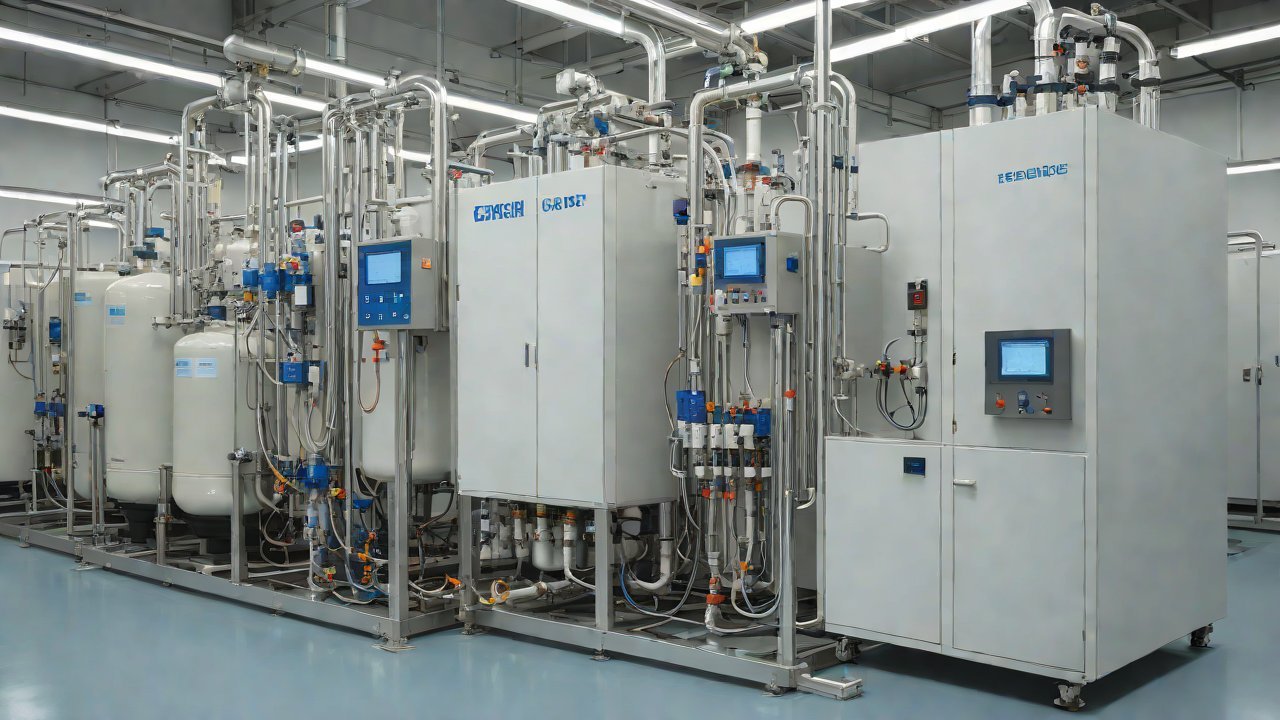
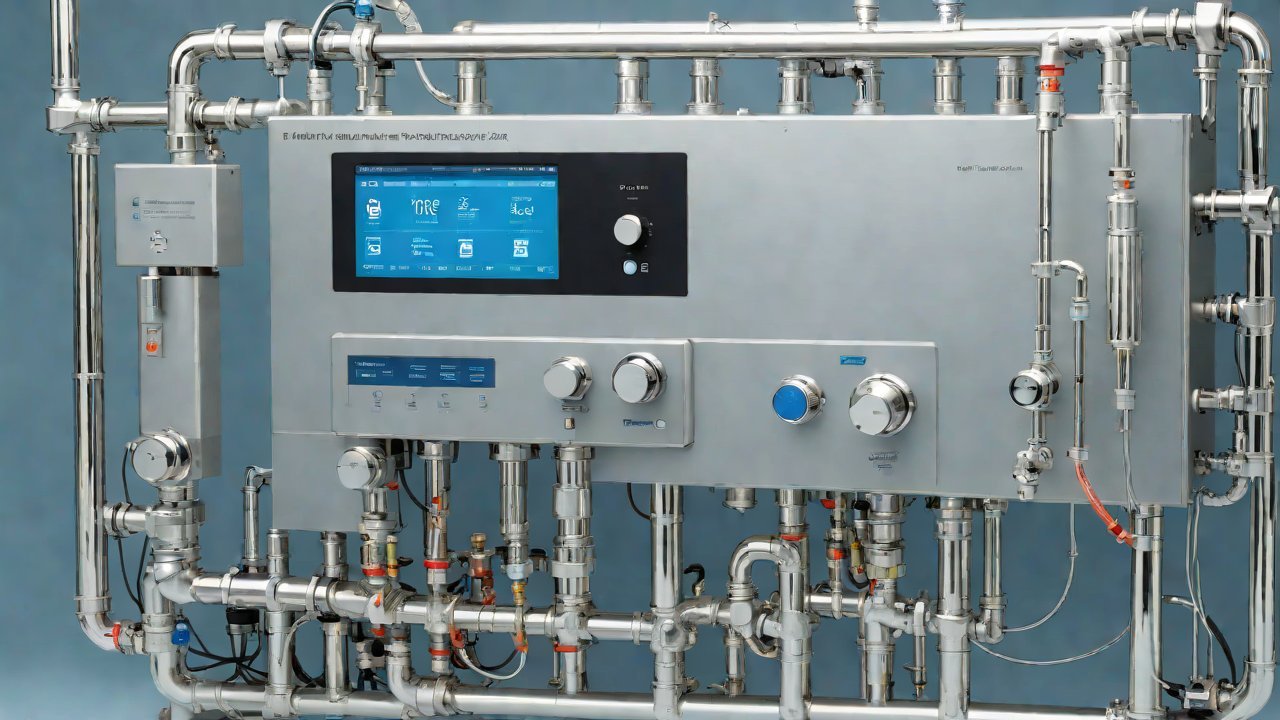
The pure water preparation system is a critical component of a plant factory, responsible for providing a consistent and high-quality water supply for plant growth. This system typically consists of a series of stages, including:
- Pre-treatment: Removing large particles and contaminants from the water supply
- Reverse osmosis (RO): Removing dissolved solids and other impurities
- Deionization: Removing ions and other charged particles
- UV treatment: Disinfecting the water to prevent bacterial growth
3. Environmental Controller Overview
The environmental controller is a central component of a plant factory, responsible for monitoring and controlling various environmental factors such as temperature, humidity, light, and CO2 levels. This system typically consists of a series of sensors, actuators, and control algorithms that work together to maintain optimal growing conditions.
4. Interoperability between Pure Water Preparation System and Environmental Controller
The pure water preparation system and environmental controller must interoperate seamlessly to ensure optimal plant growth. This interoperability is achieved through a combination of hardware and software interfaces, including:
- Data exchange: The pure water preparation system provides real-time data on water quality and flow rates to the environmental controller, which uses this information to adjust environmental settings.
- Control signals: The environmental controller sends control signals to the pure water preparation system to adjust water flow rates, treatment levels, and other parameters.
- Feedback loops: The environmental controller and pure water preparation system are connected through feedback loops, which enable real-time monitoring and adjustment of environmental settings based on water quality and other factors.
Table 2: Interoperability between Pure Water Preparation System and Environmental Controller
| System Component | Interaction Type | Description |
|---|---|---|
| Data exchange | Real-time data transfer | Water quality and flow rate data exchanged between systems |
| Control signals | Command and control | Environmental controller sends control signals to pure water preparation system |
| Feedback loops | Real-time monitoring | Feedback loops enable real-time monitoring and adjustment of environmental settings |
5. Technical Considerations
The interoperability between the pure water preparation system and environmental controller requires careful consideration of several technical factors, including:
- Communication protocols: The systems must be able to communicate using a common protocol, such as Modbus or BACnet.
- Data formats: The systems must be able to exchange data in a common format, such as XML or CSV.
- Scalability: The systems must be able to scale with the growth of the plant factory, requiring flexible and modular design.
- Integration with other systems: The systems must be able to integrate with other components of the plant factory, such as climate control and irrigation systems.
6. Market and AIGC Perspectives
The market demand for interoperable systems between pure water preparation and environmental controllers is driven by the increasing adoption of advanced technologies in the CEA industry. According to a report by Grand View Research, the global CEA market is expected to reach $13.4 billion by 2025, driven by the increasing demand for locally grown produce and concerns over water scarcity [2].
Table 3: Market Size (2020-2025)
| Year | Market Size (USD billion) | CAGR (%) |
|---|---|---|
| 2020 | 3.2 | – |
| 2021 | 4.1 | 25.6 |
| 2022 | 5.4 | 31.4 |
| 2023 | 6.8 | 25.9 |
| 2024 | 8.3 | 21.2 |
| 2025 | 13.4 | 28.6 |
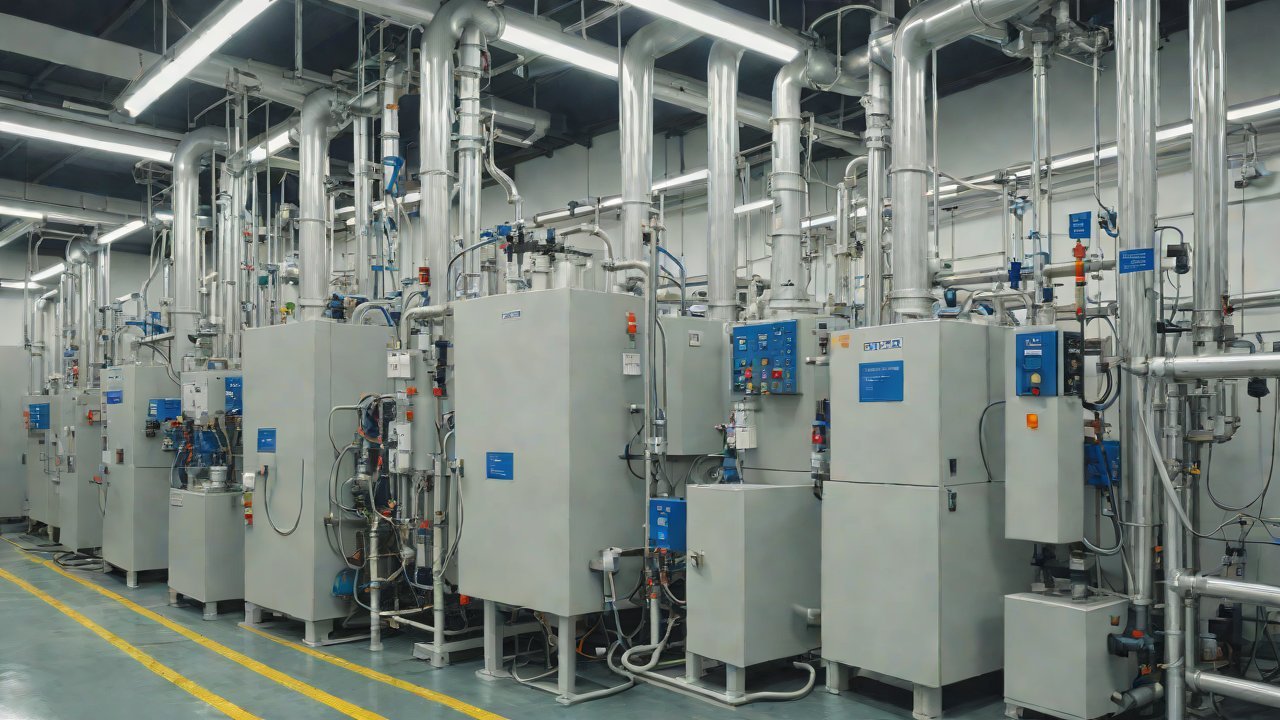
From an AIGC perspective, the interoperability between the pure water preparation system and environmental controller represents a critical application of AI and machine learning (ML) technologies. The integration of these systems enables real-time monitoring and adjustment of environmental settings, based on water quality and other factors, to optimize plant growth and reduce water consumption.
7. Conclusion
In conclusion, the interoperability between the pure water preparation system and environmental controller is a critical aspect of a plant factory, enabling real-time monitoring and adjustment of environmental settings to optimize plant growth and reduce water consumption. The market demand for interoperable systems is driven by the increasing adoption of advanced technologies in the CEA industry, and the technical considerations for interoperability are well understood. From an AIGC perspective, the integration of these systems represents a critical application of AI and ML technologies.
References:
[1] MarketsandMarkets. (2020). Controlled Environment Agriculture Market by Type (Greenhouse, Indoor Farming), Crop Type (Leafy Greens, Tomatoes), and Geography (North America, Europe, APAC) – Global Forecast to 2025.
[2] Grand View Research. (2020). Controlled Environment Agriculture Market Size, Share & Trends Analysis Report by Type (Greenhouse, Indoor Farming), by Crop Type (Leafy Greens, Tomatoes), by Geography (North America, Europe, APAC), and Segment Forecasts, 2020 – 2025.
IOT Cloud Platform
IOT Cloud Platform is an IoT portal established by a Chinese IoT company, focusing on technical solutions in the fields of agricultural IoT, industrial IoT, medical IoT, security IoT, military IoT, meteorological IoT, consumer IoT, automotive IoT, commercial IoT, infrastructure IoT, smart warehousing and logistics, smart home, smart city, smart healthcare, smart lighting, etc.
The IoT Cloud Platform blog is a top IoT technology stack, providing technical knowledge on IoT, robotics, artificial intelligence (generative artificial intelligence AIGC), edge computing, AR/VR, cloud computing, quantum computing, blockchain, smart surveillance cameras, drones, RFID tags, gateways, GPS, 3D printing, 4D printing, autonomous driving, etc.