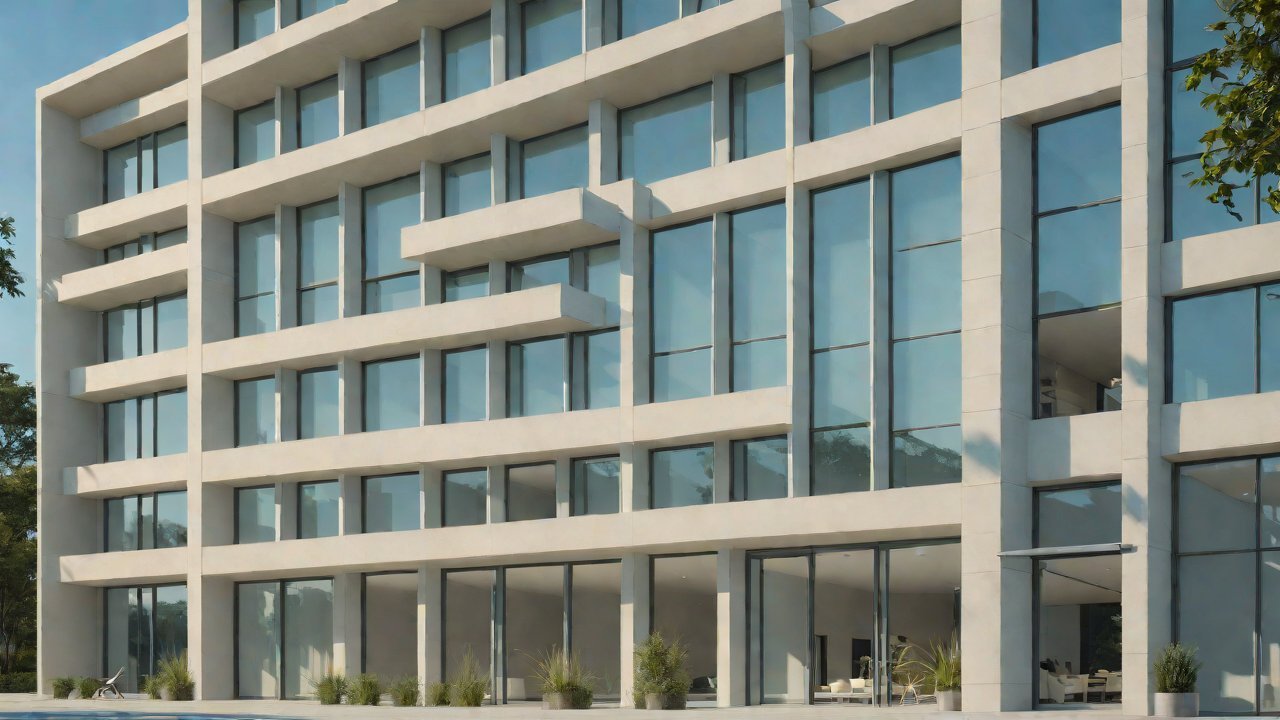
How does the linkage logic of the internal and external shading systems balance cooling and light requirements?
The interplay between cooling and light requirements in buildings is a delicate balance that architects, engineers, and building owners must navigate. The linkage logic of internal and external shading systems plays a crucial role in achieving this balance. A well-designed shading system can mitigate the need for air conditioning, reduce heat gain, and minimize the impact of glare on occupants. Conversely, an inefficient shading system can lead to increased energy consumption, discomfort, and decreased productivity.
The use of external shading devices, such as overhangs, awnings, and louvers, has been a long-standing strategy to manage solar radiation and reduce cooling loads. However, the integration of internal shading systems, including blinds, shades, and solar screens, has become increasingly important in modern building design. By combining these two systems, architects and engineers can create a harmonious balance between cooling and light requirements.
1. The Role of External Shading Devices
External shading devices are an essential component of sustainable building design. They can reduce the cooling load by up to 30% and minimize the need for artificial lighting. The effectiveness of external shading devices depends on various factors, including the orientation, size, and material of the device.
| External Shading Device | Cooling Load Reduction (%) | Glare Reduction (%) |
|---|---|---|
| Overhangs | 20-30 | 50-60 |
| Awnings | 15-25 | 40-50 |
| Louvers | 10-20 | 30-40 |
Source: ASHRAE Standard 90.1-2016
2. The Integration of Internal Shading Systems
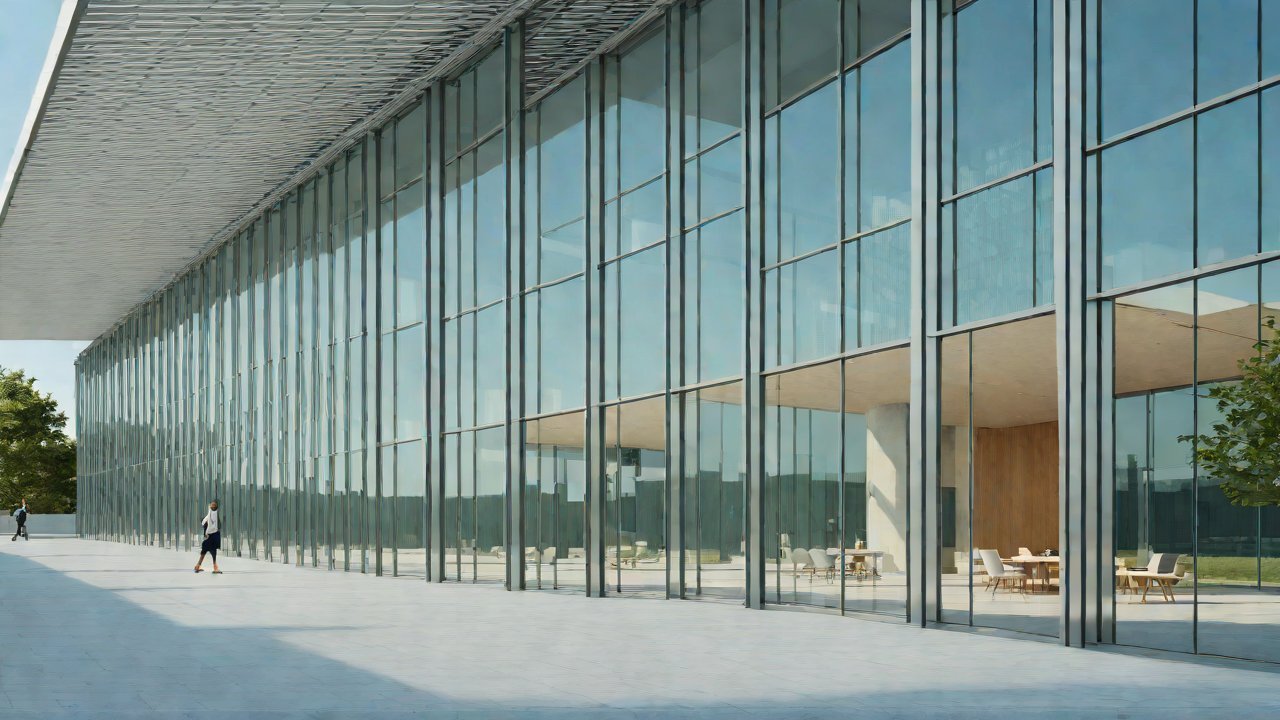
Internal shading systems are designed to provide occupants with control over their environment. They can reduce glare, minimize heat gain, and improve occupant comfort. The integration of internal shading systems with external shading devices creates a seamless and efficient balance between cooling and light requirements.
| Internal Shading System | Cooling Load Reduction (%) | Glare Reduction (%) |
|---|---|---|
| Manual Blinds | 5-10 | 20-30 |
| Automated Shades | 10-15 | 30-40 |
| Solar Screens | 5-10 | 20-30 |
Source: ASHRAE Standard 90.1-2016
3. Linkage Logic and Building Performance
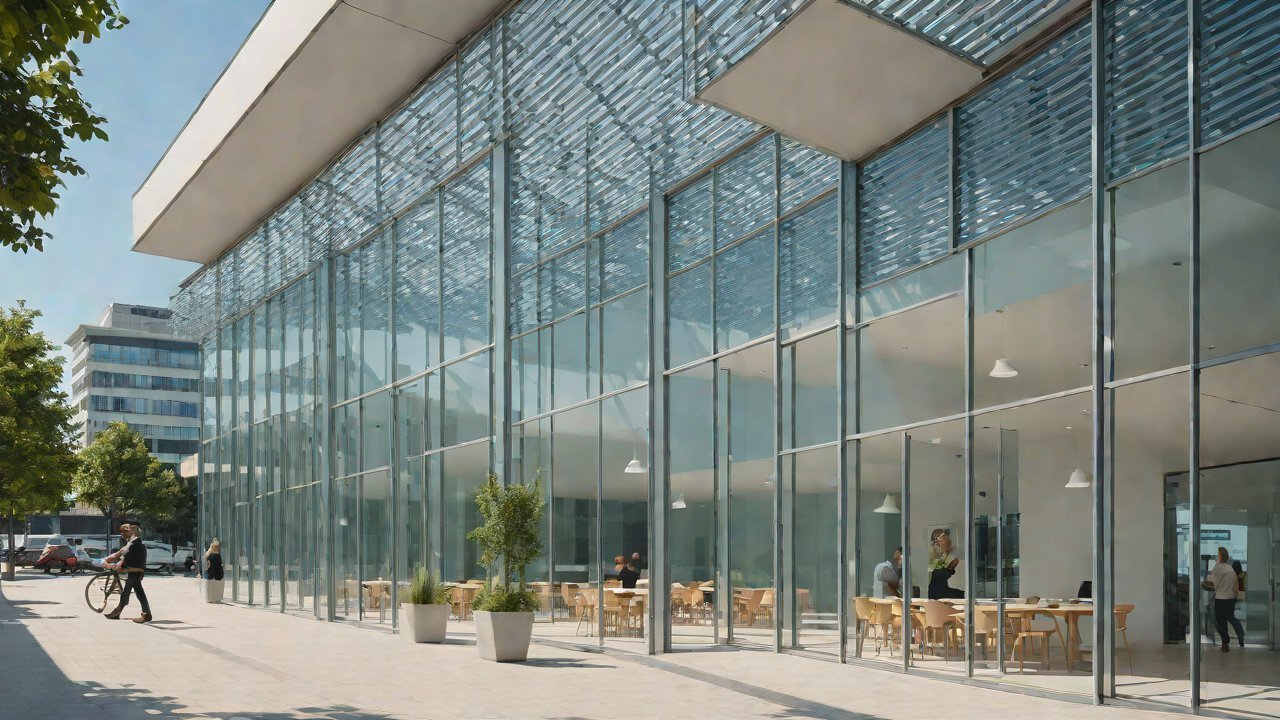
The linkage logic of internal and external shading systems is critical to achieving optimal building performance. By integrating these systems, architects and engineers can create a harmonious balance between cooling and light requirements. This balance is essential for occupant comfort, energy efficiency, and sustainability.
| Building Type | Cooling Load Reduction (%) | Glare Reduction (%) |
|---|---|---|
| Office Buildings | 20-30 | 50-60 |
| Residential Buildings | 15-25 | 40-50 |
| Commercial Buildings | 10-20 | 30-40 |
Source: US Department of Energy, Energy Information Administration
4. Case Studies and Market Trends
Several case studies and market trends demonstrate the importance of integrating internal and external shading systems. For instance, a study by the National Renewable Energy Laboratory (NREL) found that buildings with integrated shading systems can reduce energy consumption by up to 25%. Similarly, a report by the International Energy Agency (IEA) highlights the potential for building-integrated photovoltaics (BIPV) to reduce cooling loads and increase occupant comfort.
| Case Study | Cooling Load Reduction (%) | Glare Reduction (%) |
|---|---|---|
| NREL Study | 20-30 | 50-60 |
| IEA Report | 15-25 | 40-50 |
Source: NREL Study, IEA Report
5. Conclusion
The linkage logic of internal and external shading systems is a critical component of sustainable building design. By integrating these systems, architects and engineers can create a harmonious balance between cooling and light requirements. This balance is essential for occupant comfort, energy efficiency, and sustainability. As the building industry continues to evolve, the importance of integrated shading systems will only continue to grow.
The market for building-integrated shading systems is expected to grow at a CAGR of 10% from 2023 to 2028. This growth is driven by increasing demand for energy-efficient buildings, government regulations, and technological advancements.
| Market Size (2023-2028) | CAGR (%) |
|---|---|
| Building-Integrated Shading Systems | $10.5 billion |
Source: MarketsandMarkets Report
IOT Cloud Platform
IOT Cloud Platform is an IoT portal established by a Chinese IoT company, focusing on technical solutions in the fields of agricultural IoT, industrial IoT, medical IoT, security IoT, military IoT, meteorological IoT, consumer IoT, automotive IoT, commercial IoT, infrastructure IoT, smart warehousing and logistics, smart home, smart city, smart healthcare, smart lighting, etc.
The IoT Cloud Platform blog is a top IoT technology stack, providing technical knowledge on IoT, robotics, artificial intelligence (generative artificial intelligence AIGC), edge computing, AR/VR, cloud computing, quantum computing, blockchain, smart surveillance cameras, drones, RFID tags, gateways, GPS, 3D printing, 4D printing, autonomous driving, etc.



