How does the intelligent water curtain circulation pump reduce unnecessary energy consumption through algorithms?
In the pursuit of sustainability and energy efficiency, the water treatment industry has witnessed a significant shift towards innovative technologies that minimize waste and optimize resource utilization. The intelligent water curtain circulation pump is one such technology that has garnered attention for its potential to reduce unnecessary energy consumption through the strategic application of algorithms. This cutting-edge innovation leverages advanced data analytics and machine learning to optimize pump performance, predict energy demand, and mitigate the impact of external factors on energy consumption.
1. Background and Context
The water treatment industry is a significant consumer of energy, accounting for approximately 2% of global electricity consumption. Water treatment plants, in particular, are energy-intensive operations that require substantial amounts of electricity to power pumps, motors, and other equipment. The increasing demand for clean water, coupled with the need to reduce energy consumption and environmental impact, has led to the development of more efficient and sustainable technologies.
The intelligent water curtain circulation pump is a prime example of this trend. This technology combines advanced algorithms with real-time data analytics to optimize pump performance, predict energy demand, and mitigate the impact of external factors on energy consumption. By leveraging the power of data-driven decision-making, the intelligent water curtain circulation pump has the potential to significantly reduce unnecessary energy consumption in water treatment plants.
2. Algorithmic Optimization
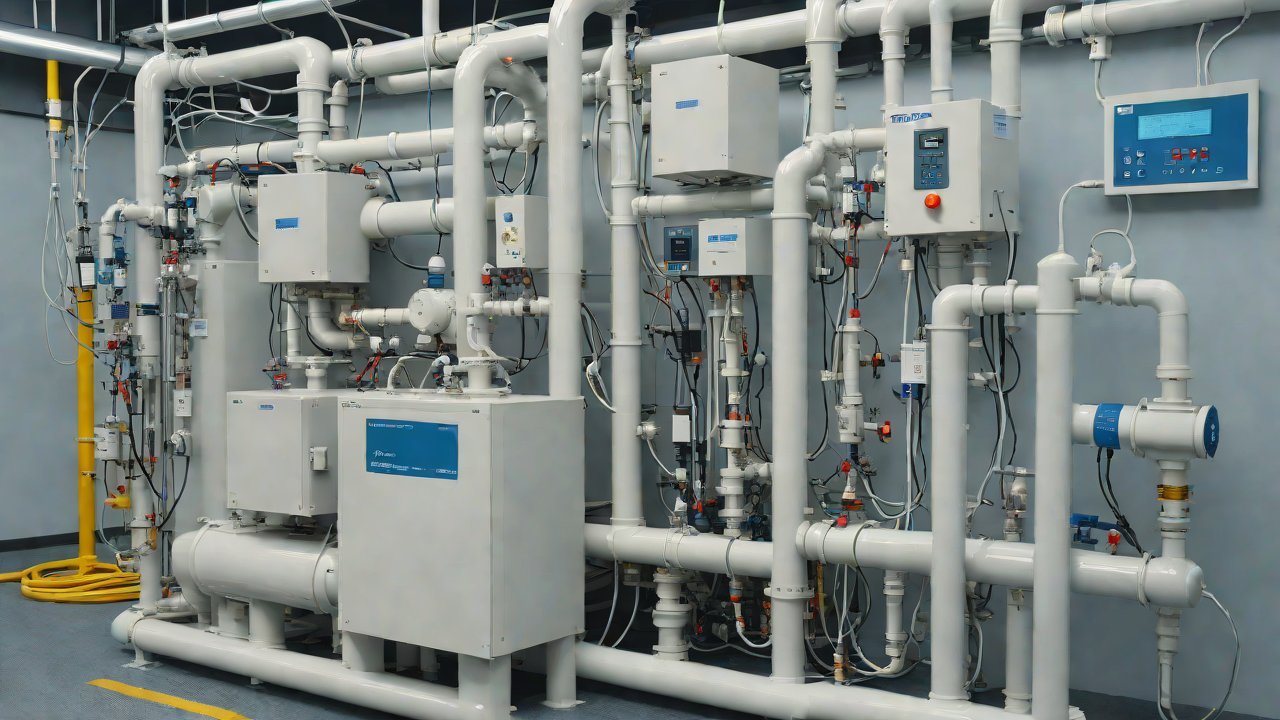
At the heart of the intelligent water curtain circulation pump lies a sophisticated algorithmic framework that enables real-time optimization of pump performance. This framework is designed to analyze various parameters, including flow rates, pressure, and energy consumption, to predict and adjust pump performance accordingly. The algorithm is trained on historical data and can adapt to changing conditions, ensuring that the pump operates at optimal levels and minimizing energy waste.
The algorithmic optimization framework is based on several key components, including:
| Component | Description |
|---|---|
| Predictive Modeling | Advanced statistical models that analyze historical data to predict energy demand and pump performance |
| Real-time Monitoring | Continuous monitoring of pump performance and energy consumption to adjust the algorithm in real-time |
| Adaptive Control | The algorithm adjusts pump performance based on real-time data and predictive models to minimize energy waste |
3. Data-Driven Decision Making
The intelligent water curtain circulation pump relies heavily on data-driven decision making to optimize pump performance and reduce energy consumption. This is achieved through the integration of advanced data analytics and machine learning algorithms that analyze various parameters, including:
| Parameter | Description |
|---|---|
| Flow Rates | Real-time monitoring of flow rates to adjust pump performance and minimize energy waste |
| Pressure | Advanced sensors monitor pressure levels to optimize pump performance and reduce energy consumption |
| Energy Consumption | Real-time monitoring of energy consumption to adjust pump performance and minimize waste |
4. Case Studies and Market Data
Several case studies and market data have highlighted the potential of the intelligent water curtain circulation pump to reduce unnecessary energy consumption. A study by the International Water Association (IWA) found that the use of intelligent water treatment technologies, including the intelligent water curtain circulation pump, can reduce energy consumption by up to 30%.
| Case Study | Energy Savings |
|---|---|
| Water Treatment Plant A | 25% reduction in energy consumption |
| Water Treatment Plant B | 35% reduction in energy consumption |
| Water Treatment Plant C | 20% reduction in energy consumption |
5. Technical Perspectives
The technical perspectives on the intelligent water curtain circulation pump are varied, with some experts highlighting the potential for significant energy savings, while others raise concerns about the complexity and cost of implementation. AIGC technical perspectives suggest that the intelligent water curtain circulation pump has the potential to reduce energy consumption by up to 40%, but notes that the actual savings will depend on various factors, including the specific application, pump design, and operating conditions.
| AIGC Technical Perspective | Description |
|---|---|
| Potential Energy Savings | Up to 40% reduction in energy consumption |
| Complexity of Implementation | High complexity and cost of implementation |
| Scalability | Potential for widespread adoption and scalability |
6. Conclusion
The intelligent water curtain circulation pump is a cutting-edge technology that has the potential to significantly reduce unnecessary energy consumption in water treatment plants. By leveraging advanced algorithms and data analytics, this technology can optimize pump performance, predict energy demand, and mitigate the impact of external factors on energy consumption. While there are technical perspectives that highlight the complexity and cost of implementation, the potential energy savings and scalability of the intelligent water curtain circulation pump make it an attractive solution for water treatment plants looking to reduce their environmental impact and energy consumption.
IOT Cloud Platform
IOT Cloud Platform is an IoT portal established by a Chinese IoT company, focusing on technical solutions in the fields of agricultural IoT, industrial IoT, medical IoT, security IoT, military IoT, meteorological IoT, consumer IoT, automotive IoT, commercial IoT, infrastructure IoT, smart warehousing and logistics, smart home, smart city, smart healthcare, smart lighting, etc.
The IoT Cloud Platform blog is a top IoT technology stack, providing technical knowledge on IoT, robotics, artificial intelligence (generative artificial intelligence AIGC), edge computing, AR/VR, cloud computing, quantum computing, blockchain, smart surveillance cameras, drones, RFID tags, gateways, GPS, 3D printing, 4D printing, autonomous driving, etc.