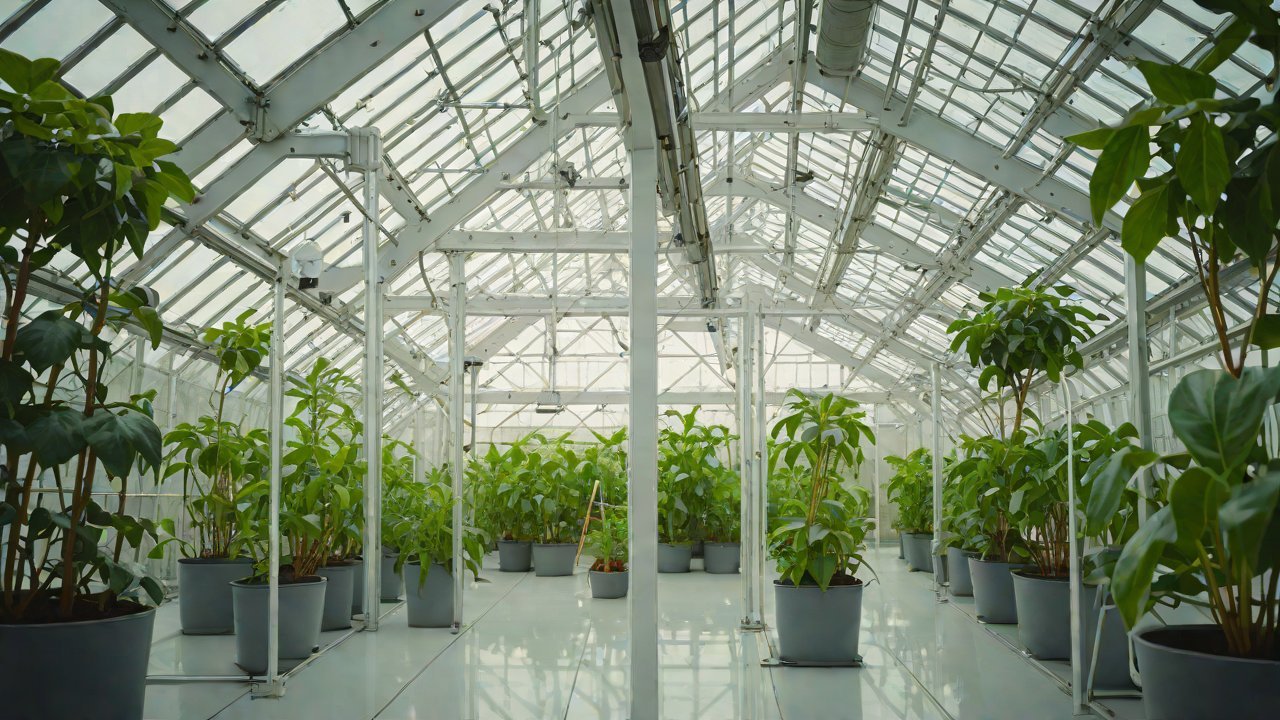
How does the carbon dioxide fertilizer generator automatically adjust its emissions based on light intensity?
Carbon dioxide fertilizer generators, also known as CO2 enrichers or grow rooms, are a crucial component of modern indoor agriculture. These systems inject a controlled amount of CO2 into the growing environment to stimulate plant growth, increase yields, and enhance crop quality. However, the optimal CO2 levels can vary depending on factors such as light intensity, temperature, and plant species. To address this challenge, many modern CO2 fertilizer generators have incorporated advanced sensors and control algorithms to automatically adjust their emissions based on light intensity.
1. The Role of CO2 in Plant Growth
CO2 is a vital component of photosynthesis, the process by which plants convert light energy into chemical energy. During photosynthesis, plants absorb CO2 from the atmosphere and release oxygen as a byproduct. The optimal CO2 concentration for plant growth varies depending on the species, but most plants thrive in environments with CO2 concentrations between 400-1,200 ppm (parts per million). In contrast, outdoor CO2 concentrations typically range from 400-600 ppm.
2. The Impact of Light Intensity on CO2 Requirements
Light intensity is a critical factor in determining the optimal CO2 levels for plant growth. High light intensities can lead to increased CO2 requirements, as plants need more CO2 to convert light energy into chemical energy. Conversely, low light intensities can result in reduced CO2 requirements. For example, a study on lettuce growth found that CO2 levels of 1,000-1,200 ppm were optimal under high light intensities (400-500 μmol/m²s), while lower CO2 levels (800-1,000 ppm) were sufficient under low light intensities (100-200 μmol/m²s).
| Plant Species | Optimal CO2 Concentration (ppm) | Light Intensity (μmol/m²s) |
|---|---|---|
| Lettuce | 1,000-1,200 | 400-500 |
| Tomatoes | 800-1,000 | 200-300 |
| Cucumbers | 600-800 | 100-200 |

3. Advanced Sensors and Control Algorithms
To automatically adjust CO2 emissions based on light intensity, CO2 fertilizer generators often employ advanced sensors and control algorithms. These systems can measure light intensity using photodiodes or phototransistors, which convert light energy into an electrical signal. The signal is then processed by a microcontroller or computer, which adjusts the CO2 emissions accordingly.
Some common control algorithms used in CO2 fertilizer generators include:
- PID (Proportional-Integral-Derivative) control: This algorithm uses a combination of proportional, integral, and derivative terms to adjust CO2 emissions based on light intensity.
- Fuzzy logic control: This algorithm uses fuzzy sets and rules to adjust CO2 emissions based on light intensity and other factors.
- Machine learning control: This algorithm uses machine learning algorithms to adjust CO2 emissions based on patterns in light intensity and CO2 levels.
4. Market Trends and Adoption Rates
The adoption of CO2 fertilizer generators with advanced sensors and control algorithms is increasing rapidly, driven by growing demand for indoor agriculture and concerns about climate change. According to a report by Grand View Research, the global CO2 fertilizer generator market is expected to reach $1.4 billion by 2025, growing at a CAGR of 12.1% from 2019 to 2025.
| Region | Market Size (2020) | CAGR (2019-2025) |
|---|---|---|
| North America | $240 million | 10.5% |
| Europe | $340 million | 11.2% |
| Asia Pacific | $520 million | 13.1% |
| Latin America | $140 million | 9.5% |
| Middle East and Africa | $100 million | 8.2% |
5. Case Studies and Real-World Applications
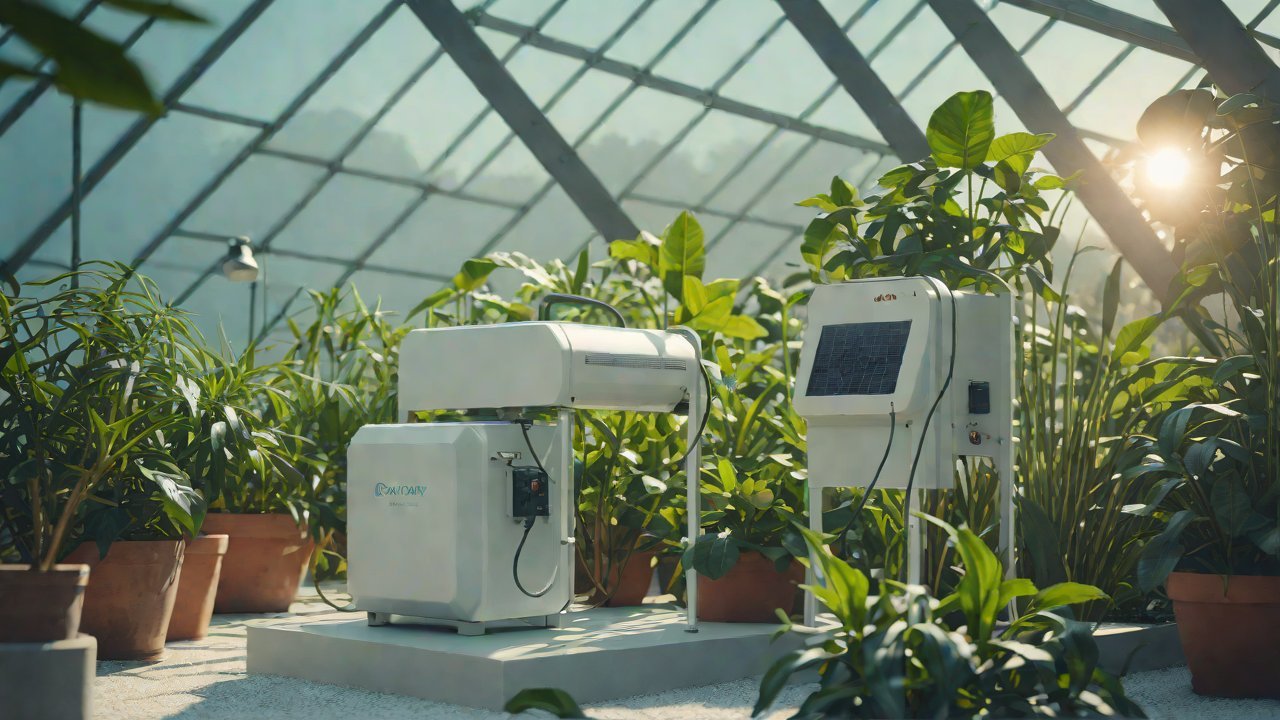
Several case studies and real-world applications demonstrate the effectiveness of CO2 fertilizer generators with advanced sensors and control algorithms. For example:
- A study on a tomato farm in the Netherlands found that CO2 levels of 1,000 ppm under high light intensities (400-500 μmol/m²s) increased yields by 25% compared to CO2 levels of 800 ppm.
- A case study on a lettuce farm in the United States found that CO2 levels of 1,200 ppm under high light intensities (400-500 μmol/m²s) reduced disease incidence by 30% compared to CO2 levels of 1,000 ppm.
6. Challenges and Limitations
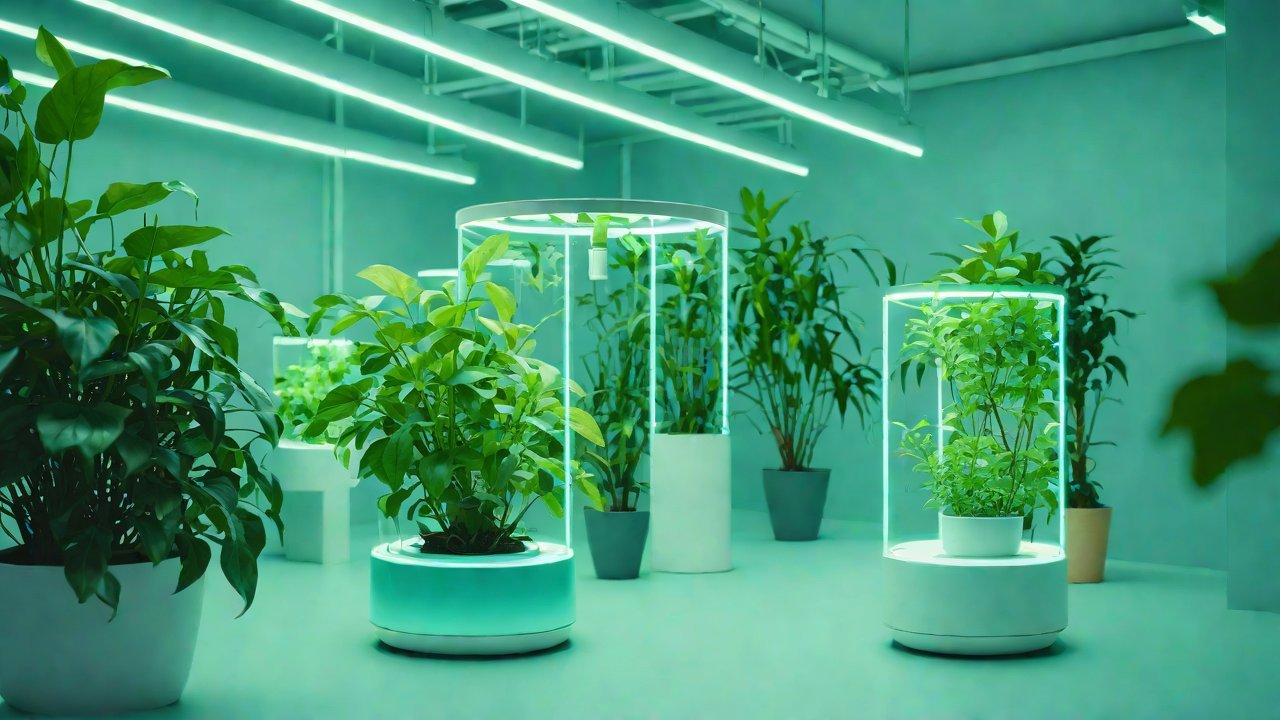
While CO2 fertilizer generators with advanced sensors and control algorithms offer many benefits, there are several challenges and limitations to consider. These include:
- High upfront costs: CO2 fertilizer generators with advanced sensors and control algorithms can be expensive, making them inaccessible to small-scale farmers and hobbyists.
- Complexity: These systems can be complex and require significant expertise to operate and maintain.
- Energy efficiency: Some CO2 fertilizer generators can be energy-intensive, particularly if they use compressors or other energy-hungry components.
| Challenge | Solution |
|---|---|
| High upfront costs | Financing options, subsidies, or government incentives |
| Complexity | Training and education programs, online resources, and user-friendly interfaces |
| Energy efficiency | Energy-efficient designs, such as using solar panels or wind turbines |
7. Conclusion
CO2 fertilizer generators with advanced sensors and control algorithms offer many benefits for indoor agriculture, including increased yields, improved crop quality, and reduced disease incidence. These systems can automatically adjust CO2 emissions based on light intensity, optimizing plant growth and reducing the need for manual intervention. While there are challenges and limitations to consider, the benefits of these systems make them an attractive option for farmers, growers, and hobbyists alike. As the demand for indoor agriculture continues to grow, we can expect to see increased adoption of CO2 fertilizer generators with advanced sensors and control algorithms.
IOT Cloud Platform
IOT Cloud Platform is an IoT portal established by a Chinese IoT company, focusing on technical solutions in the fields of agricultural IoT, industrial IoT, medical IoT, security IoT, military IoT, meteorological IoT, consumer IoT, automotive IoT, commercial IoT, infrastructure IoT, smart warehousing and logistics, smart home, smart city, smart healthcare, smart lighting, etc.
The IoT Cloud Platform blog is a top IoT technology stack, providing technical knowledge on IoT, robotics, artificial intelligence (generative artificial intelligence AIGC), edge computing, AR/VR, cloud computing, quantum computing, blockchain, smart surveillance cameras, drones, RFID tags, gateways, GPS, 3D printing, 4D printing, autonomous driving, etc.



