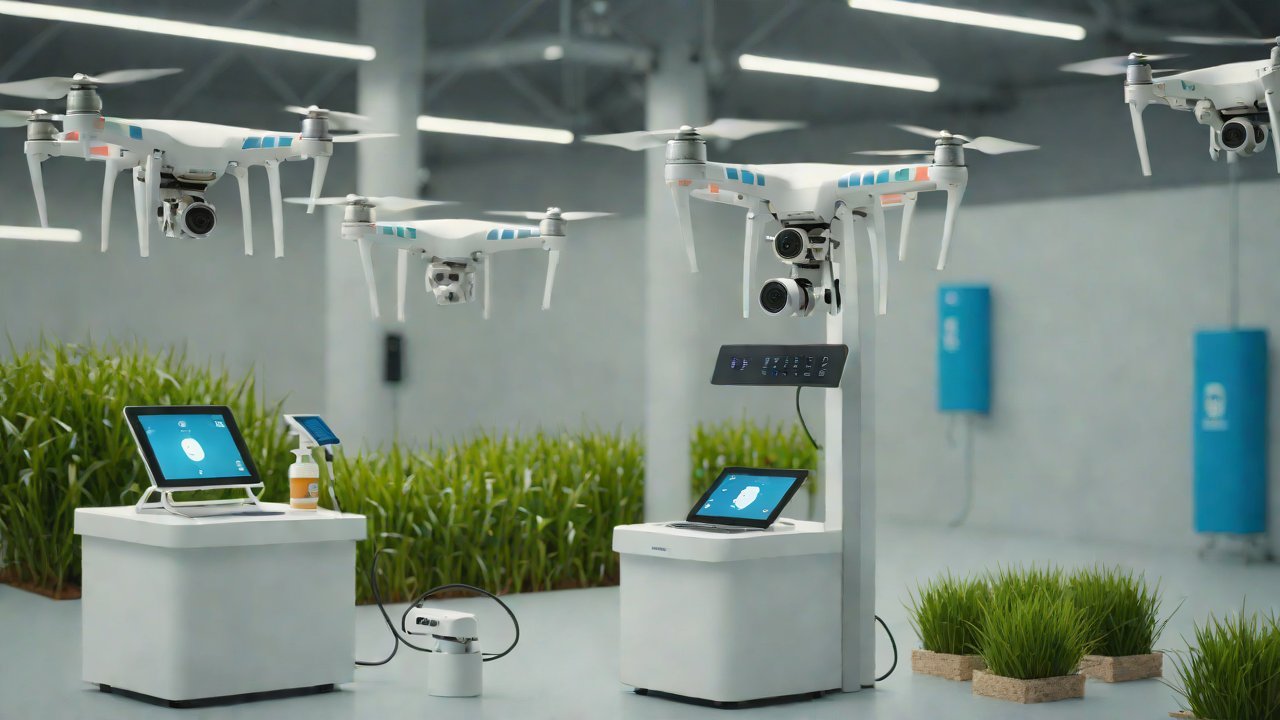
How does an automated pesticide dispensing center precisely dispense pesticides to drones via IoT commands?
In the realm of precision agriculture, the integration of automated systems and Internet of Things (IoT) technology has revolutionized the way pesticides are dispensed to drones. An automated pesticide dispensing center is a sophisticated system that enables the precise dispensing of pesticides to drones via IoT commands, ensuring optimal crop protection while minimizing environmental impact. This system is a game-changer in the agriculture industry, combining cutting-edge technology with data-driven insights to optimize crop yields.
1. System Architecture
The automated pesticide dispensing center consists of several key components, including:
| Component | Description |
|---|---|
| Drone | The drone is equipped with a specialized payload bay that can carry the pesticide containers. |
| IoT Hub | The IoT hub is the central command center that receives and processes data from various sensors and devices. |
| Pesticide Dispensing Unit | The pesticide dispensing unit is responsible for accurately measuring and dispensing the pesticide to the drone. |
| Sensors and Actuators | Various sensors and actuators are integrated into the system to monitor and control the dispensing process. |
2. IoT Command and Control
The IoT hub is the brain of the operation, receiving and processing data from various sensors and devices to control the dispensing process. The IoT hub is equipped with advanced algorithms that analyze real-time data to optimize the dispensing process. The hub communicates with the drone’s onboard computer via a wireless connection, sending precise instructions on the amount and type of pesticide to be dispensed.
| IoT Command and Control | Description |
|---|---|
| Real-time Data Analysis | Advanced algorithms analyze real-time data from sensors and devices to optimize the dispensing process. |
| Wireless Communication | The IoT hub communicates with the drone’s onboard computer via a wireless connection. |
| Precise Instructions | The IoT hub sends precise instructions on the amount and type of pesticide to be dispensed to the drone. |
3. Pesticide Dispensing Unit
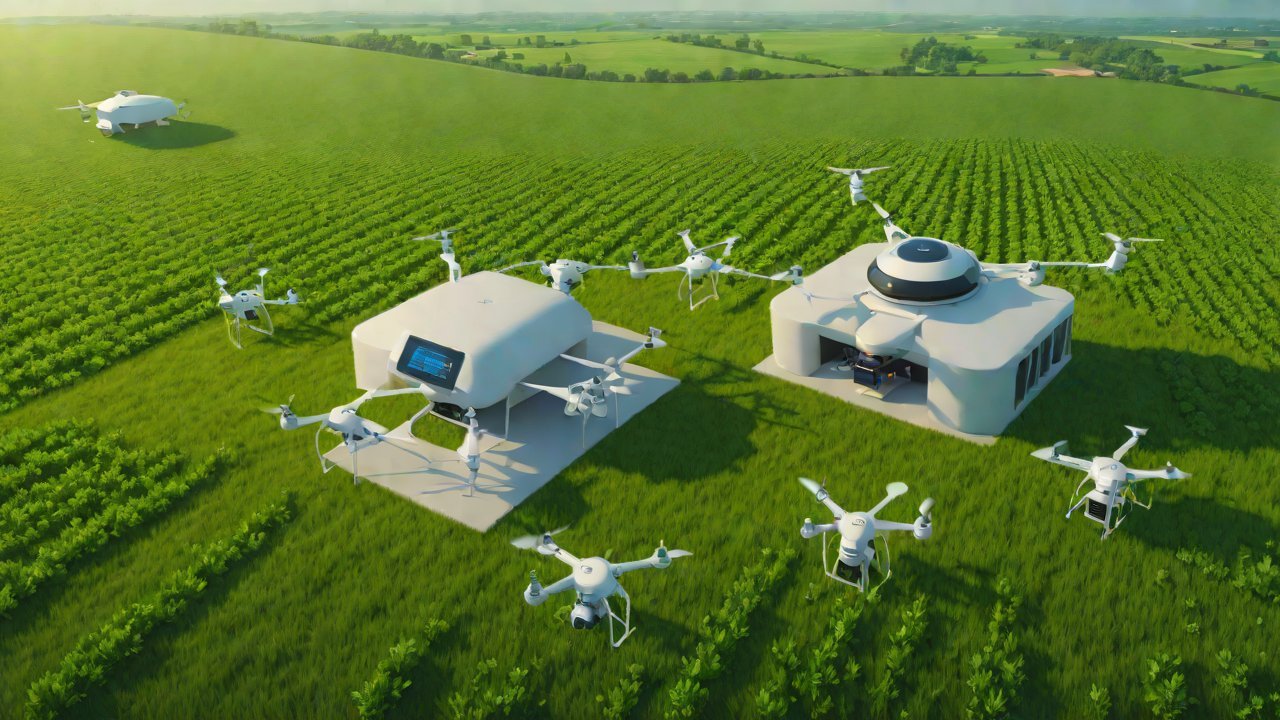
The pesticide dispensing unit is a critical component of the automated pesticide dispensing center. This unit is responsible for accurately measuring and dispensing the pesticide to the drone. The unit consists of:
| Pesticide Dispensing Unit | Description |
|---|---|
| Pesticide Container | The pesticide container is a specialized vessel designed to hold the pesticide. |
| Measuring System | The measuring system is responsible for accurately measuring the amount of pesticide to be dispensed. |
| Dispensing Mechanism | The dispensing mechanism is responsible for releasing the measured amount of pesticide to the drone. |
4. Sensors and Actuators
Various sensors and actuators are integrated into the system to monitor and control the dispensing process. These include:
| Sensors and Actuators | Description |
|---|---|
| Temperature Sensors | Temperature sensors monitor the temperature of the pesticide to ensure it is within the optimal range for dispensing. |
| Humidity Sensors | Humidity sensors monitor the humidity levels to ensure the pesticide is not contaminated. |
| Pressure Sensors | Pressure sensors monitor the pressure of the pesticide container to ensure it is within the optimal range. |
5. Data Analytics and Machine Learning
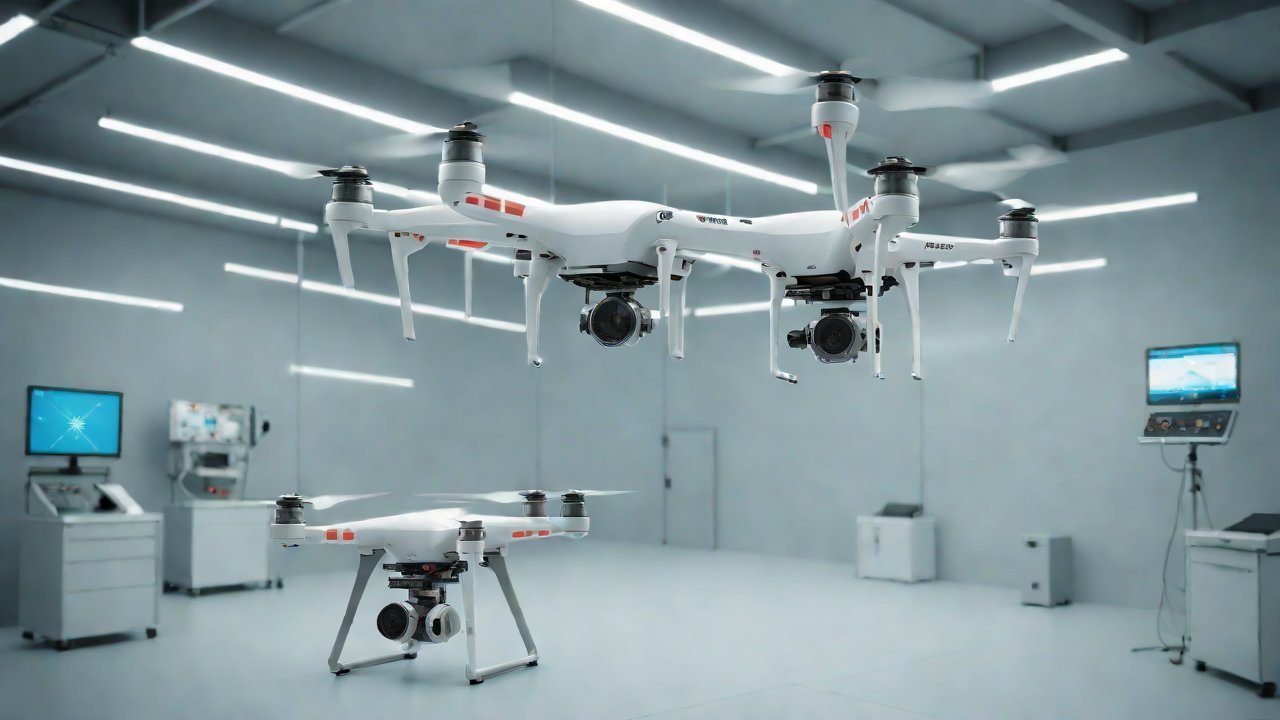
The automated pesticide dispensing center generates a vast amount of data, which is analyzed using advanced machine learning algorithms to optimize the dispensing process. This data includes:
| Data Analytics and Machine Learning | Description |
|---|---|
| Real-time Data Analysis | Advanced algorithms analyze real-time data from sensors and devices to optimize the dispensing process. |
| Predictive Maintenance | Machine learning algorithms predict potential maintenance issues, reducing downtime and increasing efficiency. |
| Performance Metrics | Advanced analytics provide insights into the performance of the system, enabling continuous improvement. |
6. Market Trends and Adoption
The adoption of automated pesticide dispensing centers is gaining momentum, driven by the need for precision agriculture and reduced environmental impact. Market trends indicate:
| Market Trends and Adoption | Description |
|---|---|
| Increased Adoption | The adoption of automated pesticide dispensing centers is increasing, driven by the need for precision agriculture. |
| Growing Demand | The demand for precision agriculture solutions is growing, driven by the need for reduced environmental impact. |
| Investment in R&D | Investment in research and development is increasing, driven by the need for improved efficiency and reduced costs. |

7. Technical Perspective
From a technical perspective, the automated pesticide dispensing center is a complex system that requires advanced engineering and software development expertise. Key technical considerations include:
| Technical Perspective | Description |
|---|---|
| System Integration | The system requires integration of various components, including sensors, actuators, and software. |
| Data Security | The system requires advanced data security measures to protect sensitive data and prevent cyber threats. |
| Scalability | The system requires scalability to accommodate increasing demand and changing agricultural practices. |
8. Conclusion
The automated pesticide dispensing center is a game-changer in the agriculture industry, combining cutting-edge technology with data-driven insights to optimize crop yields. This system is a key enabler of precision agriculture, reducing environmental impact and increasing efficiency. As the demand for precision agriculture solutions continues to grow, the adoption of automated pesticide dispensing centers is expected to increase, driven by the need for reduced environmental impact and improved efficiency.
IOT Cloud Platform
IOT Cloud Platform is an IoT portal established by a Chinese IoT company, focusing on technical solutions in the fields of agricultural IoT, industrial IoT, medical IoT, security IoT, military IoT, meteorological IoT, consumer IoT, automotive IoT, commercial IoT, infrastructure IoT, smart warehousing and logistics, smart home, smart city, smart healthcare, smart lighting, etc.
The IoT Cloud Platform blog is a top IoT technology stack, providing technical knowledge on IoT, robotics, artificial intelligence (generative artificial intelligence AIGC), edge computing, AR/VR, cloud computing, quantum computing, blockchain, smart surveillance cameras, drones, RFID tags, gateways, GPS, 3D printing, 4D printing, autonomous driving, etc.