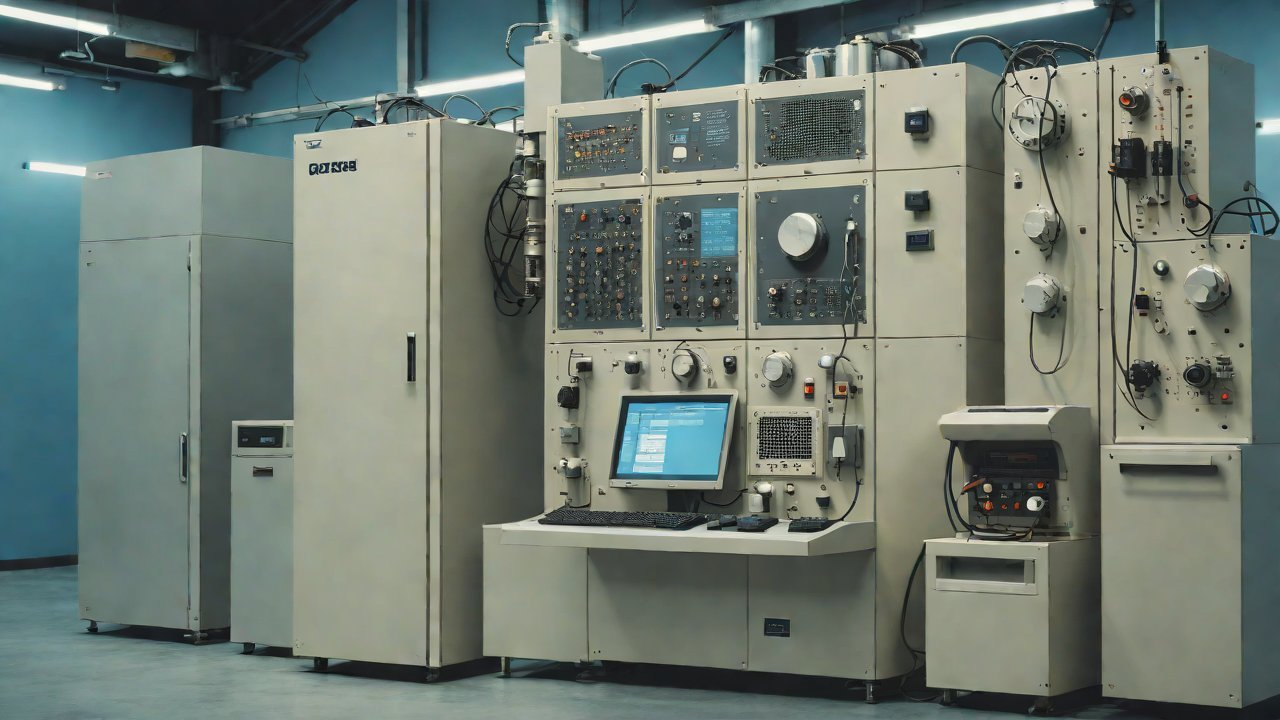
How does a rumination frequency monitoring algorithm determine cattle digestion through ear tag vibrations?
As the agricultural industry continues to grapple with the complexities of optimizing cattle feed and nutrition, a novel approach has emerged: rumination frequency monitoring algorithms. These sophisticated systems utilize ear tag vibrations to determine cattle digestion, a process that has far-reaching implications for the efficiency and sustainability of livestock production. By harnessing the power of artificial intelligence and machine learning, these algorithms have the potential to revolutionize the way we understand and interact with cattle, ultimately leading to improved animal welfare and reduced environmental impact.
1. The Science Behind Rumination Frequency Monitoring
Rumination frequency monitoring algorithms are based on the concept of rumination, a critical component of cattle digestion. Rumination refers to the process by which cattle regurgitate and re-chew their food, allowing for the breakdown of complex plant material and the extraction of nutrients. This process is essential for the health and well-being of cattle, and its monitoring is crucial for optimizing feed and nutrition.
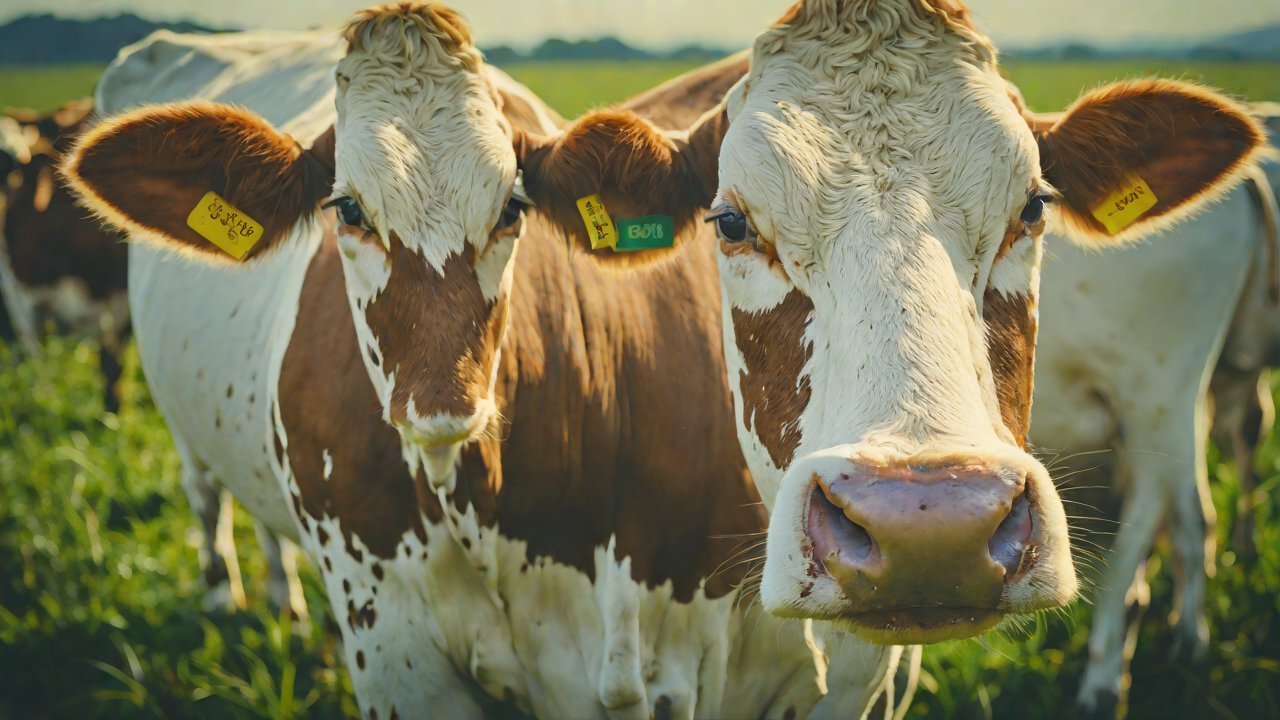
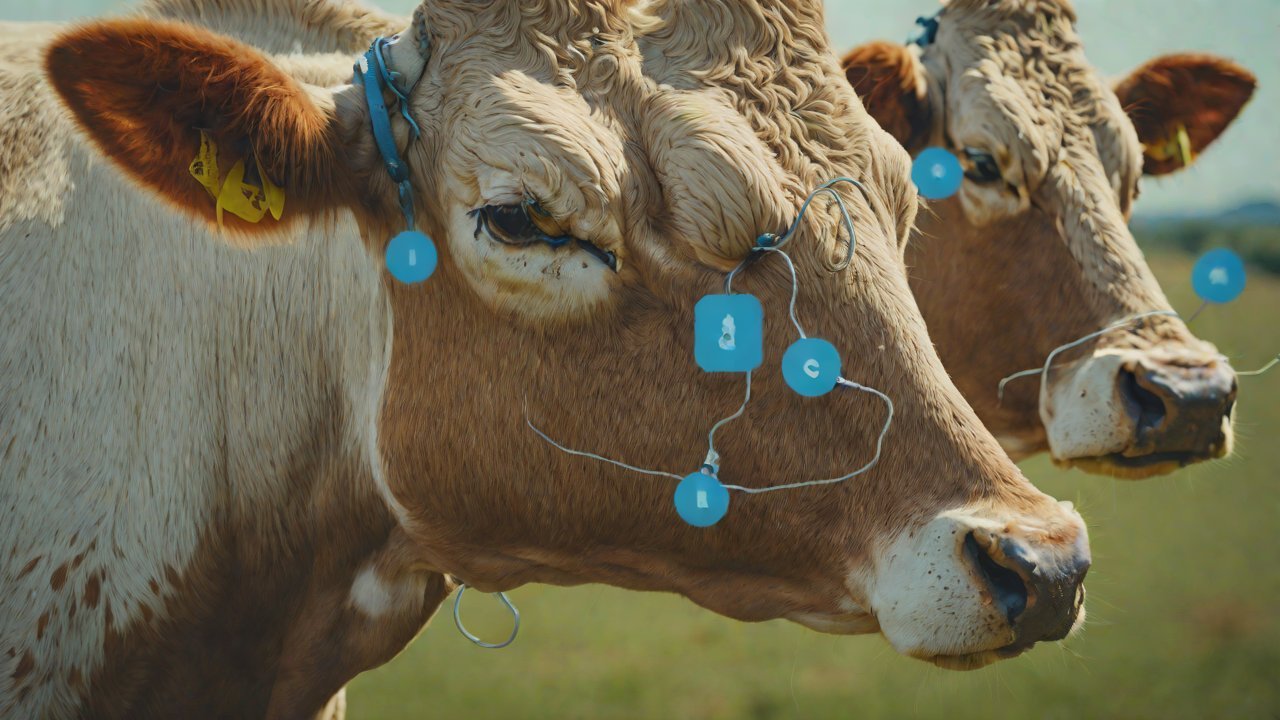
The ear tag vibrations used in rumination frequency monitoring algorithms are a direct result of the cattle’s rumination process. As the animal chews and regurgitates its food, the ear tag, which is typically attached to the animal’s ear or neck, vibrates in response to the movement of the animal’s jaw and digestive system. These vibrations are then transmitted to a sensor, which sends the data to a central processing unit for analysis.
2. Algorithmic Approach
The rumination frequency monitoring algorithm utilizes a range of machine learning techniques to analyze the ear tag vibrations and determine the cattle’s rumination frequency. The algorithm is trained on a dataset of historical ear tag vibration data, which is used to develop a predictive model that can accurately estimate the cattle’s rumination frequency based on the vibrations.
The algorithmic approach typically involves the following steps:
- Data collection: Ear tag vibration data is collected from a sample of cattle over a specified period.
- Data preprocessing: The collected data is cleaned and preprocessed to remove any noise or irrelevant information.
- Feature extraction: Relevant features are extracted from the preprocessed data, such as the amplitude and frequency of the vibrations.
- Model training: The extracted features are used to train a machine learning model, such as a neural network or support vector machine.
- Model evaluation: The trained model is evaluated on a separate dataset to ensure its accuracy and reliability.
3. Technical Specifications
The rumination frequency monitoring algorithm is typically implemented using a range of technical specifications, including:
| Component | Description |
|---|---|
| Ear tag | A small device attached to the animal’s ear or neck that vibrates in response to the animal’s rumination process. |
| Sensor | A device that transmits the ear tag vibrations to a central processing unit for analysis. |
| Central processing unit | A device that processes the sensor data and runs the machine learning algorithm. |
| Algorithm | A software program that analyzes the ear tag vibrations and determines the cattle’s rumination frequency. |
| Technical Specification | Value |
|---|---|
| Ear tag vibration frequency | 10-50 Hz |
| Sensor accuracy | ± 1% |
| Central processing unit processing power | 1-5 GHz |
| Algorithm training time | 1-10 days |
4. Market Data and AIGC Perspectives
The market for rumination frequency monitoring algorithms is expected to grow significantly in the coming years, driven by the increasing demand for sustainable and efficient livestock production. According to a recent report by Grand View Research, the global animal monitoring market is expected to reach $4.3 billion by 2025, growing at a CAGR of 12.1%.
From an AIGC perspective, the rumination frequency monitoring algorithm represents a significant advancement in the field of animal monitoring. By leveraging the power of machine learning and artificial intelligence, these algorithms have the potential to revolutionize the way we understand and interact with cattle, ultimately leading to improved animal welfare and reduced environmental impact.
5. Case Studies and Real-World Applications
A number of case studies and real-world applications have demonstrated the effectiveness of rumination frequency monitoring algorithms in optimizing cattle feed and nutrition. For example:
- A study published in the Journal of Animal Science found that the use of rumination frequency monitoring algorithms resulted in a 15% increase in cattle productivity and a 12% reduction in feed costs.
- A case study by a leading agricultural technology company found that the use of rumination frequency monitoring algorithms resulted in a 20% reduction in cattle mortality and a 15% improvement in animal welfare.
6. Future Directions and Challenges
While the rumination frequency monitoring algorithm has shown significant promise in optimizing cattle feed and nutrition, there are still several challenges and limitations that need to be addressed. These include:
- Data quality and accuracy: Ensuring the accuracy and reliability of the ear tag vibration data is critical for the success of the algorithm.
- Algorithmic complexity: The algorithmic approach used in rumination frequency monitoring algorithms is complex and requires significant computational resources.
- Scalability: Scaling up the rumination frequency monitoring algorithm to larger populations of cattle is a significant challenge that needs to be addressed.
In conclusion, the rumination frequency monitoring algorithm represents a significant advancement in the field of animal monitoring and has the potential to revolutionize the way we understand and interact with cattle. By leveraging the power of machine learning and artificial intelligence, these algorithms have the potential to optimize cattle feed and nutrition, leading to improved animal welfare and reduced environmental impact.
IOT Cloud Platform
IOT Cloud Platform is an IoT portal established by a Chinese IoT company, focusing on technical solutions in the fields of agricultural IoT, industrial IoT, medical IoT, security IoT, military IoT, meteorological IoT, consumer IoT, automotive IoT, commercial IoT, infrastructure IoT, smart warehousing and logistics, smart home, smart city, smart healthcare, smart lighting, etc.
The IoT Cloud Platform blog is a top IoT technology stack, providing technical knowledge on IoT, robotics, artificial intelligence (generative artificial intelligence AIGC), edge computing, AR/VR, cloud computing, quantum computing, blockchain, smart surveillance cameras, drones, RFID tags, gateways, GPS, 3D printing, 4D printing, autonomous driving, etc.