How does a real-time wind speed sensor coordinate with the drone to adjust spraying pressure?
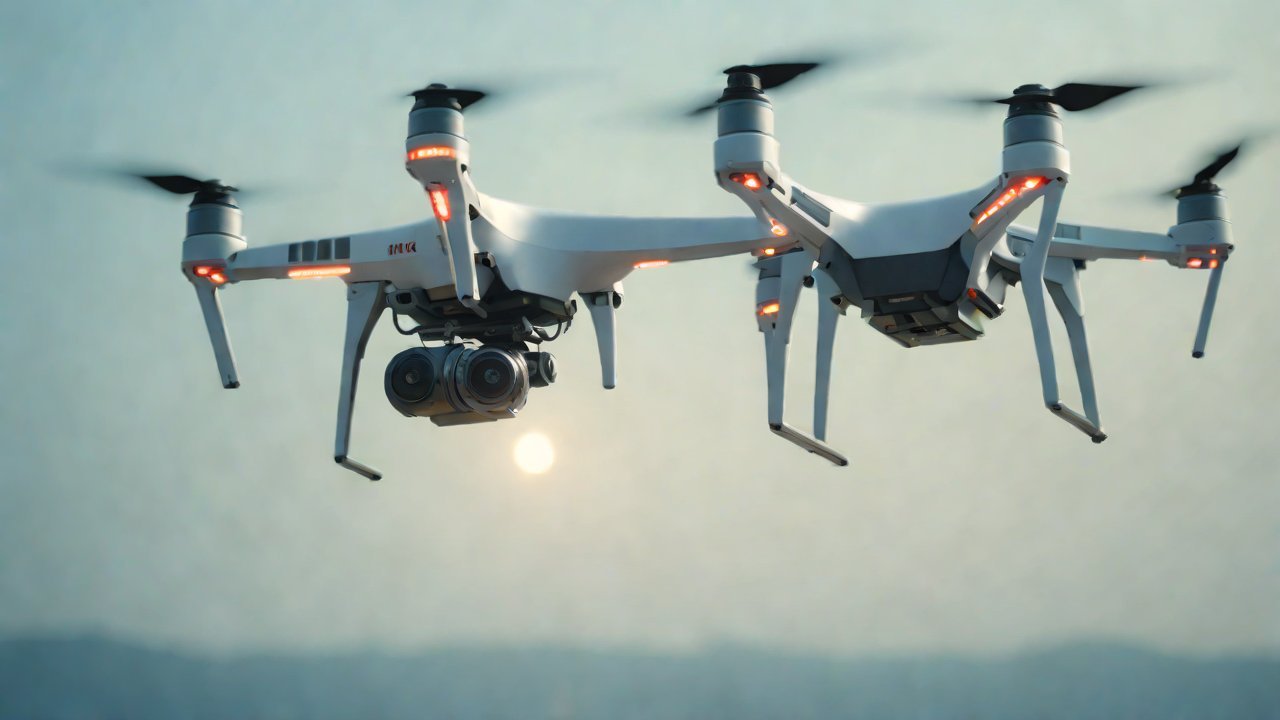
The marriage of precision agriculture and Unmanned Aerial Vehicles (UAVs) has given rise to a new era of crop management. One of the most significant challenges in this field is the ability to accurately adjust spraying pressure in real-time, taking into account wind speed and direction. This is where a real-time wind speed sensor plays a crucial role in coordinating with a drone to ensure optimal crop coverage and minimize waste.
1. Real-time Wind Speed Sensor: The Key to Precision Spraying
A real-time wind speed sensor is an essential component of precision agriculture, particularly when it comes to UAV-based spraying systems. These sensors provide continuous and accurate measurements of wind speed and direction, allowing for real-time adjustments to be made to the spraying pressure. This is critical in ensuring that the crop receives the optimal amount of fertilizer or pesticide, while minimizing waste and environmental impact.
Key Features of Real-time Wind Speed Sensors
| Feature | Description |
|---|---|
| High Accuracy | Real-time wind speed sensors provide accurate measurements of wind speed and direction, typically with an accuracy of ±1% or better. |
| High Frequency | These sensors can provide measurements at frequencies of up to 100 Hz, allowing for real-time adjustments to be made to the spraying pressure. |
| Compact Design | Real-time wind speed sensors are designed to be compact and lightweight, making them ideal for use on UAVs. |
| Low Power Consumption | These sensors are designed to consume low power, extending the flight time of the UAV and reducing the need for frequent recharging. |
2. How Real-time Wind Speed Sensors Coordinate with Drones
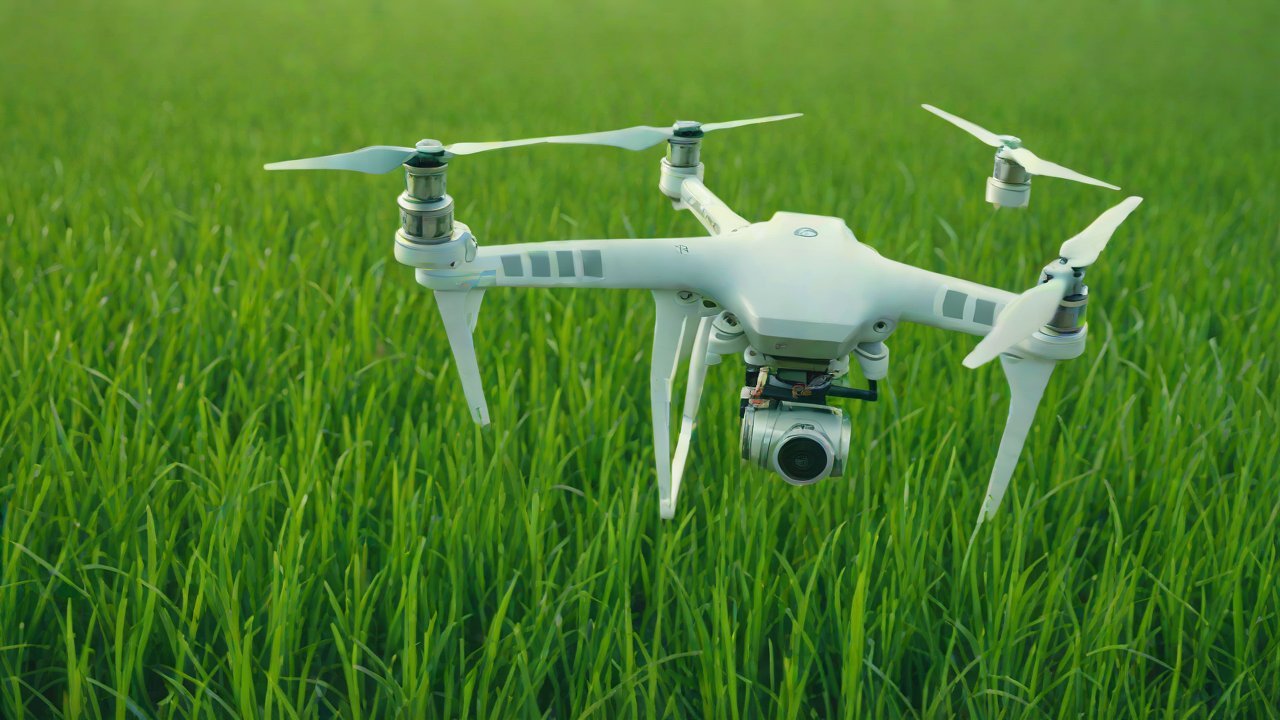
The real-time wind speed sensor is typically integrated with the drone’s control system, providing real-time data on wind speed and direction. This data is then used to adjust the spraying pressure, ensuring that the crop receives the optimal amount of fertilizer or pesticide. The sensor also takes into account the drone’s flight trajectory and speed, allowing for precise adjustments to be made to the spraying pressure.
Communication Protocols
| Protocol | Description |
|---|---|
| Serial Communication | Real-time wind speed sensors typically communicate with the drone’s control system using serial communication protocols such as UART or I2C. |
| Wireless Communication | Some real-time wind speed sensors may also communicate with the drone’s control system using wireless communication protocols such as Wi-Fi or Bluetooth. |
3. Market Trends and Analysis
The market for real-time wind speed sensors is growing rapidly, driven by the increasing adoption of precision agriculture and UAV-based spraying systems. According to a recent market research report, the global market for real-time wind speed sensors is expected to reach $1.3 billion by 2025, growing at a CAGR of 15.6% during the forecast period.
Market Drivers
| Driver | Description |
|---|---|
| Increasing Adoption of Precision Agriculture | The growing adoption of precision agriculture and UAV-based spraying systems is driving demand for real-time wind speed sensors. |
| Government Regulations | Governments are increasingly imposing regulations on pesticide and fertilizer use, driving demand for real-time wind speed sensors that can optimize crop coverage and minimize waste. |
| Technological Advancements | Advances in sensor technology are enabling the development of more accurate and reliable real-time wind speed sensors. |
4. AIGC Technical Perspectives
The use of real-time wind speed sensors in UAV-based spraying systems is a prime example of the application of Autonomous Industrial Guidance and Control (AIGC) principles. AIGC involves the use of sensors and control systems to optimize industrial processes, in this case, crop management.
AIGC Key Concepts
| Concept | Description |
|---|---|
| Real-time Sensing | Real-time wind speed sensors provide continuous and accurate measurements of wind speed and direction, allowing for real-time adjustments to be made to the spraying pressure. |
| Control Systems | The drone’s control system uses data from the real-time wind speed sensor to adjust the spraying pressure, ensuring optimal crop coverage and minimizing waste. |
| Feedback Loops | The use of real-time wind speed sensors and control systems creates a feedback loop, allowing for continuous optimization of the spraying process. |
5. Conclusion
The use of real-time wind speed sensors in UAV-based spraying systems is a critical component of precision agriculture. These sensors provide accurate and continuous measurements of wind speed and direction, allowing for real-time adjustments to be made to the spraying pressure. As the market for precision agriculture and UAV-based spraying systems continues to grow, the demand for real-time wind speed sensors is expected to increase, driven by government regulations and technological advancements.
IOT Cloud Platform
IOT Cloud Platform is an IoT portal established by a Chinese IoT company, focusing on technical solutions in the fields of agricultural IoT, industrial IoT, medical IoT, security IoT, military IoT, meteorological IoT, consumer IoT, automotive IoT, commercial IoT, infrastructure IoT, smart warehousing and logistics, smart home, smart city, smart healthcare, smart lighting, etc.
The IoT Cloud Platform blog is a top IoT technology stack, providing technical knowledge on IoT, robotics, artificial intelligence (generative artificial intelligence AIGC), edge computing, AR/VR, cloud computing, quantum computing, blockchain, smart surveillance cameras, drones, RFID tags, gateways, GPS, 3D printing, 4D printing, autonomous driving, etc.