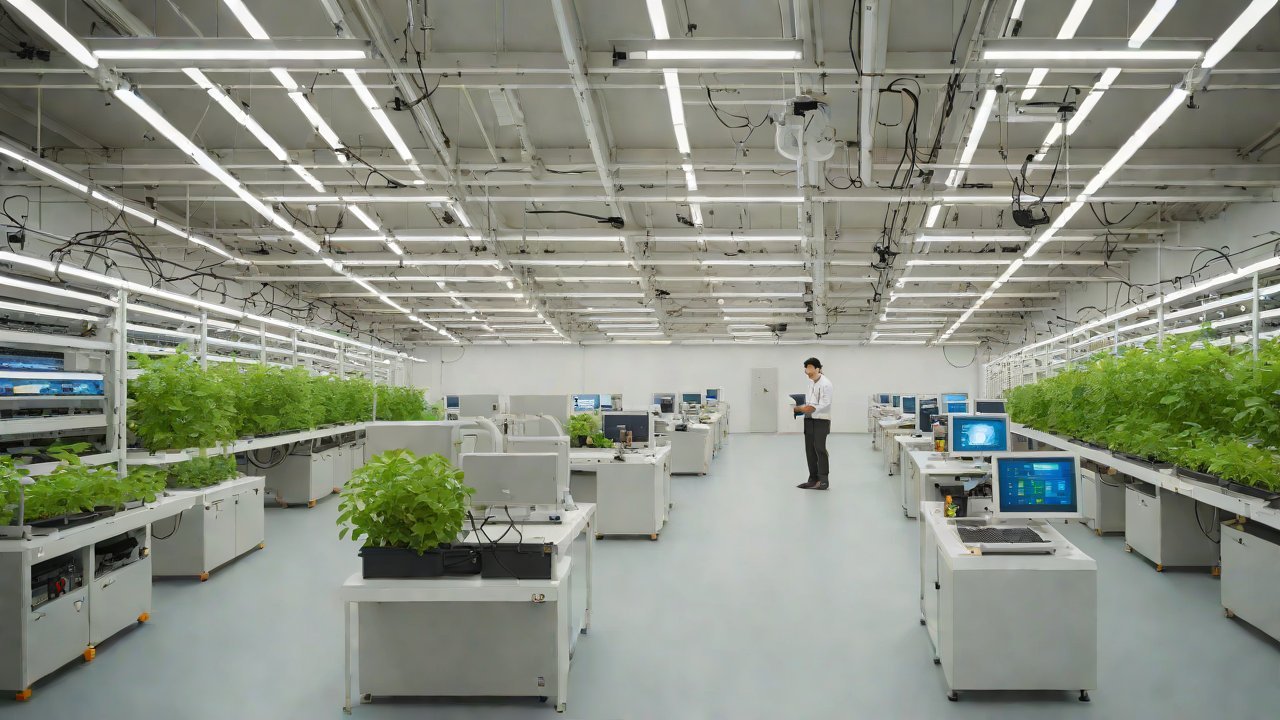
How does a fully artificial light plant factory utilize the Internet of Things (IoT) to adjust spectral formulations?
Artificial light plant factories, also known as vertical farms or indoor agriculture facilities, are revolutionizing the way we produce crops. By leveraging cutting-edge technology, including the Internet of Things (IoT), these facilities can optimize growing conditions, increase yields, and reduce environmental impact. One key area of focus for artificial light plant factories is spectral formulation – the precise combination of wavelengths and intensities of light that plants require to photosynthesize and grow. This report will delve into the ways in which a fully artificial light plant factory can utilize the IoT to adjust spectral formulations, ensuring optimal growth and maximum efficiency.
1. The Role of Light in Plant Growth
Light is a critical component of plant growth, and its spectral composition plays a vital role in photosynthesis. Plants use light to fuel their metabolic processes, converting it into energy and organic compounds. The visible spectrum, which spans from approximately 380 to 780 nanometers (nm), is the most relevant range for plant growth. Within this range, different wavelengths are absorbed by various pigments, such as chlorophyll, carotenoids, and anthocyanins, to facilitate photosynthesis.
| Wavelength (nm) | Absorbed by |
|---|---|
| 400-450 | Chlorophyll a |
| 450-495 | Chlorophyll a and b |
| 495-520 | Carotenoids |
| 520-560 | Chlorophyll b and carotenoids |
| 560-600 | Chlorophyll a and b |
| 600-780 | Carotenoids and anthocyanins |
2. The Challenge of Spectral Formulation
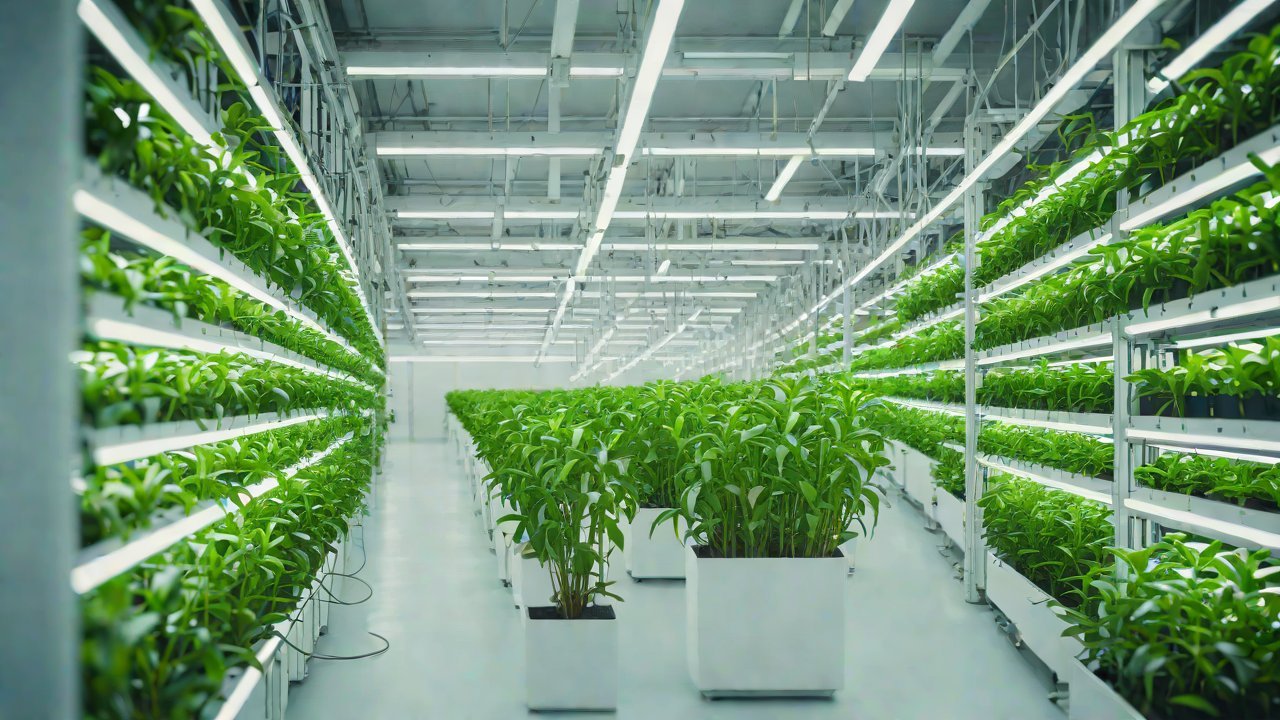
Achieving optimal spectral formulation is a complex task, as it requires balancing the needs of various plant species, growth stages, and environmental conditions. Traditional lighting systems, such as high-intensity discharge (HID) lamps, often rely on fixed spectral distributions, which may not be tailored to specific plant requirements. In contrast, artificial light plant factories can utilize advanced lighting systems, such as light-emitting diodes (LEDs), to provide precise control over spectral composition.
3. IoT and Spectral Formulation
The IoT enables real-time monitoring and control of growing conditions, including light spectra. By integrating sensors, actuators, and data analytics, artificial light plant factories can adjust spectral formulations to optimize plant growth. This may involve:
- Monitoring plant responses to different light spectra using spectroradiometers or photodiodes
- Adjusting LED spectral outputs in real-time to match plant needs
- Implementing predictive models to forecast optimal spectral formulations based on environmental factors, such as temperature, humidity, and CO2 levels
4. Market Analysis
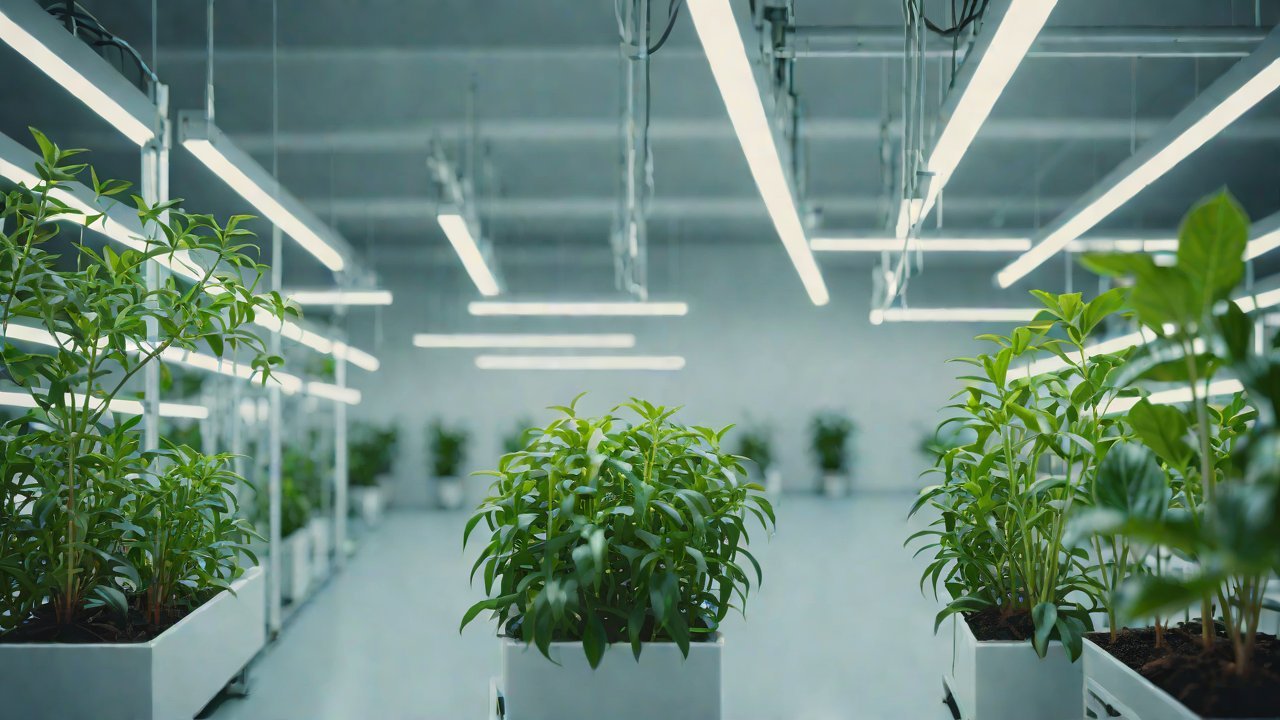
The global market for vertical farming and indoor agriculture is expected to reach $13.8 billion by 2025, growing at a CAGR of 20.2% (Source: MarketsandMarkets). The increasing adoption of IoT technologies in these facilities is driving demand for advanced lighting systems, including those that can adjust spectral formulations.
| Region | Market Size (2020) | CAGR (2020-2025) |
|---|---|---|
| North America | $3.4 billion | 22.1% |
| Europe | $2.5 billion | 20.5% |
| Asia-Pacific | $4.2 billion | 21.3% |
| Rest of World | $3.7 billion | 19.5% |
5. Technical Perspectives
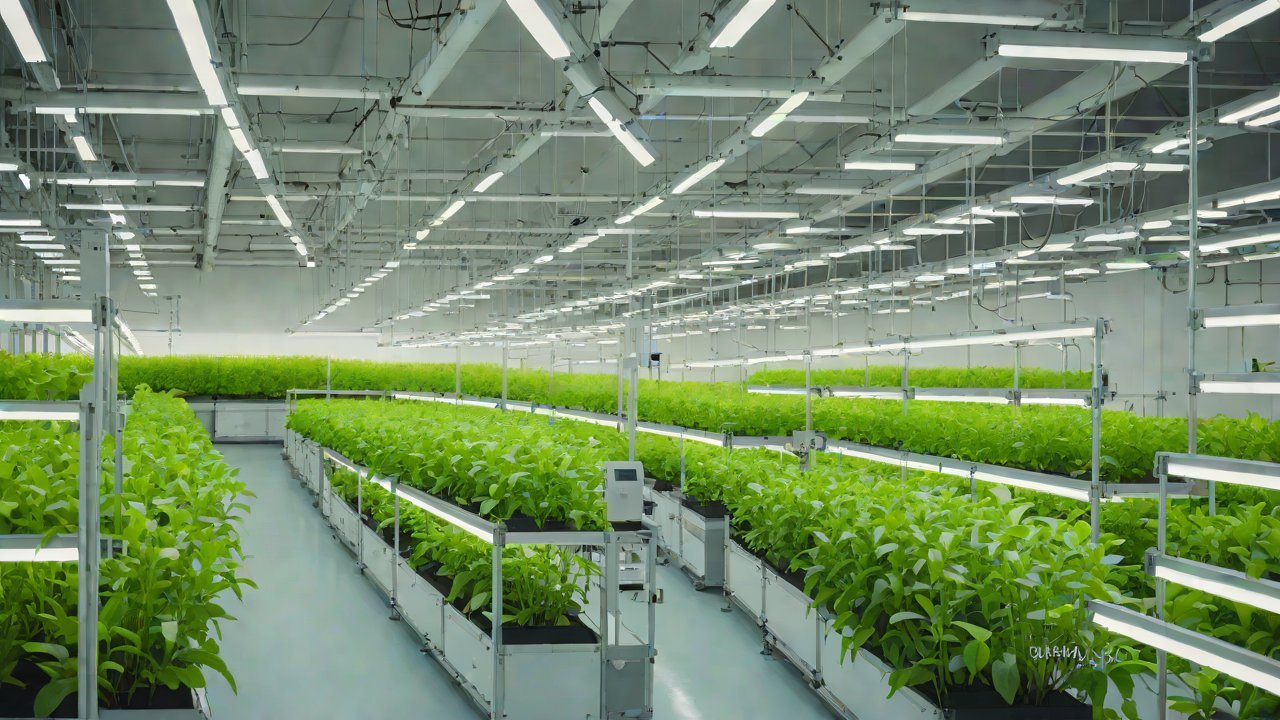
Several technical approaches can be employed to adjust spectral formulations in artificial light plant factories:
- LED spectral tuning: By adjusting the spectral outputs of LEDs, facilities can tailor light to specific plant requirements.
- Optical filtering: Using optical filters, facilities can modify the spectral composition of light emitted by LEDs.
- Spectral conversion: This approach involves converting light from one wavelength to another using optical materials or devices.
6. Case Studies
Several companies are already leveraging IoT and advanced lighting technologies to optimize spectral formulations in artificial light plant factories:
- Aurora: A vertically integrated cannabis company that uses LED lighting with spectral tuning capabilities to optimize growth.
- Green Sense: A provider of LED lighting solutions for indoor agriculture, offering spectral tuning and optimization capabilities.
- Bright Agrotech: A company that develops and implements advanced lighting systems for indoor agriculture, including those that can adjust spectral formulations.
7. Conclusion
The integration of IoT technologies and advanced lighting systems is revolutionizing the way artificial light plant factories approach spectral formulation. By leveraging real-time monitoring, predictive modeling, and precise control over spectral composition, these facilities can optimize plant growth, increase yields, and reduce environmental impact. As the market for vertical farming and indoor agriculture continues to grow, the adoption of IoT-enabled spectral formulation technologies is expected to become increasingly prevalent.
IOT Cloud Platform
IOT Cloud Platform is an IoT portal established by a Chinese IoT company, focusing on technical solutions in the fields of agricultural IoT, industrial IoT, medical IoT, security IoT, military IoT, meteorological IoT, consumer IoT, automotive IoT, commercial IoT, infrastructure IoT, smart warehousing and logistics, smart home, smart city, smart healthcare, smart lighting, etc.
The IoT Cloud Platform blog is a top IoT technology stack, providing technical knowledge on IoT, robotics, artificial intelligence (generative artificial intelligence AIGC), edge computing, AR/VR, cloud computing, quantum computing, blockchain, smart surveillance cameras, drones, RFID tags, gateways, GPS, 3D printing, 4D printing, autonomous driving, etc.



