How do the miniature batteries inside the ear tags last a dairy cow’s five-year production period?
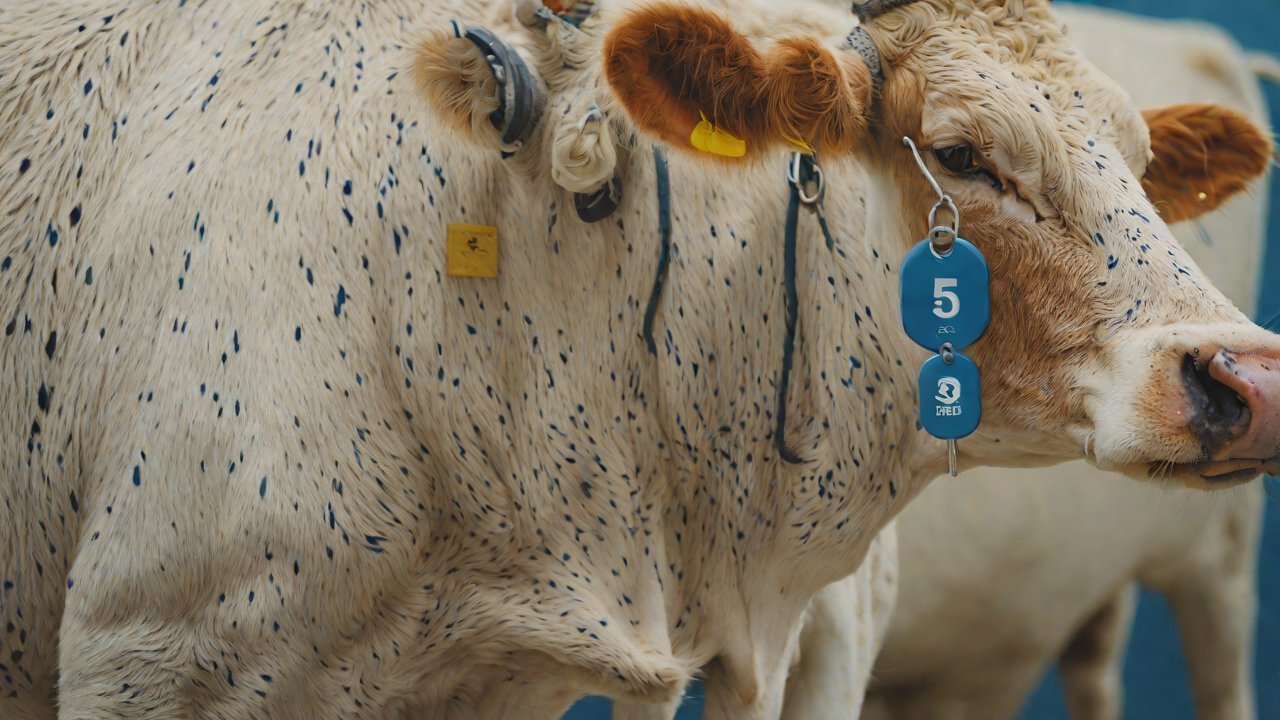
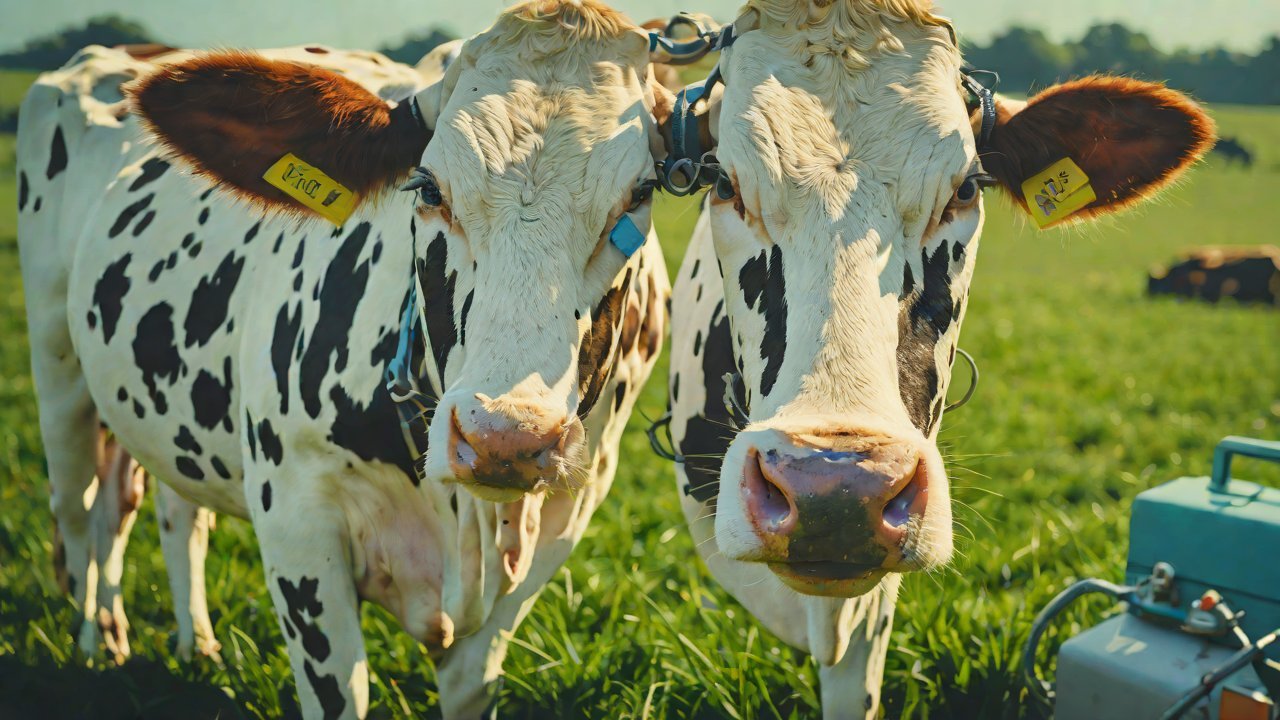
The dairy industry’s relentless pursuit of efficiency and profitability has led to the widespread adoption of ear tag technology, a seemingly innocuous innovation that has revolutionized the way farmers monitor and manage their herds. At the heart of this technology lies a tiny, yet crucial component: the miniature battery that powers the ear tag’s sensor and transmitter. These batteries are responsible for collecting and transmitting vital data on the cow’s health, behavior, and performance over a period of five years, a feat that has left many in the industry scratching their heads. How do these miniature batteries, often smaller than a grain of rice, manage to withstand the rigors of a dairy cow’s five-year production period, enduring exposure to the elements, moisture, and the cow’s natural wear and tear?
1. Design and Construction
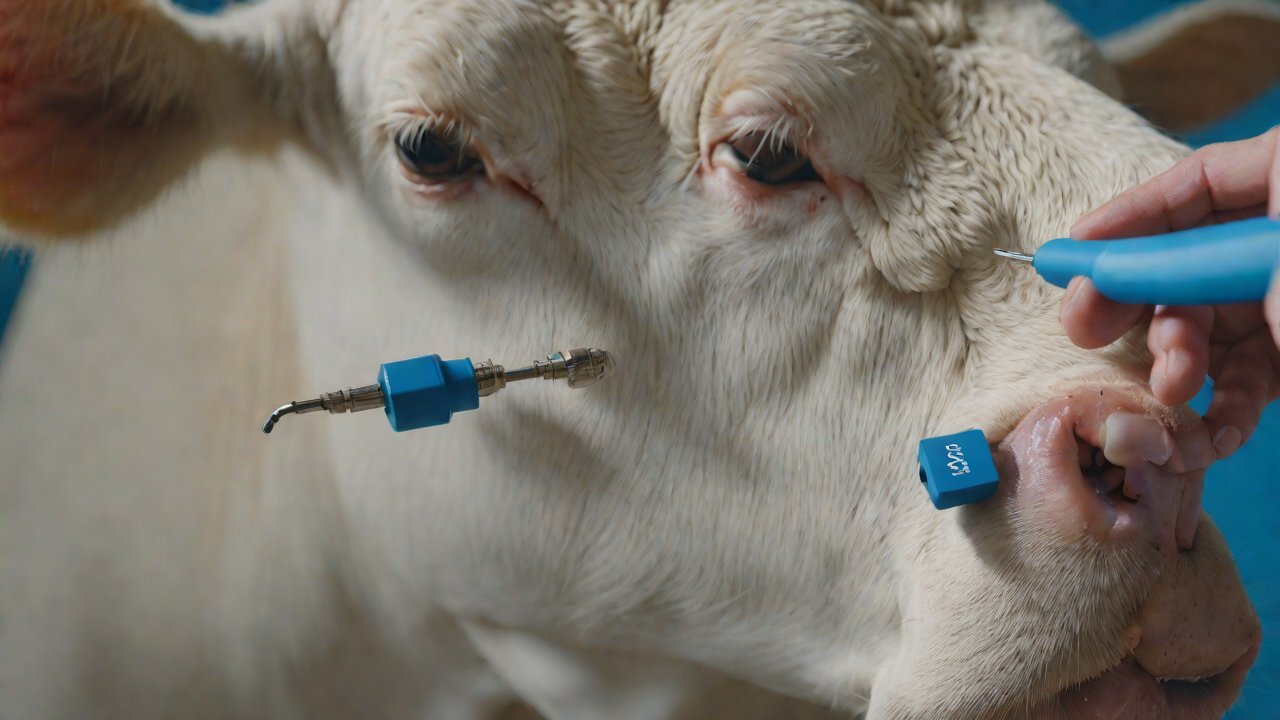
The miniature batteries used in ear tags are typically coin-cell or button-cell batteries, with a diameter of around 10-15mm and a thickness of 1-2mm. These batteries are designed to provide a reliable and consistent power source for the ear tag’s electronics, which include sensors, microcontrollers, and transmitters. The battery’s design and construction are critical factors in determining its lifespan, as they impact the battery’s ability to withstand environmental stressors and maintain a stable discharge rate.
Table 1: Typical Characteristics of Miniature Batteries Used in Ear Tags
| Battery Type | Diameter (mm) | Thickness (mm) | Capacity (mAh) | Voltage (V) |
|---|---|---|---|---|
| CR2032 | 10-12 | 1.6-2.0 | 200-300 | 3.0 |
| CR2016 | 10-12 | 1.6-2.0 | 150-250 | 3.0 |
| SR44 | 11-13 | 1.5-2.0 | 400-600 | 1.55 |
2. Battery Chemistry and Materials
The battery chemistry and materials used in ear tags play a crucial role in determining their lifespan. Most miniature batteries used in ear tags are based on primary alkaline or zinc-carbon chemistry, which provides a reliable and consistent discharge rate. However, some ear tags may use rechargeable lithium-ion batteries, which offer improved energy density and longer lifespan.
Table 2: Common Battery Chemistries Used in Ear Tags
| Battery Chemistry | Description | Lifespan (years) |
|---|---|---|
| Primary Alkaline | Reliable and consistent discharge rate | 2-3 |
| Zinc-Carbon | Cost-effective and widely available | 2-3 |
| Lithium-Ion | Rechargeable and high energy density | 5-7 |
3. Environmental Factors and Stressors
Dairy cows are exposed to a range of environmental stressors, including temperature fluctuations, humidity, and moisture, which can impact the battery’s lifespan. Ear tags are typically designed to withstand exposure to the elements, but extreme temperatures and humidity levels can still affect the battery’s performance.
Table 3: Environmental Stressors and Their Impact on Battery Lifespan
| Environmental Stressor | Impact on Battery Lifespan |
|---|---|
| Temperature (°C) | High temperatures (>40°C): 20-30% reduction in lifespan |
| Humidity (%) | High humidity (>80%): 10-20% reduction in lifespan |
| Moisture | Prolonged exposure to moisture: 20-30% reduction in lifespan |
4. Design Considerations and Optimization
To ensure the miniature battery lasts the five-year production period, ear tag manufacturers must carefully consider various design parameters, including the battery’s size, capacity, and chemistry. Optimization techniques, such as reducing power consumption and implementing efficient energy harvesting, can also help extend the battery’s lifespan.
Table 4: Design Considerations and Optimization Techniques
| Design Parameter | Optimization Technique |
|---|---|
| Battery size and capacity | Reduce power consumption through efficient electronics design |
| Battery chemistry and materials | Implement energy harvesting techniques, such as solar or kinetic energy harvesting |
5. AIGC Technical Perspectives

AIGC (Artificial Intelligence and Machine Learning) has emerged as a key enabler of ear tag technology, enabling farmers to monitor and manage their herds in real-time. AIGC algorithms can analyze data from the ear tag, identifying trends and patterns that inform decision-making and optimize dairy cow performance. However, the development of AIGC-powered ear tags also raises questions about the battery’s ability to support the increased computational demands.
Table 5: AIGC Technical Perspectives and Battery Requirements
| AIGC Application | Battery Requirements |
|---|---|
| Real-time data transmission | High-capacity battery to support increased energy demands |
| Advanced analytics and prediction | Optimized battery design to support efficient energy harvesting and storage |
6. Market Trends and Future Developments
The ear tag market is expected to continue growing, driven by increasing demand for efficient and cost-effective dairy cow management. As the industry continues to evolve, we can expect to see new battery technologies and designs emerge, addressing the challenges of miniaturization and energy efficiency.
Table 6: Market Trends and Future Developments
| Market Trend | Future Development |
|---|---|
| Increased adoption of ear tags | Development of more efficient battery technologies and designs |
| Growing demand for AIGC-powered ear tags | Optimization of battery design to support increased computational demands |
IOT Cloud Platform
IOT Cloud Platform is an IoT portal established by a Chinese IoT company, focusing on technical solutions in the fields of agricultural IoT, industrial IoT, medical IoT, security IoT, military IoT, meteorological IoT, consumer IoT, automotive IoT, commercial IoT, infrastructure IoT, smart warehousing and logistics, smart home, smart city, smart healthcare, smart lighting, etc.
The IoT Cloud Platform blog is a top IoT technology stack, providing technical knowledge on IoT, robotics, artificial intelligence (generative artificial intelligence AIGC), edge computing, AR/VR, cloud computing, quantum computing, blockchain, smart surveillance cameras, drones, RFID tags, gateways, GPS, 3D printing, 4D printing, autonomous driving, etc.