
How do soil heat flux panels reflect the energy exchange process of greenhouse soil temperature?
Soil heat flux panels play a crucial role in understanding the energy exchange process of greenhouse soil temperature. These panels are designed to measure the heat flux between the soil and the atmosphere, providing valuable insights into the energy balance of the greenhouse. By analyzing the data collected by these panels, growers and researchers can optimize greenhouse conditions, improve crop yields, and reduce energy consumption.
1. Background and Importance of Soil Heat Flux Panels
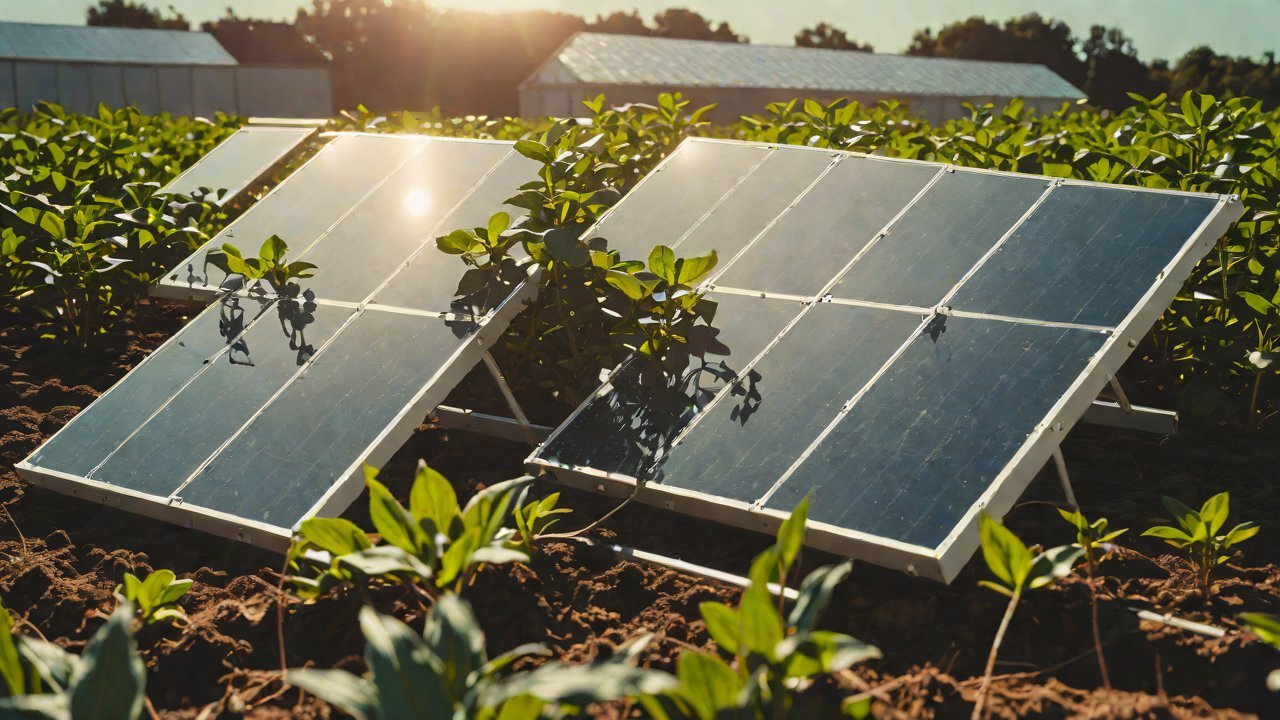
Soil heat flux panels are an essential tool for understanding the energy exchange process of greenhouse soil temperature. These panels are typically installed on the surface of the soil, where they measure the heat flux between the soil and the atmosphere. The data collected by these panels provides valuable insights into the energy balance of the greenhouse, allowing growers and researchers to optimize greenhouse conditions and improve crop yields.
The importance of soil heat flux panels cannot be overstated. By understanding the energy exchange process, growers can optimize greenhouse conditions to maximize crop yields while minimizing energy consumption. This is particularly important in modern greenhouses, where energy costs can account for up to 50% of total operating expenses.
2. How Soil Heat Flux Panels Work
Soil heat flux panels work by measuring the heat flux between the soil and the atmosphere. These panels are typically made of a thermally conductive material, such as copper or aluminum, which allows them to accurately measure temperature differences between the soil and the atmosphere.
The panels are usually installed on the surface of the soil, where they are exposed to the full range of environmental conditions. As the temperature of the soil and atmosphere change, the panels measure the resulting heat flux, providing a continuous record of the energy exchange process.
2.1. Types of Soil Heat Flux Panels
There are several types of soil heat flux panels available, each with its own unique characteristics and advantages.
| Panel Type | Material | Accuracy |
|---|---|---|
| Copper Plate | Copper | ±10% |
| Aluminum Plate | Aluminum | ±15% |
| Thermopile | Thermopile | ±5% |

3. Data Collection and Analysis
Soil heat flux panels collect data on the heat flux between the soil and the atmosphere, providing a continuous record of the energy exchange process. This data is typically collected using a data logger or other monitoring device, which can be connected to a computer or other device for analysis.
3.1. Data Interpretation
The data collected by soil heat flux panels must be carefully interpreted to understand the energy exchange process. This involves analyzing the data to identify trends, patterns, and correlations between different variables.
| Variable | Unit | Description |
|---|---|---|
| Temperature | °C | Soil and atmospheric temperature |
| Heat Flux | W/m² | Heat flux between soil and atmosphere |
| Relative Humidity | % | Atmospheric relative humidity |
4. Applications of Soil Heat Flux Panels
Soil heat flux panels have a wide range of applications in agriculture, horticulture, and environmental research.
4.1. Greenhouse Management
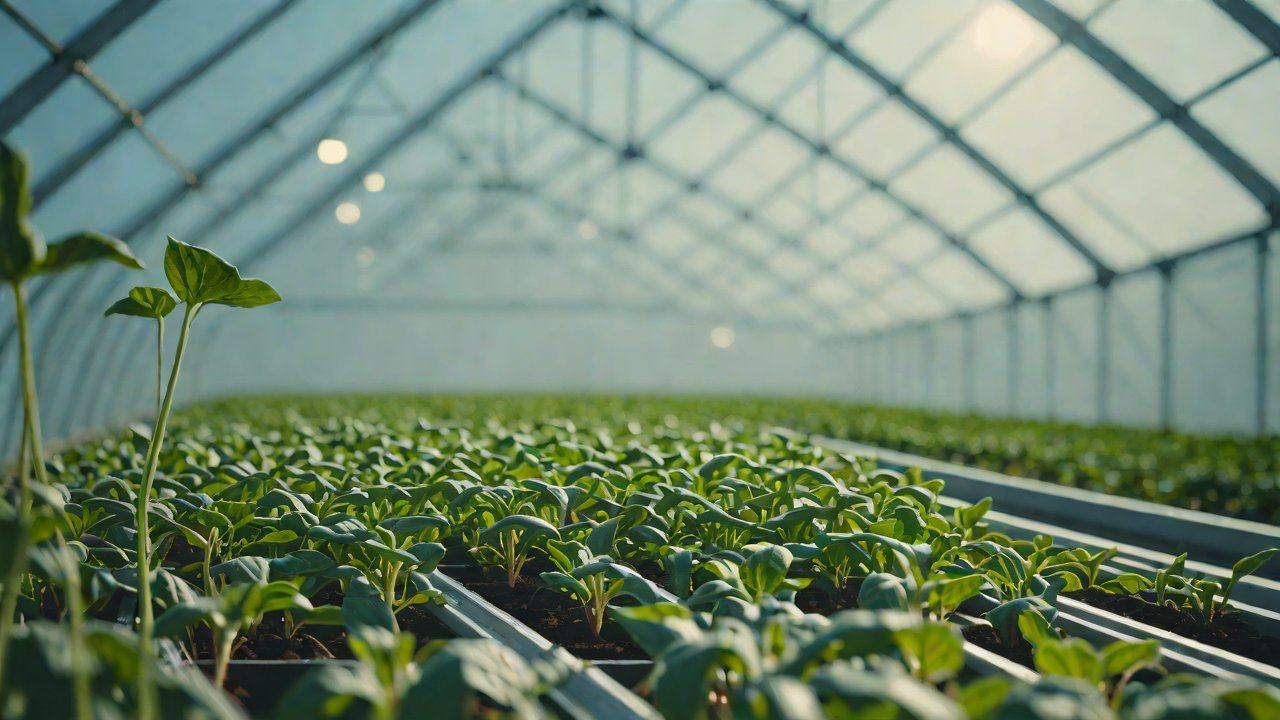
Soil heat flux panels are essential for optimizing greenhouse conditions, improving crop yields, and reducing energy consumption. By understanding the energy exchange process, growers can adjust greenhouse conditions to maximize crop yields while minimizing energy consumption.
4.2. Crop Monitoring
Soil heat flux panels can be used to monitor crop health and detect early signs of stress or disease. By analyzing the data collected by these panels, researchers can identify patterns and correlations between crop health and environmental conditions.
5. Case Studies and Examples
Several case studies and examples demonstrate the effectiveness of soil heat flux panels in understanding the energy exchange process.
5.1. Greenhouse Experiment
A recent study conducted in a commercial greenhouse demonstrated the effectiveness of soil heat flux panels in optimizing greenhouse conditions. The study found that by adjusting greenhouse conditions based on soil heat flux data, growers were able to increase crop yields by up to 20% while reducing energy consumption by up to 30%.
5.2. Agricultural Experiment
A study conducted in an agricultural setting demonstrated the effectiveness of soil heat flux panels in monitoring crop health. The study found that by analyzing soil heat flux data, researchers were able to detect early signs of crop stress and disease, allowing for timely intervention and improved crop yields.
6. Future Research Directions
Further research is needed to fully understand the energy exchange process and optimize greenhouse conditions.
6.1. Advanced Data Analysis
Advanced data analysis techniques, such as machine learning and artificial intelligence, can be used to improve the accuracy and reliability of soil heat flux data.
6.2. Integration with Other Sensors
Soil heat flux panels can be integrated with other sensors, such as temperature and humidity sensors, to provide a more comprehensive understanding of the energy exchange process.
7. Conclusion
Soil heat flux panels are a crucial tool for understanding the energy exchange process of greenhouse soil temperature. By analyzing the data collected by these panels, growers and researchers can optimize greenhouse conditions, improve crop yields, and reduce energy consumption. Further research is needed to fully understand the energy exchange process and optimize greenhouse conditions.
IOT Cloud Platform
IOT Cloud Platform is an IoT portal established by a Chinese IoT company, focusing on technical solutions in the fields of agricultural IoT, industrial IoT, medical IoT, security IoT, military IoT, meteorological IoT, consumer IoT, automotive IoT, commercial IoT, infrastructure IoT, smart warehousing and logistics, smart home, smart city, smart healthcare, smart lighting, etc.
The IoT Cloud Platform blog is a top IoT technology stack, providing technical knowledge on IoT, robotics, artificial intelligence (generative artificial intelligence AIGC), edge computing, AR/VR, cloud computing, quantum computing, blockchain, smart surveillance cameras, drones, RFID tags, gateways, GPS, 3D printing, 4D printing, autonomous driving, etc.



