How do sensors guide the first irrigation during the spring greening stage in wheat-growing areas of North China?
The vast expanse of North China’s wheat-growing regions is a testament to the country’s agricultural prowess, where precision and efficiency are paramount for maximizing yields. As the seasons shift with spring’s arrival, the delicate balance between moisture and growth becomes increasingly crucial. Sensors, an integral component in modern agriculture, play a pivotal role during this critical period by guiding the first irrigation of the wheat crops.
1. Understanding the Spring Greening Stage
The spring greening stage is a critical phase in wheat development, marking the transition from dormancy to active growth. It’s a time when the crop begins to sprout and develop its initial foliage, requiring precise environmental conditions for optimal progress. The first irrigation of this stage is not just about providing water; it’s about creating an environment conducive to healthy growth and minimizing risks associated with drought or overwatering.
Table 1: Key Characteristics of Spring Greening Stage
| Characteristics | |
|---|---|
| Temperature | Optimal range: 4-15°C (40°F – 59°F) for wheat germination |
| Soil Moisture | Sufficient moisture, but not waterlogged to prevent root rot |
| Precipitation | Adequate rainfall or irrigation to support growth |
2. The Role of Sensors in Irrigation Management
Sensors are the eyes and ears of modern agriculture, providing real-time data on temperature, soil moisture, and other critical factors that influence crop health. During the spring greening stage, sensors help farmers make informed decisions regarding irrigation by:
-
Monitoring Soil Moisture: With advanced technologies such as capacitance or resistance sensors, farmers can accurately measure soil moisture levels, avoiding overwatering which can lead to root rot.
-
Tracking Temperature: Thermocouple sensors allow for precise monitoring of temperature fluctuations, ensuring that wheat is neither exposed to damagingly high nor low temperatures during germination and early growth stages.
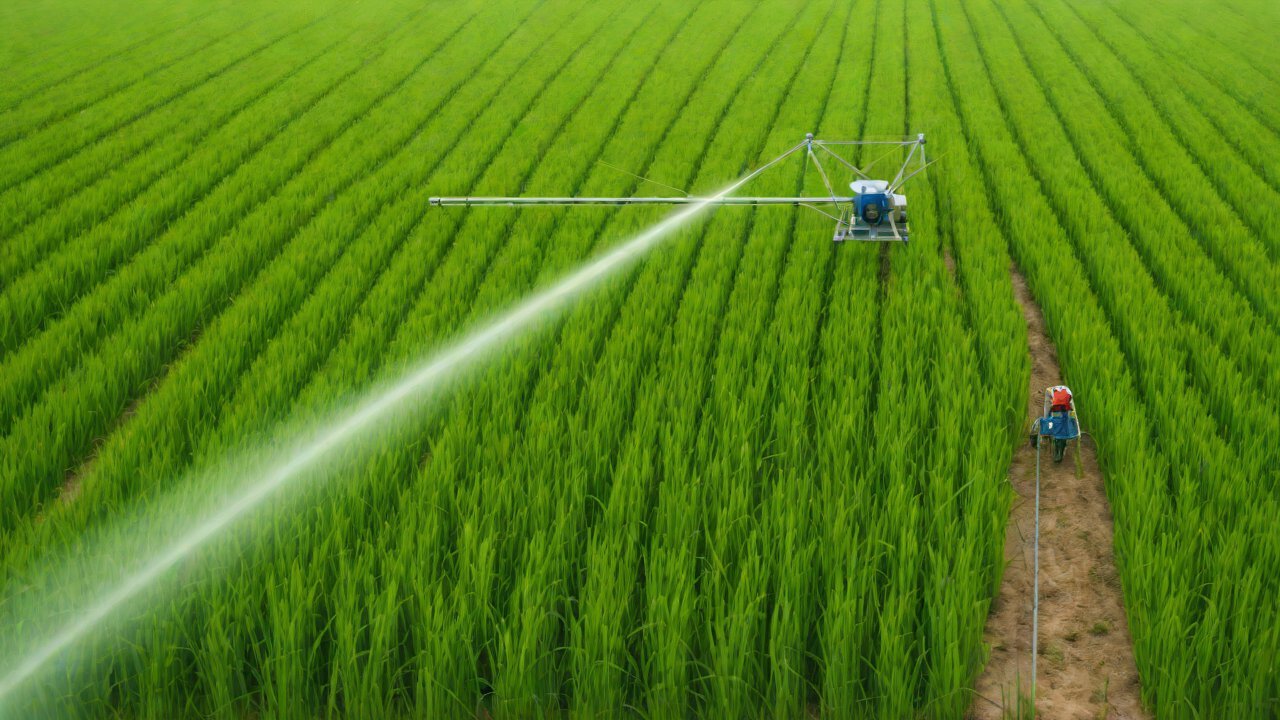
Table 2: Types of Sensors Used in Irrigation Management
| Sensor Type | Description | |
|---|---|---|
| Soil Moisture | Capacitance sensors | Measure electrical capacitance changes due to moisture variations |
| Temperature | Thermocouple sensors | Generate a small voltage when there’s a temperature difference |
3. Precision Irrigation Systems and Their Adoption
Precision irrigation systems, often supported by advanced sensor technologies, have become increasingly prevalent in North China’s wheat-growing regions. These systems allow for:
-
Variable Rate Irrigation (VRI): Applying water at varying rates depending on the specific needs of different areas within a field.
-
Drip Irrigation: Delivering water directly to roots through tubes, minimizing evaporation and runoff.
Table 3: Adoption Rates of Precision Irrigation Systems in North China
| Province | VRI Adoption Rate (%) | Drip Irrigation Adoption Rate (%) |
|---|---|---|
| Hebei | 65% | 45% |
| Henan | 58% | 32% |
| Shandong | 72% | 50% |
4. Market Data and Technological Advancements
The market for precision irrigation systems and associated sensors is growing rapidly, driven by increasing awareness of water conservation and the need for higher yields. Key players in this space are investing heavily in research and development to improve sensor accuracy and system efficiency.
Table 4: Market Growth Projections (2023-2030)
| Category | Projected Growth Rate (%) |
|---|---|
| Precision Irrigation Systems | 12.5% |
| Sensor Technology | 15.6% |
5. Challenges and Future Directions
Despite the progress made, challenges such as ensuring uniformity in sensor data interpretation across different regions and integrating these systems with existing agricultural practices remain. Additionally, there’s a need for further research into how sensors can be used to monitor other factors critical to wheat growth.
Table 5: Emerging Trends and Challenges
| Trend/Challenge | Description |
|---|---|
| Integration with AI | Leveraging artificial intelligence for predictive analytics and decision support systems |
| Standardization of Sensor Data | Ensuring uniformity in data interpretation across different regions |
In conclusion, sensors have revolutionized the way irrigation is managed during the spring greening stage in North China’s wheat-growing areas. With their ability to provide real-time data on critical factors such as soil moisture and temperature, farmers can make informed decisions that optimize growth conditions while minimizing waste. As technology continues to evolve, we can expect even more sophisticated systems that integrate artificial intelligence and advanced sensor technologies to further enhance agricultural productivity in this region.
IOT Cloud Platform
IOT Cloud Platform is an IoT portal established by a Chinese IoT company, focusing on technical solutions in the fields of agricultural IoT, industrial IoT, medical IoT, security IoT, military IoT, meteorological IoT, consumer IoT, automotive IoT, commercial IoT, infrastructure IoT, smart warehousing and logistics, smart home, smart city, smart healthcare, smart lighting, etc.
The IoT Cloud Platform blog is a top IoT technology stack, providing technical knowledge on IoT, robotics, artificial intelligence (generative artificial intelligence AIGC), edge computing, AR/VR, cloud computing, quantum computing, blockchain, smart surveillance cameras, drones, RFID tags, gateways, GPS, 3D printing, 4D printing, autonomous driving, etc.
Note: This article was professionally generated with the assistance of AIGC and has been fact-checked and manually corrected by IoT expert editor IoTCloudPlatForm.