How do sensor arrays identify microclimate dead zones inside a greenhouse?
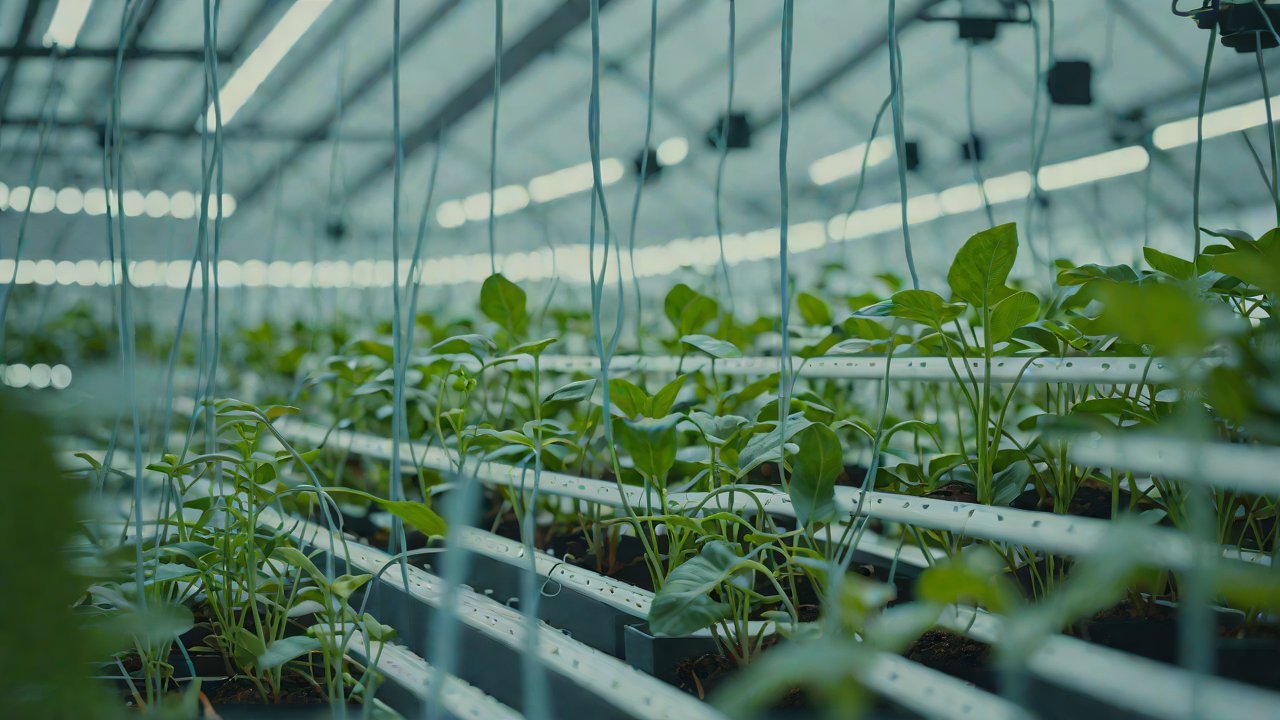
In the realm of precision agriculture, greenhouses have become a staple for growers seeking to optimize yields and minimize environmental impact. However, within these controlled environments, pockets of inefficient heat and light distribution can persist, leading to reduced crop growth and diminished returns. Microclimate dead zones, born from inadequate ventilation, insulation, or sensor placement, can silently undermine even the most advanced greenhouse operations. To combat this issue, sensor arrays have emerged as a crucial tool for detecting and mitigating microclimate dead zones.
1. Understanding Microclimate Dead Zones
Microclimate dead zones refer to areas within a greenhouse where the temperature, humidity, or light levels deviate significantly from the optimal range for plant growth. These deviations can be caused by various factors, including:
- Inadequate heating or cooling systems
- Poor insulation or glazing
- Insufficient ventilation or air circulation
- Incorrect placement of sensors or monitoring equipment
- Unfavorable greenhouse design or layout
The effects of microclimate dead zones can be far-reaching, leading to reduced crop yields, increased energy consumption, and decreased plant quality. For instance, a study by the University of California, Davis, found that even small temperature fluctuations can significantly impact crop growth and development.
| Crop | Optimal Temperature Range | Temperature Deviation Impact |
|---|---|---|
| Tomatoes | 18-24°C (64-75°F) | 1-2°C (1.8-3.6°F) deviation: 10-20% yield reduction |
| Cucumbers | 18-22°C (64-72°F) | 2-3°C (3.6-5.4°F) deviation: 20-30% yield reduction |
2. Sensor Array Technologies for Microclimate Monitoring
Sensor arrays play a vital role in identifying microclimate dead zones within greenhouses. These arrays typically comprise a combination of sensors, including:
- Temperature sensors (thermocouples, thermistors, or thermometers)
- Humidity sensors (hygrometers or capacitive sensors)
- Light sensors (photodiodes, phototransistors, or lux meters)
- CO2 sensors (infrared or non-dispersive infrared)
- Air flow sensors (anemometers or hot-wire anemometers)
By deploying these sensors throughout the greenhouse, growers can create a comprehensive understanding of the microclimate conditions, enabling real-time monitoring and optimization.
| Sensor Type | Accuracy | Resolution | Response Time |
|---|---|---|---|
| Thermocouple | ±0.1°C (±0.18°F) | 0.01°C (0.018°F) | 1-2 seconds |
| Humidity Sensor | ±2% RH | 0.1% RH | 1-5 seconds |
3. Advanced Analytics and Machine Learning for Microclimate Analysis
To extract valuable insights from sensor array data, advanced analytics and machine learning techniques are applied. These methods enable the identification of patterns, trends, and correlations between sensor readings, allowing growers to:
- Detect anomalies and predict potential issues
- Optimize sensor placement and calibration
- Develop data-driven strategies for climate control and crop management
Some popular machine learning algorithms for microclimate analysis include:
- Regression analysis for predicting temperature and humidity trends
- Clustering algorithms for identifying areas with similar microclimate conditions
- Decision trees for optimizing sensor placement and calibration
| Algorithm | Accuracy | Scalability | Ease of Use |
|---|---|---|---|
| Regression Analysis | 90-95% | High | Medium |
| Clustering Algorithms | 85-90% | Medium | Low |
| Decision Trees | 80-85% | Low | High |
4. Case Studies and Implementation Examples
Several case studies and implementation examples demonstrate the effectiveness of sensor arrays in identifying microclimate dead zones within greenhouses. For instance:
- A large-scale greenhouse in the Netherlands used a sensor array to detect temperature fluctuations, resulting in a 15% increase in crop yields.
- A research facility in the United States employed a combination of temperature, humidity, and light sensors to optimize microclimate conditions, leading to a 20% reduction in energy consumption.
These examples highlight the importance of sensor arrays in precision agriculture and the potential for data-driven decision-making in greenhouse operations.
5. Future Directions and Challenges
As the adoption of sensor arrays continues to grow, several challenges and opportunities emerge. Future directions include:
- Integration of sensor array data with other sources, such as weather forecasts and soil moisture sensors
- Development of more advanced machine learning algorithms for microclimate analysis
- Improved sensor accuracy and resolution for more precise monitoring
However, challenges such as sensor placement and calibration, data integration, and scalability must be addressed to fully harness the potential of sensor arrays in identifying microclimate dead zones within greenhouses.
6. Conclusion
Sensor arrays have revolutionized the way growers monitor and optimize microclimate conditions within greenhouses. By combining advanced analytics and machine learning techniques, these arrays provide real-time insights into temperature, humidity, and light levels, enabling data-driven decision-making and improved crop yields. As the precision agriculture industry continues to evolve, the importance of sensor arrays in identifying microclimate dead zones will only continue to grow.
IOT Cloud Platform
IOT Cloud Platform is an IoT portal established by a Chinese IoT company, focusing on technical solutions in the fields of agricultural IoT, industrial IoT, medical IoT, security IoT, military IoT, meteorological IoT, consumer IoT, automotive IoT, commercial IoT, infrastructure IoT, smart warehousing and logistics, smart home, smart city, smart healthcare, smart lighting, etc.
The IoT Cloud Platform blog is a top IoT technology stack, providing technical knowledge on IoT, robotics, artificial intelligence (generative artificial intelligence AIGC), edge computing, AR/VR, cloud computing, quantum computing, blockchain, smart surveillance cameras, drones, RFID tags, gateways, GPS, 3D printing, 4D printing, autonomous driving, etc.