How do multispectral sensors monitor photosynthetically active radiation (RADR) in a greenhouse in real time?
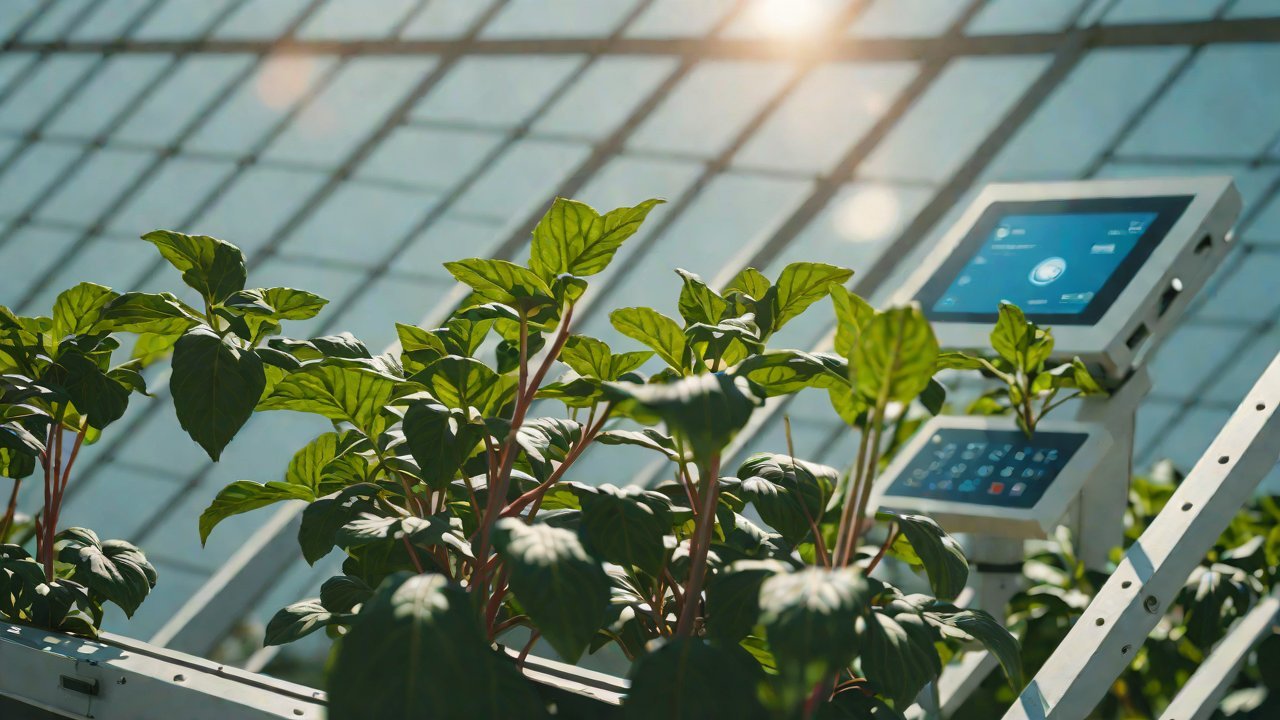
Photosynthetically active radiation (PAR) is a crucial factor in greenhouse agriculture, as it directly affects crop growth and yield. In a controlled environment like a greenhouse, precise monitoring of PAR is essential to optimize plant growth and reduce energy consumption. Multispectral sensors have emerged as a game-changer in this regard, enabling real-time monitoring of PAR with high accuracy. In this report, we will delve into the world of multispectral sensors and explore how they monitor PAR in greenhouses.
1. Understanding Multispectral Sensors
Multispectral sensors are designed to capture data across a range of wavelengths, typically between 400-1000nm. This allows them to detect subtle changes in plant health and growth, including PAR. The most common types of multispectral sensors used in greenhouses are:
| Sensor Type | Wavelength Range | Application |
|---|---|---|
| CMOS | 400-700nm | Chlorophyll content, plant health |
| CCD | 400-1000nm | PAR, temperature, humidity |
| Hyperspectral | 400-2500nm | Detailed spectral analysis, soil moisture |
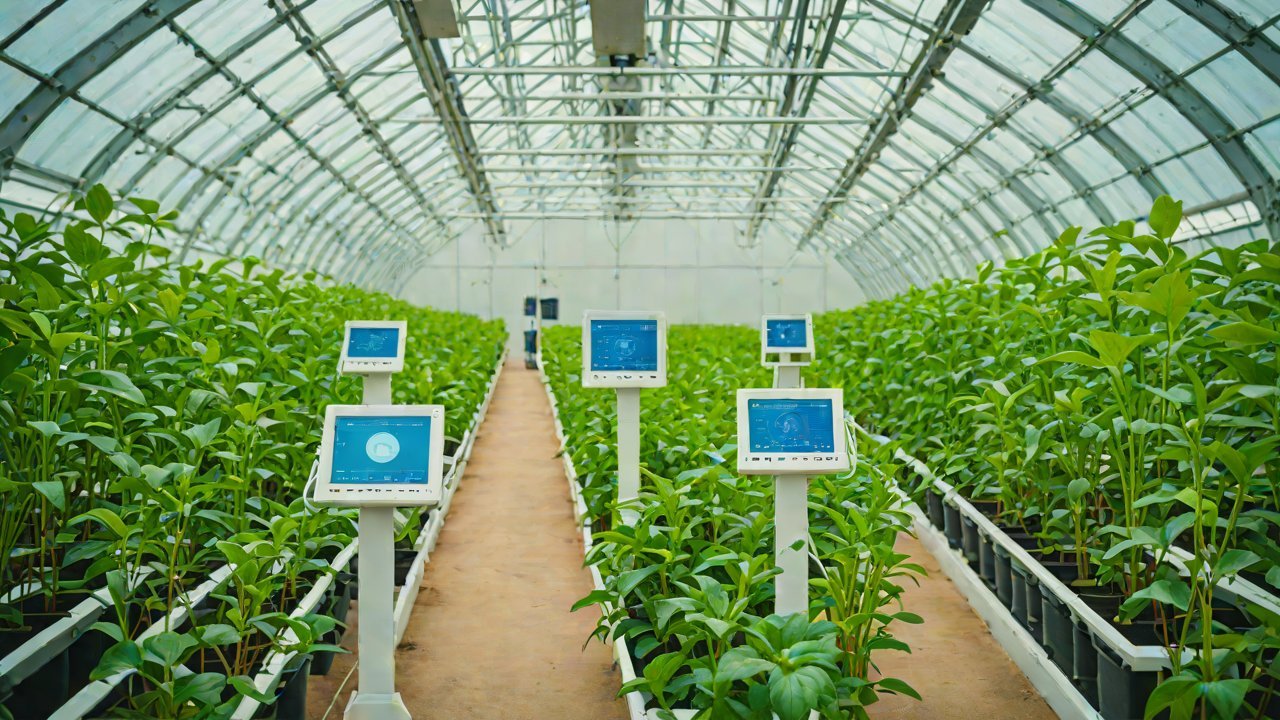
2. How Multispectral Sensors Monitor PAR
Multispectral sensors monitor PAR by measuring the amount of electromagnetic radiation that is absorbed by plants. This is achieved through a process called spectral reflectance, where the sensor measures the amount of radiation reflected by the plant. The sensor’s output is then analyzed to determine the PAR levels.
The process of monitoring PAR with multispectral sensors involves the following steps:
- Data Acquisition: The sensor captures data across the specified wavelength range.
- Data Processing: The data is processed to extract relevant information, such as PAR levels.
- Analysis: The processed data is analyzed to determine the optimal PAR levels for the specific crop.
3. Advantages of Multispectral Sensors
Multispectral sensors offer several advantages over traditional methods of monitoring PAR, including:
- High Accuracy: Multispectral sensors provide highly accurate readings of PAR levels.
- Real-time Monitoring: The sensors enable real-time monitoring of PAR, allowing for immediate adjustments to be made.
- Energy Efficiency: By optimizing PAR levels, greenhouses can reduce energy consumption and costs.
- Increased Crop Yield: By providing optimal growing conditions, multispectral sensors can lead to increased crop yields.
4. Market Trends and Adoption
The market for multispectral sensors in greenhouses is rapidly growing, driven by increasing demand for sustainable agriculture practices. According to a report by MarketsandMarkets, the global market for multispectral sensors is expected to reach $1.3 billion by 2025, growing at a CAGR of 12.4%.
The adoption of multispectral sensors is being driven by several factors, including:
- Government Initiatives: Governments are promoting the use of precision agriculture techniques, including the use of multispectral sensors.
- Increasing Demand for Sustainable Agriculture: Consumers are becoming increasingly aware of the environmental impact of agriculture and are demanding more sustainable practices.
- Advances in Technology: Improvements in sensor technology are making multispectral sensors more affordable and accessible.
5. Case Studies and Success Stories
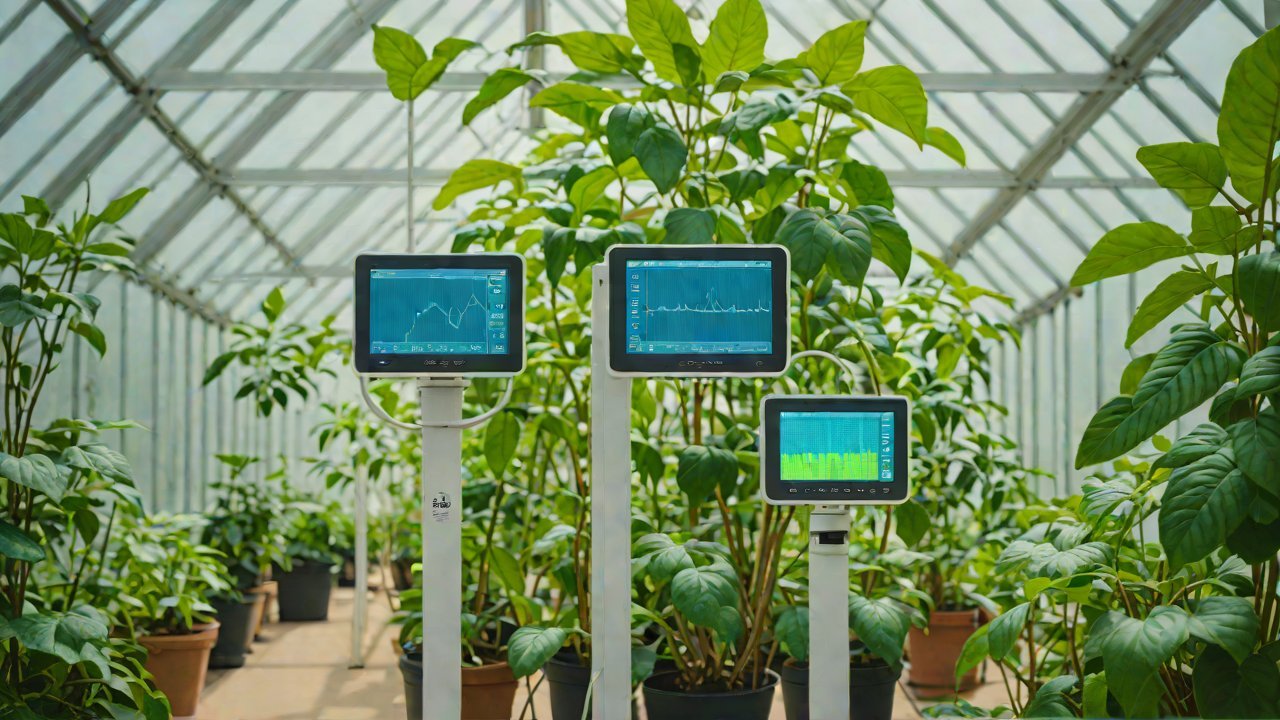
Several case studies and success stories demonstrate the effectiveness of multispectral sensors in monitoring PAR in greenhouses. For example:
- A study by the University of California, Davis found that the use of multispectral sensors led to a 25% increase in crop yield and a 15% reduction in energy consumption.
- A greenhouse in the Netherlands reported a 30% increase in crop yield and a 20% reduction in energy consumption after implementing multispectral sensors.
6. Challenges and Limitations
While multispectral sensors offer several advantages, there are also some challenges and limitations to consider, including:
- Initial Investment: The initial investment in multispectral sensors can be high.
- Data Interpretation: The data provided by multispectral sensors requires specialized expertise to interpret.
- Sensor Calibration: The sensors require regular calibration to ensure accuracy.
7. Future Outlook
The future of multispectral sensors in greenhouses looks promising, with several trends and developments expected to shape the market. These include:
- Advances in Sensor Technology: Improvements in sensor technology are expected to make multispectral sensors more affordable and accessible.
- Increasing Adoption: The adoption of multispectral sensors is expected to increase as more growers become aware of their benefits.
- Integration with Other Technologies: Multispectral sensors are expected to be integrated with other technologies, such as drones and IoT devices, to provide more comprehensive insights into greenhouse operations.
In conclusion, multispectral sensors offer a powerful tool for monitoring PAR in greenhouses, enabling real-time monitoring and optimization of growing conditions. As the market for multispectral sensors continues to grow, it is likely that we will see increased adoption and integration with other technologies, leading to even greater benefits for growers and the environment.
IOT Cloud Platform
IOT Cloud Platform is an IoT portal established by a Chinese IoT company, focusing on technical solutions in the fields of agricultural IoT, industrial IoT, medical IoT, security IoT, military IoT, meteorological IoT, consumer IoT, automotive IoT, commercial IoT, infrastructure IoT, smart warehousing and logistics, smart home, smart city, smart healthcare, smart lighting, etc.
The IoT Cloud Platform blog is a top IoT technology stack, providing technical knowledge on IoT, robotics, artificial intelligence (generative artificial intelligence AIGC), edge computing, AR/VR, cloud computing, quantum computing, blockchain, smart surveillance cameras, drones, RFID tags, gateways, GPS, 3D printing, 4D printing, autonomous driving, etc.