How do fuel-fired heaters and heat pump systems coordinate and switch under IoT scheduling?
The Integration of Fuel-Fired Heaters and Heat Pumps under IoT Scheduling: A Comprehensive Analysis
As the world grapples with the challenges of climate change, energy efficiency, and sustainable development, the demand for innovative and integrated heating solutions has never been more pressing. The intersection of fuel-fired heaters and heat pump systems, facilitated by IoT scheduling, has emerged as a promising approach to optimize energy consumption, reduce emissions, and enhance customer comfort. This report delves into the intricacies of this integration, exploring the technological, market, and operational aspects that underpin its success.
1. IoT Scheduling Frameworks for Fuel-Fired Heaters and Heat Pumps
IoT scheduling enables the real-time monitoring and control of heating systems, allowing for precise energy management and optimization. To facilitate the integration of fuel-fired heaters and heat pumps, manufacturers and developers have adopted various IoT scheduling frameworks. These frameworks typically consist of the following components:
| Component | Description |
|---|---|
| Sensors | Temperature, humidity, and pressure sensors monitor the heating system’s performance and environmental conditions. |
| Gateways | IoT gateways collect and process data from sensors, enabling real-time monitoring and control. |
| Cloud Platforms | Cloud-based platforms store and analyze data, providing insights for optimized energy consumption and system performance. |
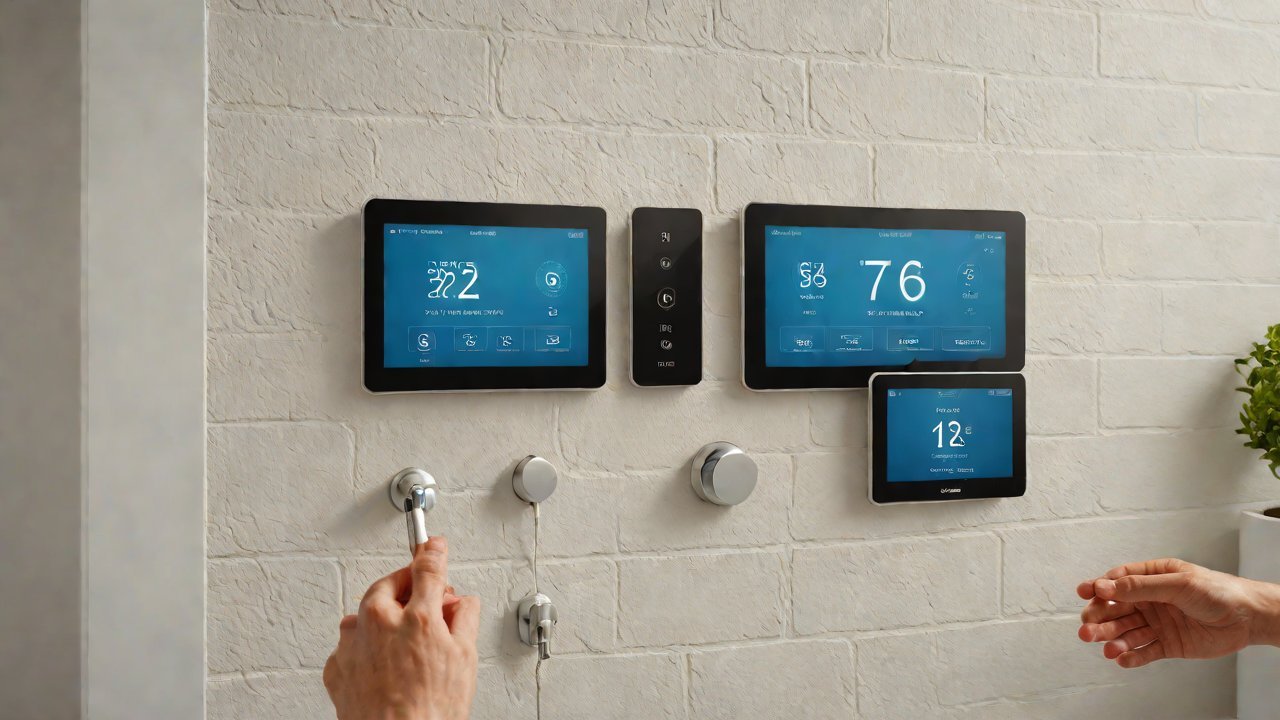
| Mobile Apps | Mobile applications enable users to monitor and control their heating systems remotely, receiving notifications and alerts on system performance and energy consumption. |
2. Market Trends and Drivers
The integration of fuel-fired heaters and heat pumps under IoT scheduling is driven by several market trends and drivers:
| Trend/Driver | Description |
|---|---|
| Energy Efficiency | Growing demand for energy-efficient solutions to reduce emissions and lower energy bills. |
| IoT Adoption | Increasing adoption of IoT technologies in the heating industry, driven by the need for real-time monitoring and control. |
| Smart Homes | Growing demand for smart home solutions, including integrated heating systems that optimize energy consumption and enhance customer comfort. |
| Regulatory Frameworks | Stringent regulations and incentives for energy-efficient solutions, such as the EU’s Ecodesign Directive and the US’s Energy Star program. |
3. Technical Considerations for Integration
The integration of fuel-fired heaters and heat pumps under IoT scheduling requires careful consideration of several technical aspects:
| Technical Consideration | Description |
|---|---|
| System Compatibility | Ensuring compatibility between fuel-fired heaters and heat pumps, as well as with IoT scheduling frameworks and sensors. |
| Data Exchange | Establishing secure and reliable data exchange protocols between systems, including communication protocols and data formats. |
| Energy Management | Developing algorithms and strategies for optimized energy consumption, taking into account system performance, environmental conditions, and user preferences. |
| Cybersecurity | Implementing robust cybersecurity measures to protect against data breaches and system vulnerabilities. |
4. Case Studies and Best Practices

Several case studies and best practices demonstrate the effectiveness of integrating fuel-fired heaters and heat pumps under IoT scheduling:
| Case Study/Best Practice | Description |
|---|---|
| District Heating Systems | Integrating fuel-fired heaters and heat pumps in district heating systems, enabling optimized energy consumption and reduced emissions. |
| Building Management Systems | Implementing IoT scheduling in building management systems, enhancing energy efficiency and customer comfort. |
| Smart Home Solutions | Developing integrated smart home solutions that optimize energy consumption and enhance customer comfort, including fuel-fired heaters and heat pumps. |
5. Conclusion and Recommendations
The integration of fuel-fired heaters and heat pumps under IoT scheduling offers significant opportunities for optimized energy consumption, reduced emissions, and enhanced customer comfort. To realize these benefits, manufacturers, developers, and users must work together to address the technical, market, and operational challenges associated with this integration. Recommendations include:
- Developing standardized IoT scheduling frameworks and protocols for fuel-fired heaters and heat pumps.
- Investing in research and development to improve system compatibility, data exchange, and energy management.
- Promoting regulatory frameworks and incentives for energy-efficient solutions.
- Encouraging the adoption of smart home solutions and integrated heating systems.
By embracing the integration of fuel-fired heaters and heat pumps under IoT scheduling, the heating industry can contribute to a more sustainable, efficient, and comfortable future for all.
IOT Cloud Platform
IOT Cloud Platform is an IoT portal established by a Chinese IoT company, focusing on technical solutions in the fields of agricultural IoT, industrial IoT, medical IoT, security IoT, military IoT, meteorological IoT, consumer IoT, automotive IoT, commercial IoT, infrastructure IoT, smart warehousing and logistics, smart home, smart city, smart healthcare, smart lighting, etc.
The IoT Cloud Platform blog is a top IoT technology stack, providing technical knowledge on IoT, robotics, artificial intelligence (generative artificial intelligence AIGC), edge computing, AR/VR, cloud computing, quantum computing, blockchain, smart surveillance cameras, drones, RFID tags, gateways, GPS, 3D printing, 4D printing, autonomous driving, etc.