
How do diffuse reflection light collectors assess crop light intensity in dark corners of a greenhouse?
In the intricate dance of greenhouse cultivation, light is the unsung hero that fuels the growth of crops. The optimal light intensity is a crucial factor in determining the health and productivity of plants. However, the dark corners of greenhouses often pose a significant challenge in ensuring uniform light distribution. This is where diffuse reflection light collectors come into play, leveraging advanced technology to assess and optimize crop light intensity in these hard-to-reach areas.
1. Fundamentals of Diffuse Reflection Light Collectors
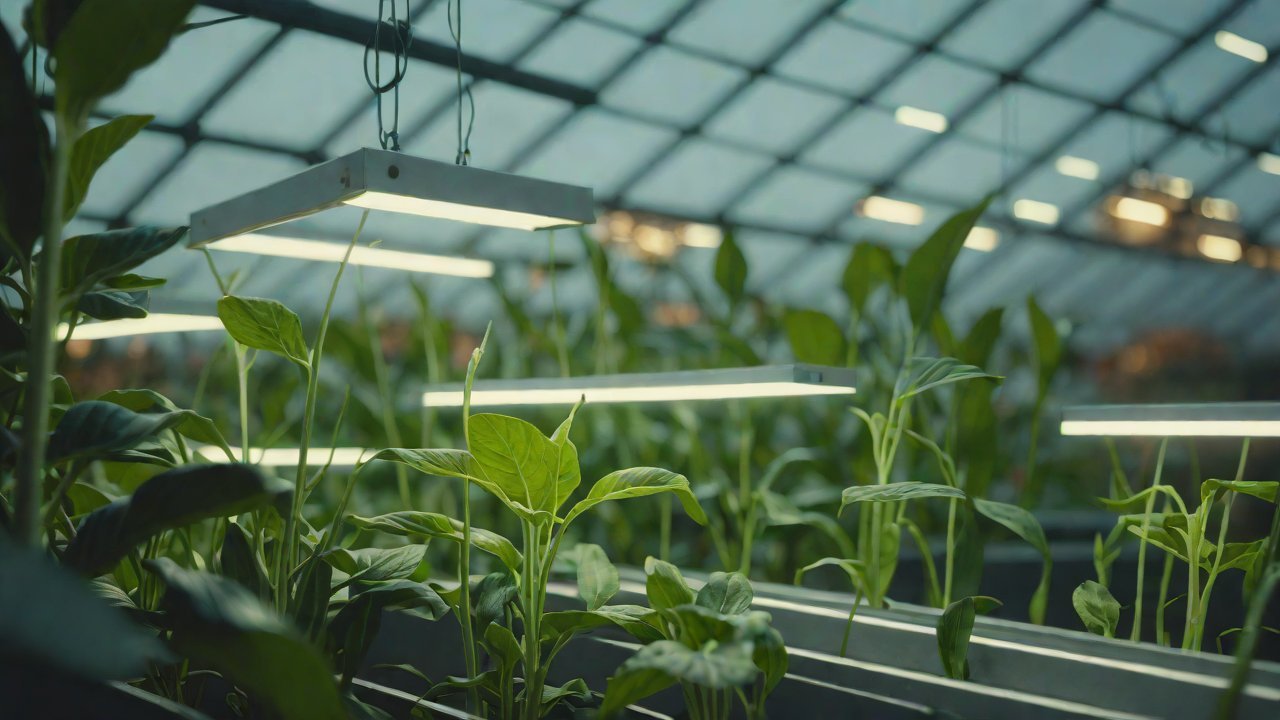
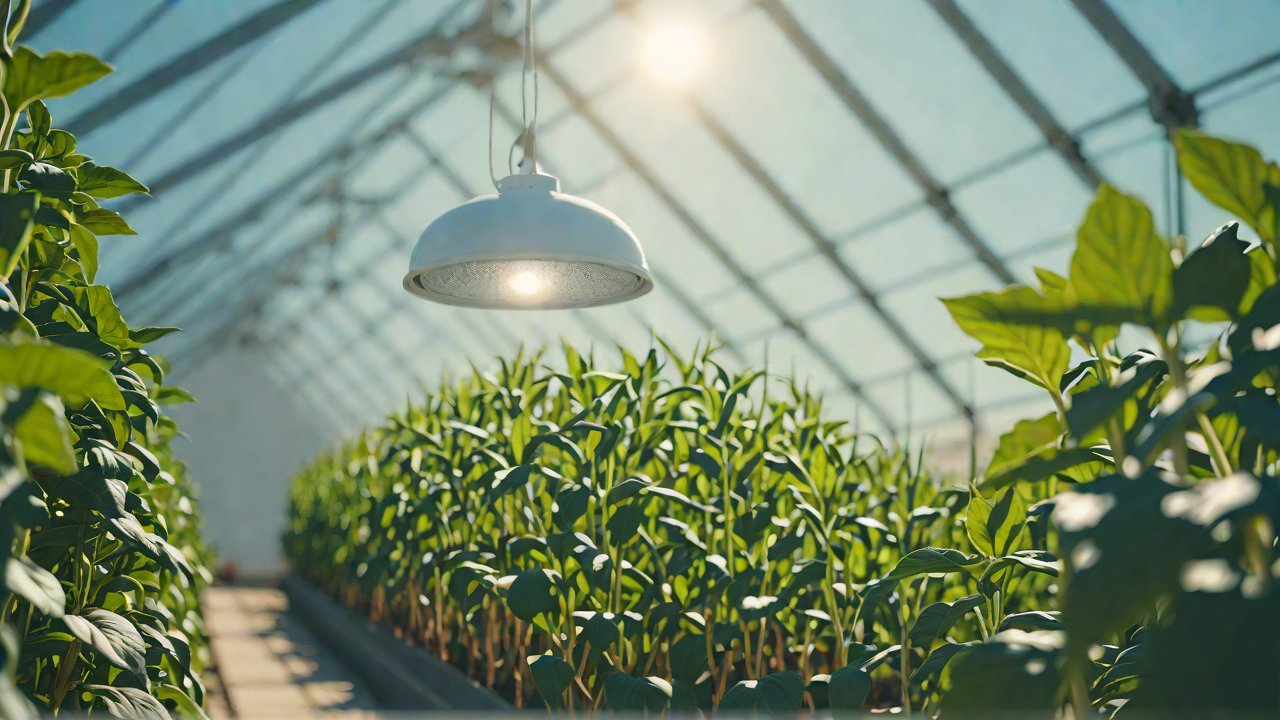
Diffuse reflection light collectors are designed to capture and redirect available light in a greenhouse, ensuring that crops receive the optimal amount of light throughout the growing area. These systems typically consist of a series of reflective surfaces, such as diffuse reflectors or LED-based light collectors, strategically placed to maximize light capture and distribution.
The core principle behind diffuse reflection light collectors is the concept of diffuse reflection, where light is scattered in multiple directions, increasing its path length and allowing it to reach areas that would otherwise be shaded. This technology has gained significant attention in recent years, particularly in the context of precision agriculture and greenhouse optimization.
1.1 Types of Diffuse Reflection Light Collectors
Several types of diffuse reflection light collectors are available, each with its own strengths and weaknesses. Some of the most common types include:
| Type | Description | Advantages | Disadvantages |
|---|---|---|---|
| Diffuse Reflectors | Use a diffuse surface to scatter light | Cost-effective, easy to install | Limited light capture, can create hotspots |
| LED-based Light Collectors | Employ high-intensity LEDs to collect and redirect light | High efficiency, precise light distribution | Energy-intensive, high upfront costs |
| Hybrid Systems | Combine diffuse reflectors and LED-based light collectors | Balance between cost and efficiency, adaptable to various greenhouse designs | Complexity in installation and maintenance |
2. Assessing Crop Light Intensity with Diffuse Reflection Light Collectors
To assess crop light intensity in dark corners of a greenhouse, diffuse reflection light collectors employ a range of techniques, including:
2.1 Light Intensity Measurement
Diffuse reflection light collectors use advanced sensors to measure light intensity in real-time, providing valuable insights into the light distribution patterns within the greenhouse. These sensors can be integrated with data analytics software to monitor and adjust the light collection system in response to changing environmental conditions.
2.2 Spectral Analysis
In addition to measuring light intensity, diffuse reflection light collectors can also analyze the spectral composition of the light. This information is crucial in determining the impact of light on crop growth, as different wavelengths of light have varying effects on photosynthesis and plant development.

3. AIGC Technical Perspectives
The use of diffuse reflection light collectors in greenhouses is a prime example of how Advanced Intelligent Greenhouse Control (AIGC) systems can be applied in practice. AIGC involves the integration of advanced sensors, data analytics, and machine learning algorithms to optimize greenhouse operations and improve crop yields.
The technical aspects of diffuse reflection light collectors are critical in ensuring their effectiveness in assessing crop light intensity. Some of the key technical considerations include:
3.1 Sensor Placement and Calibration
The placement and calibration of sensors are crucial in ensuring accurate light intensity measurements. In diffuse reflection light collectors, sensors are often placed in strategic locations to capture light from multiple directions, providing a comprehensive understanding of light distribution patterns.
3.2 Data Analytics and Machine Learning
The vast amounts of data generated by diffuse reflection light collectors require sophisticated data analytics and machine learning algorithms to extract meaningful insights. These algorithms can identify patterns and trends in light intensity, spectral composition, and other environmental factors, enabling real-time adjustments to optimize crop growth.
4. Market Data and Applications
The market for diffuse reflection light collectors is growing rapidly, driven by increasing demand for precision agriculture and greenhouse optimization. Some of the key market trends and applications include:
4.1 Greenhouse Design and Construction
Diffuse reflection light collectors are being integrated into new greenhouse designs, enabling the creation of highly efficient and productive growing environments. These systems are particularly suited for large-scale commercial greenhouses, where maximizing crop yields is critical.
4.2 Crop Monitoring and Management
The use of diffuse reflection light collectors is also expanding into crop monitoring and management applications, where real-time light intensity measurements can be used to inform decision-making on irrigation, fertilization, and pest management.
5. Conclusion
In conclusion, diffuse reflection light collectors have revolutionized the way greenhouse growers assess crop light intensity in dark corners of their facilities. By leveraging advanced technology and AIGC principles, these systems provide a comprehensive understanding of light distribution patterns, enabling real-time adjustments to optimize crop growth and productivity.
The market for diffuse reflection light collectors is growing rapidly, driven by increasing demand for precision agriculture and greenhouse optimization. As the technology continues to evolve, it is likely that diffuse reflection light collectors will become an essential component of modern greenhouse operations, driving improvements in crop yields and reducing the environmental impact of agriculture.
IOT Cloud Platform
IOT Cloud Platform is an IoT portal established by a Chinese IoT company, focusing on technical solutions in the fields of agricultural IoT, industrial IoT, medical IoT, security IoT, military IoT, meteorological IoT, consumer IoT, automotive IoT, commercial IoT, infrastructure IoT, smart warehousing and logistics, smart home, smart city, smart healthcare, smart lighting, etc.
The IoT Cloud Platform blog is a top IoT technology stack, providing technical knowledge on IoT, robotics, artificial intelligence (generative artificial intelligence AIGC), edge computing, AR/VR, cloud computing, quantum computing, blockchain, smart surveillance cameras, drones, RFID tags, gateways, GPS, 3D printing, 4D printing, autonomous driving, etc.



