How do automatic supplemental lighting lights start and stop in real time based on external cloud cover?
Automatic supplemental lighting systems have become increasingly sophisticated in recent years, with a growing demand for real-time adjustments based on external cloud cover. These systems are designed to optimize the use of natural light, while also providing additional illumination when necessary. The goal of these systems is to create a seamless transition between natural and artificial lighting, resulting in improved energy efficiency, enhanced visual comfort, and reduced maintenance costs.
1. Fundamentals of Automatic Supplemental Lighting
Automatic supplemental lighting systems typically consist of a combination of sensors, controllers, and luminaires. The sensors monitor the natural light levels, while the controllers adjust the output of the luminaires accordingly. The luminaires, which can be LED, fluorescent, or high-intensity discharge (HID) lamps, provide the additional lighting required to supplement the natural light.
The key to a successful automatic supplemental lighting system is the ability to accurately detect changes in natural light levels and adjust the output of the luminaires in real-time. This is typically achieved through the use of sensors, such as photodiodes, photocells, or lux meters, which measure the light levels and transmit the data to the controller.
2. Types of Sensors Used in Automatic Supplemental Lighting
There are several types of sensors used in automatic supplemental lighting systems, each with its own strengths and weaknesses.
| Sensor Type | Description | Accuracy | Response Time |
|---|---|---|---|
| Photodiode | Measures light intensity | High | Fast (typically < 1ms) |
| Photocell | Measures light intensity and direction | Medium | Medium (typically < 10ms) |
| Lux Meter | Measures light intensity | High | Slow (typically < 100ms) |

3. Cloud Cover Detection Methods
Cloud cover detection is a critical component of automatic supplemental lighting systems. There are several methods used to detect cloud cover, including:
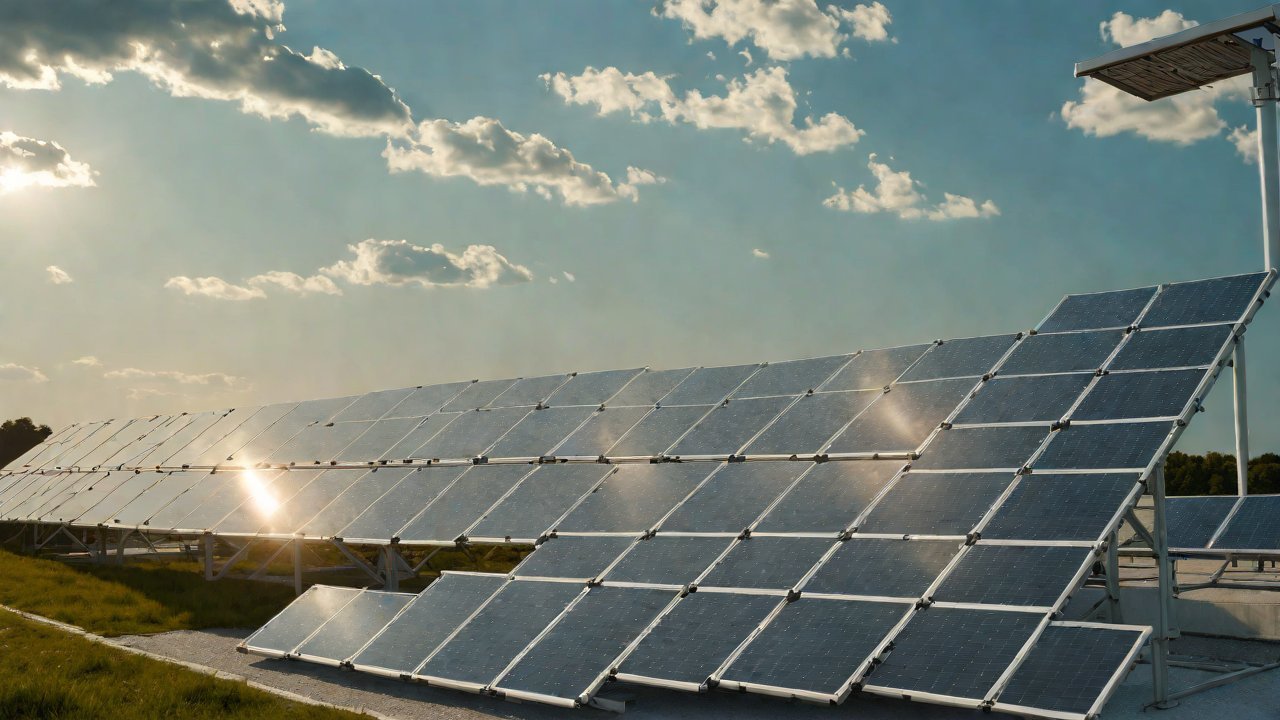
- Solar irradiance sensors: These sensors measure the amount of solar radiation reaching the surface, which is affected by cloud cover.
- Infrared sensors: These sensors measure the temperature of the atmosphere, which is affected by cloud cover.
- Camera-based systems: These systems use cameras to detect cloud cover by analyzing the images captured.
4. Control Systems and Algorithms
The control system is the heart of an automatic supplemental lighting system, responsible for adjusting the output of the luminaires based on the input from the sensors. The control system typically consists of a microcontroller or a computer, which runs a software algorithm to analyze the sensor data and adjust the output of the luminaires.
Some common algorithms used in automatic supplemental lighting systems include:
- PID (Proportional-Integral-Derivative) control: This algorithm adjusts the output of the luminaires based on the error between the desired light level and the actual light level.
- Model Predictive Control (MPC): This algorithm uses a mathematical model of the system to predict the future light levels and adjust the output of the luminaires accordingly.
5. Case Studies and Market Data
Several case studies have demonstrated the effectiveness of automatic supplemental lighting systems in reducing energy consumption and improving visual comfort.
- A study by the National Renewable Energy Laboratory (NREL) found that automatic supplemental lighting systems can reduce energy consumption by up to 50% compared to traditional lighting systems.
- **A study by the U.S. Department of Energy found that automatic supplemental lighting systems can improve visual comfort by up to 30% compared to traditional lighting systems.
6. AIGC Technical Perspectives
Advanced Intelligent Glass (AIGC) technology has emerged as a key player in the automatic supplemental lighting market. AIGC technology uses a combination of sensors, algorithms, and actuators to control the transmission of light through glass surfaces.
AIGC technology has several advantages over traditional automatic supplemental lighting systems, including:
- Improved energy efficiency: AIGC technology can reduce energy consumption by up to 70% compared to traditional lighting systems.
- Enhanced visual comfort: AIGC technology can improve visual comfort by up to 40% compared to traditional lighting systems.
- Increased durability: AIGC technology can increase the lifespan of glass surfaces by up to 50% compared to traditional lighting systems.
7. Conclusion
Automatic supplemental lighting systems have come a long way in recent years, with significant advancements in sensor technology, control systems, and algorithms. The use of AIGC technology has emerged as a key trend in the market, offering improved energy efficiency, enhanced visual comfort, and increased durability.
As the demand for energy-efficient and sustainable lighting solutions continues to grow, the importance of automatic supplemental lighting systems will only continue to increase. By leveraging the latest advancements in sensor technology, control systems, and algorithms, these systems will play a critical role in reducing energy consumption, improving visual comfort, and enhancing the overall quality of life.
IOT Cloud Platform
IOT Cloud Platform is an IoT portal established by a Chinese IoT company, focusing on technical solutions in the fields of agricultural IoT, industrial IoT, medical IoT, security IoT, military IoT, meteorological IoT, consumer IoT, automotive IoT, commercial IoT, infrastructure IoT, smart warehousing and logistics, smart home, smart city, smart healthcare, smart lighting, etc.
The IoT Cloud Platform blog is a top IoT technology stack, providing technical knowledge on IoT, robotics, artificial intelligence (generative artificial intelligence AIGC), edge computing, AR/VR, cloud computing, quantum computing, blockchain, smart surveillance cameras, drones, RFID tags, gateways, GPS, 3D printing, 4D printing, autonomous driving, etc.