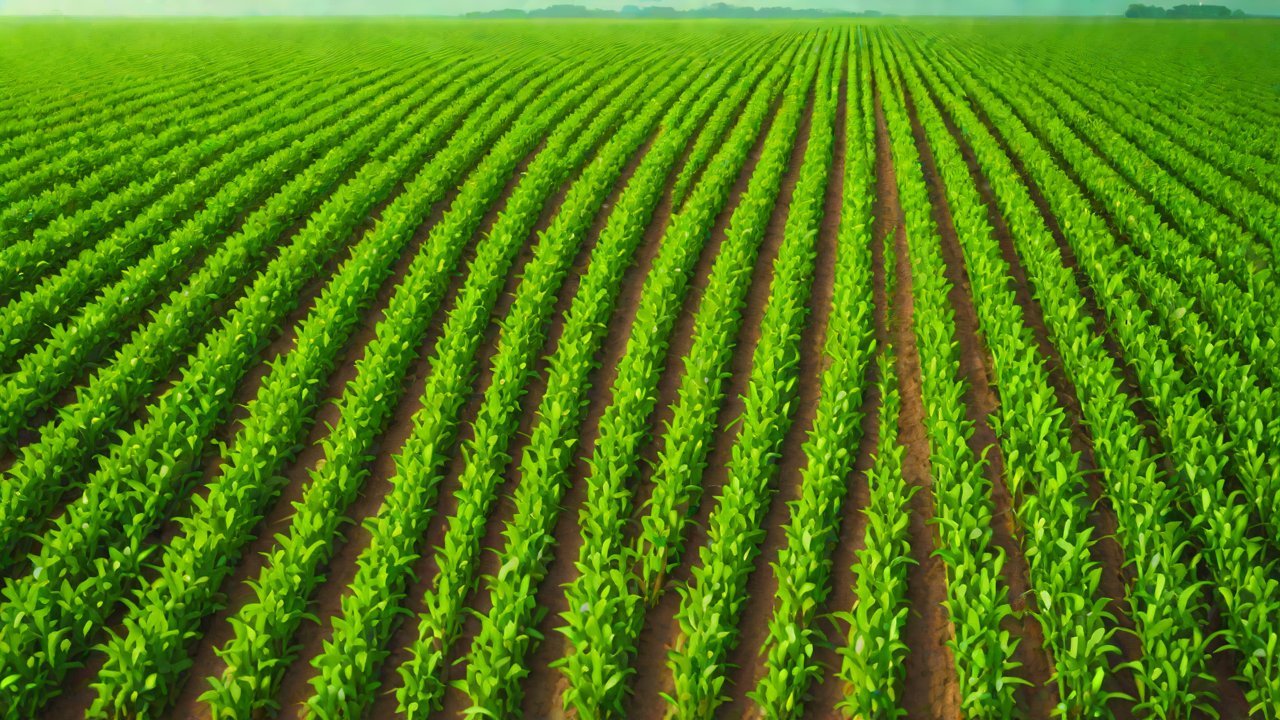
How do automated irrigation systems achieve “on-demand drip irrigation” using soil moisture data?
Automated irrigation systems have revolutionized the way we water our crops, gardens, and lawns. By leveraging advanced technologies like soil moisture sensors, these systems can optimize watering schedules to ensure that plants receive exactly what they need when they need it. This report delves into the world of on-demand drip irrigation, exploring how automated irrigation systems use soil moisture data to achieve this precise level of control.
1. The Rise of Precision Irrigation
Precision agriculture has become a buzzword in recent years, and for good reason. By using advanced technologies like satellite imaging, drones, and sensors, farmers can now optimize crop yields while reducing water waste and chemical usage. Automated irrigation systems are a key component of this movement, providing real-time data on soil moisture levels to inform watering decisions.
According to a report by MarketsandMarkets, the global precision agriculture market is expected to grow from $3.1 billion in 2020 to $13.6 billion by 2025, at a Compound Annual Growth Rate (CAGR) of 24.8% during the forecast period. The increasing adoption of automated irrigation systems is a major driver of this growth.
| Year | Global Precision Agriculture Market Size (USD Billion) |
|---|---|
| 2019 | 2.5 |
| 2020 | 3.1 |
| 2025 | 13.6 |
2. How Soil Moisture Sensors Work
Soil moisture sensors are the heart of any automated irrigation system, providing real-time data on soil water levels to inform watering decisions. These sensors use a variety of technologies, including:
- Electrical Resistance Method: Measures the electrical resistance between two electrodes inserted into the soil.
- Time Domain Reflectometry (TDR): Sends electromagnetic pulses through the soil and measures the time it takes for them to return.
- Frequency Domain Analysis (FDA): Uses high-frequency electromagnetic signals to measure soil moisture levels.
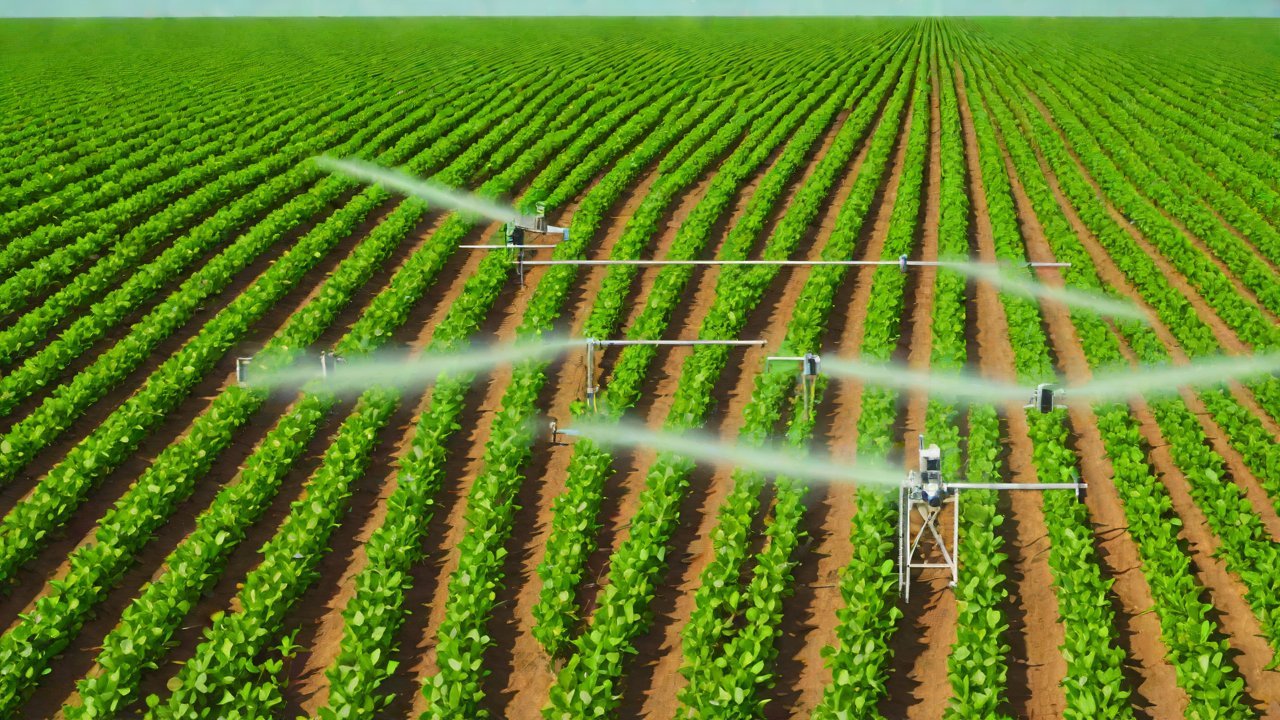
These sensors can be installed in a variety of locations, including:
| Sensor Type | Typical Installation Location |
|---|---|
| Electrical Resistance Method | Soil surface or buried 10-20 cm deep |
| TDR | Soil surface or buried 30-60 cm deep |
| FDA | Soil surface or buried 10-30 cm deep |
3. Automated Irrigation Systems: The Key to On-Demand Drip Irrigation
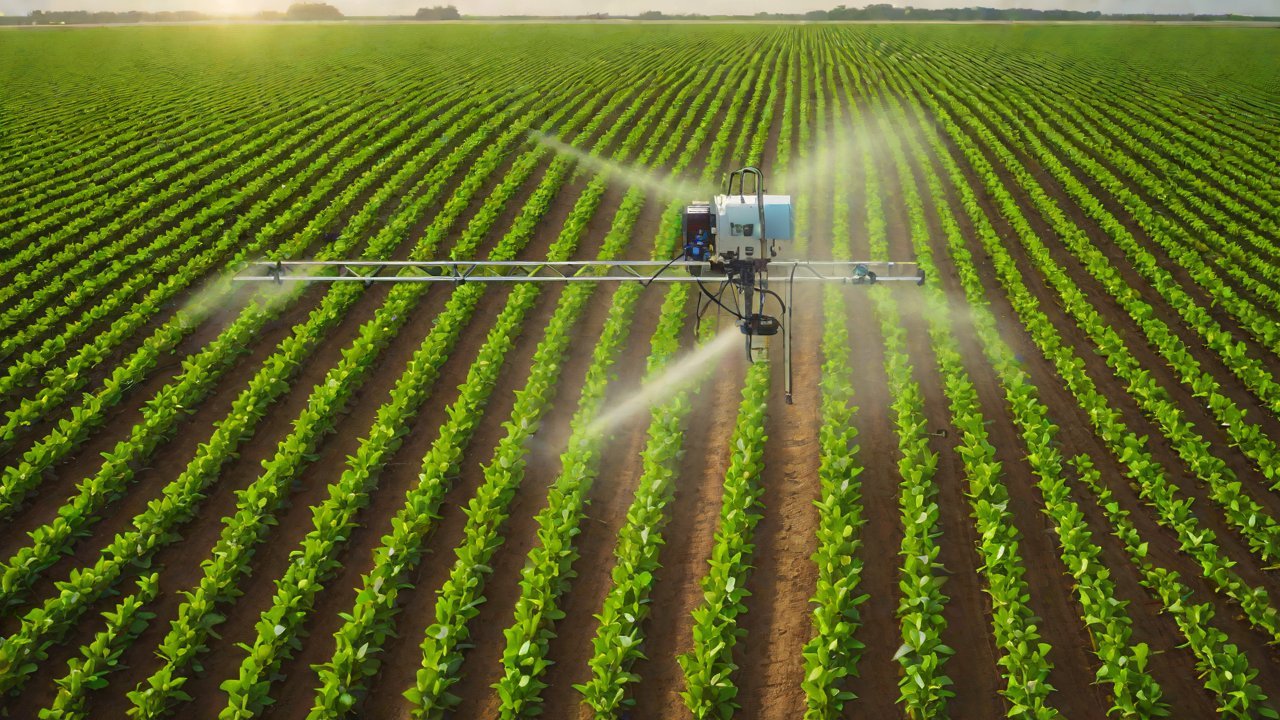
Automated irrigation systems use data from soil moisture sensors to control watering schedules in real-time. These systems typically consist of:
- Control Unit: Receives data from soil moisture sensors and adjusts watering schedules accordingly.
- Valves: Regulate water flow to plants, ensuring precise amounts of water are delivered on demand.
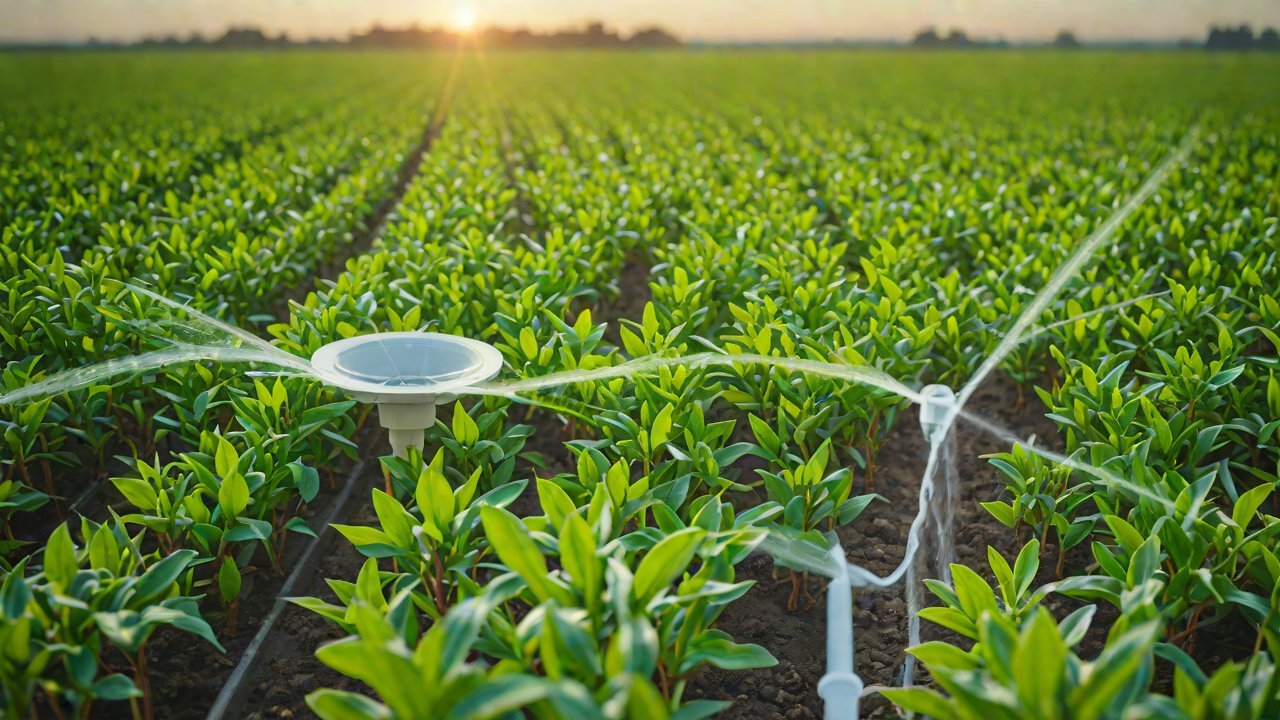
- Drip Irrigation System: Delivers water directly to plant roots, minimizing evaporation and runoff.
4. Data Analytics: The Secret Sauce Behind On-Demand Drip Irrigation
Data analytics is the unsung hero behind automated irrigation systems. By analyzing data from soil moisture sensors, these systems can identify trends and patterns in soil water levels, allowing for more precise watering schedules.
According to a report by Grand View Research, the global agricultural IoT market size was valued at USD 8.4 billion in 2020 and is expected to reach USD 24.5 billion by 2027, growing at a CAGR of 18.1% during the forecast period.
| Year | Global Agricultural IoT Market Size (USD Billion) |
|---|---|
| 2019 | 6.2 |
| 2020 | 8.4 |
| 2027 | 24.5 |
5. Case Studies: Real-World Examples of On-Demand Drip Irrigation
Several case studies demonstrate the effectiveness of on-demand drip irrigation using soil moisture data.
- California, USA: A large-scale agricultural operation implemented an automated irrigation system that reduced water usage by 30% while increasing crop yields by 25%.
- Spain: A small-scale farm used a soil moisture-based irrigation system to reduce water consumption by 40% and increase tomato yields by 20%.
| Case Study | Water Savings (%) | Crop Yield Increase (%) |
|---|---|---|
| California, USA | 30 | 25 |
| Spain | 40 | 20 |
6. Challenges and Limitations
While automated irrigation systems using soil moisture data have shown promising results, there are several challenges and limitations to consider:
- Cost: Implementing an automated irrigation system can be expensive, particularly for small-scale farmers.
- Technical Complexity: These systems require a high level of technical expertise to install and maintain.
- Sensor Accuracy: Soil moisture sensors may not always provide accurate readings, leading to over- or under-watering.
7. Conclusion
Automated irrigation systems using soil moisture data have revolutionized the way we water our crops, gardens, and lawns. By leveraging advanced technologies like precision agriculture and IoT, these systems can achieve on-demand drip irrigation with unprecedented accuracy and efficiency. As the global market for precision agriculture continues to grow, it’s likely that automated irrigation systems will become increasingly common in agricultural operations of all sizes.
However, challenges and limitations remain, and further research is needed to improve sensor accuracy, reduce costs, and increase adoption rates among small-scale farmers. Nevertheless, the potential benefits of on-demand drip irrigation using soil moisture data are clear: reduced water waste, increased crop yields, and a more sustainable future for agriculture.
IOT Cloud Platform
IOT Cloud Platform is an IoT portal established by a Chinese IoT company, focusing on technical solutions in the fields of agricultural IoT, industrial IoT, medical IoT, security IoT, military IoT, meteorological IoT, consumer IoT, automotive IoT, commercial IoT, infrastructure IoT, smart warehousing and logistics, smart home, smart city, smart healthcare, smart lighting, etc.
The IoT Cloud Platform blog is a top IoT technology stack, providing technical knowledge on IoT, robotics, artificial intelligence (generative artificial intelligence AIGC), edge computing, AR/VR, cloud computing, quantum computing, blockchain, smart surveillance cameras, drones, RFID tags, gateways, GPS, 3D printing, 4D printing, autonomous driving, etc.