How can we leverage the internet of things to create new smart restaurant chains?
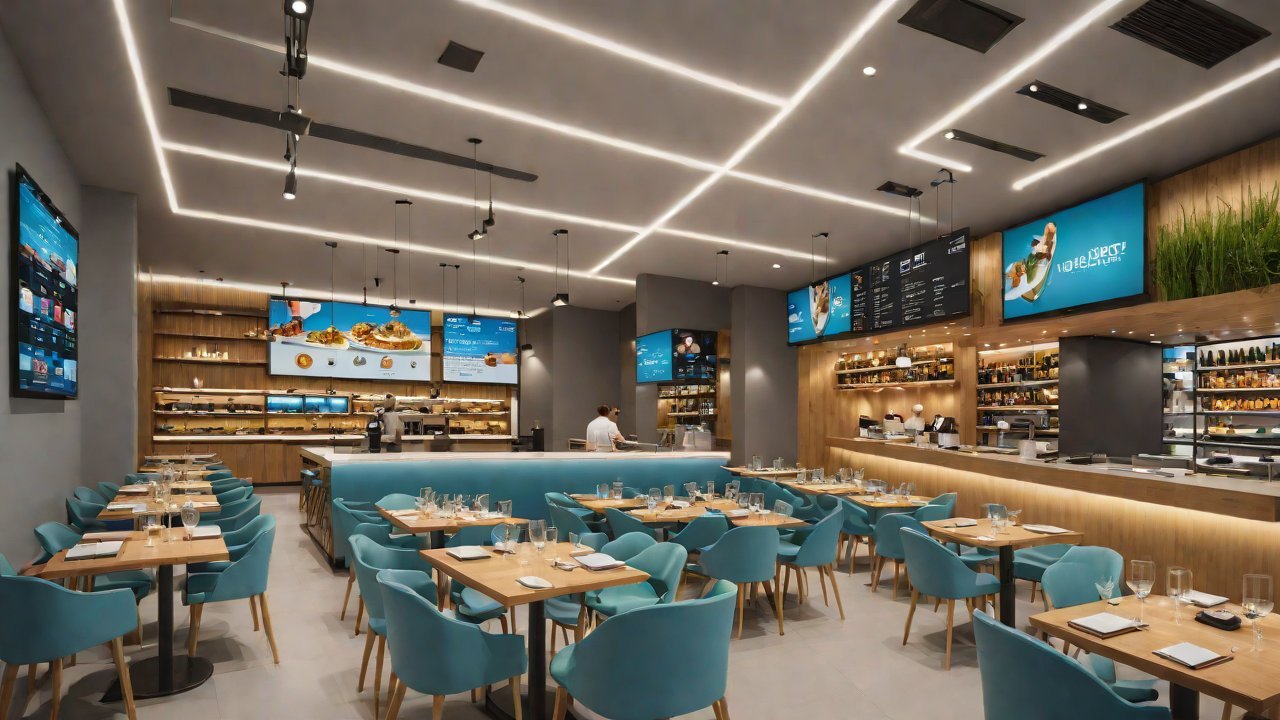
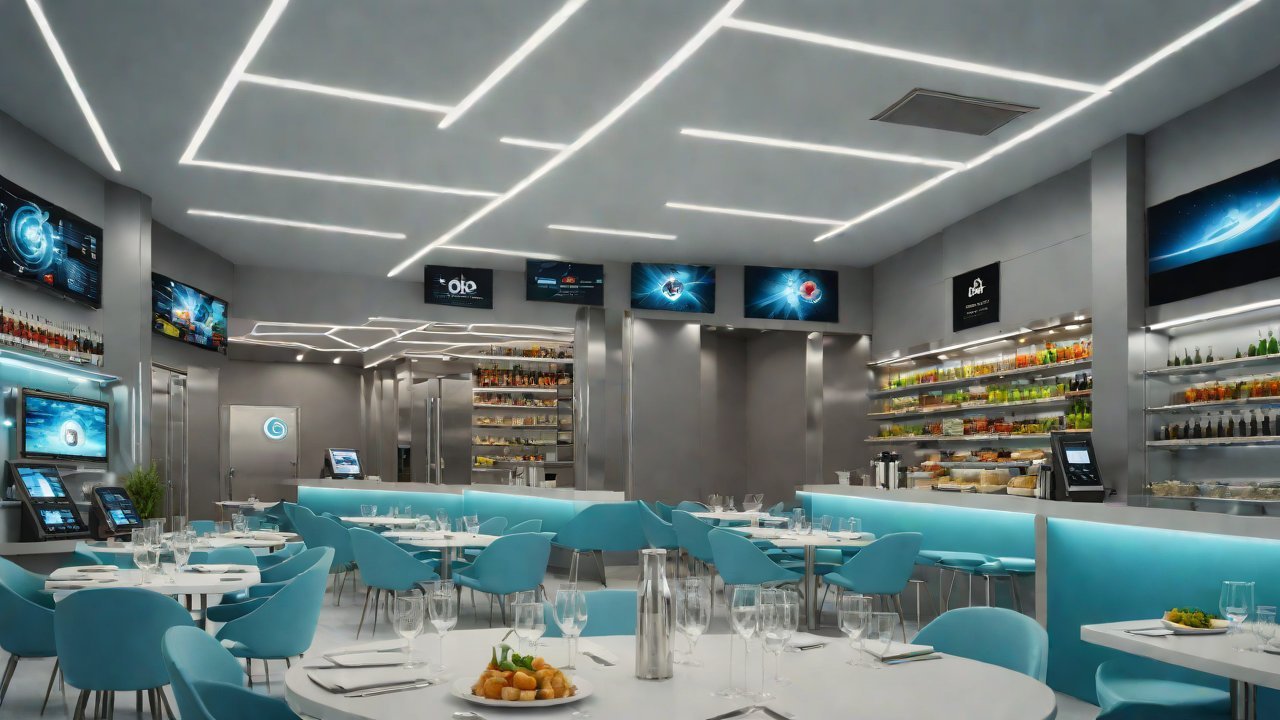
The internet of things (IoT) is revolutionizing the way businesses operate, and the restaurant industry is no exception. With the proliferation of connected devices, sensors, and data analytics, smart restaurant chains can now offer customers a more personalized, efficient, and enjoyable dining experience. By leveraging IoT technologies, restaurateurs can optimize menu planning, inventory management, and kitchen operations, while also enhancing customer engagement and loyalty.
The IoT landscape is rapidly evolving, with the number of connected devices projected to reach 75 billion by 2025. This exponential growth has created new opportunities for restaurants to harness the power of IoT to drive innovation and competitiveness. According to a report by MarketsandMarkets, the IoT market in the food and beverage industry is expected to grow from $3.3 billion in 2020 to $12.8 billion by 2025, at a Compound Annual Growth Rate (CAGR) of 24.1%.
1. IoT Technologies for Smart Restaurants
To create a smart restaurant chain, restaurateurs can leverage a range of IoT technologies, including:
| Technology | Description | Benefits |
|---|---|---|
| Sensors and IoT Devices | Enable real-time monitoring of kitchen temperature, humidity, and air quality | Improved food safety, reduced energy consumption |
| Data Analytics Platforms | Provide insights on customer behavior, menu item popularity, and inventory levels | Enhanced customer experience, optimized menu planning |
| Artificial Intelligence (AI) | Automate tasks, such as inventory management and menu suggestion | Increased efficiency, improved customer satisfaction |
| Mobile Apps and Digital Menus | Offer customers a personalized dining experience, with digital ordering and payment | Enhanced customer engagement, increased revenue |
2. Optimizing Kitchen Operations with IoT
IoT technologies can significantly improve kitchen operations, reducing food waste, and improving efficiency. For example, smart refrigerators and freezers can monitor inventory levels and alert staff when items are approaching their expiration dates. This enables restaurants to reduce food waste, save money on inventory, and improve menu planning.
| Kitchen Operation | IoT Solution | Benefits |
|---|---|---|
| Inventory Management | Smart refrigerators and freezers | Reduced food waste, improved menu planning |
| Temperature Control | Smart thermometers and temperature sensors | Improved food safety, reduced energy consumption |
| Labor Management | Automated scheduling and task assignment | Improved labor efficiency, reduced turnover |
3. Enhancing Customer Experience with IoT
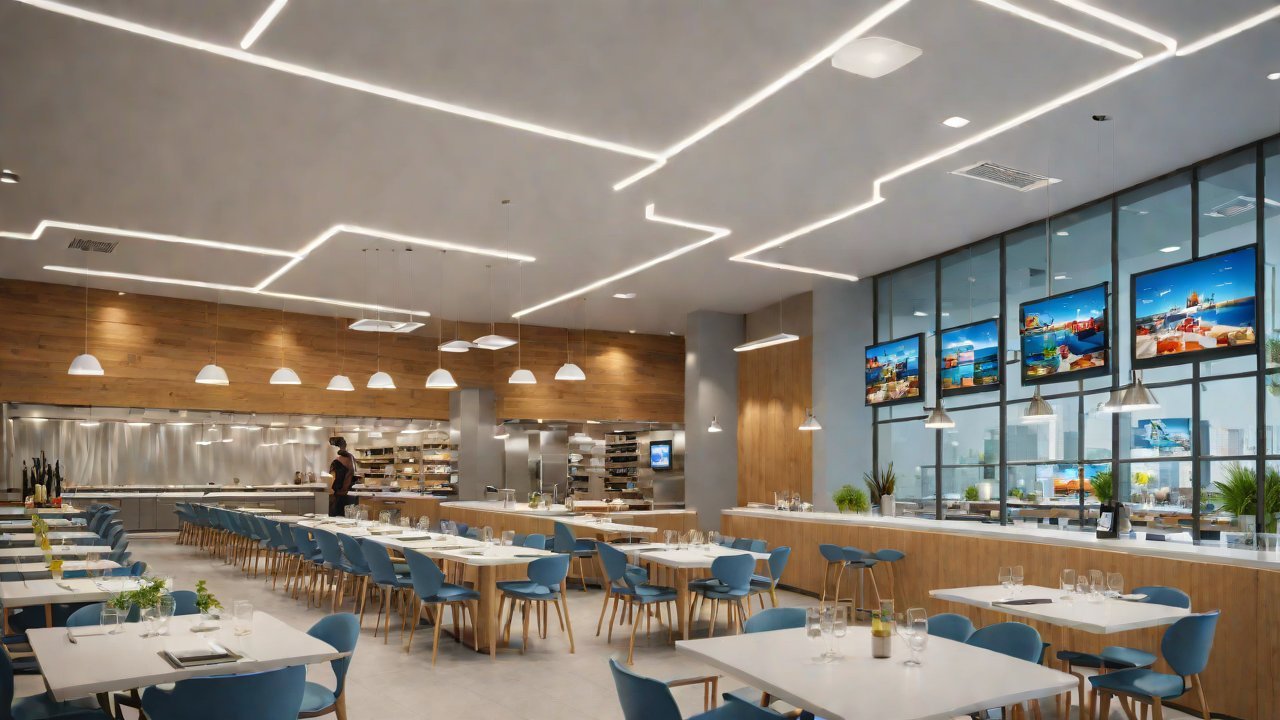
IoT technologies can also enhance the customer experience, by providing personalized recommendations, digital ordering, and mobile payments. For example, restaurants can use AI-powered chatbots to offer customers personalized menu suggestions based on their dietary preferences and past orders.
| Customer Engagement | IoT Solution | Benefits |
|---|---|---|
| Personalized Menu Suggestions | AI-powered chatbots | Improved customer satisfaction, increased revenue |
| Digital Ordering and Payment | Mobile apps and digital menus | Enhanced customer experience, reduced wait times |
| Loyalty Programs | IoT-enabled loyalty apps | Improved customer retention, increased loyalty |
4. Security and Data Protection in IoT
As with any IoT implementation, security and data protection are critical considerations. Restaurants must ensure that their IoT systems are secure, with robust encryption and authentication protocols in place. This includes protecting customer data, such as payment information and dietary preferences.
| Security Consideration | Best Practice | Benefits |
|---|---|---|
| Data Encryption | Use robust encryption protocols, such as SSL/TLS | Protected customer data, reduced risk of data breaches |
| Authentication and Authorization | Implement robust authentication and authorization protocols | Prevented unauthorized access, ensured data integrity |
| Regular Updates and Patches | Regularly update and patch IoT devices and software | Reduced risk of vulnerabilities, improved security |
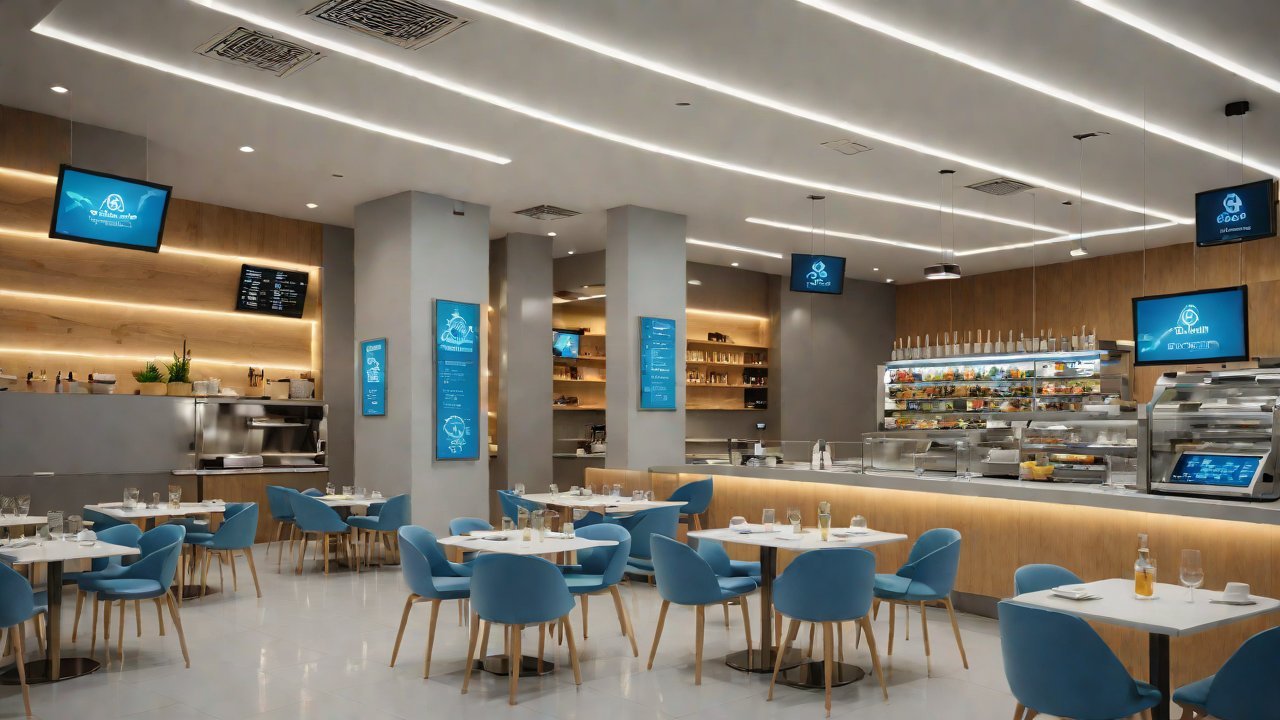
5. Implementation Roadmap for Smart Restaurant Chains
To create a smart restaurant chain, restaurateurs should follow a structured implementation roadmap, which includes:
- Conducting a thorough needs assessment and feasibility study
- Selecting and implementing IoT technologies and solutions
- Integrating IoT systems with existing restaurant operations and infrastructure
- Training staff on the use and maintenance of IoT systems
- Continuously monitoring and evaluating the effectiveness of IoT systems
By following this roadmap, restaurateurs can create a smart restaurant chain that leverages the power of IoT to drive innovation, competitiveness, and customer satisfaction.
6. Conclusion
The internet of things is revolutionizing the restaurant industry, enabling restaurateurs to create smart restaurant chains that offer customers a more personalized, efficient, and enjoyable dining experience. By leveraging IoT technologies, such as sensors, data analytics, and AI, restaurants can optimize kitchen operations, enhance customer engagement, and improve loyalty. However, security and data protection are critical considerations, and restaurateurs must ensure that their IoT systems are secure and protected. By following a structured implementation roadmap, restaurateurs can create a smart restaurant chain that drives innovation, competitiveness, and customer satisfaction.
IOT Cloud Platform
IOT Cloud Platform is an IoT portal established by a Chinese IoT company, focusing on technical solutions in the fields of agricultural IoT, industrial IoT, medical IoT, security IoT, military IoT, meteorological IoT, consumer IoT, automotive IoT, commercial IoT, infrastructure IoT, smart warehousing and logistics, smart home, smart city, smart healthcare, smart lighting, etc.
The IoT Cloud Platform blog is a top IoT technology stack, providing technical knowledge on IoT, robotics, artificial intelligence (generative artificial intelligence AIGC), edge computing, AR/VR, cloud computing, quantum computing, blockchain, smart surveillance cameras, drones, RFID tags, gateways, GPS, 3D printing, 4D printing, autonomous driving, etc.