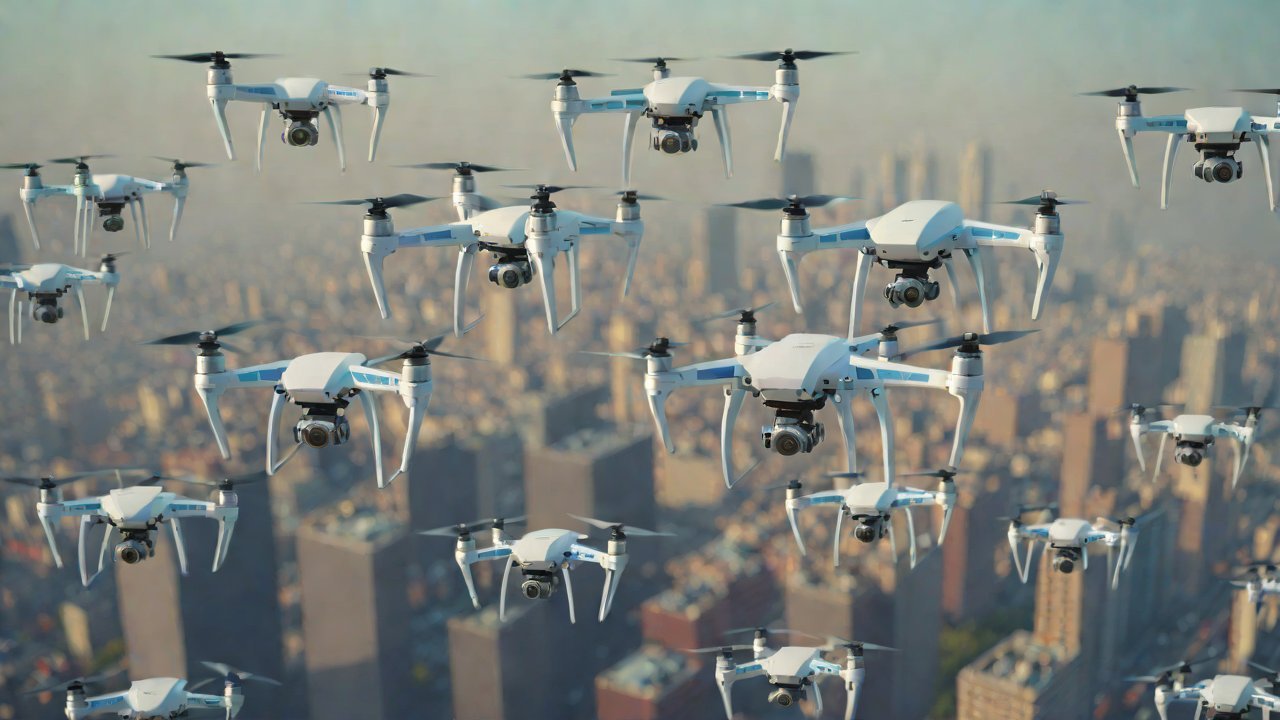
How can virtual fence functionality in swarm flight prevent drones from accidentally entering non-operational areas?
Virtual fences have revolutionized the way we manage and control drone swarms, enabling them to navigate complex environments with unprecedented precision. This innovative technology has far-reaching implications for various industries, including surveillance, search and rescue, and package delivery. However, with the increasing reliance on drone swarms, concerns about accidental entry into non-operational areas have grown. In this report, we will delve into the intricacies of virtual fence functionality in swarm flight and explore its potential to prevent drones from entering restricted zones.
1. Current State of Virtual Fences in Drone Swarms
Virtual fences are a crucial component of swarm flight management, as they provide a digital boundary that drones can recognize and respond to. These fences can be programmed to mimic physical barriers, such as fences or walls, or to create a virtual perimeter around a specific area. The most advanced virtual fences utilize a combination of sensors, GPS, and computer vision to detect and adapt to changing environments.
| Virtual Fence Technology | Key Features | Advantages |
|---|---|---|
| GPS-based virtual fences | Utilize satellite signals to determine location | High accuracy, easy to implement |
| Sensor-based virtual fences | Employ sensors to detect changes in environment | Adaptability, reduced reliance on GPS |
| Computer vision-based virtual fences | Utilize cameras to detect and track drones | High precision, real-time updates |
2. Virtual Fences and Swarm Flight Management
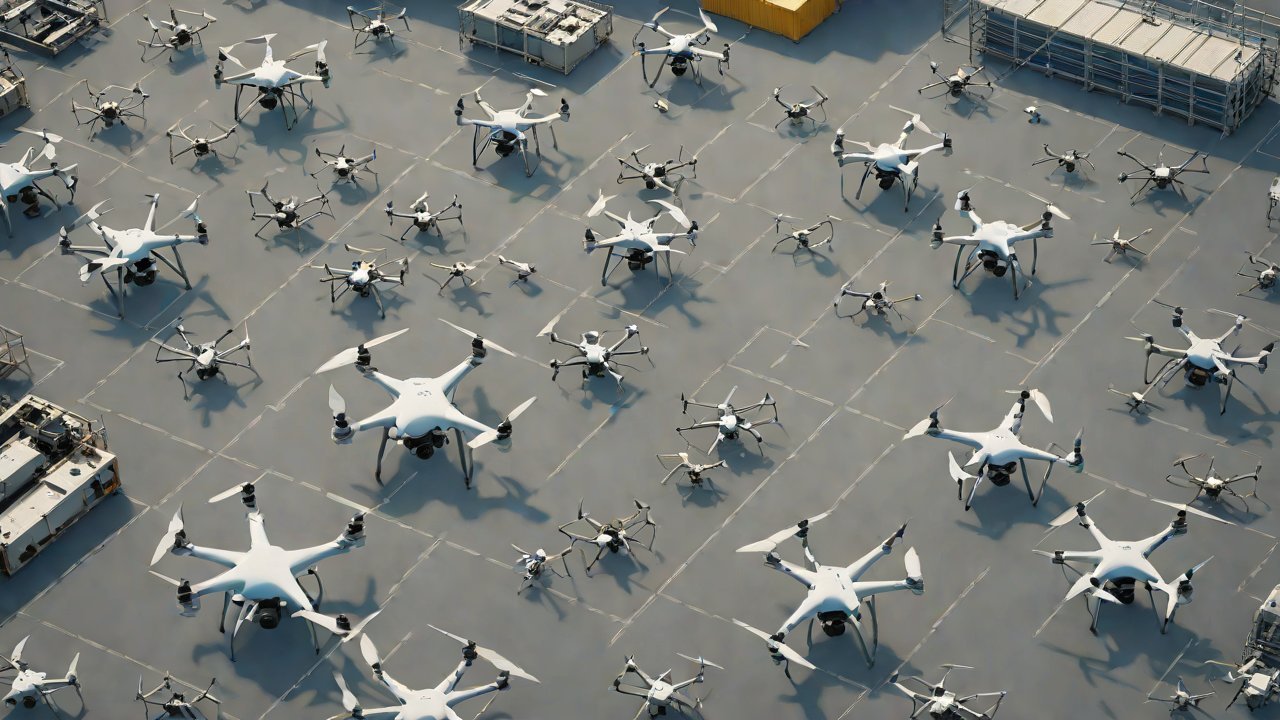
Swarm flight management involves coordinating the behavior of multiple drones to achieve a common goal. Virtual fences play a vital role in this process, as they enable drones to navigate complex environments while preventing accidental entry into non-operational areas. By implementing virtual fences, drone operators can:
- Define restricted zones: Program virtual fences to enclose areas that require protection, such as sensitive infrastructure or populated regions.
- Detect and respond to deviations: Utilize sensors and computer vision to detect when drones deviate from their programmed path and respond accordingly.
- Optimize flight paths: Use virtual fences to guide drones through congested areas or around obstacles, reducing the risk of collisions.
3. Technical Perspectives on Virtual Fences
From a technical standpoint, virtual fences rely on a combination of hardware and software components. The most critical components include:
- Sensors: GPS, ultrasonic sensors, and computer vision cameras are used to detect changes in the environment and track the location of drones.
- Flight controllers: These components process sensor data and adjust the drone’s flight path accordingly.
- Swarm management software: This software coordinates the behavior of multiple drones, ensuring that they remain within designated areas.
4. Market Data and Adoption Rates
The adoption of virtual fences in drone swarms is increasing rapidly, driven by the growing demand for surveillance, search and rescue, and package delivery applications. According to a report by MarketsandMarkets, the global drone market is expected to reach $43.6 billion by 2025, with virtual fences playing a significant role in this growth.
| Region | Market Size (2020) | CAGR (2020-2025) |
|---|---|---|
| North America | $8.3 billion | 12.4% |
| Europe | $6.2 billion | 11.1% |
| Asia-Pacific | $4.5 billion | 14.5% |
| Rest of the world | $2.5 billion | 10.2% |
5. Future Developments and Challenges
As the use of virtual fences in drone swarms continues to grow, several challenges and opportunities arise:
- Improved sensor accuracy: Advancements in sensor technology will enable more precise detection and tracking of drones.
- Increased adoption: As the benefits of virtual fences become more apparent, more industries will adopt this technology.
- Cybersecurity concerns: The increasing reliance on virtual fences raises concerns about cybersecurity, as drones become more vulnerable to hacking and tampering.
6. Conclusion
Virtual fences have revolutionized the way we manage and control drone swarms, enabling them to navigate complex environments with unprecedented precision. By implementing virtual fences, drone operators can prevent accidental entry into non-operational areas, ensuring the safety of people and infrastructure. As the use of virtual fences continues to grow, it is essential to address the challenges and opportunities that arise, ensuring that this technology remains a key component of swarm flight management.
IOT Cloud Platform
IOT Cloud Platform is an IoT portal established by a Chinese IoT company, focusing on technical solutions in the fields of agricultural IoT, industrial IoT, medical IoT, security IoT, military IoT, meteorological IoT, consumer IoT, automotive IoT, commercial IoT, infrastructure IoT, smart warehousing and logistics, smart home, smart city, smart healthcare, smart lighting, etc.
The IoT Cloud Platform blog is a top IoT technology stack, providing technical knowledge on IoT, robotics, artificial intelligence (generative artificial intelligence AIGC), edge computing, AR/VR, cloud computing, quantum computing, blockchain, smart surveillance cameras, drones, RFID tags, gateways, GPS, 3D printing, 4D printing, autonomous driving, etc.