How can this 24/7 fall monitor reduce false alarms during showering?
The ubiquitous presence of fall monitors has become a staple in modern healthcare, ensuring the safety and well-being of elderly populations. However, one of the primary concerns with these devices is their propensity to generate false alarms, particularly during mundane activities such as showering. The constant vigilance required by caregivers can be exhausting, not to mention the emotional toll on patients who are subjected to repeated alerts. In this report, we will delve into the intricacies of 24/7 fall monitors and propose a solution to mitigate these pesky false alarms.
1. Understanding Fall Monitors and False Alarms
Fall monitors have been widely adopted as a non-invasive means of monitoring patients at risk of falls. These devices employ various sensors, such as accelerometers and pressure pads, to detect movements or impacts that may indicate a fall. However, the accuracy of these sensors can be compromised by external factors like moisture, movement, or even the patient’s own behavior.
The consequences of false alarms are multifaceted:
- Caregiver Burnout: Repeated alerts can exhaust caregivers, leading to decreased morale and increased likelihood of errors.
- Patient Anxiety: Continuous alerts can cause patients to become anxious, exacerbating their condition and undermining trust in the monitoring system.
- Financial Burden: False alarms can result in unnecessary medical interventions, adding to the already substantial costs associated with fall prevention.
2. Challenges Associated with Showering
Showering is a particularly challenging activity for fall monitors, as it involves:
- Water Sensitivity: Many sensors are prone to malfunction when exposed to water, leading to false alarms.
- Movement and Vibrations: The act of showering generates significant movement and vibrations, which can be misinterpreted by the sensor.
3. Technical Solutions
To address these challenges, we propose a multi-faceted approach:
3.1 Waterproof Sensors
Employing waterproof sensors that are specifically designed to withstand exposure to water can significantly reduce false alarms during showering.
| Sensor Type | Water Resistance |
|---|---|
| Accelerometer (standard) | IP67 (dustproof and water-resistant up to 1m for 30 minutes) |
| Accelerometer (waterproof) | IP69K (high-pressure, high-temperature resistant) |
3.2 Advanced Signal Processing
Implementing advanced signal processing algorithms can help differentiate between true falls and false alarms caused by showering.
| Algorithm Type | Description |
|---|---|
| Machine Learning | Trained on vast amounts of data to recognize patterns and anomalies |
| Wavelet Analysis | Decomposes signals into different frequency components, allowing for more precise detection |
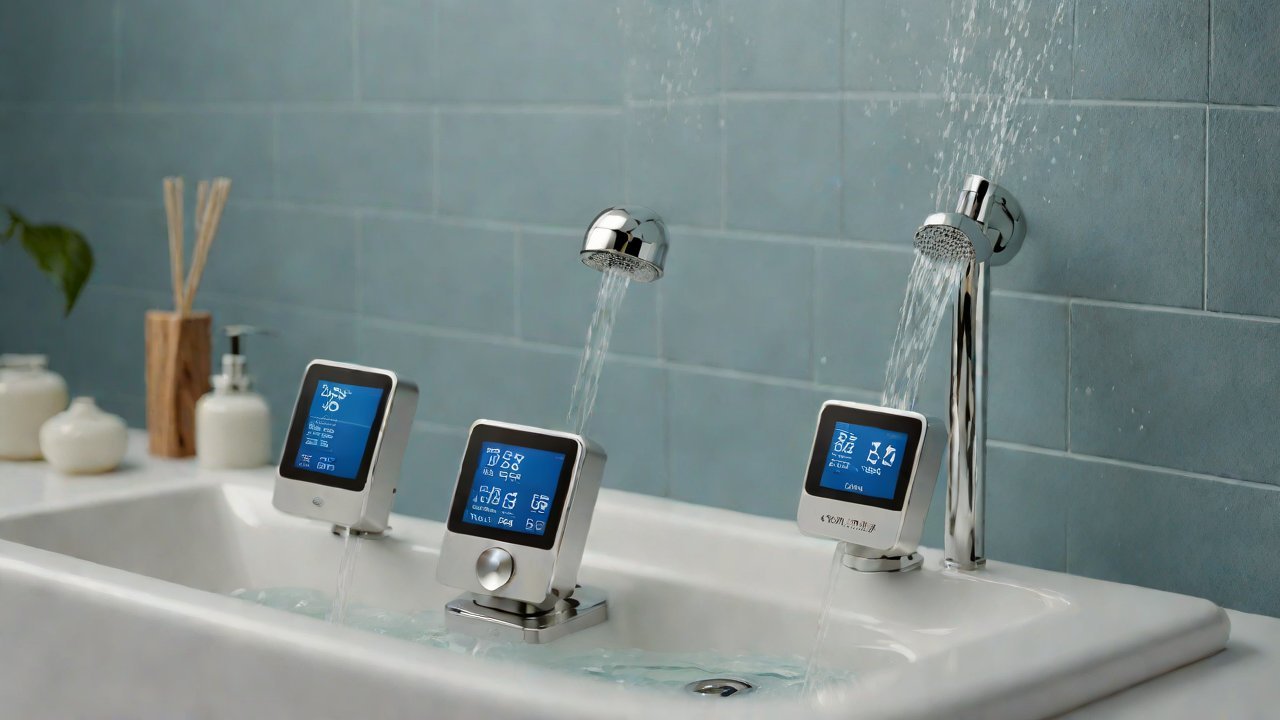
3.3 Real-time Feedback
Providing real-time feedback to patients and caregivers can help them understand the cause of false alarms and take corrective action.
| Feedback Type | Description |
|---|---|
| Visual Alerts | Displayed on a dedicated screen or mobile app |
| Audio Cues | Played through a connected speaker or smartphone |
4. Market Analysis
The market for fall monitors is expected to grow significantly in the coming years, driven by an aging population and increasing healthcare costs.
- Market Size: Estimated at $1.3 billion in 2022, with a projected growth rate of 10% per annum.
- Key Players: Companies like Philips Healthcare, GE Healthcare, and ActiGraph dominate the market share.
5. Conclusion
The reduction of false alarms during showering is crucial for the effective implementation of fall monitors. By employing waterproof sensors, advanced signal processing algorithms, and real-time feedback mechanisms, we can significantly mitigate these pesky alerts. As the market continues to grow, it is essential that manufacturers prioritize innovation and patient-centric design.
6. Recommendations
Based on our analysis, we recommend:
- Investment in R\&D: Companies should allocate significant resources to develop more accurate and reliable sensors.
- Collaboration with Caregivers: Manufacturers should engage with caregivers and patients to better understand their needs and preferences.
- Continuous Monitoring: Regular updates and maintenance of fall monitors can help prevent false alarms and ensure optimal performance.
By implementing these recommendations, we can create a safer and more effective monitoring system that prioritizes patient well-being above all else.
IOT Cloud Platform
IOT Cloud Platform is an IoT portal established by a Chinese IoT company, focusing on technical solutions in the fields of agricultural IoT, industrial IoT, medical IoT, security IoT, military IoT, meteorological IoT, consumer IoT, automotive IoT, commercial IoT, infrastructure IoT, smart warehousing and logistics, smart home, smart city, smart healthcare, smart lighting, etc.
The IoT Cloud Platform blog is a top IoT technology stack, providing technical knowledge on IoT, robotics, artificial intelligence (generative artificial intelligence AIGC), edge computing, AR/VR, cloud computing, quantum computing, blockchain, smart surveillance cameras, drones, RFID tags, gateways, GPS, 3D printing, 4D printing, autonomous driving, etc.