How Can the IoT End Agricultural Pollution? Real-Time Tracking of Every Drop of Pesticide.
The sun-kissed fields, once a testament to human ingenuity and agricultural prowess, now bear the scars of modern farming practices. The relentless pursuit of efficiency has led to an explosion in pesticide usage, with devastating consequences for the environment, wildlife, and human health. The statistics are staggering: over 3 million tons of pesticides are applied annually worldwide, contaminating soil, water, and air, while also affecting the very crops we rely on.
Agricultural pollution is a ticking time bomb, set to explode into a full-blown environmental catastrophe unless drastic measures are taken. The Internet of Things (IoT) presents a beacon of hope in this dark landscape, promising real-time tracking and monitoring capabilities that can revolutionize farming practices and put an end to the wanton use of pesticides.
1. The Pesticide Problem: A Growing Concern
The World Health Organization (WHO) estimates that over 200,000 people die annually due to pesticide poisoning, with millions more suffering from related health issues. The effects are not limited to human health; pesticides also contaminate soil and water, leading to the demise of entire ecosystems.
Pesticide Use Statistics:
| Region | Annual Pesticide Usage (tons) |
|---|---|
| Asia | 1.3 million |
| Europe | 450,000 |
| North America | 350,000 |
| South America | 200,000 |
| Africa | 150,000 |
The data is clear: the world’s pesticide usage is on an unsustainable trajectory, threatening both human health and the environment.

2. The IoT Revolution in Agriculture
IoT technology has transformed industries worldwide, from manufacturing to healthcare. In agriculture, it promises a new era of precision farming, enabling farmers to monitor crop growth, soil conditions, and weather patterns in real-time.
Key Benefits of IoT in Agriculture:
| Feature | Description |
|---|---|
| Real-Time Monitoring | Farmers can track crop health and weather conditions on their mobile devices. |
| Automated Decision-Making | IoT sensors provide data-driven insights, enabling farmers to make informed decisions. |
| Predictive Analytics | Advanced algorithms forecast weather patterns, allowing for proactive planning. |
By harnessing the power of IoT, farmers can adopt precision agriculture practices that minimize waste and reduce pesticide usage.
3. Tracking Every Drop: Real-Time Pesticide Monitoring
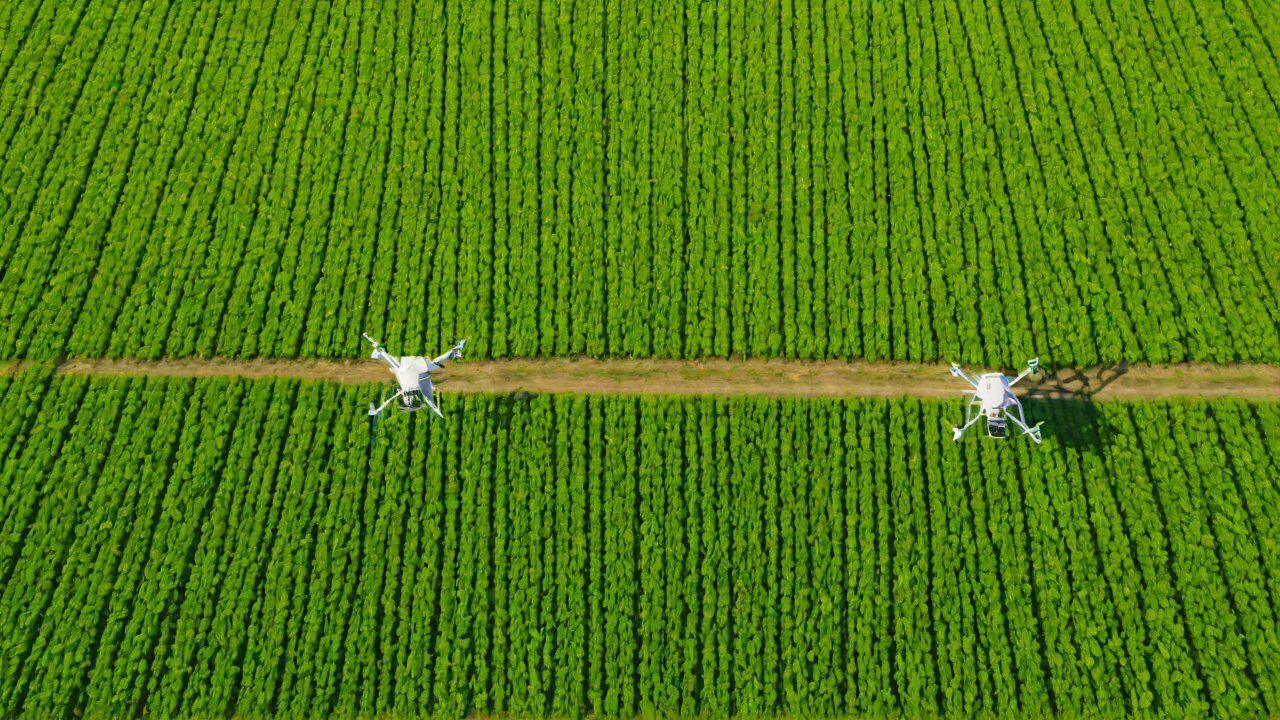
IoT sensors embedded in farming equipment can track every drop of pesticide applied to crops. This real-time monitoring capability is made possible by advanced technologies such as:
Sensor Technologies for Pesticide Tracking:
| Technology | Description |
|---|---|
| GPS-Enabled Sensors | Track the location and quantity of pesticides applied. |
| RFID Tags | Identify specific batches of pesticides and monitor usage. |
| Smart Water Management Systems | Monitor water usage, detecting potential contamination risks. |
4. The Role of Artificial Intelligence in Pesticide Tracking
Artificial intelligence (AI) plays a crucial role in IoT-based pesticide tracking systems. AI algorithms analyze data from various sources, including sensors, weather forecasts, and soil conditions, to predict optimal pesticide application times.
Key AI Applications:
| Application | Description |
|---|---|
| Predictive Analytics | AI-powered models forecast pest outbreaks, enabling targeted pesticide use. |
| Automated Decision-Making | AI-driven systems adjust pesticide applications based on real-time data. |
| Anomaly Detection | AI algorithms identify unusual patterns in pesticide usage, detecting potential contamination risks. |

5. Implementing IoT-Based Pesticide Tracking: Challenges and Opportunities
While the benefits of IoT-based pesticide tracking are clear, implementing such a system presents several challenges:
Challenges to Implementation:
| Challenge | Description |
|---|---|
| Infrastructure Costs | Establishing a comprehensive IoT network requires significant investment. |
| Data Security | Ensuring the confidentiality and integrity of sensitive data is crucial. |
| Regulatory Frameworks | Governments must establish clear regulations governing pesticide tracking. |
6. Scaling Up IoT-Based Pesticide Tracking: A Roadmap for Success
To realize the full potential of IoT-based pesticide tracking, a multi-faceted approach is required:
Key Steps to Scaling Up:
- Government Support: Encourage governments to establish clear regulations and incentives for farmers adopting IoT-based pesticide tracking systems.
- Private Sector Investment: Attract private investment in IoT infrastructure development and data analytics capabilities.
- Farmer Education: Educate farmers on the benefits of IoT-based pesticide tracking, providing training and support for system implementation.
By working together, we can harness the power of IoT to put an end to agricultural pollution and create a more sustainable future for generations to come.
The sun may be setting on the era of wanton pesticide use, but with the IoT at its helm, a new dawn is breaking – one where every drop of pesticide is tracked in real-time, ensuring a cleaner, healthier planet for all.
IOT Cloud Platform
IOT Cloud Platform is an IoT portal established by a Chinese IoT company, focusing on technical solutions in the fields of agricultural IoT, industrial IoT, medical IoT, security IoT, military IoT, meteorological IoT, consumer IoT, automotive IoT, commercial IoT, infrastructure IoT, smart warehousing and logistics, smart home, smart city, smart healthcare, smart lighting, etc.
The IoT Cloud Platform blog is a top IoT technology stack, providing technical knowledge on IoT, robotics, artificial intelligence (generative artificial intelligence AIGC), edge computing, AR/VR, cloud computing, quantum computing, blockchain, smart surveillance cameras, drones, RFID tags, gateways, GPS, 3D printing, 4D printing, autonomous driving, etc.