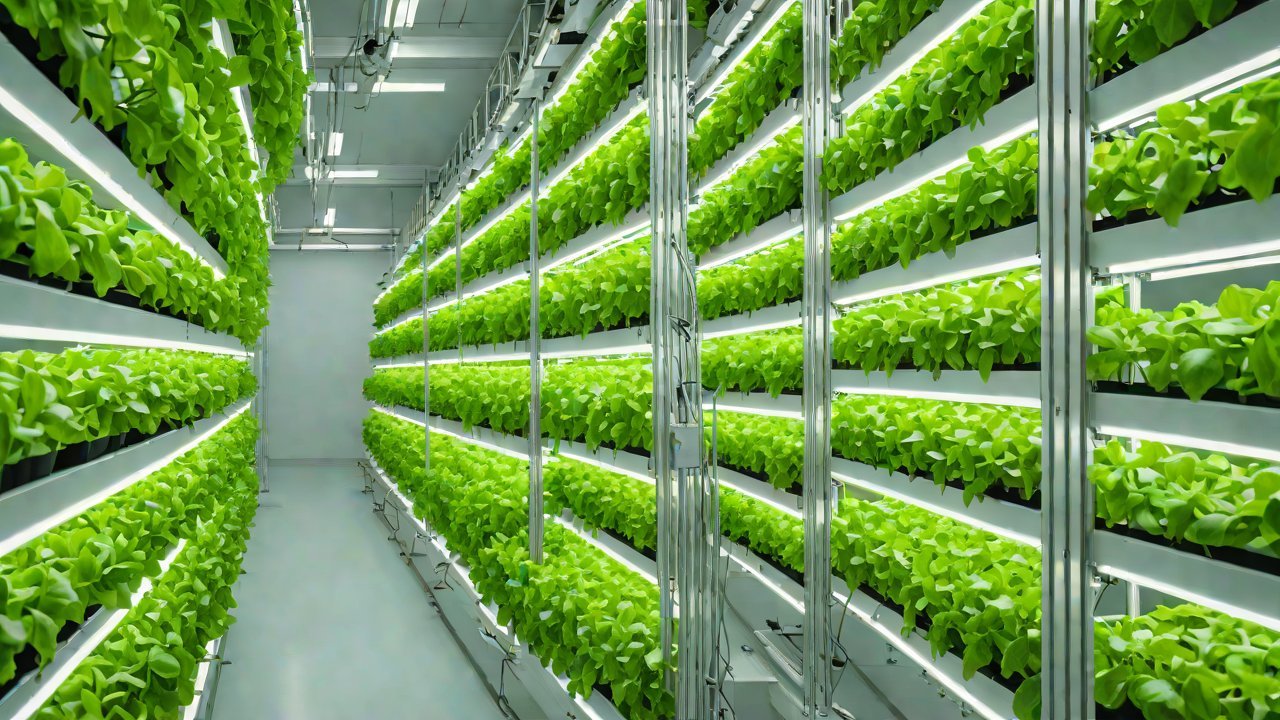
How can the Internet of Things (IoT) monitor the height and flow rate of liquid levels at each level in a vertical farm?
The Internet of Things (IoT) has revolutionized the way we monitor and manage various physical systems, including industrial processes. In the context of vertical farming, where crops are grown in vertically stacked layers, precise control over water levels and flow rates is crucial for optimal crop growth, reduced water waste, and increased yields. Monitoring the height and flow rate of liquid levels at each level in a vertical farm is a complex task that requires a sophisticated IoT solution.
1. IoT Architecture for Vertical Farm Monitoring
To monitor the height and flow rate of liquid levels at each level in a vertical farm, an IoT architecture consisting of multiple layers is required. The architecture should include:
| Layer | Description | Devices | Communication Protocols |
|---|---|---|---|
| Sensing | Sensors to measure liquid level and flow rate | Ultrasonic sensors, pressure sensors, flow meters | Analog-to-digital converters, wireless communication modules (e.g., Wi-Fi, Bluetooth) |
| Data Processing | Edge devices to process and analyze sensor data | Microcontrollers (e.g., Arduino, Raspberry Pi), single-board computers (e.g., BeagleBone) | Operating systems (e.g., Linux, Windows), programming languages (e.g., C, Python) |
| Data Storage | Data storage devices to store processed data | Cloud storage services (e.g., AWS, Google Cloud), on-premises storage solutions (e.g., NAS, SAN) | Data transfer protocols (e.g., HTTP, FTP), data encryption techniques (e.g., SSL/TLS) |
| Data Visualization | User interfaces to visualize processed data | Web browsers, mobile apps, desktop applications | Data visualization libraries (e.g., D3.js, Matplotlib), user interface frameworks (e.g., React, Angular) |
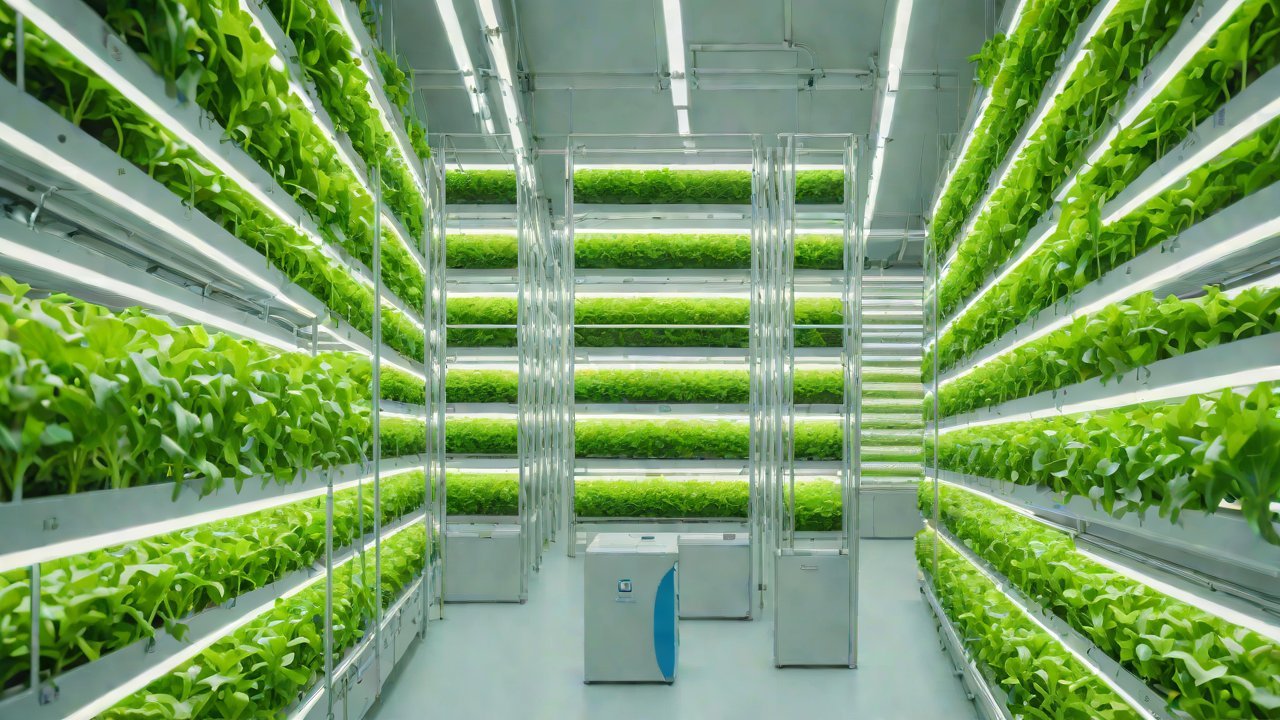
The IoT architecture should be designed to ensure real-time data processing, secure data storage, and user-friendly data visualization.
2. Sensor Selection and Placement
Selecting the right sensors and placing them in optimal locations is crucial for accurate liquid level and flow rate measurements. The following sensors can be used for this purpose:
| Sensor Type | Description | Accuracy | Range |
|---|---|---|---|
| Ultrasonic sensor | Measures liquid level by sending ultrasonic waves and measuring the time-of-flight | ±1% | 0-10 m |
| Pressure sensor | Measures liquid pressure, which is directly proportional to liquid level | ±0.1% | 0-100 kPa |
| Flow meter | Measures liquid flow rate using magnetic or ultrasonic technology | ±1% | 0-100 L/min |
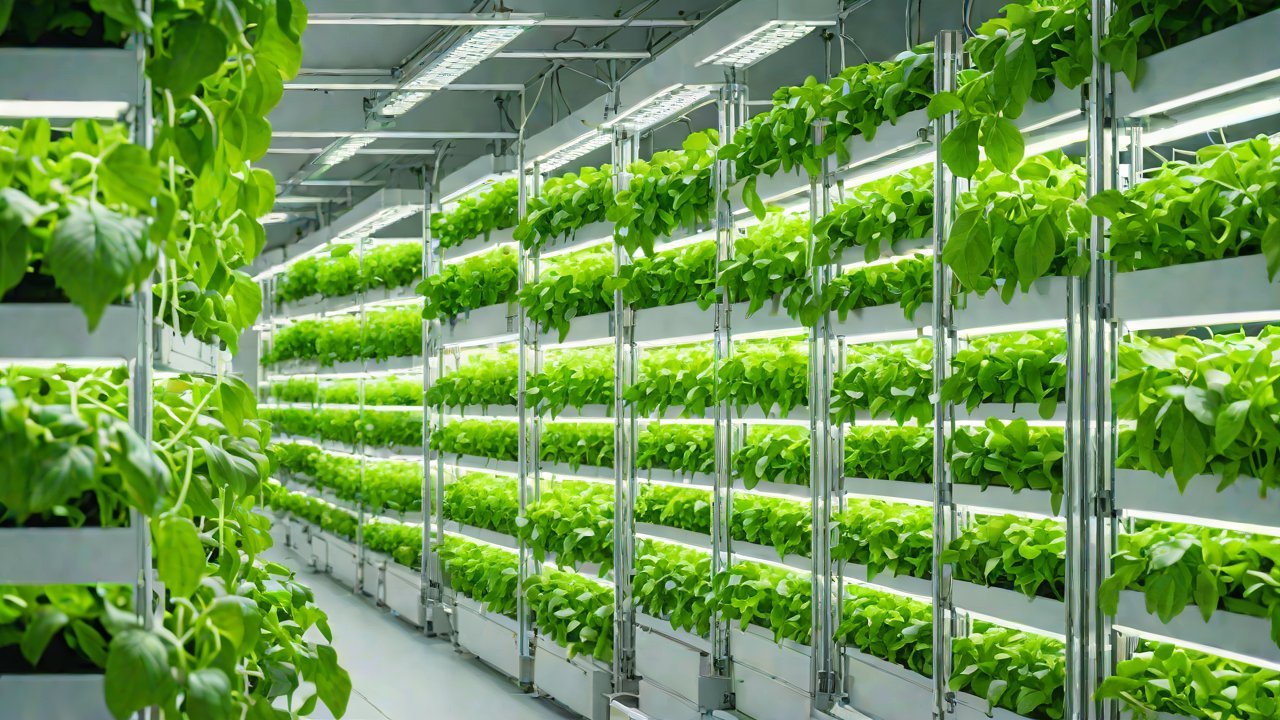
Sensors should be placed at each level in the vertical farm, ensuring that they are:
- Level with the liquid surface
- Protected from extreme temperatures and humidity
- Wired or wirelessly connected to the IoT infrastructure
3. Data Processing and Analysis
Processed data from sensors should be analyzed using algorithms that account for factors such as:
- Temperature and humidity effects on sensor accuracy
- Pump and valve performance
- Water usage patterns and anomalies
Machine learning algorithms, such as regression analysis and anomaly detection, can be used to:
- Predict liquid level and flow rate changes
- Identify potential issues and alert farm operators
- Optimize water usage and reduce waste
4. Data Storage and Visualization
Processed data should be stored in a secure and scalable cloud storage service, allowing for:
- Remote access and monitoring
- Data backup and recovery
- Scalability for large farms with multiple levels
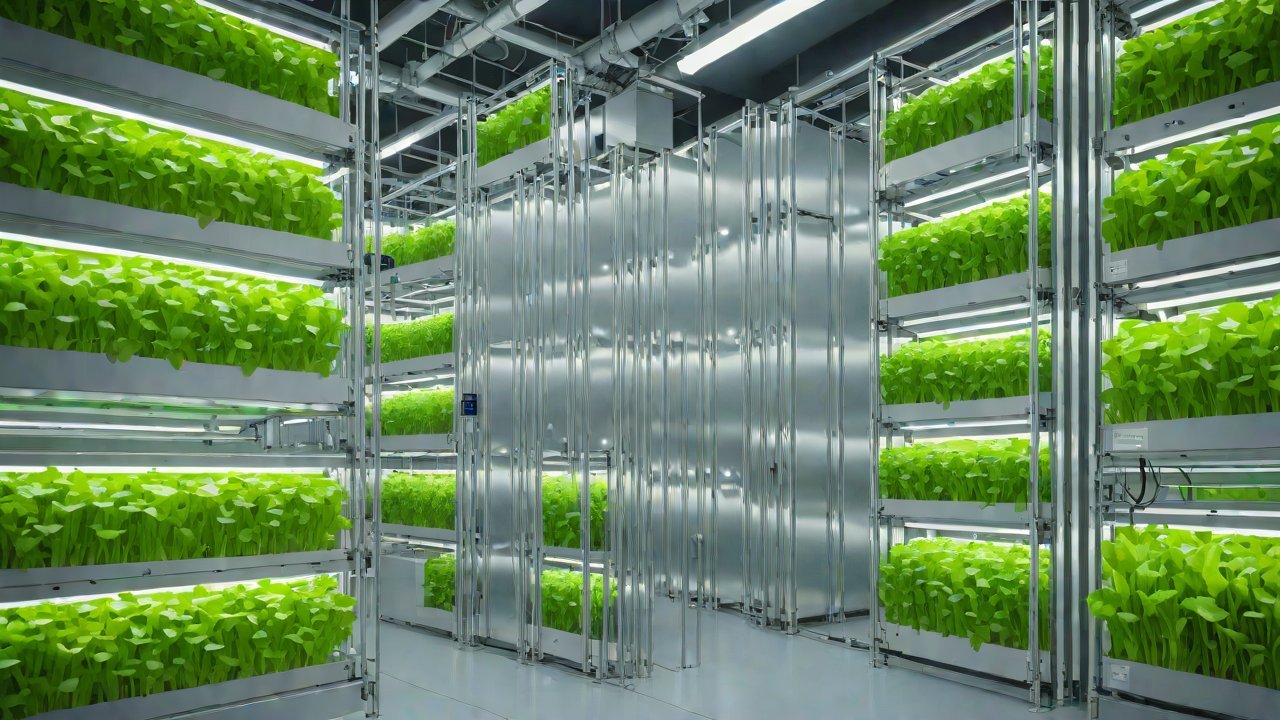
Data visualization tools should be used to create interactive dashboards and reports, providing farm operators with:
- Real-time liquid level and flow rate data
- Historical trends and analytics
- Alerts and notifications for potential issues
5. Implementation and Maintenance
Implementing an IoT solution for vertical farm monitoring requires:
- A thorough needs assessment and system design
- Careful sensor selection and placement
- Regular maintenance and calibration of sensors and IoT infrastructure
Farm operators should also consider:
- Training and support for IoT system maintenance and troubleshooting
- Continuous monitoring and evaluation of system performance
- Integration with existing farm management systems and processes
6. Market Trends and AIGC Perspectives
The global IoT market for agriculture and farming is expected to grow from $2.4 billion in 2020 to $12.4 billion by 2025, at a CAGR of 33.4%. Key market trends include:
- Increasing adoption of precision agriculture and vertical farming
- Growing demand for IoT solutions that improve crop yields and reduce water waste
- Advancements in sensor technology and data analytics
AIGC (Artificial General Intelligence) perspectives suggest that future IoT solutions for vertical farm monitoring will incorporate:
- Autonomous decision-making and control
- Real-time predictive analytics and simulation
- Integration with emerging technologies like blockchain and 5G networks
By combining these trends and perspectives, we can create a comprehensive IoT solution that monitors the height and flow rate of liquid levels at each level in a vertical farm, ensuring optimal crop growth, reduced water waste, and increased yields.
IOT Cloud Platform
IOT Cloud Platform is an IoT portal established by a Chinese IoT company, focusing on technical solutions in the fields of agricultural IoT, industrial IoT, medical IoT, security IoT, military IoT, meteorological IoT, consumer IoT, automotive IoT, commercial IoT, infrastructure IoT, smart warehousing and logistics, smart home, smart city, smart healthcare, smart lighting, etc.
The IoT Cloud Platform blog is a top IoT technology stack, providing technical knowledge on IoT, robotics, artificial intelligence (generative artificial intelligence AIGC), edge computing, AR/VR, cloud computing, quantum computing, blockchain, smart surveillance cameras, drones, RFID tags, gateways, GPS, 3D printing, 4D printing, autonomous driving, etc.