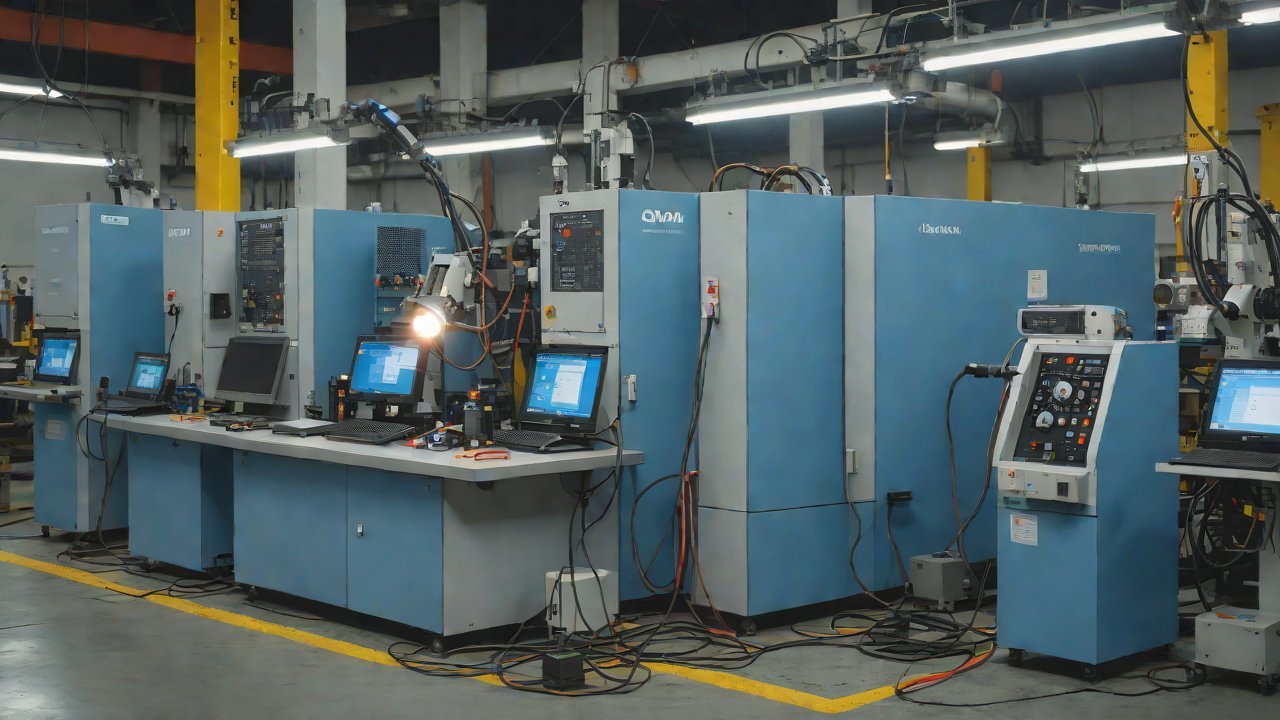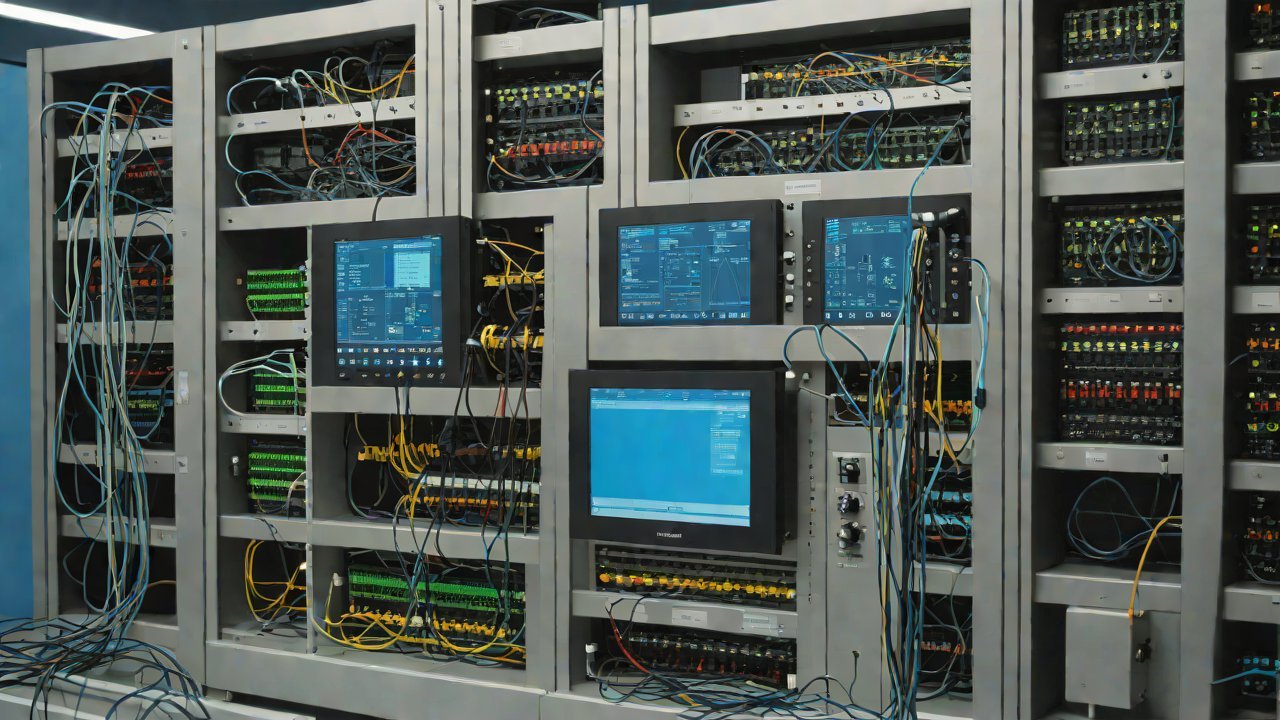
How can the firmware automatic update mechanism avoid interruptions during monitoring operation?
The modern industrial landscape is increasingly reliant on advanced technologies that integrate real-time monitoring and control systems. These systems rely on sophisticated firmware to operate seamlessly, collecting and analyzing vast amounts of data from various sensors and devices. However, with the constant evolution of technology, these firmware updates become a crucial aspect of maintaining system efficiency and reliability.
One of the most critical concerns in this context is ensuring that firmware updates do not cause disruptions during monitoring operations. A single interruption can lead to downtime, reduced productivity, and potentially catastrophic consequences for industries such as healthcare, energy, or transportation. Therefore, it’s imperative to design and implement robust automatic update mechanisms that minimize interruptions.
1. Understanding Firmware Update Mechanisms
Firmware is a type of software that controls the basic functions of electronic devices, including those used in industrial monitoring systems. Updates are necessary to fix bugs, add new features, or improve system performance. Automatic update mechanisms are designed to automatically download and install updates without manual intervention.
However, these mechanisms can sometimes cause interruptions due to factors such as:
- Incompatible hardware configurations
- Conflicting software dependencies
- Network connectivity issues
To mitigate these risks, it’s essential to understand the underlying components of firmware update mechanisms. This includes the architecture, protocols used for communication, and the algorithms employed for scheduling updates.
Table 1: Common Firmware Update Mechanisms
| Mechanism | Description | Pros | Cons |
|---|---|---|---|
| Periodic Updates | Scheduled updates at fixed intervals | Predictable downtime | May not account for urgent fixes |
| On-Demand Updates | User-initiated updates | Flexibility, no downtime | Can be resource-intensive |

2. Analyzing Interrupting Factors
Several factors can cause firmware update mechanisms to interrupt monitoring operations:
- Hardware Incompatibilities: Firmware updates may require specific hardware configurations that are not present in the system.
- Network Connectivity Issues: Disruptions in network connectivity can prevent updates from being downloaded or installed successfully.
- Conflicting Software Dependencies: Updates may introduce new software dependencies that conflict with existing ones, causing system instability.
Table 2: Common Interrupting Factors
| Factor | Description | Impact on System |
|---|---|---|
| Hardware Incompatibilities | Firmware requires specific hardware configurations not present in the system | System crashes or fails to update |
| Network Connectivity Issues | Disruptions in network connectivity prevent updates from being downloaded or installed successfully | Updates fail, or system becomes unresponsive |

3. Designing Robust Update Mechanisms
To minimize interruptions during monitoring operations, it’s essential to design robust firmware update mechanisms that account for potential interrupting factors. This includes:
- Implementing Compatibility Checks: Verify hardware and software configurations before initiating updates.
- Using Redundant Network Paths: Ensure network connectivity by using redundant paths for data transfer.
- Scheduling Updates During Maintenance Windows: Schedule updates during maintenance windows to minimize downtime.
Table 3: Design Considerations for Robust Update Mechanisms
| Design Consideration | Description | Benefits |
|---|---|---|
| Implementing Compatibility Checks | Verify hardware and software configurations before initiating updates | Prevents system crashes, ensures successful updates |
| Using Redundant Network Paths | Ensure network connectivity by using redundant paths for data transfer | Minimizes downtime due to network issues |
4. Case Studies and Real-World Applications
Several industries have successfully implemented robust firmware update mechanisms to minimize interruptions during monitoring operations:

- Industrial Automation: Companies like Siemens and Rockwell Automation use advanced update mechanisms to ensure seamless integration with existing systems.
- Transportation Systems: Update mechanisms are critical in transportation systems, where downtime can result in significant revenue losses.
Table 4: Case Studies of Robust Firmware Update Mechanisms
| Industry | Company | Update Mechanism Description |
|---|---|---|
| Industrial Automation | Siemens | Advanced update mechanism ensures seamless integration with existing systems |
| Transportation Systems | Rockwell Automation | Update mechanisms minimize downtime, ensuring continued system operation |
5. Conclusion and Recommendations
Implementing robust firmware update mechanisms is crucial to minimizing interruptions during monitoring operations. By understanding the underlying components of update mechanisms, analyzing interrupting factors, and designing robust updates, industries can ensure seamless integration with existing systems.
To further enhance firmware update mechanisms:
- Invest in Advanced Update Mechanisms: Leverage AI-powered update tools that analyze system configurations and schedule updates accordingly.
- Implement Redundant Network Paths: Ensure network connectivity by using redundant paths for data transfer.
- Schedule Updates During Maintenance Windows: Schedule updates during maintenance windows to minimize downtime.
By adopting these recommendations, industries can ensure uninterrupted monitoring operations and maintain optimal system performance.
IOT Cloud Platform
IOT Cloud Platform is an IoT portal established by a Chinese IoT company, focusing on technical solutions in the fields of agricultural IoT, industrial IoT, medical IoT, security IoT, military IoT, meteorological IoT, consumer IoT, automotive IoT, commercial IoT, infrastructure IoT, smart warehousing and logistics, smart home, smart city, smart healthcare, smart lighting, etc.
The IoT Cloud Platform blog is a top IoT technology stack, providing technical knowledge on IoT, robotics, artificial intelligence (generative artificial intelligence AIGC), edge computing, AR/VR, cloud computing, quantum computing, blockchain, smart surveillance cameras, drones, RFID tags, gateways, GPS, 3D printing, 4D printing, autonomous driving, etc.