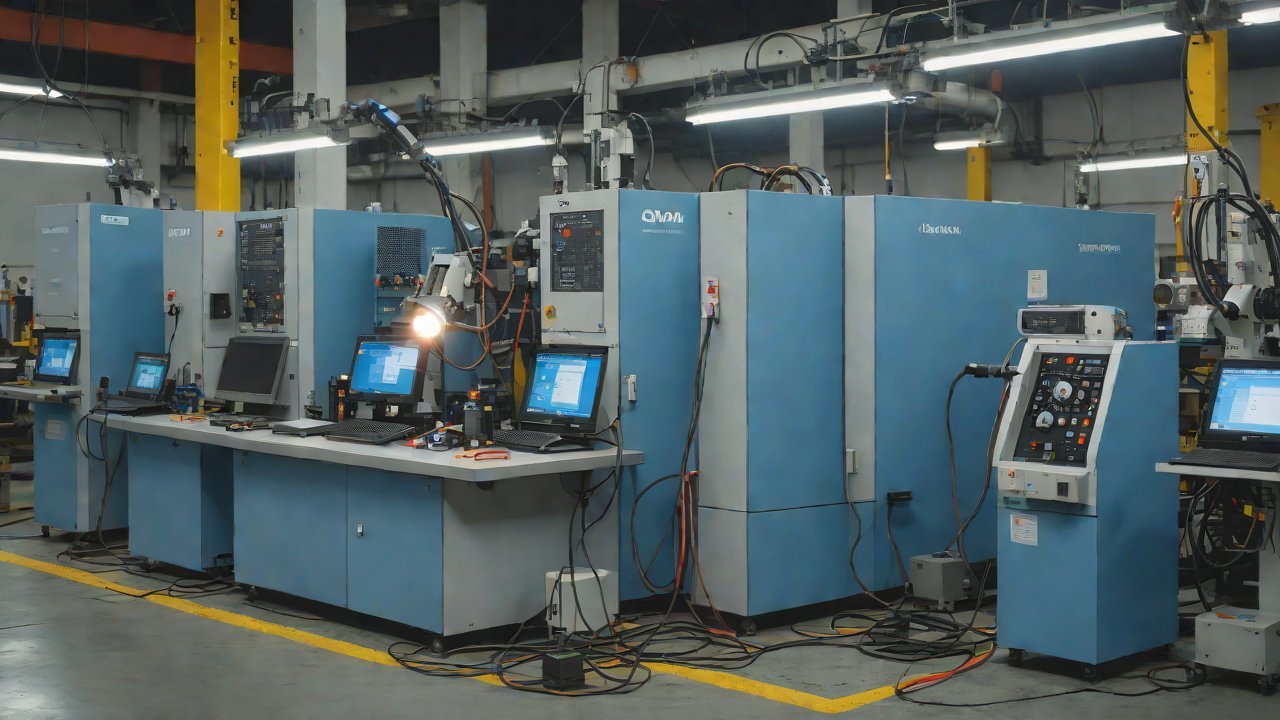
How can the energy internet coordinate the supply and demand balance between distributed factories and microgrids?
The energy internet is a rapidly evolving concept that aims to transform the way energy is generated, transmitted, and consumed. As the world shifts towards a more decentralized and renewable energy landscape, the need for efficient coordination between distributed factories and microgrids has become increasingly pressing. Distributed factories, also known as industrial parks or smart manufacturing hubs, are clusters of industrial facilities that can generate and consume large amounts of energy. Microgrids, on the other hand, are local energy systems that can operate in isolation from the main grid and provide reliable power to consumers.
The energy internet is a critical component of this new energy landscape, enabling the seamless integration of distributed energy resources, energy storage, and advanced grid management systems. However, the coordination of supply and demand balance between distributed factories and microgrids poses significant technical and economic challenges. In this report, we will explore the key drivers and technical requirements for achieving this balance, and provide a comprehensive framework for the energy internet to coordinate the supply and demand balance between distributed factories and microgrids.
1. Key Drivers for Coordinating Supply and Demand Balance
The need for coordinating supply and demand balance between distributed factories and microgrids is driven by several key factors:
- Renewable Energy Integration: As the share of renewable energy sources in the energy mix increases, the need for flexible and responsive energy systems to manage the variability of solar and wind power becomes more pressing.
- Electrification of Industry: The growing demand for electricity in industrial processes, such as manufacturing and processing, requires more efficient and reliable energy supply systems.
- Grid Resiliency: Microgrids and distributed factories can provide critical grid services, such as frequency regulation and peak shaving, to enhance grid resilience and reliability.
- Energy Efficiency: Coordinating supply and demand balance can help reduce energy waste and optimize energy consumption in industrial processes.
2. Technical Requirements for Coordinating Supply and Demand Balance
To achieve the coordination of supply and demand balance between distributed factories and microgrids, the following technical requirements must be met:
- Real-time Energy Monitoring: Advanced sensors and IoT technologies can provide real-time energy monitoring and data analytics to optimize energy consumption and generation.
- Advanced Energy Storage: Energy storage systems, such as batteries and flywheels, can provide flexible and responsive energy supply to meet changing demand.
- Grid Management Systems: Advanced grid management systems can optimize energy distribution, manage energy storage, and provide real-time monitoring and control.
- Communication and Data Exchange: Secure and reliable communication and data exchange protocols are necessary for coordinating supply and demand balance between distributed factories and microgrids.
| Technical Requirement | Description | Status |
|---|---|---|
| Real-time Energy Monitoring | Advanced sensors and IoT technologies for real-time energy monitoring and data analytics | Emerging |
| Advanced Energy Storage | Energy storage systems, such as batteries and flywheels, for flexible and responsive energy supply | Mature |
| Grid Management Systems | Advanced grid management systems for optimizing energy distribution and managing energy storage | Mature |
| Communication and Data Exchange | Secure and reliable communication and data exchange protocols for coordinating supply and demand balance | Emerging |
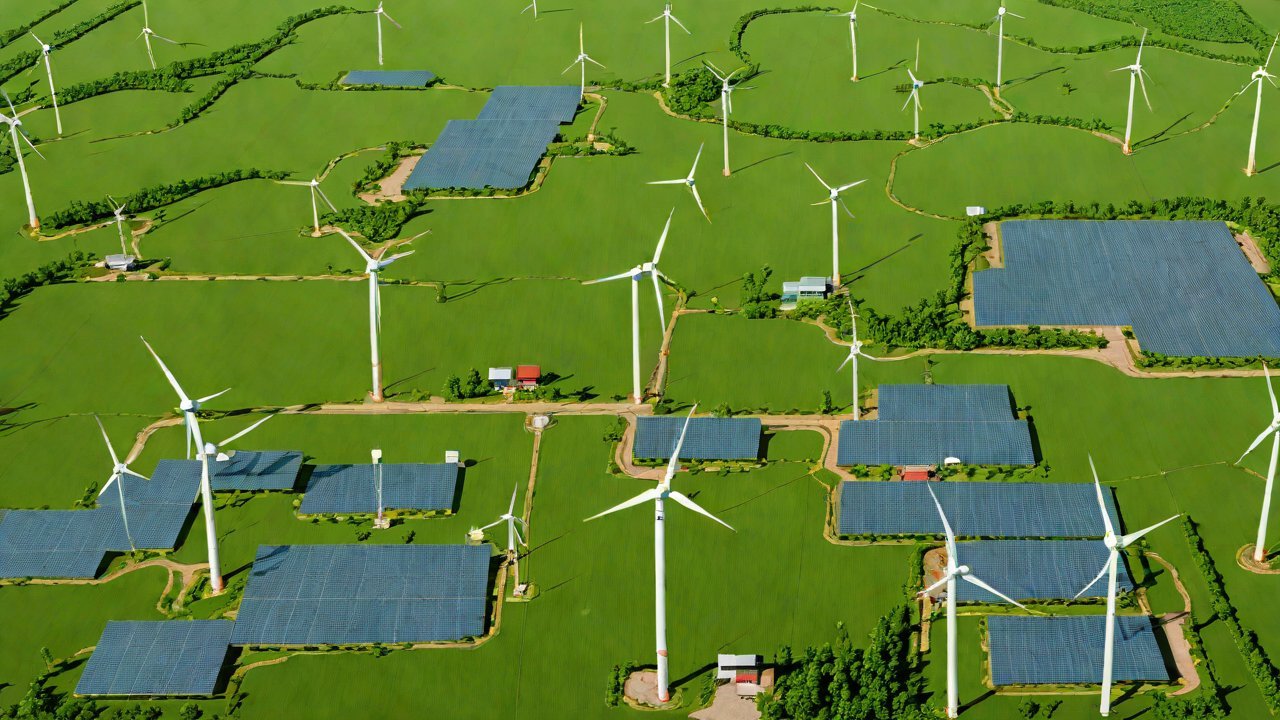
3. AIGC Technical Perspectives
AIGC (Artificial Intelligence and Grid Computing) technologies can play a critical role in coordinating supply and demand balance between distributed factories and microgrids. Some key AIGC technical perspectives include:
- Predictive Analytics: Advanced predictive analytics can forecast energy demand and supply, enabling optimized energy management and reduced energy waste.
- Machine Learning: Machine learning algorithms can optimize energy consumption and generation in real-time, based on real-time energy data and market signals.
- Blockchain: Blockchain technologies can provide secure and reliable data exchange and transaction management for coordinating supply and demand balance.
| AIGC Technology | Description | Status |
|---|---|---|
| Predictive Analytics | Advanced predictive analytics for forecasting energy demand and supply | Emerging |
| Machine Learning | Machine learning algorithms for optimizing energy consumption and generation in real-time | Emerging |
| Blockchain | Blockchain technologies for secure and reliable data exchange and transaction management | Emerging |
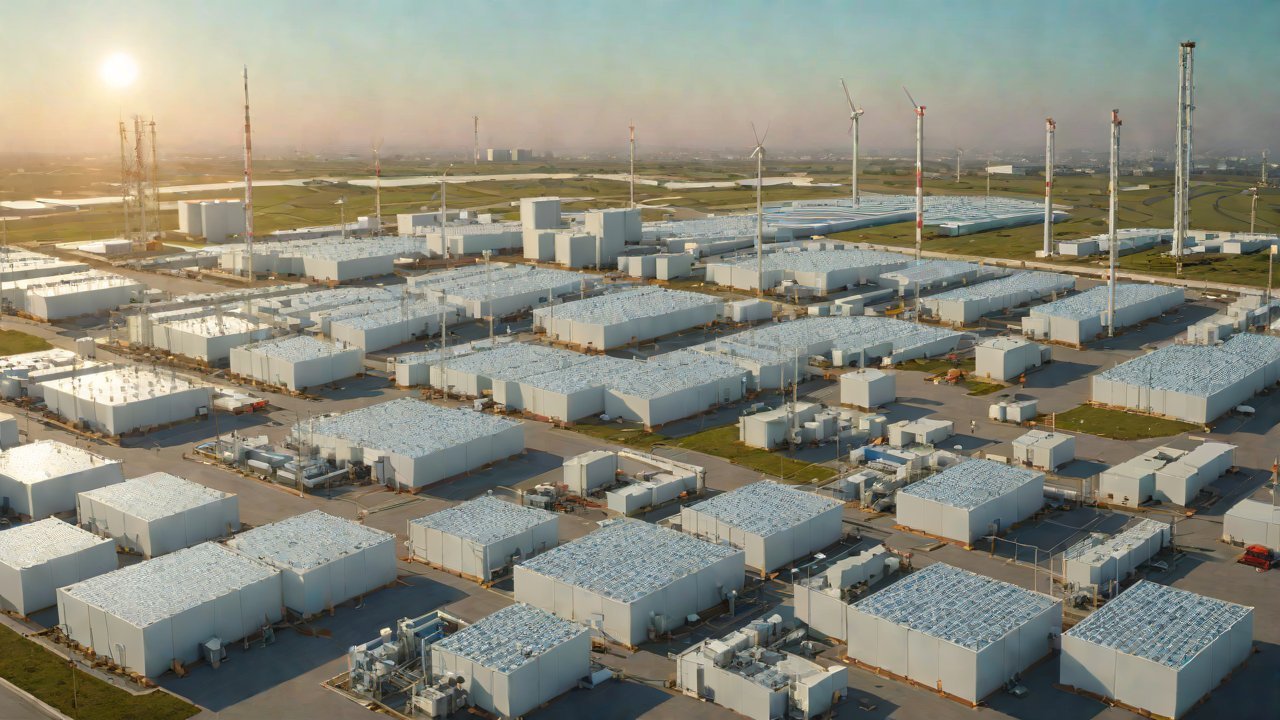
4. Market Data and Insights
Market data and insights can provide valuable information for coordinating supply and demand balance between distributed factories and microgrids. Some key market data and insights include:
- Renewable Energy Market Trends: The growth of renewable energy sources, such as solar and wind power, is driving the need for flexible and responsive energy systems.
- Energy Storage Market Trends: The increasing demand for energy storage systems, such as batteries and flywheels, is driven by the need for flexible and responsive energy supply.
- Grid Management System Market Trends: The growing demand for advanced grid management systems is driven by the need for optimized energy distribution and management.
| Market Data | Description | Status |
|---|---|---|
| Renewable Energy Market Trends | Growth of renewable energy sources, such as solar and wind power | Emerging |
| Energy Storage Market Trends | Increasing demand for energy storage systems, such as batteries and flywheels | Emerging |
| Grid Management System Market Trends | Growing demand for advanced grid management systems | Emerging |
5. Conclusion
The energy internet is a critical component of the new energy landscape, enabling the seamless integration of distributed energy resources, energy storage, and advanced grid management systems. However, the coordination of supply and demand balance between distributed factories and microgrids poses significant technical and economic challenges. By understanding the key drivers and technical requirements for achieving this balance, and by leveraging AIGC technologies and market data and insights, the energy internet can play a critical role in optimizing energy consumption and generation, reducing energy waste, and enhancing grid resilience and reliability.
IOT Cloud Platform
IOT Cloud Platform is an IoT portal established by a Chinese IoT company, focusing on technical solutions in the fields of agricultural IoT, industrial IoT, medical IoT, security IoT, military IoT, meteorological IoT, consumer IoT, automotive IoT, commercial IoT, infrastructure IoT, smart warehousing and logistics, smart home, smart city, smart healthcare, smart lighting, etc.
The IoT Cloud Platform blog is a top IoT technology stack, providing technical knowledge on IoT, robotics, artificial intelligence (generative artificial intelligence AIGC), edge computing, AR/VR, cloud computing, quantum computing, blockchain, smart surveillance cameras, drones, RFID tags, gateways, GPS, 3D printing, 4D printing, autonomous driving, etc.