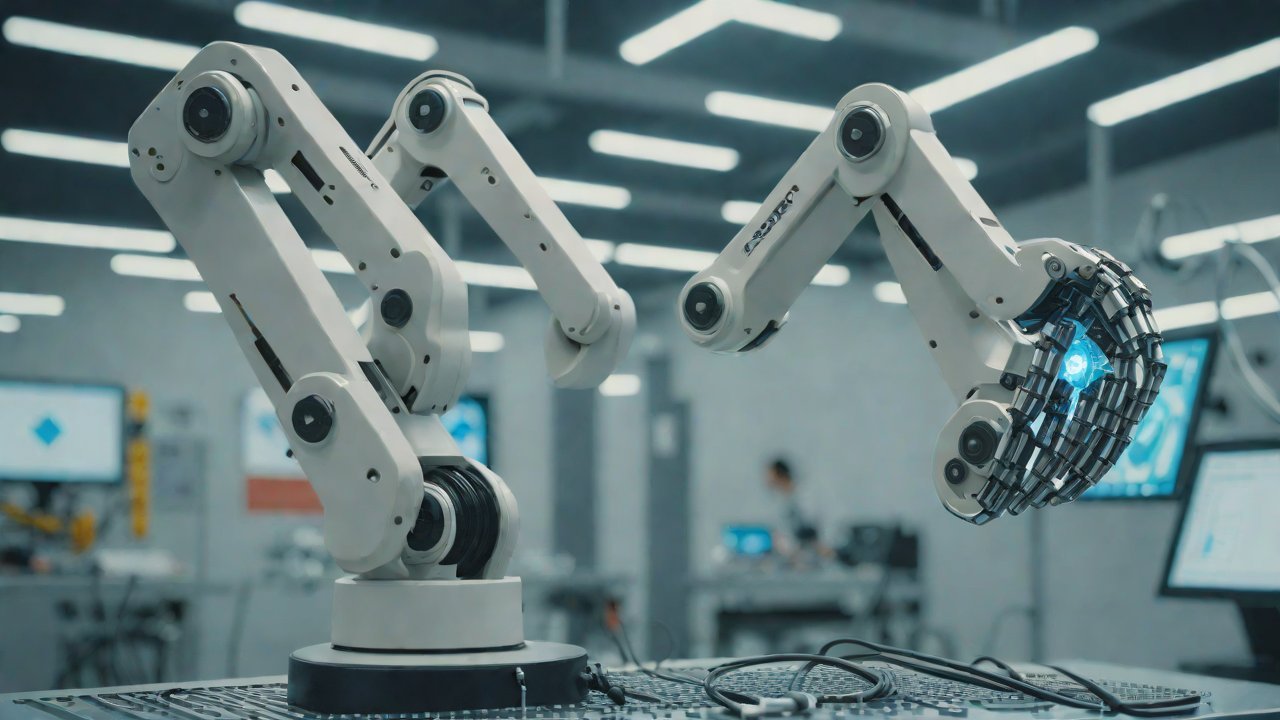
How can the “digital pain perception” of the production line guide robots to avoid wear and tear?
The digital pain perception of the production line, a concept that has been gaining traction in the industry, refers to the ability to monitor and analyze the physical and operational stress that production equipment and machinery experience during the manufacturing process. This stress can be attributed to factors such as high temperatures, vibrations, and excessive loads, which can lead to wear and tear, ultimately resulting in equipment failure and downtime. As robots increasingly integrate into production lines, it is essential to develop strategies that enable them to perceive and respond to the digital pain perception of the line, thereby reducing the likelihood of equipment failure and improving overall efficiency.
1. Understanding the Digital Pain Perception of the Production Line
The digital pain perception of the production line is a complex phenomenon that encompasses various aspects of the manufacturing process. It involves the ability to monitor and analyze the physical and operational stress that production equipment and machinery experience during the manufacturing process. This stress can be attributed to factors such as high temperatures, vibrations, and excessive loads, which can lead to wear and tear, ultimately resulting in equipment failure and downtime.
| Factor | Description | Impact on Equipment |
|---|---|---|
| Temperature | High temperatures can cause thermal expansion, leading to equipment damage | Thermal stress, material degradation |
| Vibrations | Excessive vibrations can cause mechanical stress, leading to equipment failure | Fatigue, material degradation |
| Loads | Excessive loads can cause mechanical stress, leading to equipment failure | Fatigue, material degradation |
2. The Role of Robots in the Production Line
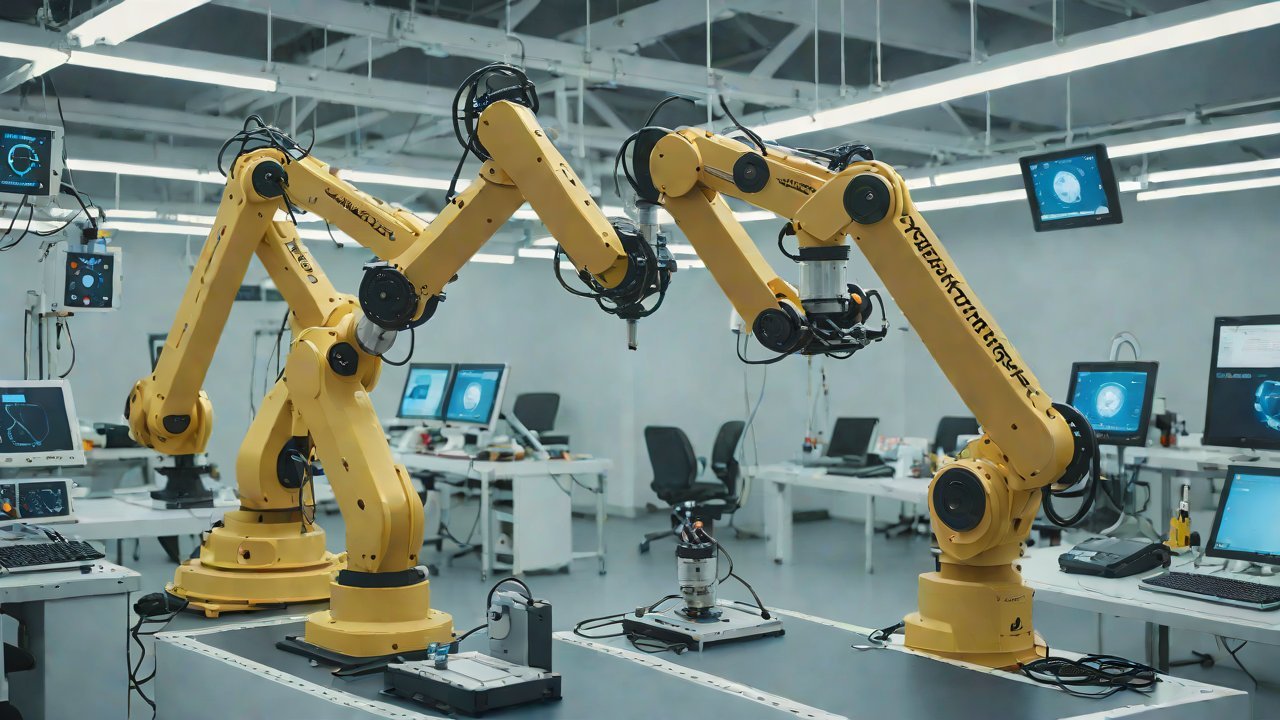
Robots are increasingly being integrated into production lines to improve efficiency, accuracy, and productivity. However, as robots interact with production equipment and machinery, they can also contribute to the digital pain perception of the line. Robots can experience mechanical stress, vibrations, and excessive loads, leading to wear and tear, and ultimately, equipment failure.
| Robot Type | Typical Applications | Common Challenges |
|---|---|---|
| Industrial Robots | Assembly, welding, material handling | Mechanical stress, vibrations, excessive loads |
| Collaborative Robots | Assembly, inspection, packaging | Mechanical stress, vibrations, excessive loads |
| Autonomous Mobile Robots | Material handling, transportation, inspection | Mechanical stress, vibrations, excessive loads |
3. Strategies for Guiding Robots to Avoid Wear and Tear
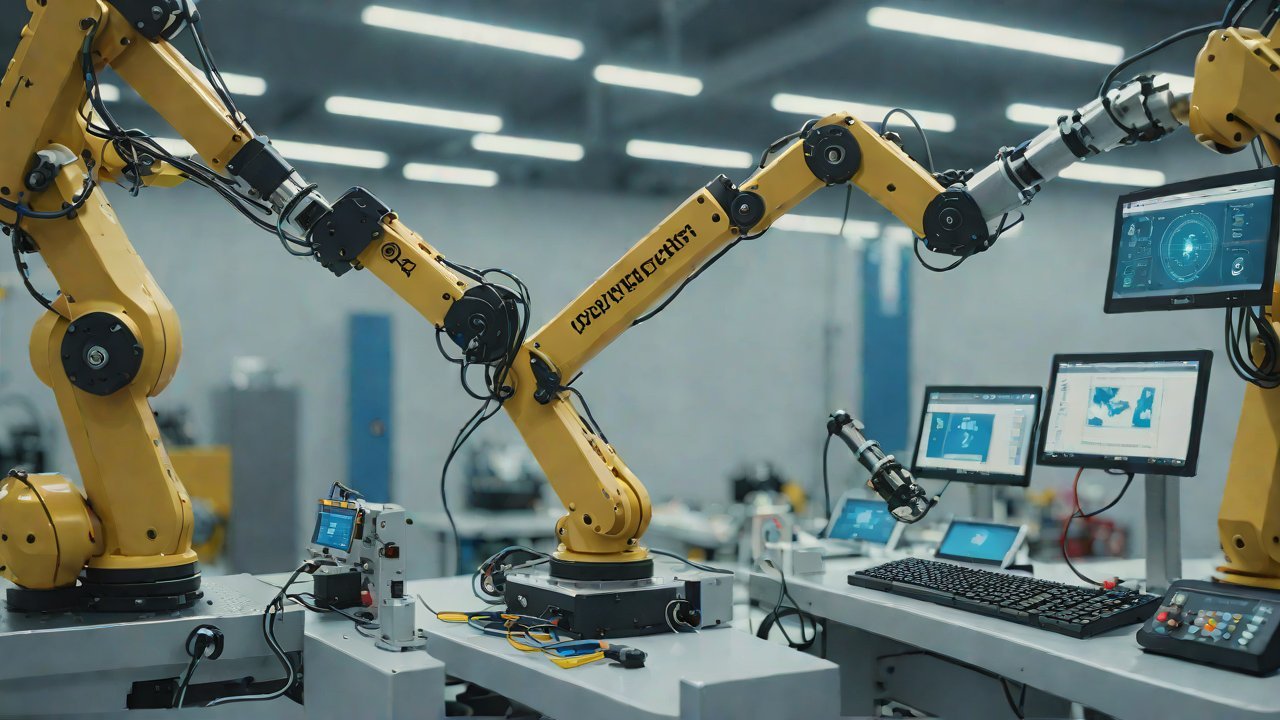
To guide robots to avoid wear and tear, several strategies can be employed:
- Real-time Monitoring: Implement real-time monitoring systems that track the physical and operational stress experienced by production equipment and machinery. This data can be used to identify potential issues before they occur.
- Predictive Maintenance: Implement predictive maintenance schedules based on real-time monitoring data. This ensures that maintenance is performed before equipment failure occurs, reducing downtime and improving efficiency.
- Robot-to-Robot Communication: Implement robot-to-robot communication systems that enable robots to share information about their operational status, stress levels, and potential issues.
- Artificial Intelligence (AI) and Machine Learning (ML): Implement AI and ML algorithms that analyze real-time monitoring data to identify patterns and predict potential issues before they occur.
4. Market Trends and Outlook
The market for digital pain perception and robot guidance is expected to grow significantly in the coming years. According to a report by MarketsandMarkets, the global industrial automation market is expected to reach USD 173.7 billion by 2025, growing at a CAGR of 9.5% from 2020 to 2025.
| Year | Market Size (USD Billion) | CAGR (%) |
|---|---|---|
| 2020 | 121.4 | 8.2 |
| 2025 | 173.7 | 9.5 |
5. Technical Perspectives
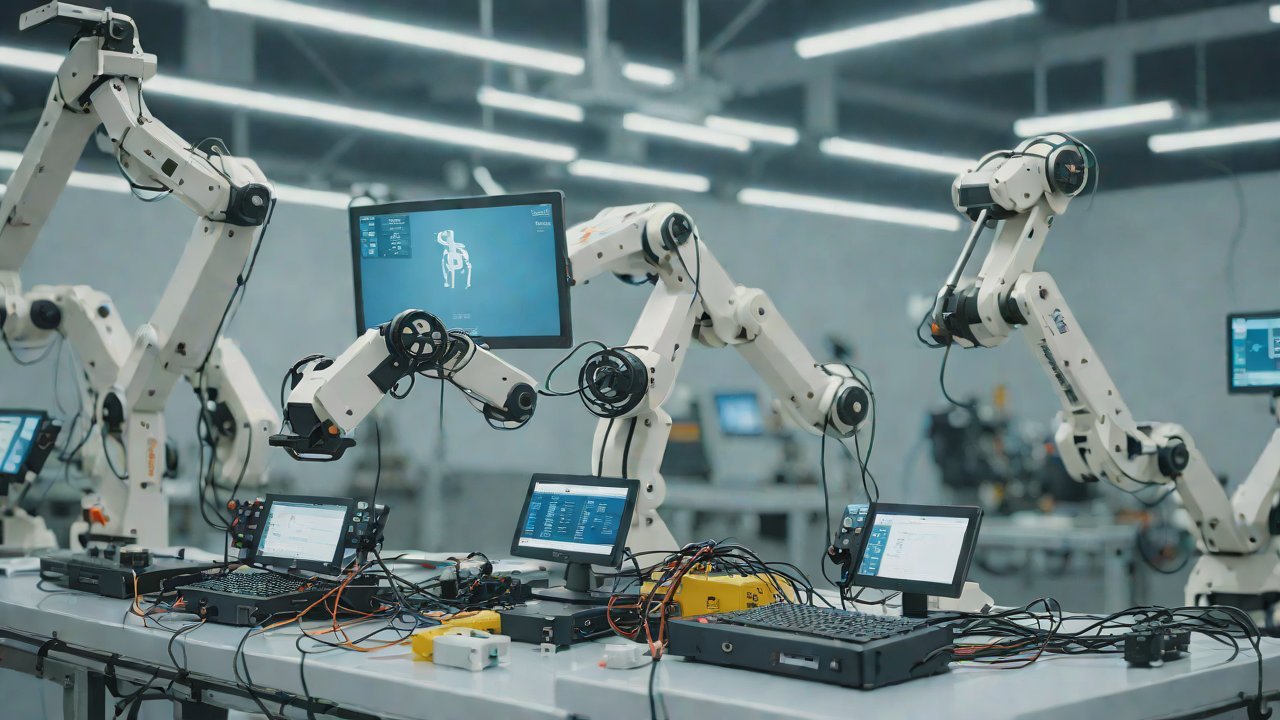
From a technical perspective, several factors must be considered when implementing digital pain perception and robot guidance:
- Sensor Integration: Sensors must be integrated into production equipment and machinery to monitor physical and operational stress.
- Data Analysis: Data from sensors must be analyzed in real-time to identify potential issues.
- Robot Control: Robots must be able to receive and respond to data from sensors and analysis systems.
- Communication Protocols: Communication protocols must be established to enable robot-to-robot communication and data exchange.
The digital pain perception of the production line is a critical aspect of modern manufacturing. By implementing real-time monitoring, predictive maintenance, robot-to-robot communication, and AI and ML algorithms, robots can be guided to avoid wear and tear, reducing the likelihood of equipment failure and improving overall efficiency. As the market for digital pain perception and robot guidance continues to grow, it is essential to develop strategies that enable robots to perceive and respond to the digital pain perception of the line.
IOT Cloud Platform
IOT Cloud Platform is an IoT portal established by a Chinese IoT company, focusing on technical solutions in the fields of agricultural IoT, industrial IoT, medical IoT, security IoT, military IoT, meteorological IoT, consumer IoT, automotive IoT, commercial IoT, infrastructure IoT, smart warehousing and logistics, smart home, smart city, smart healthcare, smart lighting, etc.
The IoT Cloud Platform blog is a top IoT technology stack, providing technical knowledge on IoT, robotics, artificial intelligence (generative artificial intelligence AIGC), edge computing, AR/VR, cloud computing, quantum computing, blockchain, smart surveillance cameras, drones, RFID tags, gateways, GPS, 3D printing, 4D printing, autonomous driving, etc.



