How can the automated seeding line and greenhouse environmental control system achieve data alignment?
The integration of automated seeding lines and greenhouse environmental control systems has revolutionized the agricultural sector, significantly enhancing crop yields and efficiency. However, the seamless operation of these systems relies heavily on the alignment of data from various sources. In this report, we will delve into the complexities of data alignment in automated seeding lines and greenhouse environmental control systems and explore the strategies for achieving data alignment.
1. Understanding Data Alignment in Automated Seeding Lines and Greenhouse Environmental Control Systems
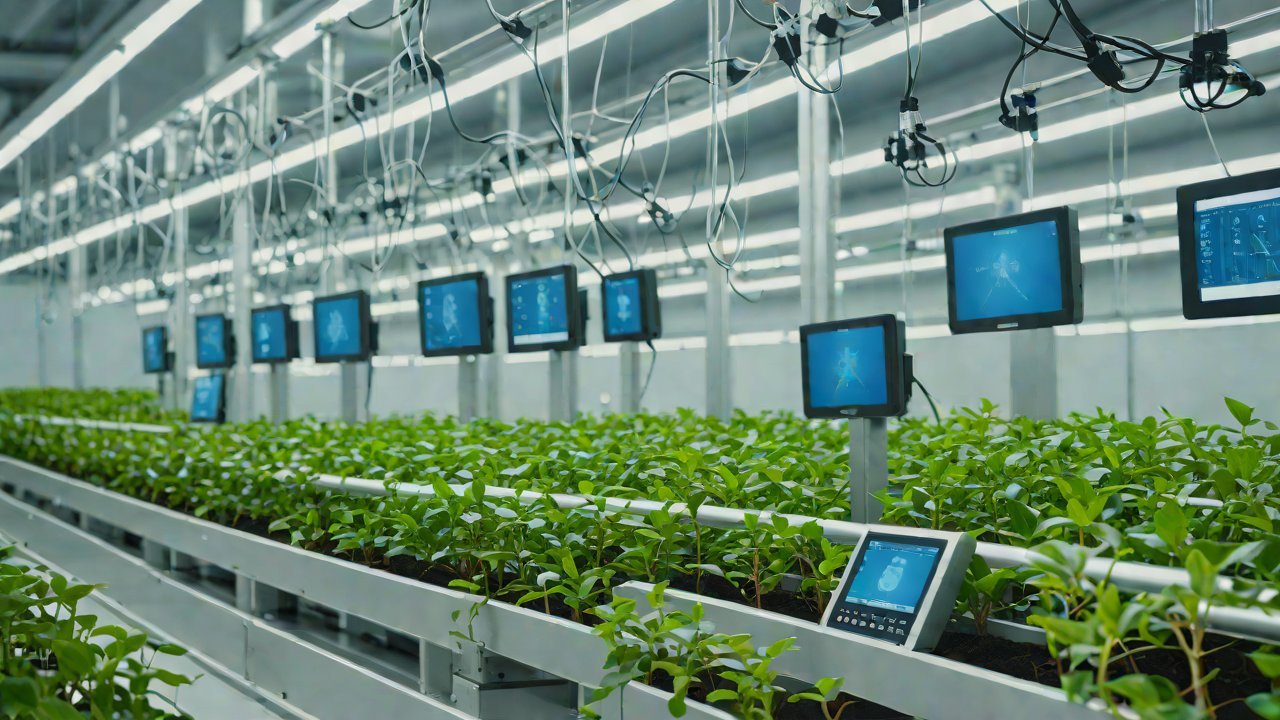
Data alignment refers to the process of synchronizing data from disparate sources, ensuring that it is consistent, accurate, and relevant. In the context of automated seeding lines and greenhouse environmental control systems, data alignment is crucial for optimal system performance. The automated seeding line relies on precise data about seed quantity, type, and placement, while the greenhouse environmental control system requires data on temperature, humidity, and light levels to optimize growing conditions.
The lack of data alignment can lead to a range of issues, including:
- Inaccurate seed placement, resulting in reduced crop yields
- Inconsistent environmental conditions, impacting plant growth and development
- System downtime due to data discrepancies, leading to lost revenue and productivity
To address these challenges, it is essential to understand the data alignment process and the various strategies for achieving it.
2. Data Sources and Formats
The automated seeding line and greenhouse environmental control system generate vast amounts of data, including:
- Seed quantity and type
- Soil moisture levels
- Temperature and humidity readings
- Light intensity and spectrum
- System performance metrics (e.g., energy consumption, water usage)
These data sources come in various formats, including:
- Sensor readings (e.g., temperature, humidity, light)
- Actuator data (e.g., valve opening, pump speed)
- System logs (e.g., error messages, maintenance records)
- External data sources (e.g., weather forecasts, market prices)
3. Data Alignment Strategies
To achieve data alignment, the following strategies can be employed:
3.1. Data Standardization
Data standardization involves converting data from disparate sources into a common format, ensuring that it is consistent and easily interpretable. This can be achieved through:
- Data normalization (e.g., scaling values to a common range)
- Data formatting (e.g., converting time stamps to a standard format)
- Data encoding (e.g., converting categorical values to numerical codes)
| Data Source | Data Format | Standardization Method |
|---|---|---|
| Temperature Sensor | Celsius | Data Normalization (0-100°C) |
| Humidity Sensor | Percentage | Data Formatting (HH:MM:SS) |
| Light Intensity Sensor | Lux | Data Encoding ( categorical to numerical) |

3.2. Data Integration
Data integration involves combining data from multiple sources into a single, unified dataset. This can be achieved through:
- Data fusion (e.g., combining sensor readings with system logs)
- Data aggregation (e.g., calculating average values across multiple sensors)
- Data transformation (e.g., converting time-series data into a summary format)
| Data Source | Data Format | Integration Method |
|---|---|---|
| Temperature Sensor | Celsius | Data Fusion (sensor readings + system logs) |
| Humidity Sensor | Percentage | Data Aggregation (average values across multiple sensors) |
| Light Intensity Sensor | Lux | Data Transformation (time-series data → summary format) |
3.3. Data Validation
Data validation involves verifying the accuracy and consistency of data across multiple sources. This can be achieved through:
- Data quality checks (e.g., detecting outliers, missing values)
- Data consistency checks (e.g., ensuring that data is within expected ranges)
- Data validation rules (e.g., enforcing data formats, encoding schemes)
| Data Source | Data Format | Validation Method |
|---|---|---|
| Temperature Sensor | Celsius | Data Quality Checks (outliers, missing values) |
| Humidity Sensor | Percentage | Data Consistency Checks (values within expected ranges) |
| Light Intensity Sensor | Lux | Data Validation Rules (encoding schemes, data formats) |
4. Implementation and Maintenance
Achieving data alignment requires careful planning, implementation, and maintenance. The following steps can be taken:
- Develop a data alignment strategy based on the specific needs of the automated seeding line and greenhouse environmental control system
- Design and implement data standardization, integration, and validation processes
- Monitor and maintain data alignment through regular checks and updates
- Continuously evaluate and refine the data alignment strategy to ensure optimal system performance
5. Conclusion
Data alignment is a critical aspect of automated seeding lines and greenhouse environmental control systems, enabling optimal system performance and maximizing crop yields. By understanding the data alignment process and employing strategies such as data standardization, integration, and validation, it is possible to achieve seamless data alignment and unlock the full potential of these systems.
6. Recommendations
Based on this report, the following recommendations are made:
- Develop a comprehensive data alignment strategy for the automated seeding line and greenhouse environmental control system
- Implement data standardization, integration, and validation processes to ensure accurate and consistent data
- Continuously monitor and maintain data alignment through regular checks and updates
- Evaluate and refine the data alignment strategy regularly to ensure optimal system performance
By following these recommendations, agricultural producers can ensure that their automated seeding lines and greenhouse environmental control systems operate at peak efficiency, resulting in improved crop yields and reduced costs.
IOT Cloud Platform
IOT Cloud Platform is an IoT portal established by a Chinese IoT company, focusing on technical solutions in the fields of agricultural IoT, industrial IoT, medical IoT, security IoT, military IoT, meteorological IoT, consumer IoT, automotive IoT, commercial IoT, infrastructure IoT, smart warehousing and logistics, smart home, smart city, smart healthcare, smart lighting, etc.
The IoT Cloud Platform blog is a top IoT technology stack, providing technical knowledge on IoT, robotics, artificial intelligence (generative artificial intelligence AIGC), edge computing, AR/VR, cloud computing, quantum computing, blockchain, smart surveillance cameras, drones, RFID tags, gateways, GPS, 3D printing, 4D printing, autonomous driving, etc.