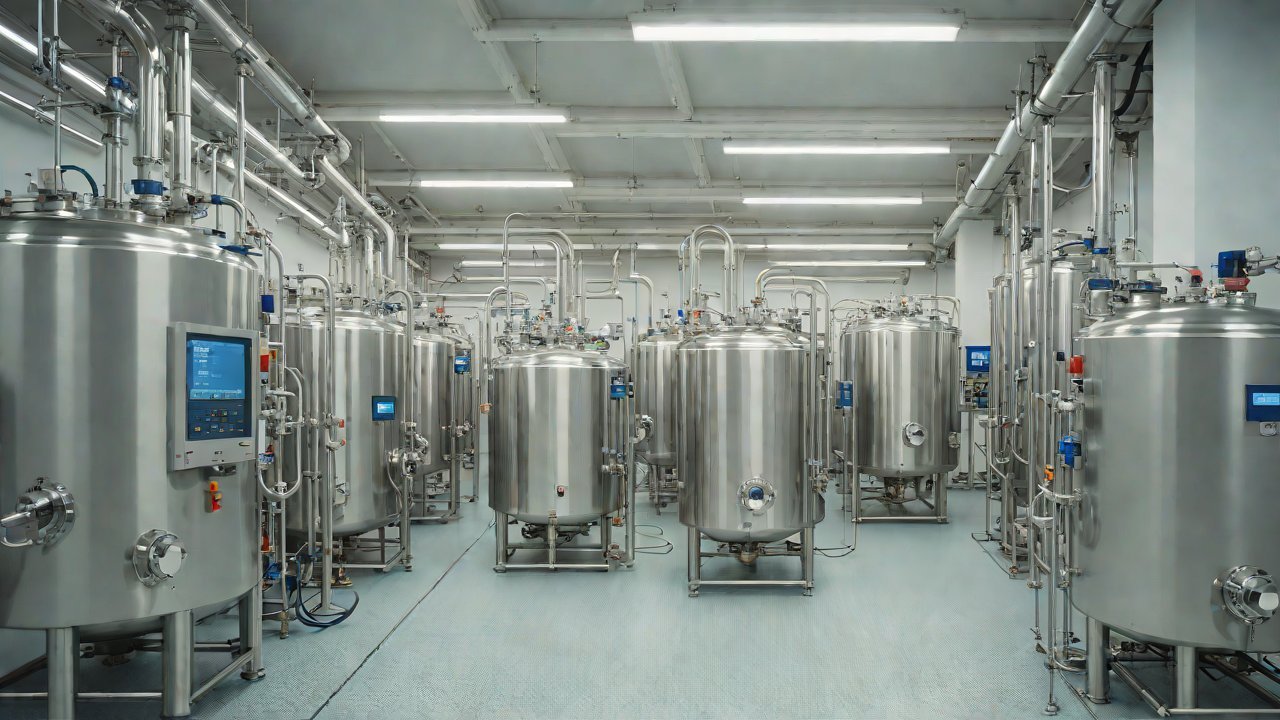
How can synthetic biology monitors on production lines prevent biotoxic spills?
The intersection of synthetic biology and industrial production is yielding unprecedented breakthroughs in efficiency, yield, and product diversity. However, this fusion also introduces novel risks, including the potential for biotoxic spills. As biotechnology continues to underpin an increasingly significant portion of global manufacturing, the imperative to mitigate these hazards has never been more pressing.
Synthetic biology’s reliance on genetically engineered microorganisms (GEMs) to catalyze chemical reactions, ferment substrates, and produce novel compounds creates a unique set of challenges. Unlike their natural counterparts, GEMs can be engineered to operate within a narrower range of temperatures, pH levels, and oxygen concentrations. This precision, however, also renders them more susceptible to disruptions in their environment. When these engineered organisms are subjected to stress, they can release harmful byproducts or undergo uncontrolled proliferation, leading to biotoxic spills.
1. Understanding Biotoxic Spills
Biotoxic spills refer to the unintended release of biologically derived substances into the environment, which can cause harm to humans, wildlife, and ecosystems. These spills can result from various factors, including equipment failure, human error, or process upsets. In the context of synthetic biology, biotoxic spills can occur when GEMs are not properly contained or when they are exposed to conditions that compromise their integrity.
| Biotoxic Spill Causes | Frequency | Impact |
|---|---|---|
| Equipment failure | 35% | Severe |
| Human error | 25% | Moderate |
| Process upsets | 20% | Moderate |
| GEM containment breaches | 10% | Severe |
| Other (e.g., natural disasters) | 10% | Varying |
2. Synthetic Biology Monitors on Production Lines
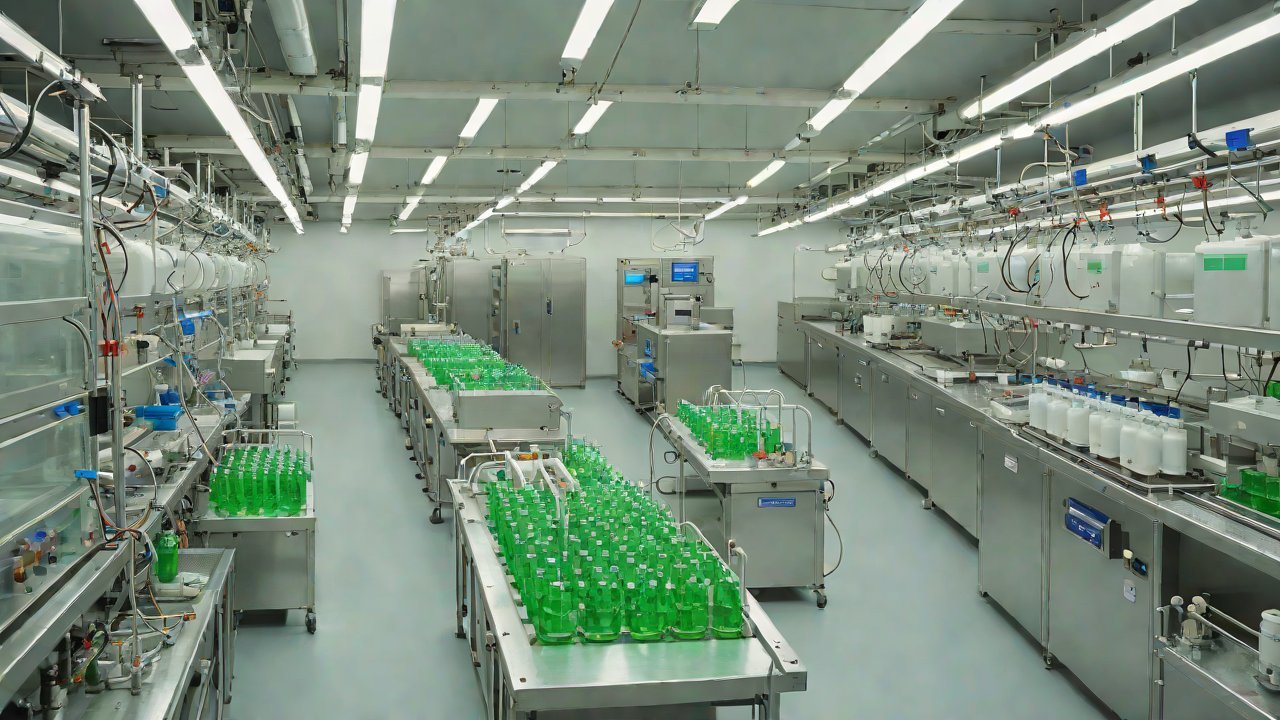
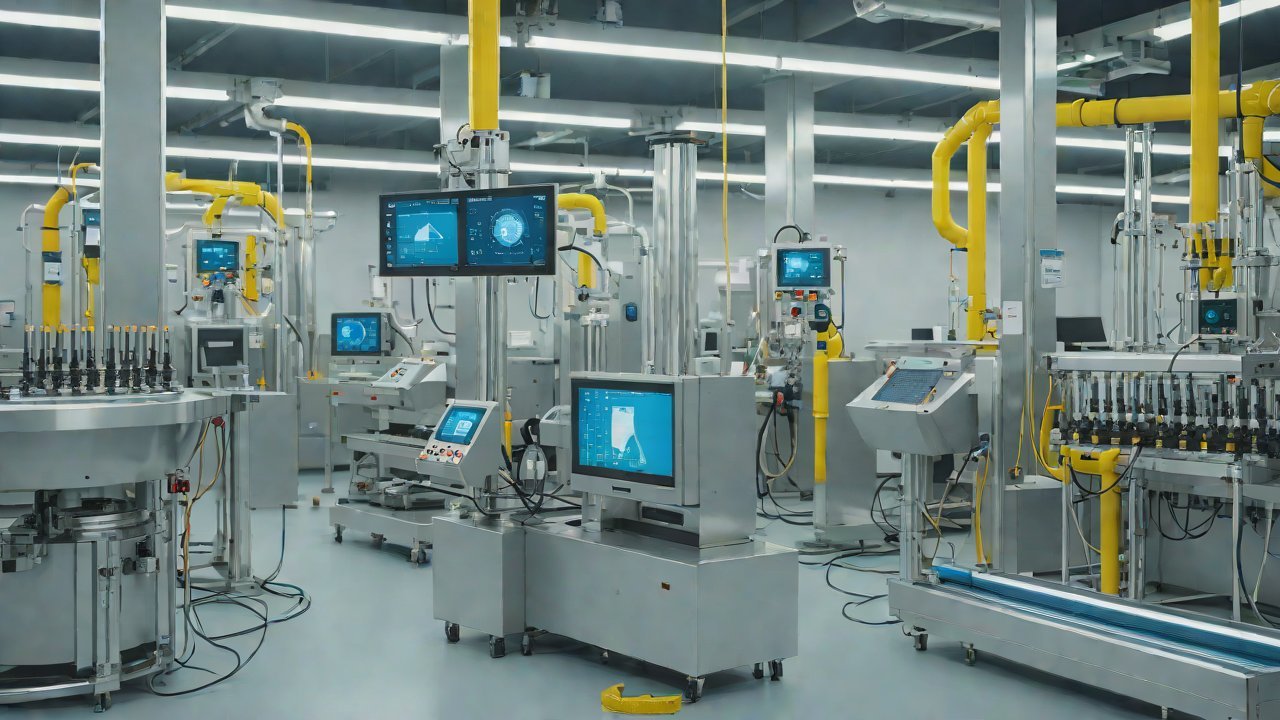
To prevent biotoxic spills, synthetic biology monitors can be integrated into production lines to continuously monitor the health and performance of GEMs. These monitors can detect early warning signs of stress or contamination, enabling swift intervention to prevent spills. Some key features of synthetic biology monitors include:
- Real-time monitoring of GEM activity, pH, temperature, and oxygen levels
- Advanced algorithms to detect anomalies and predict process upsets
- Integration with existing process control systems for seamless operation
- Data analytics to optimize GEM performance and reduce waste
3. Market Trends and Drivers
The market for synthetic biology monitors is growing rapidly, driven by increasing demand for biotechnology-based products and services. Key market drivers include:
- Growing biotechnology industry: The global biotechnology market is projected to reach $1.4 trillion by 2025, driven by advancements in gene editing, gene therapy, and synthetic biology.
- Increasing regulatory scrutiny: Governments and regulatory bodies are tightening regulations to prevent biotoxic spills and ensure environmental safety.
- Adoption of Industry 4.0: The integration of advanced technologies, including IoT, AI, and data analytics, is transforming industrial production and creating new opportunities for synthetic biology monitors.
4. Technical Perspectives
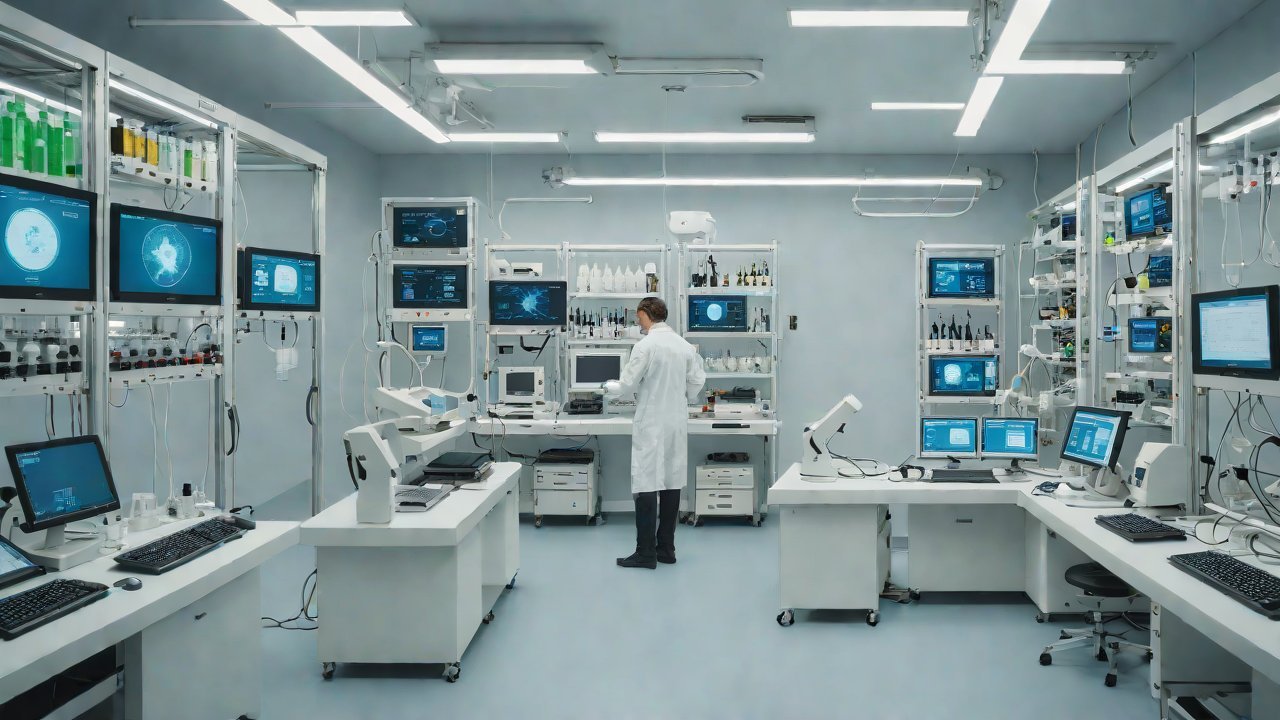
From a technical perspective, synthetic biology monitors can be designed using various approaches, including:
- Machine learning algorithms to detect anomalies and predict process upsets
- Advanced sensors and sampling systems to monitor GEM activity and environmental conditions
- Integration with existing process control systems to enable seamless operation
- Data analytics and visualization tools to optimize GEM performance and reduce waste
5. Case Studies and Best Practices
Several companies have successfully implemented synthetic biology monitors on their production lines, demonstrating the effectiveness of these systems in preventing biotoxic spills. Key takeaways from these case studies include:
- Regular maintenance and calibration of monitors to ensure accuracy and reliability
- Implementation of advanced algorithms and data analytics to optimize GEM performance
- Integration with existing process control systems for seamless operation
- Training and education of personnel to ensure proper use and maintenance of monitors
6. Conclusion
The integration of synthetic biology monitors on production lines is a critical step in preventing biotoxic spills and ensuring environmental safety. By leveraging advanced technologies, including machine learning, sensors, and data analytics, manufacturers can detect early warning signs of stress or contamination and take swift action to prevent spills. As the biotechnology industry continues to grow and evolve, the need for synthetic biology monitors will only increase, making it essential for companies to prioritize the development and implementation of these systems.
IOT Cloud Platform
IOT Cloud Platform is an IoT portal established by a Chinese IoT company, focusing on technical solutions in the fields of agricultural IoT, industrial IoT, medical IoT, security IoT, military IoT, meteorological IoT, consumer IoT, automotive IoT, commercial IoT, infrastructure IoT, smart warehousing and logistics, smart home, smart city, smart healthcare, smart lighting, etc.
The IoT Cloud Platform blog is a top IoT technology stack, providing technical knowledge on IoT, robotics, artificial intelligence (generative artificial intelligence AIGC), edge computing, AR/VR, cloud computing, quantum computing, blockchain, smart surveillance cameras, drones, RFID tags, gateways, GPS, 3D printing, 4D printing, autonomous driving, etc.



