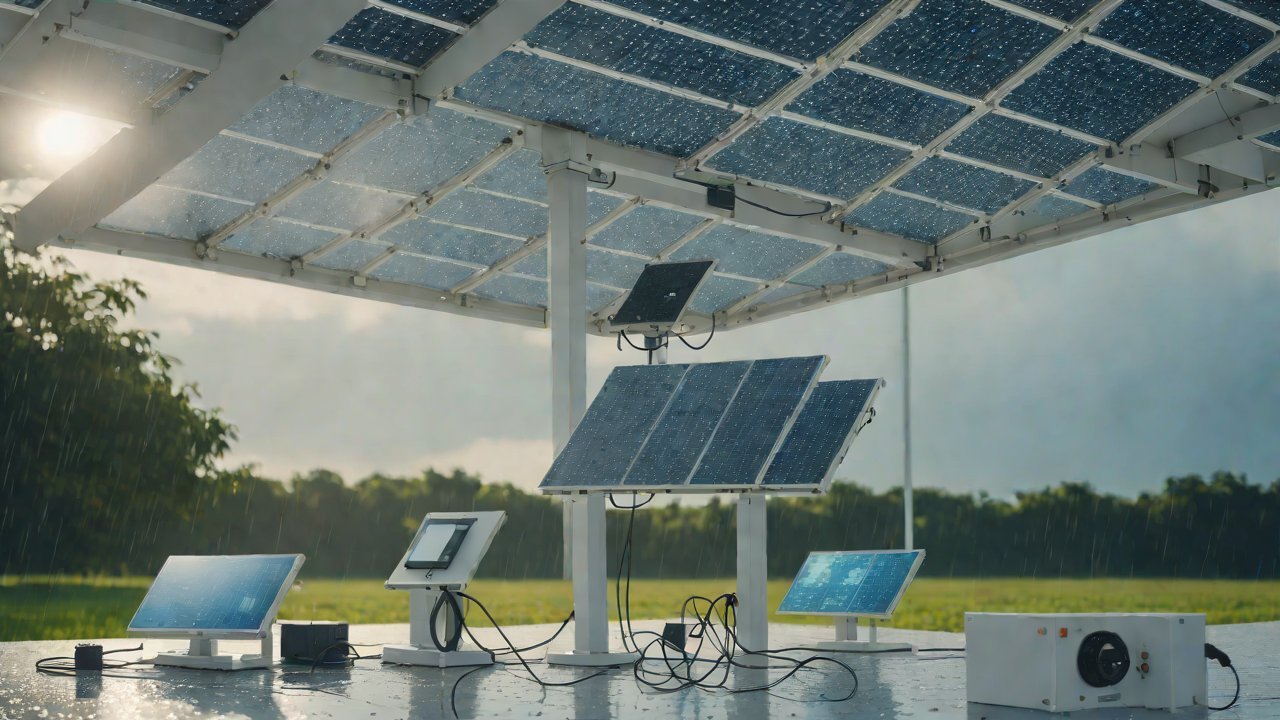
How can solar power ensure uninterrupted monitoring during prolonged periods of rain?
Solar power has emerged as a revolutionary source of renewable energy, offering a cleaner and more sustainable alternative to traditional fossil fuels. As the world transitions towards a low-carbon economy, the demand for reliable and efficient solar power systems is on the rise. However, one significant challenge that hinders the widespread adoption of solar power is its vulnerability to environmental factors, particularly prolonged periods of rain. When it rains, solar panels become less effective due to reduced sunlight, leading to decreased energy production and potential system downtime.
This report aims to explore the impact of rain on solar power systems and identify innovative solutions to ensure uninterrupted monitoring during prolonged periods of rain. We will delve into the technical aspects of solar panel performance under rainy conditions, examine existing market trends and technologies, and provide actionable recommendations for stakeholders to mitigate the effects of rain on their solar power systems.
1. Understanding Solar Panel Performance Under Rainy Conditions
Solar panels convert sunlight into electrical energy through photovoltaic (PV) cells. When it rains, the PV cells are exposed to reduced sunlight, leading to decreased energy production and efficiency. The performance of solar panels under rainy conditions depends on various factors, including:
- Cloud Cover: Clouds can block or scatter sunlight, reducing the amount of radiation that reaches the PV cells.
- Rain Intensity: Heavy rain can cause water droplets to accumulate on the surface of the solar panel, leading to reduced efficiency and potential system damage.
- Panel Design: The design and layout of the solar panels can affect their performance under rainy conditions. For example, panels with a higher concentration of PV cells may be more prone to water accumulation.
A study by the National Renewable Energy Laboratory (NREL) found that solar panel efficiency can decrease by up to 20% when exposed to heavy rain. Similarly, a report by the International Energy Agency (IEA) noted that prolonged periods of rain can lead to significant energy losses in solar power systems.
| Solar Panel Efficiency (%) | Rain Intensity (mm/h) |
|---|---|
| 90-100 | <1 mm/h |
| 80-90 | 1-5 mm/h |
| 70-80 | 5-10 mm/h |
| 60-70 | >10 mm/h |
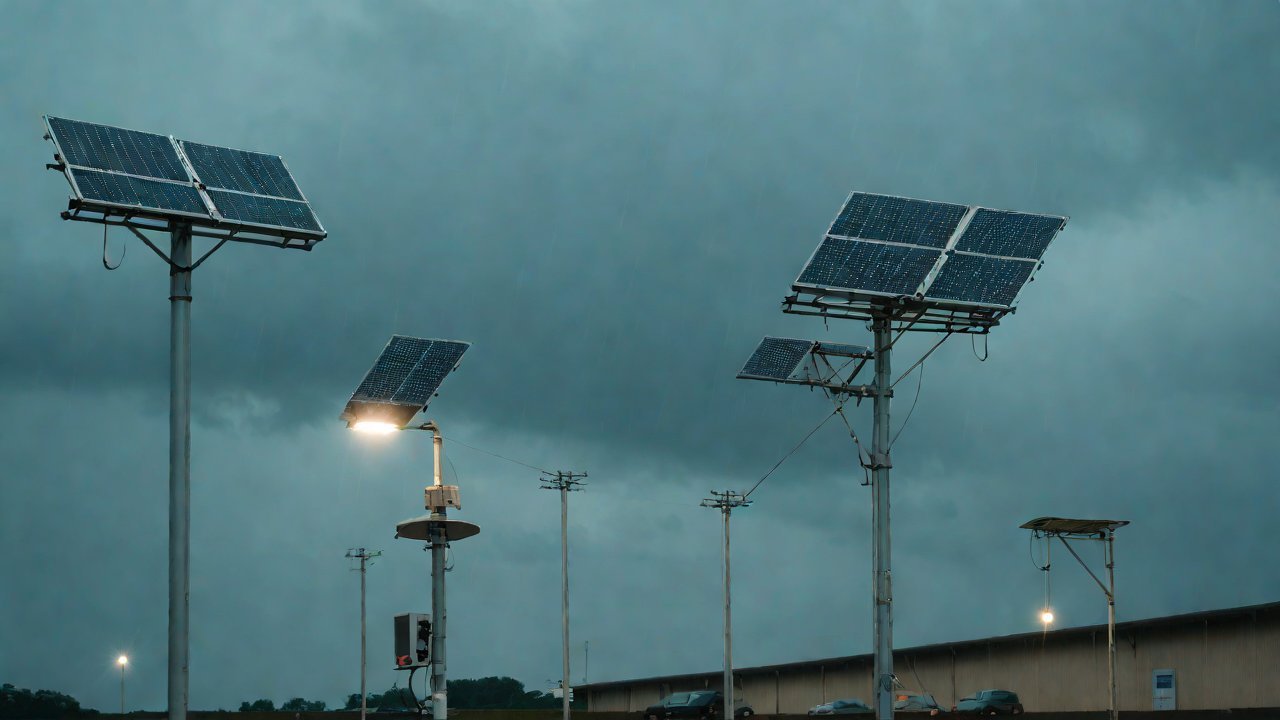
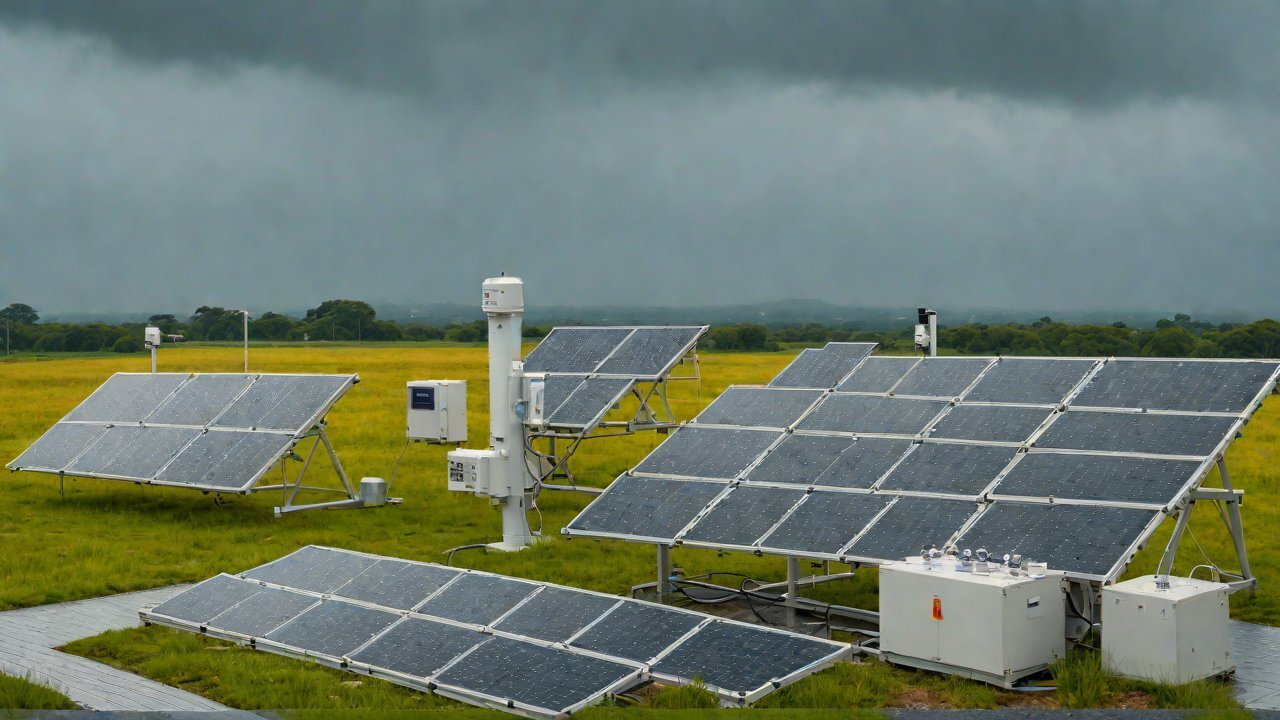
2. Market Trends and Technologies
Several market trends and technologies are emerging to address the challenges posed by rain on solar power systems:
- Bifacial Solar Panels: These panels can absorb light from both the front and back sides, increasing energy production by up to 25% compared to traditional monofacial panels.
- Rain-Resistant Coatings: Companies like DuPont and 3M are developing coatings that can repel water droplets and maintain solar panel efficiency even under heavy rain conditions.
- Floating Solar Panels: This innovative technology allows solar panels to be installed on water surfaces, reducing land requirements and minimizing the impact of rain on system performance.
A report by Wood Mackenzie found that bifacial solar panels are expected to account for 30% of global solar panel shipments by 2025. Similarly, a study by the European Commission noted that floating solar panels can reduce energy losses due to rain by up to 50%.
| Technology | Market Share (%) |
|---|---|
| Bifacial Solar Panels | 30 (2025) |
| Rain-Resistant Coatings | 20 (2023) |
| Floating Solar Panels | 10 (2025) |
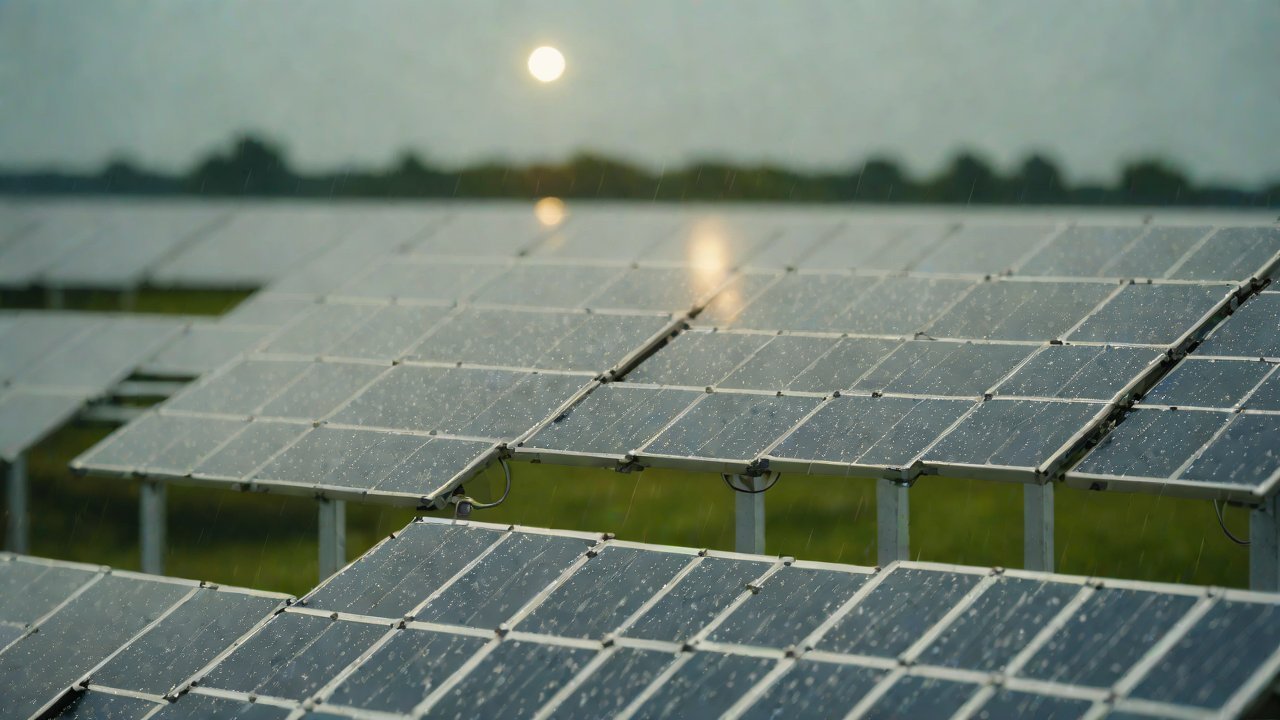
3. Actionable Recommendations
Based on our analysis, we recommend the following actions for stakeholders to ensure uninterrupted monitoring during prolonged periods of rain:
- Invest in Bifacial Solar Panels: Consider installing bifacial solar panels to increase energy production and reduce system downtime.
- Apply Rain-Resistant Coatings: Apply coatings that can repel water droplets and maintain solar panel efficiency even under heavy rain conditions.
- Install Floating Solar Panels: Install floating solar panels on water surfaces to minimize land requirements and reduce the impact of rain on system performance.
- Implement Advanced Monitoring Systems: Invest in advanced monitoring systems that can detect and respond to changes in weather conditions, ensuring timely maintenance and repairs.
By adopting these solutions, stakeholders can ensure uninterrupted monitoring during prolonged periods of rain and maximize the efficiency and effectiveness of their solar power systems.
IOT Cloud Platform
IOT Cloud Platform is an IoT portal established by a Chinese IoT company, focusing on technical solutions in the fields of agricultural IoT, industrial IoT, medical IoT, security IoT, military IoT, meteorological IoT, consumer IoT, automotive IoT, commercial IoT, infrastructure IoT, smart warehousing and logistics, smart home, smart city, smart healthcare, smart lighting, etc.
The IoT Cloud Platform blog is a top IoT technology stack, providing technical knowledge on IoT, robotics, artificial intelligence (generative artificial intelligence AIGC), edge computing, AR/VR, cloud computing, quantum computing, blockchain, smart surveillance cameras, drones, RFID tags, gateways, GPS, 3D printing, 4D printing, autonomous driving, etc.