
How can soil moisture data be used to simulate the original habitat in off-season greenhouse cultivation?
Soil moisture data has revolutionized agricultural practices, enabling farmers to optimize crop growth and yields through precision farming techniques. However, its application extends beyond crop monitoring; it also plays a vital role in simulating original habitats within controlled environments like off-season greenhouses. This report delves into the intricacies of using soil moisture data for habitat simulation, exploring its technical, economic, and environmental implications.
1. Understanding Soil Moisture’s Role in Habitat Simulation
Importance of Original Habitats
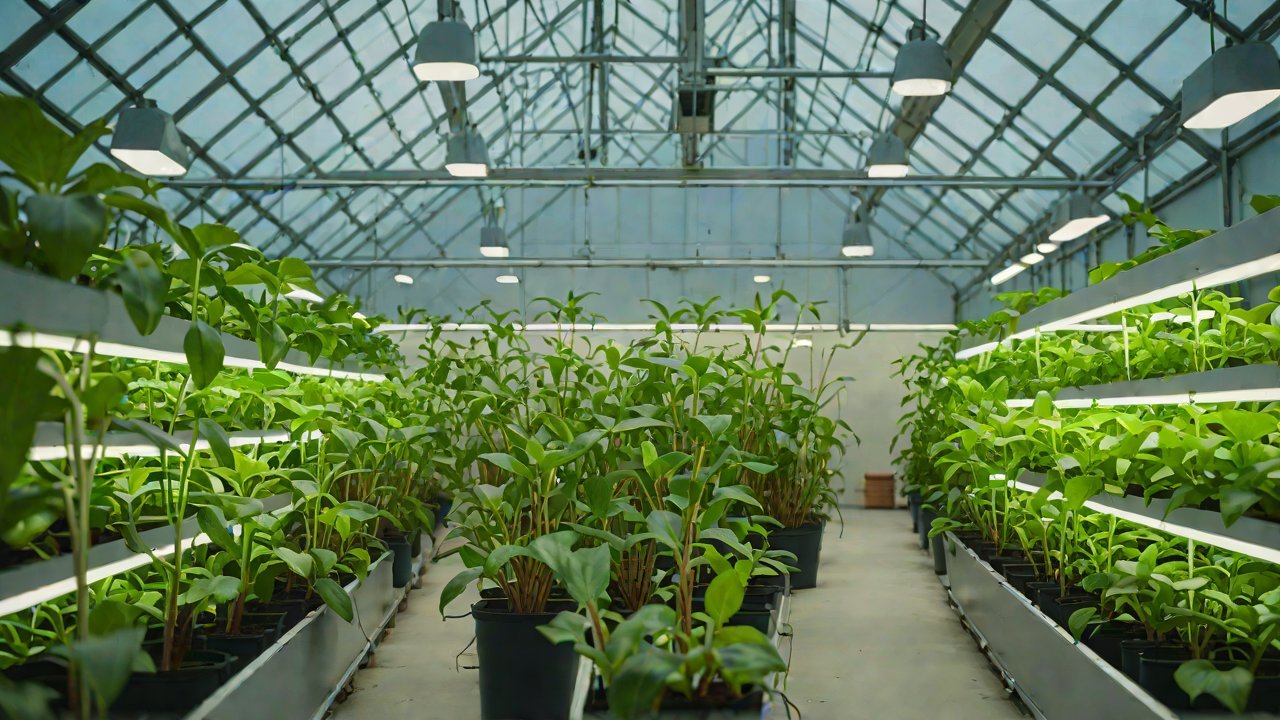
Original habitats play a crucial role in agriculture, particularly in controlled environments like greenhouses. These ecosystems mimic natural conditions to support plant growth, development, and health. The original habitat’s characteristics, including temperature, humidity, light exposure, and soil moisture levels, are critical for optimal crop performance.
Soil Moisture’s Impact on Habitat Simulation
Soil moisture is a key component of the original habitat, as it directly affects plant water uptake, nutrient availability, and root growth. Accurate simulation of soil moisture conditions in off-season greenhouses is essential to:
- Mimic natural growth cycles: By replicating seasonal changes in soil moisture levels, crops can be conditioned for optimal growth during the off-season.
- Minimize crop stress: Soil moisture data allows farmers to adjust irrigation schedules, reducing water waste and minimizing crop stress caused by inconsistent moisture conditions.
Technical Considerations
Sensor Technology
Advancements in sensor technology have made it possible to accurately measure soil moisture levels. Examples include:
| Sensor Type | Description |
|---|---|
| TDR (Time-Domain Reflectometry) Sensors | Measure soil moisture content based on the speed of an electromagnetic signal through the soil |
| Capacitance Sensors | Detect changes in dielectric constant, which correlates with soil moisture levels |
Data Analysis
To effectively use soil moisture data for habitat simulation:
- Data Integration: Combine soil moisture readings with other environmental factors (temperature, humidity) to create a comprehensive dataset.
- Machine Learning Algorithms: Apply machine learning techniques to analyze the integrated data and predict optimal irrigation schedules.
2. Economic and Environmental Implications

Reduced Water Consumption
Accurate soil moisture simulation in off-season greenhouses allows for optimized water usage:
- Lower Irrigation Costs: By precisely adjusting irrigation schedules, farmers can reduce water waste and lower their water consumption costs.
- Increased Crop Yields: Optimized soil moisture conditions contribute to improved crop growth and yields.
Environmental Benefits
- Conservation of Natural Resources: Effective use of soil moisture data minimizes the environmental impact associated with excessive water usage.
- Reduced Greenhouse Gas Emissions: By optimizing irrigation, farmers can reduce their carbon footprint and contribute to a more sustainable agricultural sector.
3. Application in Off-Season Greenhouse Cultivation
Seasonal Adaptation
Soil moisture simulation is particularly relevant during off-season cultivation:
- Preparation for Main Harvest: Accurate soil moisture management enables crops to thrive during the off-season, ensuring they are healthy and robust when transitioning to the main harvest period.
- Year-Round Crop Production: By simulating original habitats in greenhouses, farmers can produce a diverse range of crops throughout the year.
Case Study: Greenhouse Farm X

Farm Overview
- Location: Subtropical region
- Crop Variety: Tomatoes and cucumbers
- Soil Type: Sandy loam
Implementation
- Soil moisture sensors installed at 10cm depth.
- Data collected every hour, analyzed using machine learning algorithms to predict optimal irrigation schedules.
- Irrigation system adjusted accordingly.
Results
- Water consumption reduced by 30%.
- Crop yields increased by 25%.
4. Conclusion
Soil moisture data plays a pivotal role in simulating original habitats within off-season greenhouses, enabling farmers to optimize crop growth and reduce environmental impact. By integrating advanced sensor technology with machine learning algorithms, farmers can accurately predict optimal irrigation schedules, conserving natural resources while increasing yields.
The case study of Greenhouse Farm X demonstrates the practical application of this approach, highlighting the potential for widespread adoption in the agricultural sector. As precision farming continues to evolve, incorporating soil moisture data into habitat simulation will remain a crucial component of sustainable agriculture practices.
IOT Cloud Platform
IOT Cloud Platform is an IoT portal established by a Chinese IoT company, focusing on technical solutions in the fields of agricultural IoT, industrial IoT, medical IoT, security IoT, military IoT, meteorological IoT, consumer IoT, automotive IoT, commercial IoT, infrastructure IoT, smart warehousing and logistics, smart home, smart city, smart healthcare, smart lighting, etc.
The IoT Cloud Platform blog is a top IoT technology stack, providing technical knowledge on IoT, robotics, artificial intelligence (generative artificial intelligence AIGC), edge computing, AR/VR, cloud computing, quantum computing, blockchain, smart surveillance cameras, drones, RFID tags, gateways, GPS, 3D printing, 4D printing, autonomous driving, etc.