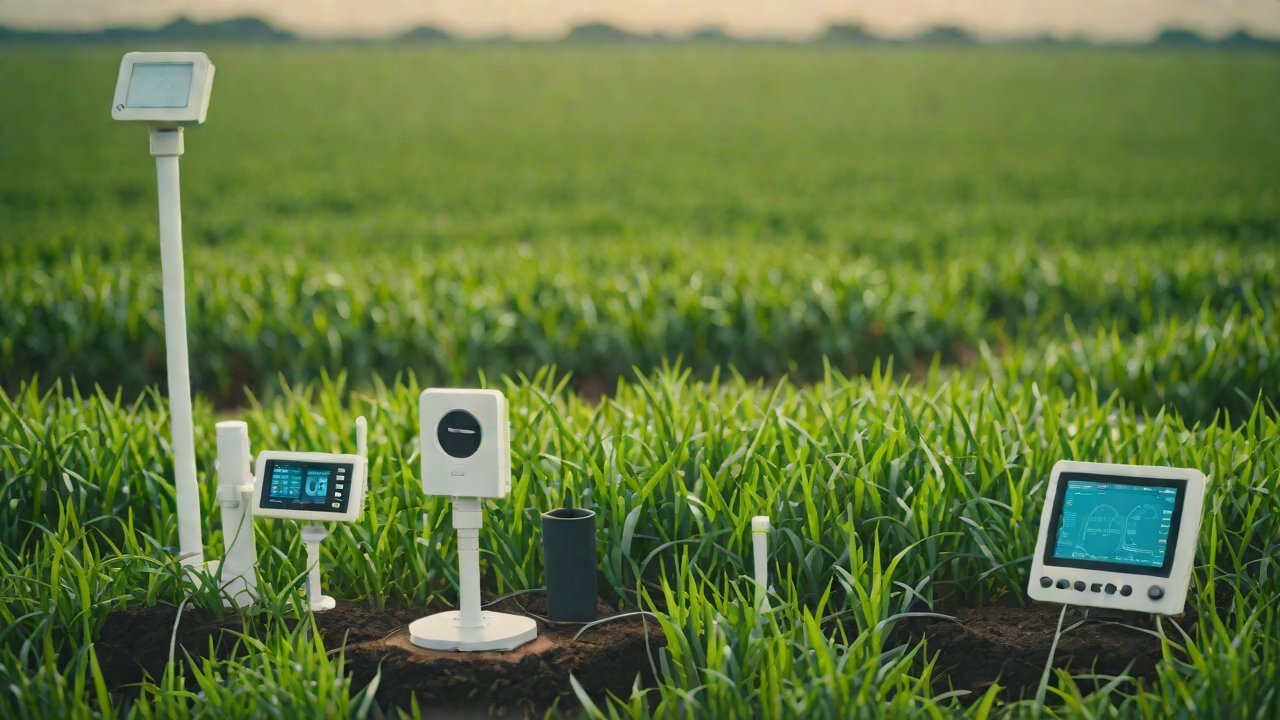
How can soil moisture data be linked with weather stations to achieve intelligent fertilization?
Soil moisture data has emerged as a crucial factor in modern agriculture, enabling farmers to optimize crop yields while reducing water consumption and minimizing environmental impact. The integration of soil moisture data with weather station information can revolutionize fertilizer application, making it more precise, efficient, and sustainable.
By leveraging advanced technologies such as IoT sensors, satellite imaging, and machine learning algorithms, farmers can now collect real-time data on soil moisture levels, allowing them to adjust fertilization schedules accordingly. This intelligent fertilization approach not only reduces waste but also promotes healthier plant growth by providing the necessary nutrients at the right time.
1. Understanding Soil Moisture and Its Impact on Fertilization
Soil moisture plays a vital role in determining crop yields and fertilizer requirements. When soil is too dry, crops may suffer from nutrient deficiencies, while excessive moisture can lead to over-fertilization and environmental pollution. Accurate soil moisture monitoring enables farmers to fine-tune their fertilization strategies, ensuring that crops receive the right amount of nutrients at the optimal time.
Table 1: Soil Moisture Levels and Their Effects on Crop Yields
| Soil Moisture Level | Effect on Crop Yields |
|---|---|
| Low (0-20%) | Reduced crop yields due to nutrient deficiencies |
| Optimal (20-60%) | Healthy crop growth with minimal fertilizer requirements |
| High (>60%) | Excessive fertilizer application and environmental pollution |
2. Linking Soil Moisture Data with Weather Station Information
To achieve intelligent fertilization, soil moisture data must be integrated with weather station information. This synergy enables farmers to analyze the impact of weather patterns on soil moisture levels, making informed decisions about fertilization schedules.
Table 2: Weather Station Parameters and Their Impact on Soil Moisture
| Weather Parameter | Effect on Soil Moisture |
|---|---|
| Precipitation | Increases soil moisture levels, reducing fertilizer requirements |
| Temperature | Affects soil evaporation rates, influencing soil moisture levels |
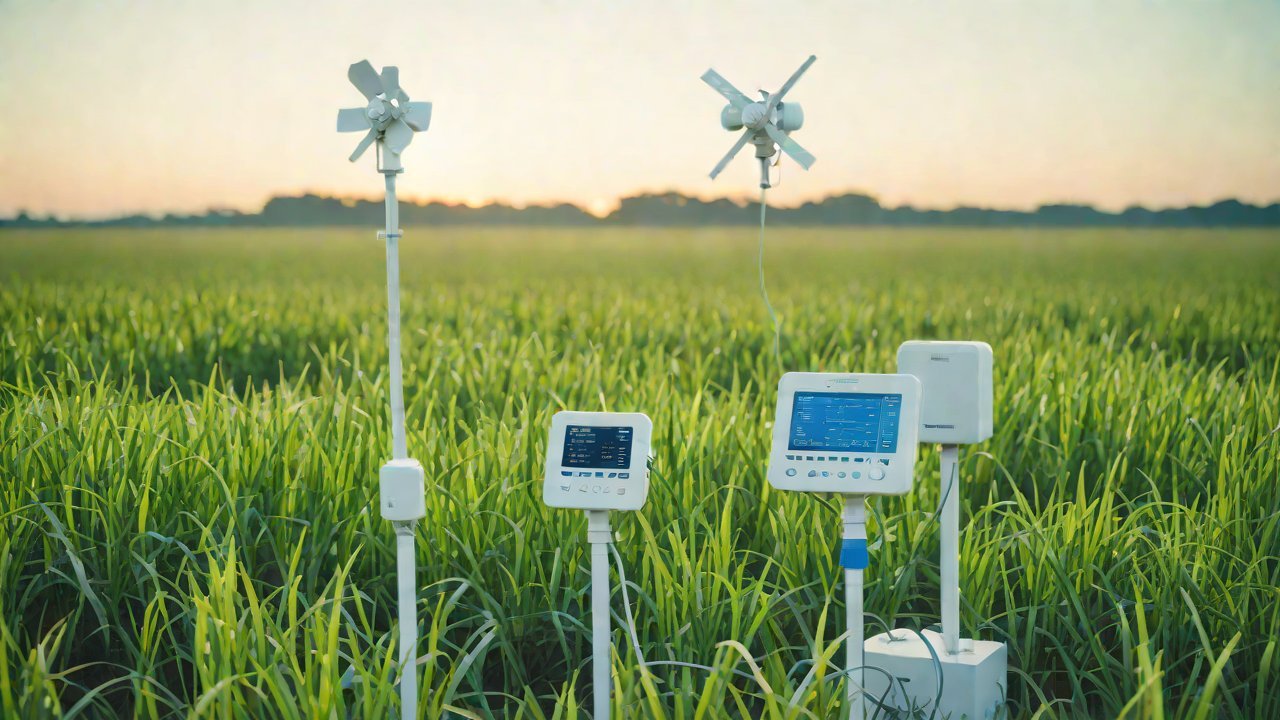
| Wind Speed | Enhances soil evaporation, potentially leading to drought stress |
3. Implementing Advanced Technologies for Intelligent Fertilization
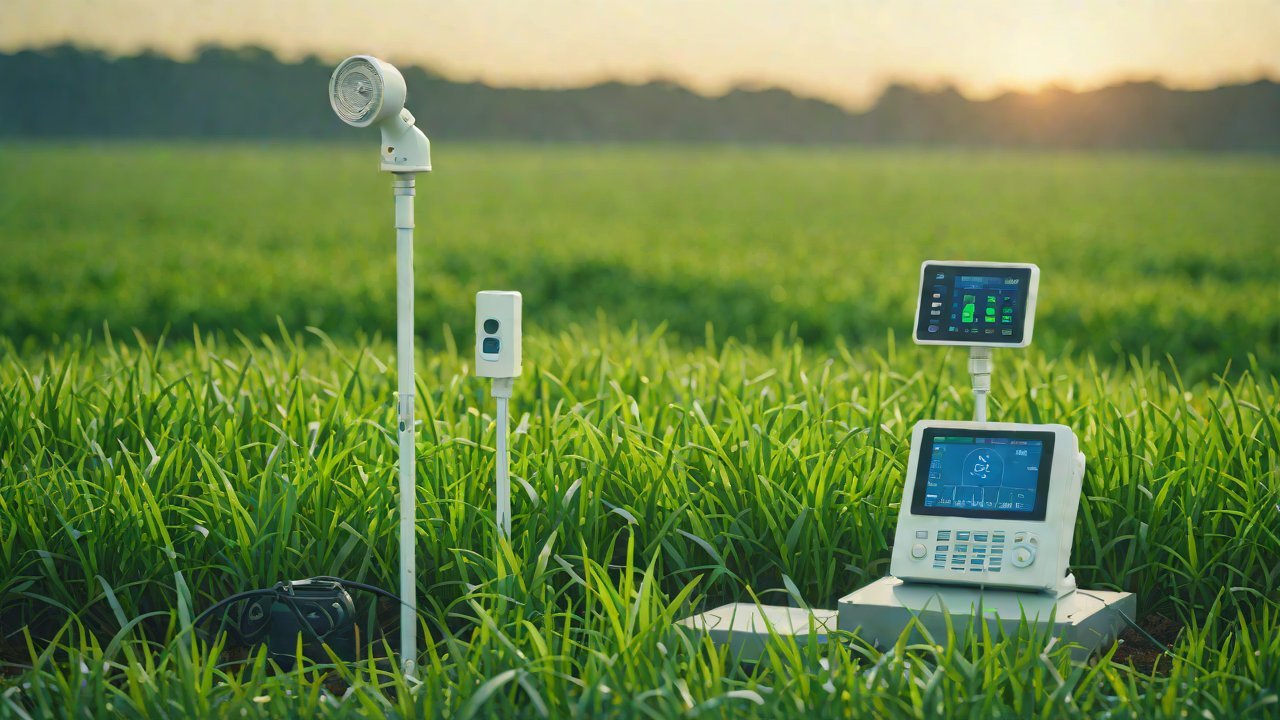
Several advanced technologies can be employed to link soil moisture data with weather station information and achieve intelligent fertilization:
- IoT Sensors: Soil moisture sensors equipped with IoT capabilities can transmit real-time data to farmers’ smartphones or computers, enabling them to monitor soil conditions remotely.
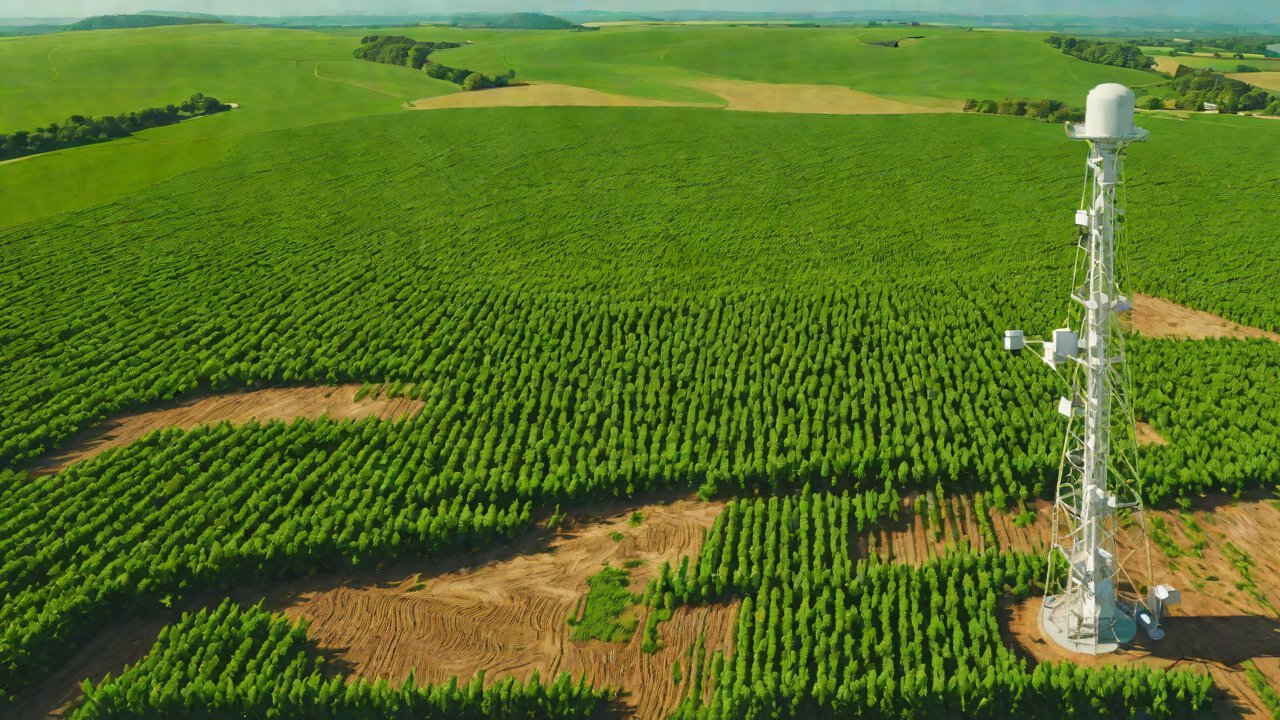
- Satellite Imaging: Satellite-based remote sensing technologies can provide high-resolution images of crop health, allowing farmers to identify areas requiring additional fertilization.
- Machine Learning Algorithms: Advanced machine learning models can analyze historical weather patterns and soil moisture data to predict optimal fertilization schedules.
Table 3: Benefits of Advanced Technologies in Intelligent Fertilization
| Technology | Benefit |
|---|---|
| IoT Sensors | Real-time monitoring, reduced labor costs |
| Satellite Imaging | Enhanced crop health assessment, precision application |
| Machine Learning Algorithms | Predictive analytics, optimized fertilization schedules |
4. Market Trends and Opportunities
The market for intelligent fertilization solutions is growing rapidly, driven by increasing demand for sustainable agriculture practices.
Table 4: Market Size and Growth Projections for Intelligent Fertilization
| Region | Market Size (2023) | CAGR (2023-2030) |
|---|---|---|
| North America | $1.2B | 12% |
| Europe | $800M | 10% |
| Asia-Pacific | $1.5B | 15% |
5. Challenges and Limitations
While intelligent fertilization offers numerous benefits, several challenges must be addressed to ensure widespread adoption:
- Data Integration: Seamless integration of soil moisture data with weather station information is crucial for accurate decision-making.
- Scalability: Intelligent fertilization solutions must be scalable to accommodate large agricultural operations.
- Cost-Effectiveness: The cost-benefit analysis of intelligent fertilization systems must demonstrate value to farmers.
Table 5: Challenges and Limitations in Intelligent Fertilization
| Challenge | Description |
|---|---|
| Data Integration | Seamless integration of soil moisture data with weather station information |
| Scalability | Solutions must accommodate large agricultural operations |
| Cost-Effectiveness | Demonstrating value to farmers through cost-benefit analysis |
By addressing these challenges and leveraging advanced technologies, intelligent fertilization can become a mainstream practice in agriculture, promoting sustainable crop yields while minimizing environmental impact.
IOT Cloud Platform
IOT Cloud Platform is an IoT portal established by a Chinese IoT company, focusing on technical solutions in the fields of agricultural IoT, industrial IoT, medical IoT, security IoT, military IoT, meteorological IoT, consumer IoT, automotive IoT, commercial IoT, infrastructure IoT, smart warehousing and logistics, smart home, smart city, smart healthcare, smart lighting, etc.
The IoT Cloud Platform blog is a top IoT technology stack, providing technical knowledge on IoT, robotics, artificial intelligence (generative artificial intelligence AIGC), edge computing, AR/VR, cloud computing, quantum computing, blockchain, smart surveillance cameras, drones, RFID tags, gateways, GPS, 3D printing, 4D printing, autonomous driving, etc.