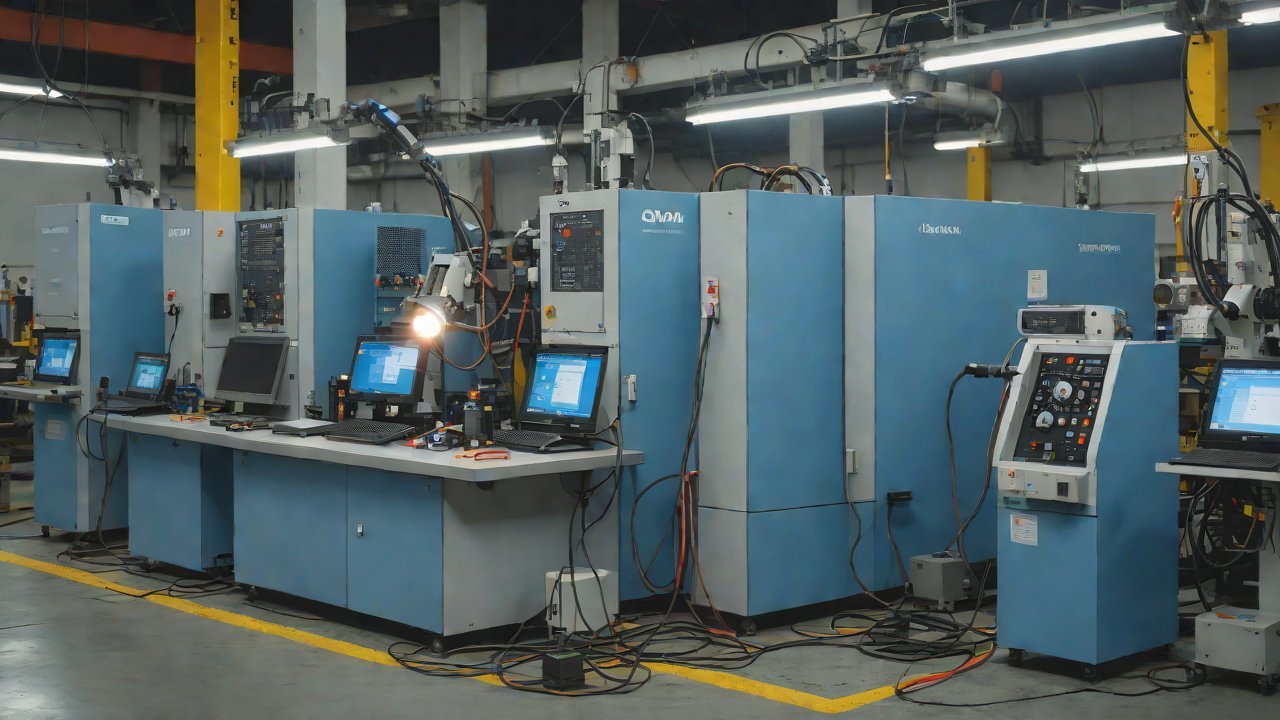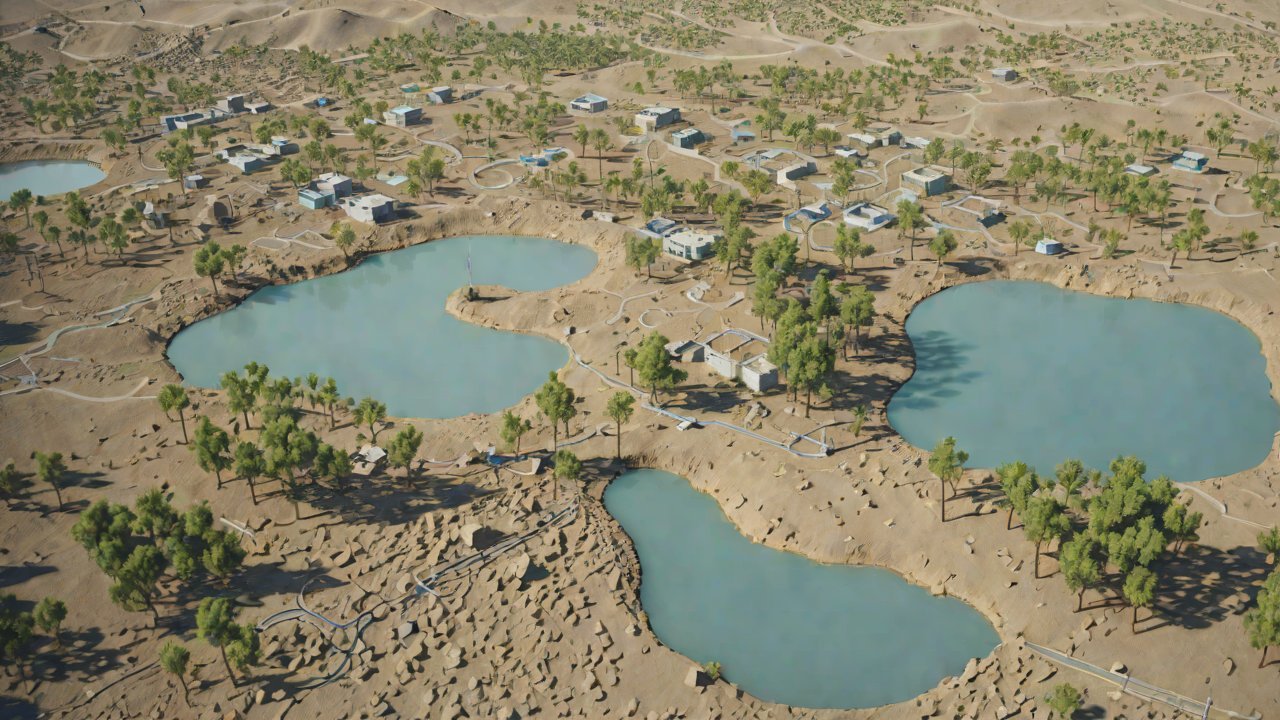
How can sensors monitor the water retention capacity of barren land in mine ecological restoration?
The arid expanses of post-mined lands present a daunting challenge for ecological restoration efforts, as the lack of vegetation and inadequate soil structure severely impede the process of rejuvenating these barren areas. The water retention capacity of such land is crucial in determining its suitability for reclamation, yet traditional methods of assessing this parameter are often cumbersome, expensive, and time-consuming. The advent of sensor technology has revolutionized the field of environmental monitoring, enabling real-time tracking of various ecological parameters with unprecedented precision.
1. Sensing Technologies for Water Retention Capacity Assessment
Sensors play a pivotal role in monitoring the water retention capacity of barren land by providing immediate feedback on soil moisture levels, temperature, and other relevant factors. Advanced sensor technologies such as:
| Sensor Type | Description |
|---|---|
| TDR (Time-Domain Reflectometry) probes | Measure soil water content with high accuracy |
| Soil Moisture Sensors (SMTs) | Utilize capacitance or resistance to determine moisture levels |
| Thermal Infrared Imaging | Monitor temperature fluctuations, indicative of water retention capacity |
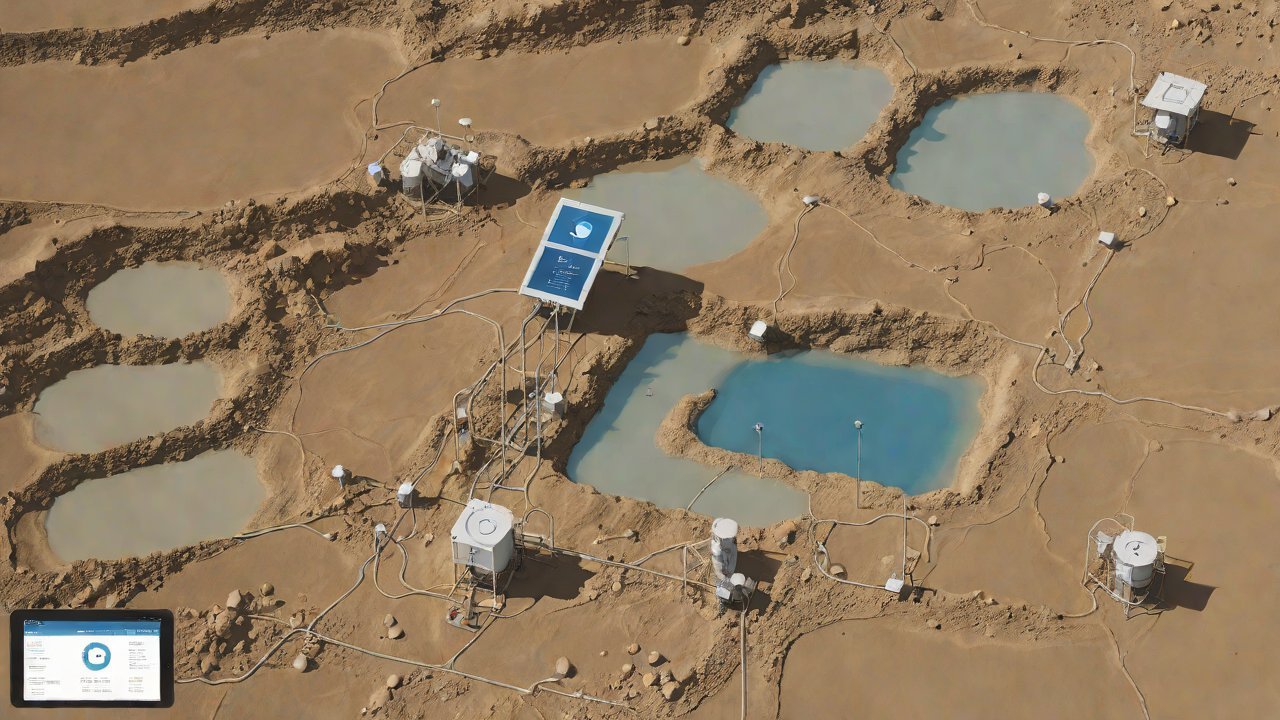
can be deployed in conjunction with data analytics software to provide actionable insights into the water retention dynamics of post-mined lands.
2. Data Analytics for Sensor-Generated Insights
The sheer volume and complexity of sensor-generated data necessitate sophisticated data analytics tools to distill meaningful patterns and correlations. Advanced algorithms, such as machine learning and neural networks, can be employed to:
| Algorithm Type | Application |
|---|---|
| Regression Analysis | Identify relationships between water retention capacity and other environmental parameters |
| Classification Models | Predict soil moisture levels based on historical data and sensor inputs |
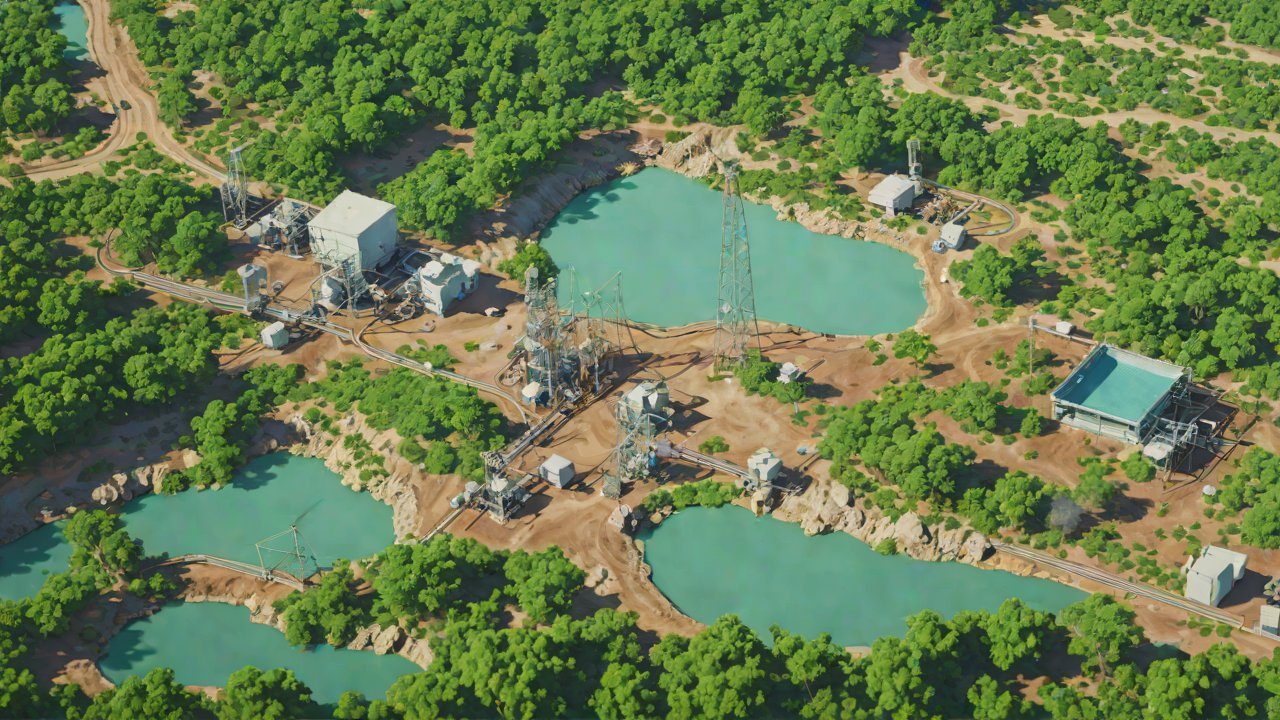
enable informed decision-making in mine ecological restoration efforts.
3. Case Studies: Real-World Applications of Sensor Technology
Real-world examples illustrate the efficacy of sensors in monitoring water retention capacity:
- Rio Tinto’s Mine Rehabilitation Project: Utilized advanced sensors to monitor soil moisture levels, temperature, and other parameters, optimizing reclamation strategies.
- BHP’s Water Management Initiative: Deployed sensor networks to track water usage and retention capacity, reducing water consumption by 20%.
4. Market Trends: Emerging Opportunities for Sensor-Based Monitoring
The market for sensor-based monitoring solutions is poised for significant growth, driven by:
| Market Driver | Impact |
|---|---|
| Increasing focus on environmental sustainability | Rising demand for efficient reclamation strategies |
| Advancements in IoT and AI technologies | Enhanced precision and scalability of monitoring systems |
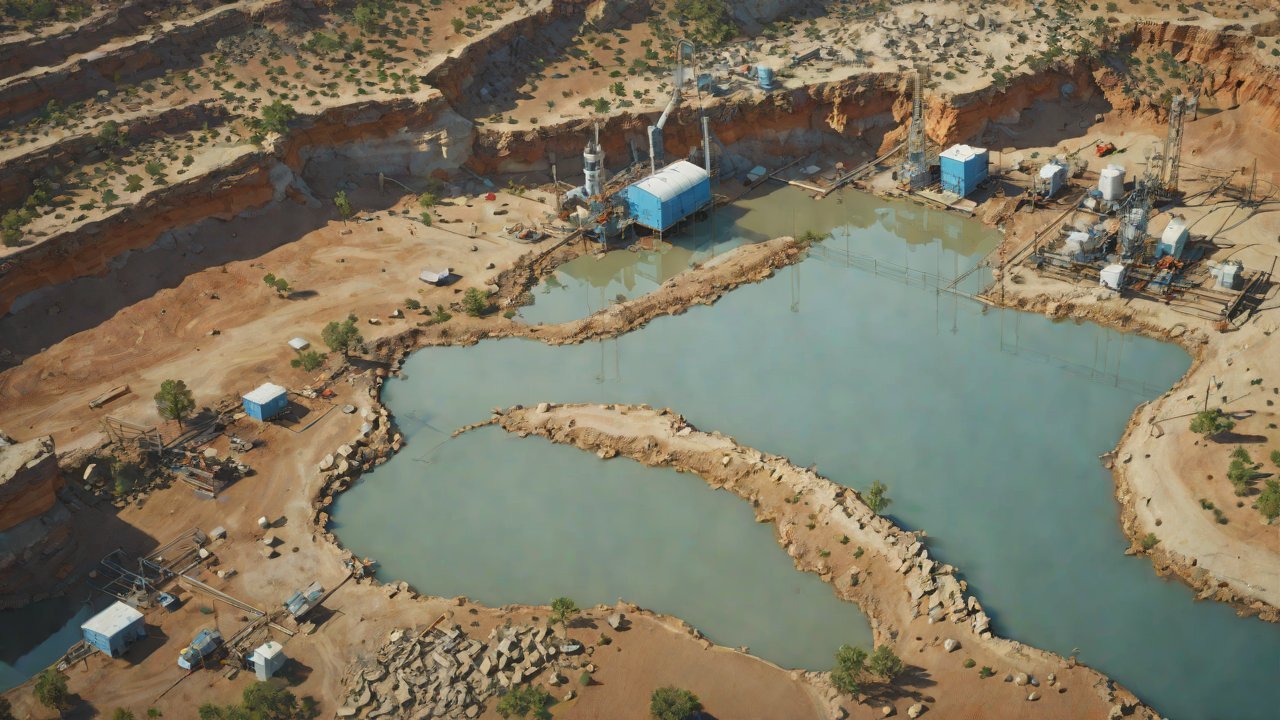
As the world grapples with the challenges of ecological restoration, sensors will play an increasingly vital role in assessing and optimizing water retention capacity.
5. Technical Considerations: Challenges and Limitations
While sensor technology has revolutionized environmental monitoring, several technical considerations must be addressed:
- Data Quality and Reliability: Ensuring accuracy and consistency of sensor readings is crucial for informed decision-making.
- Sensor Deployment and Maintenance: Effective deployment and maintenance strategies are essential to ensure reliable data collection.
- Integration with Existing Systems: Seamlessly integrating sensors with existing infrastructure can enhance the effectiveness of monitoring efforts.
In conclusion, sensors have emerged as a vital tool in assessing the water retention capacity of barren land, offering real-time insights into ecological parameters. As the market for sensor-based monitoring solutions continues to grow, it is essential to address technical challenges and limitations to maximize the impact of these technologies on mine ecological restoration efforts.
IOT Cloud Platform
IOT Cloud Platform is an IoT portal established by a Chinese IoT company, focusing on technical solutions in the fields of agricultural IoT, industrial IoT, medical IoT, security IoT, military IoT, meteorological IoT, consumer IoT, automotive IoT, commercial IoT, infrastructure IoT, smart warehousing and logistics, smart home, smart city, smart healthcare, smart lighting, etc.
The IoT Cloud Platform blog is a top IoT technology stack, providing technical knowledge on IoT, robotics, artificial intelligence (generative artificial intelligence AIGC), edge computing, AR/VR, cloud computing, quantum computing, blockchain, smart surveillance cameras, drones, RFID tags, gateways, GPS, 3D printing, 4D printing, autonomous driving, etc.