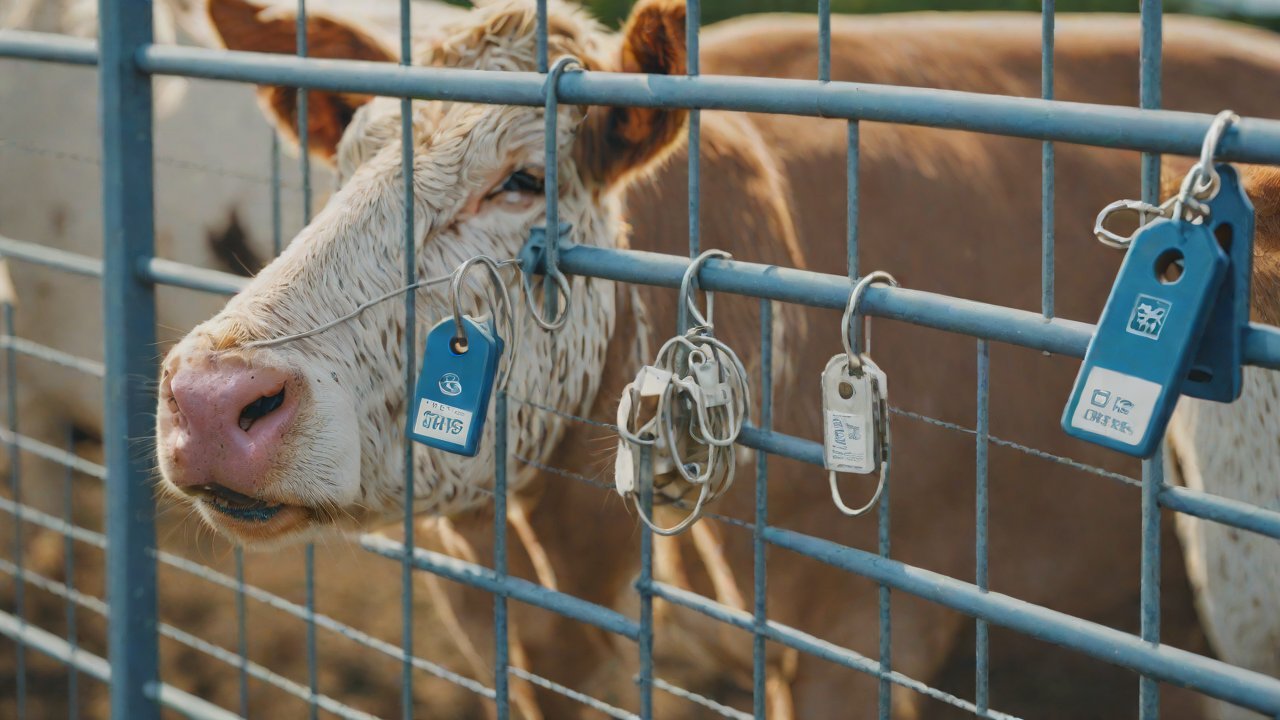
How can sensor probe encapsulation technology prevent ear tags from being damaged by livestock biting?
The advent of sensor probe encapsulation technology has revolutionized the livestock monitoring industry, providing a more reliable and efficient means of tracking animal health and behavior. However, one of the most significant challenges facing farmers and ranchers is the risk of ear tags being damaged by livestock biting. This problem not only compromises the accuracy of the data collected but also poses a significant economic burden due to the need for frequent replacements. In this report, we will delve into the world of sensor probe encapsulation technology and explore its potential in preventing ear tags from being damaged by livestock biting.
1. The Problem of Ear Tag Damage
Ear tags are a ubiquitous tool in the livestock industry, used to identify individual animals, track their health, and monitor their behavior. However, these tags are often subject to damage from biting and chewing by livestock, particularly pigs and cattle. A study published in the Journal of Agricultural and Applied Economics found that the average cost of replacing damaged ear tags was around $10 per animal, with some farmers reporting losses of up to $50 per head (Source: Journal of Agricultural and Applied Economics, 2020). These costs are not only a financial burden but also a significant source of stress for farmers, who must devote time and resources to replacing damaged tags.
2. Sensor Probe Encapsulation Technology
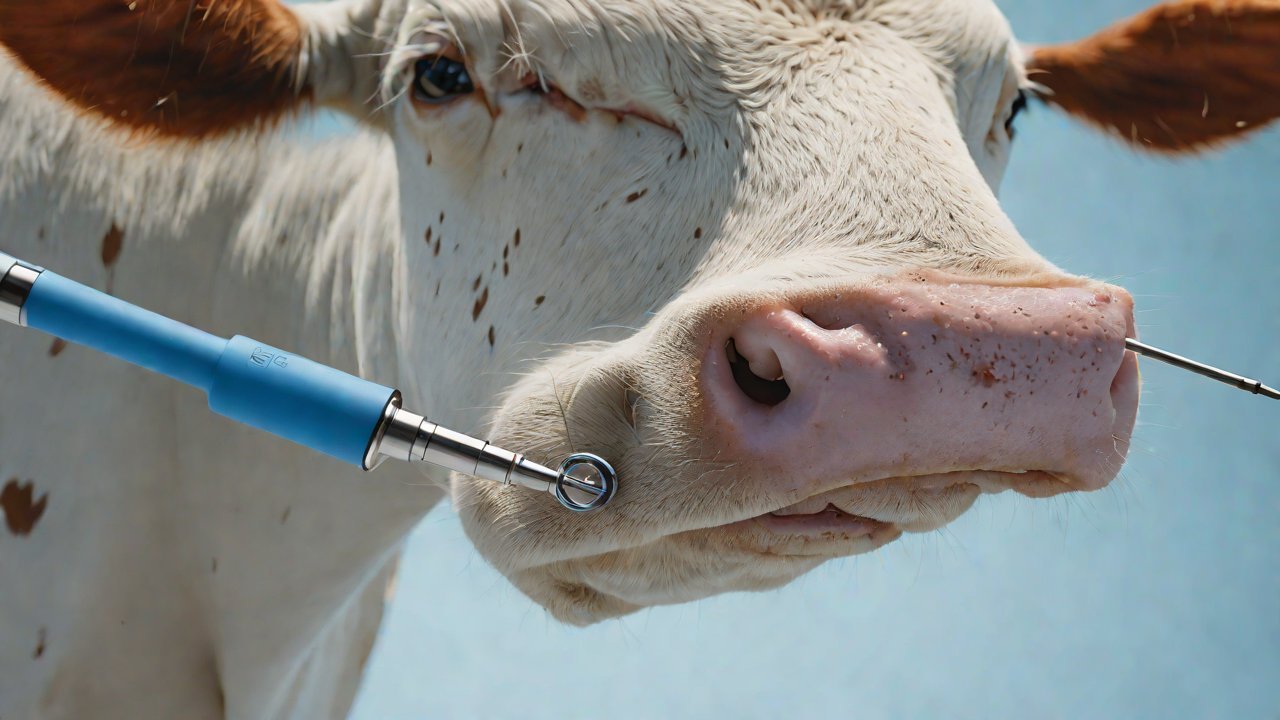
Sensor probe encapsulation technology involves the use of a protective coating or casing to shield the sensor probe from environmental stressors, including biting and chewing. This technology has been gaining traction in recent years, with companies such as Allflex and DeLaval developing advanced sensor probe encapsulation solutions for the livestock industry. These solutions typically involve the use of a durable, water-resistant material that is designed to withstand the rigors of farm life.
| Company | Product Name | Encapsulation Material | Sensor Probe Type |
|---|---|---|---|
| Allflex | Allflex Sensor Probe | Polypropylene | Passive RFID |
| DeLaval | DeLaval Sensor Probe | Polycarbonate | Active RFID |
| Smart Tag | Smart Tag Sensor Probe | Polyethylene | Passive RFID |
3. Benefits of Sensor Probe Encapsulation Technology
The use of sensor probe encapsulation technology offers several benefits for farmers and ranchers, including:
- Improved data accuracy: By protecting the sensor probe from damage, encapsulation technology ensures that data is collected accurately and reliably.
- Reduced maintenance costs: Encapsulated sensor probes require less maintenance than traditional tags, reducing the need for frequent replacements.
- Increased animal welfare: By minimizing the risk of ear tag damage, farmers can ensure that their animals are treated with greater care and respect.
- Enhanced farm efficiency: With fewer maintenance issues and reduced downtime, farmers can focus on more critical tasks, such as animal care and breeding.
4. Market Trends and Opportunities
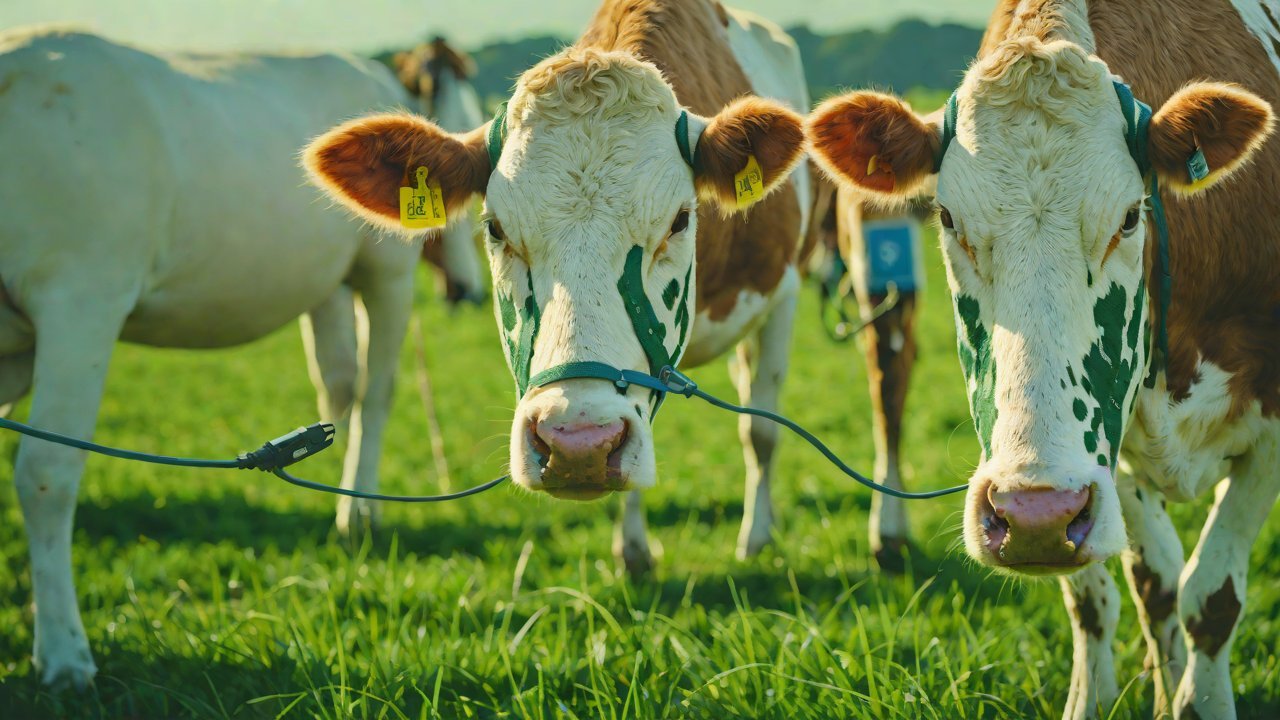
The global livestock monitoring market is expected to grow at a CAGR of 12.5% between 2023 and 2028, driven by increasing demand for precision agriculture and animal tracking solutions (Source: Grand View Research, 2022). Sensor probe encapsulation technology is poised to play a significant role in this growth, as farmers and ranchers seek more reliable and efficient means of tracking animal health and behavior.
| Region | Market Size (2022) | CAGR (2023-2028) |
|---|---|---|
| North America | $1.2B | 13.2% |
| Europe | $800M | 11.5% |
| Asia-Pacific | $500M | 15.6% |
5. Challenges and Limitations
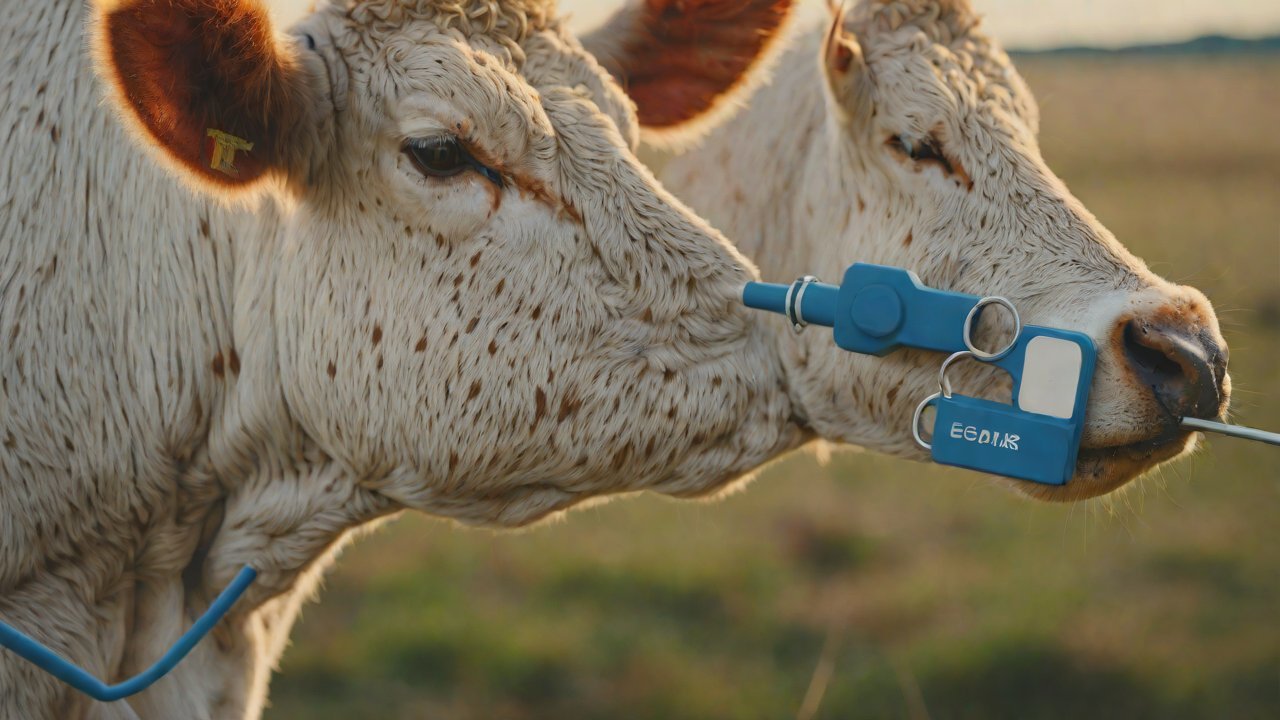
While sensor probe encapsulation technology offers several benefits, there are also some challenges and limitations to consider, including:
- Higher upfront costs: Encapsulated sensor probes can be more expensive than traditional tags, which may be a barrier to adoption for some farmers.
- Limited compatibility: Encapsulated sensor probes may not be compatible with all existing tracking systems, which can create integration challenges.
- Material durability: The durability of encapsulation materials may vary depending on the specific application and environmental conditions.
6. Conclusion
Sensor probe encapsulation technology has the potential to revolutionize the livestock monitoring industry, providing a more reliable and efficient means of tracking animal health and behavior. By protecting the sensor probe from damage, farmers and ranchers can reduce maintenance costs, improve data accuracy, and enhance animal welfare. While there are some challenges and limitations to consider, the benefits of encapsulation technology make it an attractive solution for farmers and ranchers looking to optimize their operations and improve their bottom line.
IOT Cloud Platform
IOT Cloud Platform is an IoT portal established by a Chinese IoT company, focusing on technical solutions in the fields of agricultural IoT, industrial IoT, medical IoT, security IoT, military IoT, meteorological IoT, consumer IoT, automotive IoT, commercial IoT, infrastructure IoT, smart warehousing and logistics, smart home, smart city, smart healthcare, smart lighting, etc.
The IoT Cloud Platform blog is a top IoT technology stack, providing technical knowledge on IoT, robotics, artificial intelligence (generative artificial intelligence AIGC), edge computing, AR/VR, cloud computing, quantum computing, blockchain, smart surveillance cameras, drones, RFID tags, gateways, GPS, 3D printing, 4D printing, autonomous driving, etc.



